Wholesale Alloy Rings: Sourcing Checklist for Buyers

Wholesale Sourcing Checklist for Alloy Rings: What Buyers Should Confirm Before Ordering
Alloy Rings remain one of the most requested categories among US wholesale buyers because they combine affordable unit costs with broad retail appeal, but sourcing them well requires a clear checklist rather than impulse ordering. Before placing a purchase order, a buyer needs to confirm five things: the exact metal composition and plating specification, the plating thickness and color standard, sample lead times and bulk production timelines, the quality control process at the factory, and the payment and delivery terms.
This article walks through each item on that checklist so you can compare suppliers on verifiable facts instead of catalog photos, and it closes with a practical sourcing workflow you can apply to your next order.
Why Alloy Rings Deserve a Place in Your Wholesale Assortment
Alloy-based jewelry sits in a specific commercial slot: it is priced below sterling silver and solid gold, it can be produced in fashion-forward shapes that would be costly in precious metals, and it supports high SKU turnover for retailers who refresh their cases monthly. For US buyers serving boutiques, e-commerce stores, and gift shops, alloy rings allow entry-level price points without sacrificing design ambition.
The trade-off is that quality varies widely between factories. Two rings that look identical in a product photo can differ sharply in plating durability, stone setting precision, and color consistency across a bulk run. That variance is exactly why a written sourcing checklist matters: it forces every supplier to answer the same questions, which makes comparison fair and documentation easy.
Position Alloy Rings Alongside Precious Metal Lines
Many retailers carry alloy rings as an entry tier, with 925 sterling silver as a mid tier and 14K solid gold at the top. Presenting the three tiers side by side helps customers trade up naturally. When you request quotes, ask the factory to price the same design in alloy and in sterling silver so you can calculate the retail margin spread across the assortment rather than on a single piece.
Know the Compliance Language Before You Market the Product
Accurate product descriptions protect your store. Alloy rings are plated fashion jewelry, and they should be described as such, never as solid gold. If a design includes a stone, confirm what the stone actually is; moissanite, for example, is a lab-created diamond alternative and must be labeled that way, not presented as a natural diamond. Graded stones in higher-tier pieces may come with GRA or IGI papers, and you should request copies for any lot that includes them.
Checklist Item One: Metal Composition and Plating Specification
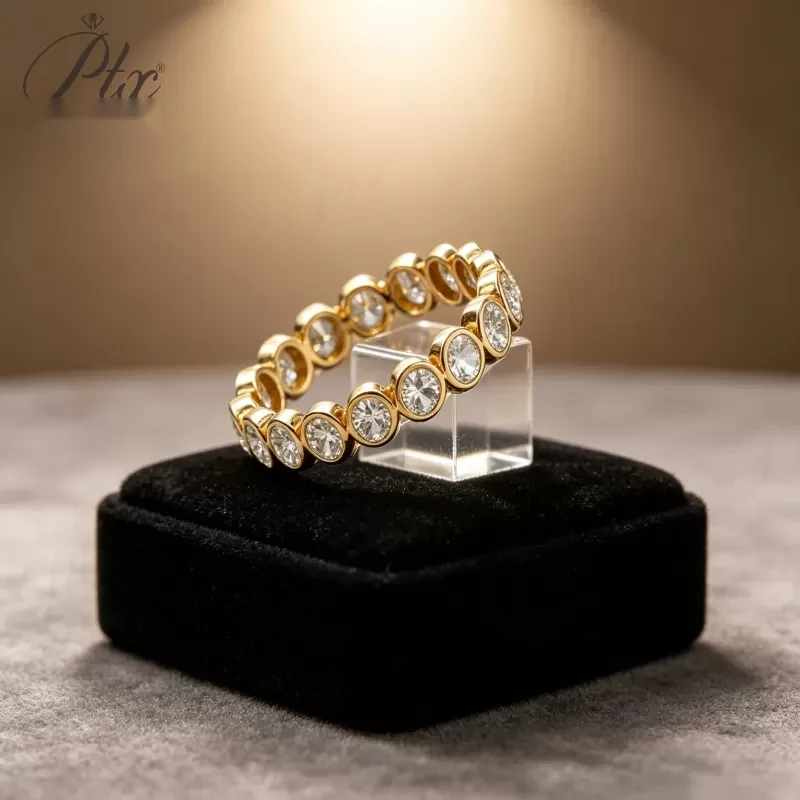
The first question to send any alloy ring supplier is simple: what is the base metal, and what is the plating stack? Common answers include brass or zinc alloy bases finished with gold plating. Ask for the plating color standard (such as 14K tone, 18K tone, or rose tone), the plating thickness in microns if the factory discloses it, and whether an anti-tarnish or e-coating layer is applied.
Buyers who skip this step often discover color drift between production batches, which leads to returns and mixed display trays.
Also ask whether the factory can produce the same design in gold vermeil or gold plated options over sterling silver. Vermeil, by definition, is gold plating over sterling silver and should never be marketed as solid gold. Having a supplier who can quote multiple metal options on one design gives you flexibility as your assortment matures.
Request Physical Samples, Not Just Photos
Photos hide plating tone and finish quality. Sampling takes 7 to 10 days, which is a reasonable investment before committing to bulk. Evaluate samples under store lighting for color, check the ring inner band stamping or tag if applicable, and wear-test the sample for a week to observe plating behavior. Approve a sample in writing and reference that approval in the purchase order so the bulk run matches an agreed physical standard.
Checklist Item Two: Stones and Setting Quality
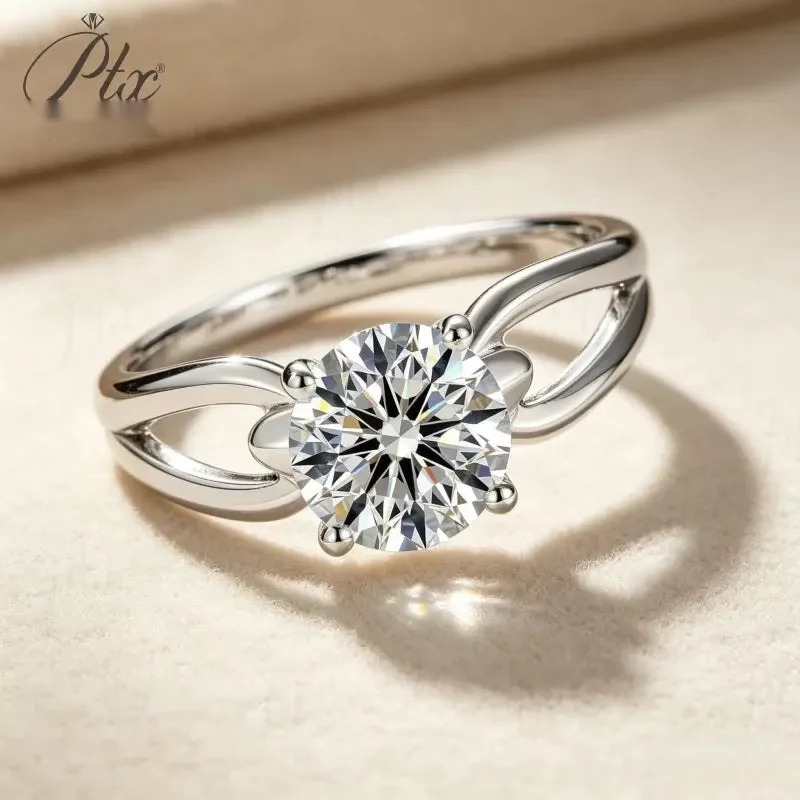
If your alloy rings include stones, the checklist expands. Confirm the stone type in writing, the setting method (prong, bezel, glue-set, or pave), and whether stones are hand-set or machine-set. Glue-set stones on alloy bands are common at low price points but fail faster under daily wear; prong or bezel settings hold up better and justify a slightly higher unit cost.
Ask how the factory handles stone grading and paperwork. Loose stones are sold by the carat, so if you are commissioning custom pieces with larger center stones, request clarity on carat weight, grading documents, and whether certificates from GRA or IGI are available for the stones used. For most fashion-tier alloy rings, stones will be ungraded, and your checklist should simply record that fact so marketing copy stays accurate.
Inspect Setting Consistency Across the Bulk Run
Consistency is where alloy production succeeds or fails. When your bulk order arrives, check a cross-section of the lot: stone alignment, prong tightness, band roundness, and plating tone. A factory with a three-stage quality control process, covering incoming materials, in-process checks, and a pre-shipment AQL inspection, is far more likely to deliver a consistent lot than one that inspects only at the end.
Checklist Item Three: MOQ, Pricing Structure, and Custom Work
Understand the minimum order terms before you negotiate. Stock styles are available at an MOQ of 1 piece, which is ideal for testing a design in your market or filling a small assortment gap. Custom work, including your own molds, stones, or finishes, requires a 30 piece minimum per style. Loose stones are priced separately by the carat when you commission custom pieces.
Pricing is quoted per piece or per carat depending on the item, so make sure every quote in your comparison list states its basis. A per-carat quote on a stone-heavy custom ring is not comparable to a per-piece quote on a stock alloy band, and mixing the two on one spreadsheet leads to bad sourcing decisions.
Checklist Item Four: Lead Times, Payment, and Delivery
Timeline and payment terms affect cash flow as much as unit price. Confirm these four points in writing before any deposit changes hands:
- Sampling takes 7 to 10 days for stock or custom requests.
- Bulk production takes 15 to 25 days after sample approval.
- Payment is by T/T with a 30 percent deposit and the 70 percent balance before shipment; PayPal is accepted for sample orders.
- DDP delivery to the US takes 5 to 8 days after shipment, with duties handled by the seller.
DDP shipping matters more than many buyers realize. Because the seller handles customs clearance and duties, your landed cost is predictable and your receiving team does not deal with brokerage paperwork. Add the full timeline, roughly 7 to 10 days for sampling, 15 to 25 days for production, and 5 to 8 days for delivery, to your buying calendar when planning seasonal launches.
Checklist Item Five: Quality Control Verification
A three-stage QC process is the standard you should require: incoming material inspection, in-process checks during production, and a pre-shipment AQL inspection on the finished lot. Ask each candidate supplier to describe how they run each stage and whether you can request photos or reports from the pre-ship inspection. Buyers who verify this stage catch plating tone drift, missing stones, and size errors before goods leave the factory instead of after they reach the US.
For larger custom orders, consider requesting that the pre-ship AQL report be shared with your purchase order number on it. This single document gives you traceability and a reference point if a claim ever arises.
A Simple Comparison Table for Supplier Quotes
Once you have answers from multiple factories, lay them side by side in a checklist table so differences become visible at a glance:
| Checklist Item | What to Confirm | Typical Standard |
|---|---|---|
| Metal and plating | Base metal, plating tone, coatings | Disclosed stack and tone standard |
| Stones | Stone type, setting method, papers | GRA or IGI where graded |
| MOQ | Stock versus custom minimums | 1 piece stock, 30 pieces custom |
| Timeline | Sampling and bulk lead times | 7 to 10 days, then 15 to 25 days |
| Payment and delivery | Terms and shipping basis | T/T split, DDP to US |
Use this table as a living document. Add columns for unit pricing basis, QC report availability, and reorder history as your relationship with a factory develops. Buyers who maintain this sheet reorder faster and negotiate from data rather than impressions.
Common Sourcing Mistakes With Alloy Rings
The most frequent mistakes are predictable and avoidable. First, ordering bulk on photo approval alone; the 7 to 10 day sampling step exists for a reason. Second, mixing metal descriptions in your own catalog, which creates compliance risk; keep alloy, gold plated, gold vermeil, and solid gold clearly separated. Third, ignoring the payment structure; the 30 percent T/T deposit and 70 percent balance before shipment means your cash flow plan should account for both payments within one production cycle.
Fourth, skipping the pre-ship inspection discussion, which shifts defect discovery to your warehouse instead of the factory floor.
Plan Reorders Around the Production Calendar
Because bulk production runs 15 to 25 days after approval and DDP delivery to the US takes 5 to 8 days, a reorder placed after stock sells down arrives roughly a month later. Track sell-through weekly and trigger reorders when a style has a few weeks of inventory remaining. Suppliers respond better to repeat buyers who order on schedule, and steady volume often improves your position in the production queue.
Frequently Asked Questions
What is the minimum order for alloy rings?
Stock styles can be ordered at a minimum of 1 piece, so you can test designs with almost no commitment. Custom work, which involves your own specifications, molds, or stone selections, requires a minimum of 30 pieces per style. Loose stones for custom projects are sold by the carat.
How long does a full order take from sample to delivery?
Sampling takes 7 to 10 days, and bulk production takes 15 to 25 days after you approve the sample. Once shipped, DDP delivery to the US takes 5 to 8 days. Plan roughly six weeks total for a new custom style from first request to receiving.
What payment terms should I expect?
Standard terms are T/T with a 30 percent deposit to start production and the 70 percent balance due before shipment. Sample orders can be paid via PayPal, which lowers the risk of your first trial with a new supplier.
Can graded stones be used in custom ring orders?
Yes, for custom pieces that include graded stones, certification papers from GRA or IGI are available. Confirm the carat weight and grading basis in your quotation, since loose stones are priced by the carat and this affects the final unit cost.
How is quality controlled before shipment?
Production runs through three quality control stages: inspection of incoming materials, in-process checks during manufacturing, and a pre-shipment AQL inspection of the finished lot. Ask for the pre-ship inspection report tied to your purchase order for documentation.
Start Your Alloy Ring Sourcing With a Clear Checklist
A disciplined checklist turns alloy ring sourcing from a guessing exercise into a repeatable process: confirm the metal and plating specification, approve physical samples, verify the three-stage QC process, agree on MOQ and payment terms, and calendar the full lead time from sampling through DDP delivery.
When you are ready to put the checklist to work, browse available designs in the product catalog to identify stock styles and custom candidates, read more practical buying guidance in the wholesale jewelry blog, and reach out through the contact page to request samples and a quotation for your next order.
Order Terms for Wholesale Buyers
MOQ is 1 piece for stock styles and 30 pieces for custom work, and loose stones are sold by the carat. Sampling takes 7 to 10 days, and bulk production runs 15 to 25 days after the sample is approved. Pricing is quoted per piece or per carat depending on the item. Payment is T/T with a 30% deposit and the 70% balance before shipment, and PayPal is accepted for sample orders.
Sources: Grading references: GIA gem education and GIA laboratory information.