Wholesale Alloy Rings: Moissanite vs CZ: What to Compare

Alloy Rings with Moissanite or Lab-Grown CZ: What Wholesale Buyers Need to Decide
Alloy rings set with moissanite or lab-grown cubic zirconia give wholesale buyers a way to offer bright, diamond-look jewelry at price points their retail customers can actually reach. The main decisions come down to stone selection, base metal and plating thickness, setting style, and how those choices affect MOQ, sampling time, and landed cost per piece.
This guide walks through each decision in the order a buyer usually faces it, from stone choice to final QC, so you can place orders with a clear picture of what you are buying.
Moissanite Versus Lab-Grown CZ: The Core Trade-Off
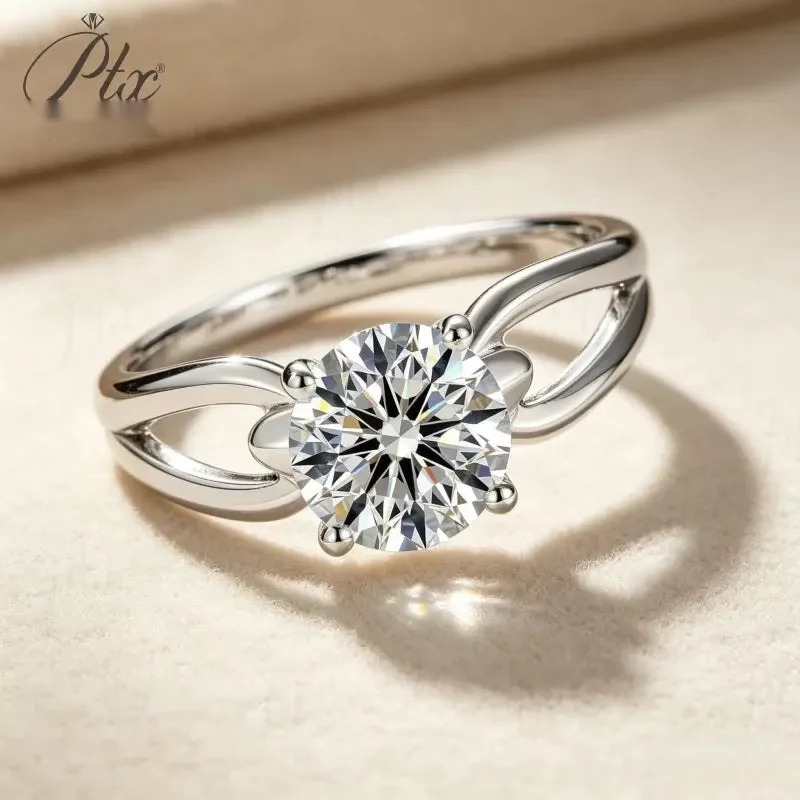
Moissanite is a lab-created gemstone made of silicon carbide. It is a diamond alternative, not a natural diamond, and it should be presented to your customers that way. Its selling points are high refractivity, strong sparkle, and hardness around 9.25 on the Mohs scale, which makes it suitable for daily-wear rings. Graded moissanite comes with GRA or IGI papers, which gives your retail listings a documented reference for color and clarity.
Lab-grown cubic zirconia is a different material entirely: zirconium dioxide, produced in a lab, with hardness around 8 to 8.5 on the Mohs scale. CZ costs less per stone and per carat, which keeps your unit cost low on high-volume alloy ring styles. The trade-off is that CZ loses surface polish faster under abrasive wear, so it suits fashion rings and trend-driven collections better than everyday solitaire styles.
As a buying rule of thumb, moissanite fits higher-ticket lines where customers expect longevity and paperwork, while CZ fits fast-turning fashion assortments where price drives the sale. Many wholesalers carry both and let the alloy ring design dictate the choice: a signet or solitaire silhouette reads as a fine jewelry piece and justifies moissanite; a clustered, multi-stone trend ring usually performs better with CZ.
How Stone Choice Changes Your Cost Structure
Stones are priced per piece or per carat depending on the item, and carat pricing matters more as center stone size increases. A round moissanite center above one carat can add more to your landed cost than the alloy ring body itself. CZ pricing also scales with carat weight, but at a fraction of the moissanite rate, so a pavé-heavy CZ design stays affordable even with dozens of accent stones.
Ask your supplier to quote both stone options on the same setting before you commit, so you can compare margin at each retail price point.
Alloy Base and Plating: Naming the Metal Correctly
Alloy rings are built on non-precious metal bases, and the finish you choose determines how you must describe the product. The accurate terms are 925 sterling silver, 10K, 14K, or 18K solid gold, gold vermeil, or gold plated. Gold vermeil means a sterling silver base with a thick gold plating layer. Gold plated means a base alloy with a thinner gold layer.
Plated and vermeil products cannot be marketed as solid gold, and US buyers increasingly check product copy for that distinction.
For alloy rings specifically, gold plating over a brass or zinc alloy base is the common configuration. Plating thickness and finish quality vary between factories, so this is an area where sampling earns its cost. Test sample rings for color match, edge coverage, and wear over a two-week handling period before approving bulk production.
Plating Questions to Ask Before Sampling
- What is the base alloy composition, and is it nickel-safe for sensitive skin?
- What plating thickness is quoted, and is e-coating applied after plating?
- Is the gold tone requested yellow, white, or rose, and is color matched to a reference photo?
- Can the same ring body be produced in sterling silver or vermeil for a higher tier?
These questions cost nothing to ask and prevent the two most common returns drivers: unexpected tone shift and skin reaction. Nickel-safe plating on a well-sealed alloy base is a reasonable expectation from a serious supplier.
Setting Styles for Alloy Rings and What They Demand from QC
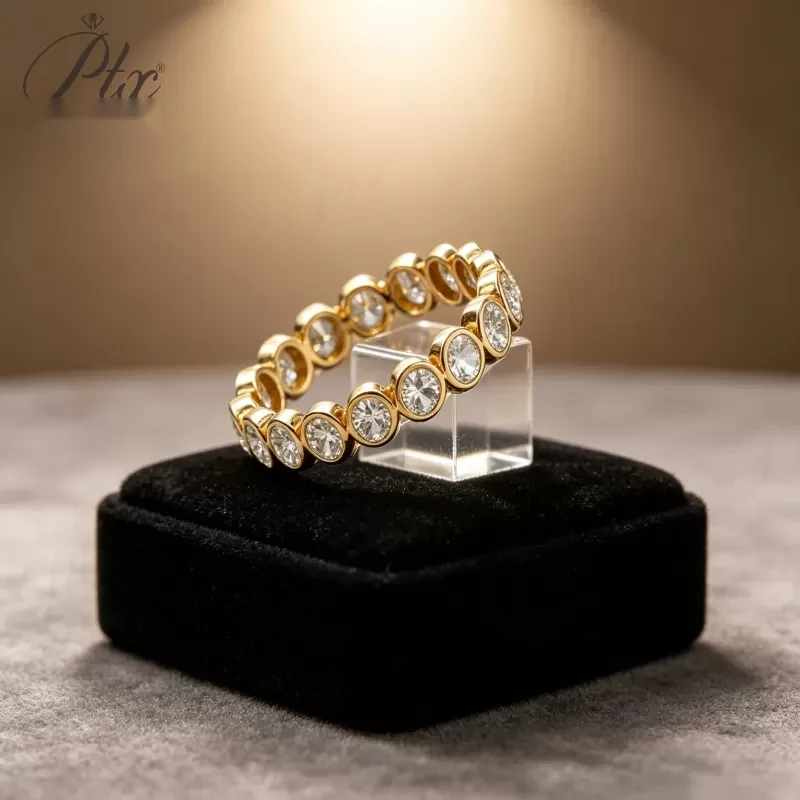
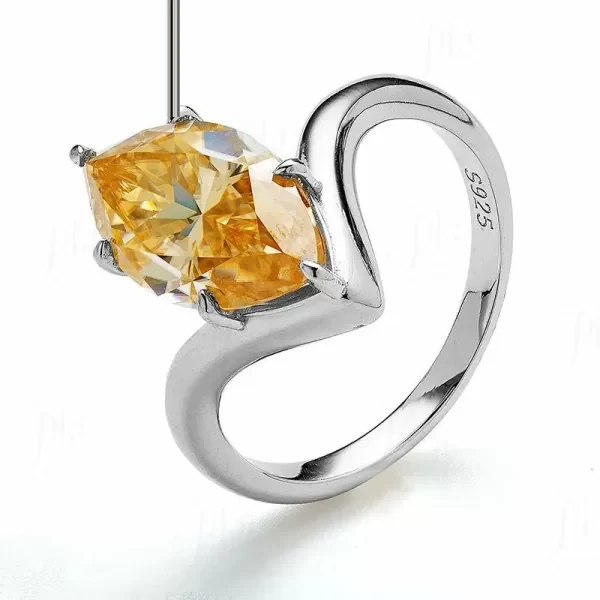
Stone setting is where alloy rings succeed or fail in the wholesale channel. Prong settings show more of the stone and suit larger moissanite centers, but prong tips on alloy bodies need careful finishing so they do not snag. Bezel settings protect the stone edge and are forgiving on CZ, which makes them a good match for daily-wear fashion rings.
Pavé and channel settings maximize sparkle on small stones but multiply the number of stones per ring, so stone-loss risk rises with stone count.
Every ring passes through a three-stage QC process: incoming inspection of materials and loose stones, in-process checks during casting, plating, and setting, and a pre-ship AQL inspection on the finished goods. For pavé-heavy styles, ask the factory to include stone-tightness checks in the in-process stage rather than waiting for the final AQL pass, because loose accents found late mean rework or rejection.
Matching Stone to Setting: A Quick Reference
The table below summarizes how the two stone options typically pair with common alloy ring settings in a wholesale assortment.
| Setting Style | Moissanite Fit | Lab-Grown CZ Fit | Best Use |
|---|---|---|---|
| Solitaire prong | Strong; GRA/IGI paper adds value | Adequate for budget lines | Engagement-look rings |
| Bezel | Good for active wearers | Good; protects softer stone | Everyday fashion rings |
| Pavé band | Premium price point | Cost-effective sparkle | Trend and stackable lines |
| Channel | Works on accent rows | Works well at low cost | Eternity-look designs |
Use the table as a starting point for your assortment plan, then confirm each pairing with physical samples before bulk approval.
MOQ, Sampling, and Production Timelines for Alloy Ring Orders
Stock alloy ring styles carry a MOQ of 1 piece, which lets you test a new stone or setting combination without committing to volume. Custom work requires 30 pieces per style, which applies when you want a modified shank, a custom pavé layout, or your own branding. Loose stones, whether moissanite or CZ, are sold by the carat, so you can also source stones separately and have them set.
Sampling runs 7 to 10 days. Use that window to evaluate plating color, stone brightness, and setting security across several sizes, not just a single sample ring. Bulk production takes 15 to 25 days after sample approval, so plan your calendar around roughly a month from approval to shipment readiness on custom styles.
Building a Test Order That Predicts Bulk Quality
A useful first order combines a few stock pieces at 1-piece MOQ with one custom style at the 30-piece minimum. Compare the stock pieces against the custom production samples to see whether the factory holds plating tone and stone quality consistent across runs. Request GRA or IGI papers with any graded moissanite so your retail listings can reference documented grading. This approach costs little and gives you evidence rather than promises before you scale the style.
Payment, Shipping, and Landed Cost for US Buyers
Payment terms follow the order type. Sample orders are paid through PayPal, which keeps the testing phase low-risk. Bulk orders run on T/T with a 30 percent deposit and the 70 percent balance due before shipment. Budget accordingly, since the balance is due before goods leave the factory.
DDP delivery to the US takes 5 to 8 days, with duties and shipping handled so the goods arrive ready for your fulfillment process. That short transit window makes replenishment practical: when a CZ alloy ring style sells through, a repeat order can restock in under five weeks including production time. Factor the per-carat stone cost and per-piece metal cost into your landed cost model, and keep stone paperwork on file for customs and retail documentation.
Calculating Margin on Moissanite Versus CZ Alloy Rings
Run the same exercise on both stone options for one hero style. Take the quoted per-piece or per-carat stone cost, add the alloy body and plating cost, add your inbound freight share under DDP, and compare the resulting margin at the retail prices your channel supports. Moissanite styles typically justify higher retail pricing, especially with GRA or IGI papers included, while CZ styles win on volume and turnover. Carrying both lets you serve two customer segments from one production partner.
Order Terms for Wholesale Buyers
MOQ is 1 piece for stock styles and 30 pieces for custom work, and loose stones are sold by the carat. Sampling takes 7 to 10 days, and bulk production runs 15 to 25 days after the sample is approved. Pricing is quoted per piece or per carat depending on the item. Payment is T/T with a 30% deposit and the 70% balance before shipment, and PayPal is accepted for sample orders.
Frequently Asked Questions
Is moissanite a real diamond?
Moissanite is a lab-created gemstone made of silicon carbide and a diamond alternative, not a natural diamond. It should be marketed to your customers as moissanite, with its own sparkle and durability characteristics. Graded stones come with GRA or IGI papers that document color and clarity.
Can I order one sample ring before committing to bulk?
Yes. Stock alloy ring styles carry a MOQ of 1 piece, so you can order single units for evaluation. Custom styles require 30 pieces, which applies once you approve a design and move to production.
How long does the full order cycle take?
Sampling takes 7 to 10 days, and bulk production takes 15 to 25 days after sample approval. DDP shipping to the US adds 5 to 8 days, so a custom style can move from approval to your warehouse in roughly a month.
What payment methods are available?
Sample orders are paid via PayPal. Bulk orders use T/T with a 30 percent deposit and the 70 percent balance due before shipment.
How do I know the stones will not fall out of alloy settings?
Every order passes three QC stages: incoming inspection, in-process checks during production, and a pre-ship AQL inspection. For pavé and channel styles, ask for stone-tightness checks during the in-process stage so loose stones are caught before finishing.
Start Your Alloy Ring Program with Samples
The fastest way to decide between moissanite and lab-grown CZ for your alloy ring assortment is to handle both in hand. Order single-piece samples of stock styles, test plating tone and stone brightness, and review GRA or IGI paperwork on graded moissanite before scaling. Browse available designs in our product catalog, read more buying guides on the wholesale jewelry blog, or contact our sales team to request samples and a quote for your next alloy ring order.
Sources: Grading references: GIA gem education and GIA laboratory information.