New buyers almost always ask the same questions before placing their first alloy ring order. This FAQ gathers the fifteen questions we hear every week from boutique owners, kiosk sellers, online resellers and chain-store buyers. If you are comparing suppliers or trying to calculate your first order, the answers below will save you several rounds of email.

What is an alloy ring, exactly?
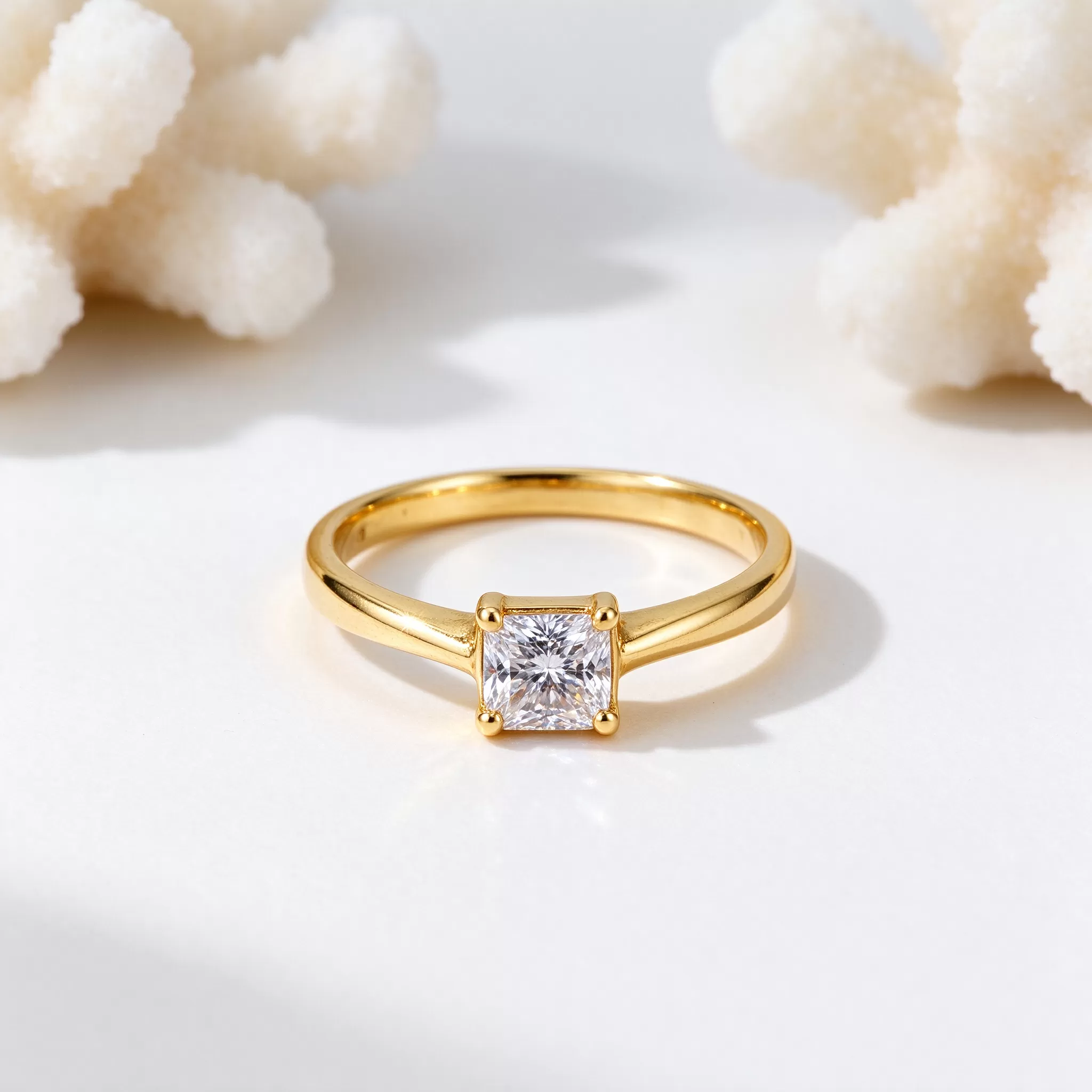
An alloy ring is a fashion ring made from a base metal blend rather than precious metal. Most of the rings on this market are built from zinc alloy or brass, then plated with gold, rhodium or rose gold, and often set with cubic zirconia. The word "alloy" describes the material, not the quality. A well-made alloy ring can look expensive, hold its finish for months, and sell at a healthy margin. A poorly made one will tarnish in a week and generate returns.
What is the minimum order quantity?
Standard MOQ for alloy rings at a factory like ours is usually 100 pieces per style, across US sizes 5 through 11. Because rings sell by size, factories expect you to take a full size run. If you are testing a market, ask about mix orders: many suppliers, including us, allow a 500-piece order spread across ten styles so you are not stuck with five hundred identical rings.
Can I mix sizes and styles in one order?
Yes, on a mix order. You might take twenty of one bestseller, ten of another, and fill the rest with trial styles. This is the lowest-risk way to open a relationship with a factory. You pay a small premium per unit versus a full 100-piece run on one style, but you avoid dead stock.
How long is production and shipping?
Production for an existing mould runs ten to fifteen working days. Custom designs need another week for samples. Shipping by express courier (DHL, FedEx, UPS) takes five to seven days to North America and Europe; sea freight takes twenty-five to thirty-five days but costs a fraction of air freight for orders over fifty kilograms. Our shipping and logistics guide breaks the costs down by weight zone.
Are alloy rings nickel-free and lead-safe?
Export-grade alloy rings sold to the US and EU are required to meet limits on lead, cadmium and nickel release. Our standard plating passes REACH and CPSIA tests. If your customer base includes sensitive ears or skin, ask explicitly for the nickel-free option, which adds a thin e-coat barrier between the base metal and the skin. This is the same topic we cover in our guide to hypoallergenic alloy rings.
Why do some cheap rings turn fingers green?
The green mark is a reaction between skin acids and copper in the base metal, accelerated by cheap plating that wears off quickly. It is harmless but it kills repeat purchases. The fix is thicker plating (at least 0.3 microns), a protective e-coat, and honest descriptions. If a supplier cannot tell you the plating thickness, assume it is thin.
What plating finishes should I stock?
The top three finishes for resale are polished gold, rhodium (bright silver) and rose gold. Antique gold and matte black trend in bohemian and alternative stores but move slower. A balanced first order is about half gold, thirty percent rhodium, and twenty percent rose or antique.
How do I price alloy rings for resale?
Typical wholesale cost sits between $0.30 and $1.00 per piece depending on plating and stones. A retail buyer usually marks up three to five times wholesale. A ring that costs you $0.50 lands on a rack at $3 to $5, which is a proven impulse-buy price. Our article on selling alloy rings for profit walks through the margin math in detail.
Do you offer private label or custom moulds?
Yes. Private label means we ship your chosen styles in your packaging with your cards. Custom moulds mean we build a ring from your drawing; mould tooling is a one-off fee and the MOQ on a new design is usually 300 pieces. Read about our OEM and private label program if you want to build your own brand rather than resell generic styles.
How do I handle returns and defects?
Expect a defect rate of one to three percent on alloy jewelry. Reputable suppliers replace defective pieces in the next order rather than refund cash. Before you order, ask what the replacement policy is and whether QC photos are provided. Our quality control for bulk orders checklist tells you what to inspect on arrival.
Can I get samples before a bulk order?
Always. Buy three to five sample pieces, wear them for two weeks, check the plating, smell them for flux residue, and bend the band slightly to test for brittleness. Samples cost retail but they are the cheapest insurance you will ever buy.
What ring sizes sell fastest?
US sizes 6, 7 and 8 move fastest because they fit most women. Size 9 and up sells to men and larger-fingered customers. On a 100-piece run, a sensible split is roughly: size 5 eight pieces, 6 twenty, 7 twenty-five, 8 twenty, 9 twelve, 10 ten, 11 five.
Are alloy rings suitable for wedding or bridal resale?
Yes, as budget bridal and proposal pieces. CZ-set stackable bands and plain bands sell well as affordable engagement alternatives and promise rings. They are not replacements for real diamonds, but as fast-fashion bridal they turn over quickly.
How do I know a supplier is reliable?
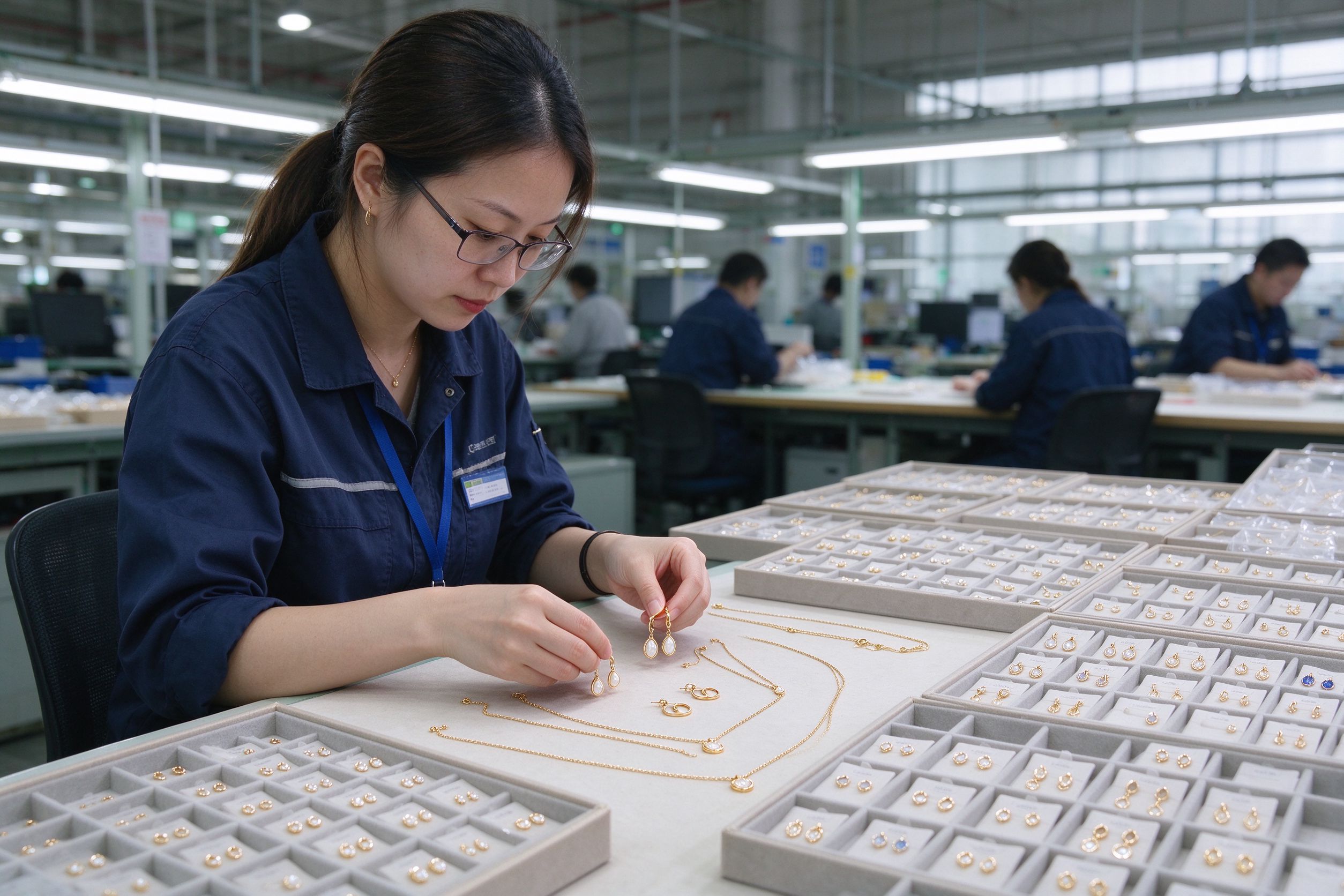
Check three things: real factory photos, an audit or compliance certificate, and willingness to send QC videos of your order before it ships. You can read our own quality and compliance page to see what a documented factory looks like. If a supplier only offers catalogue images and refuses video, walk away.
What is the minimum to start with Holycome?
You can open with a 500-piece mix order across several alloy ring styles. Browse our alloy rings collection, then request a wholesale quote with your target quantities and we will reply with pricing, lead time and sample options.
The Bottom Line
Alloy rings are one of the lowest-cost, highest-turnover categories in fashion jewelry. The buyers who succeed treat it like a numbers game: small first orders, size runs balanced around 6 to 8, nickel-free plating for sensitive customers, and honest margins. Ask the fifteen questions above of any supplier and you will immediately separate factories from middlemen.
How Do You Handle Seasonal Demand?
Alloy rings sell steadily all year, but demand spikes in spring and before the December holidays. If you plan to ride those peaks, place your order six to eight weeks ahead so the stock lands before customers arrive. Reordering your proven bestsellers is safer than chasing a brand-new style for a peak moment. Watch which sizes sell out fastest and reorder those sizes first, because a ring that is always out of stock trains customers to shop elsewhere.
Can I Sell These Rings Online?
Yes, but online buyers cannot try the ring on, so your listing has to compensate. Photograph each ring on a hand, show the profile, and list the available sizes clearly. Size availability is the top reason online ring carts are abandoned. Offer a short sizing guide in the listing, and mention the nickel-free plating. The more uncertainty you remove, the higher your conversion. Our frequently asked questions page covers more of the practical side of buying from us.