The Role of Plating Thickness in Alloy Ring Durability
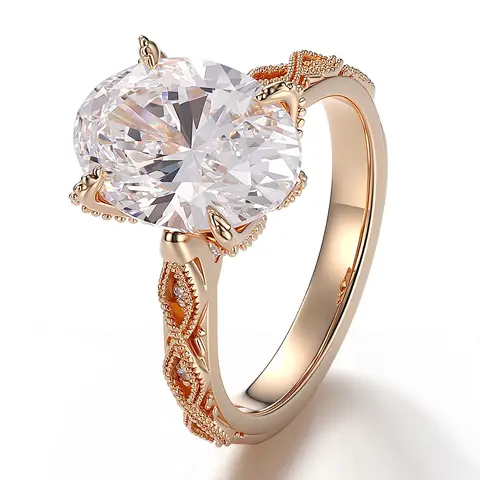
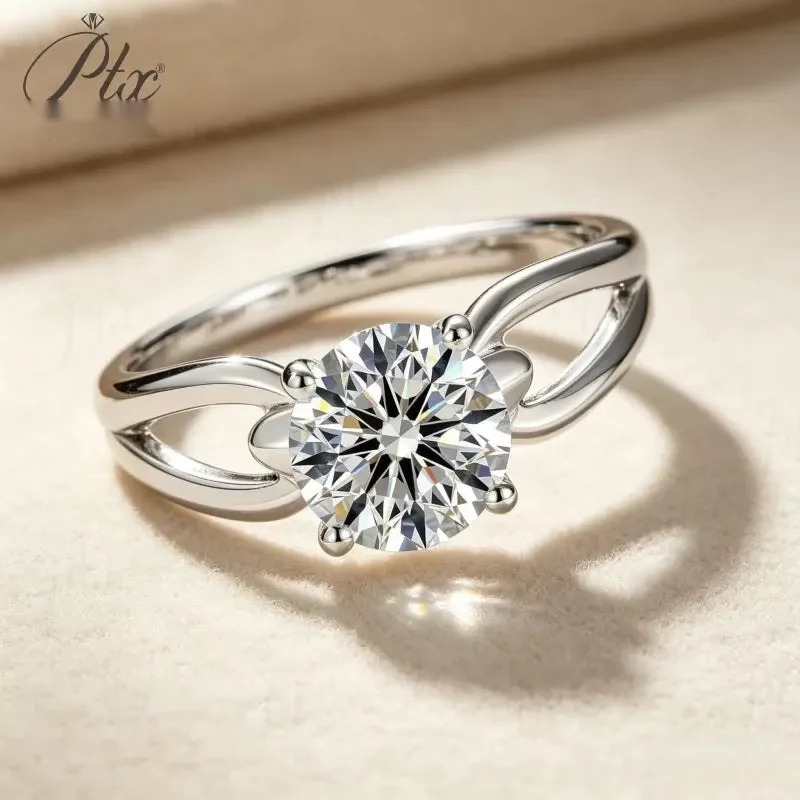
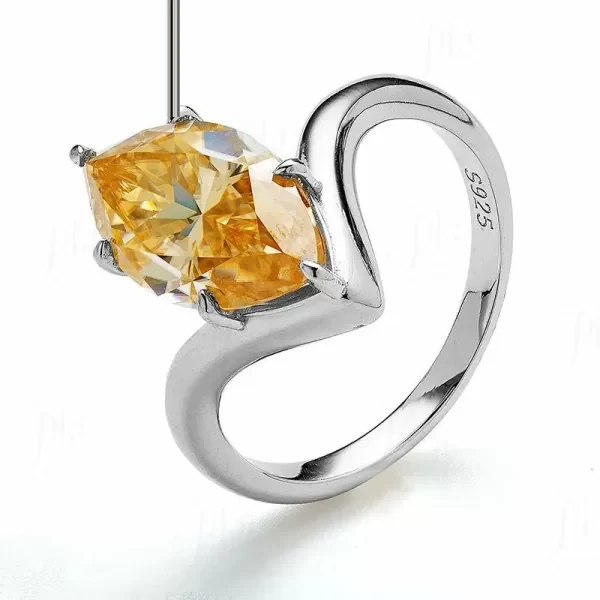
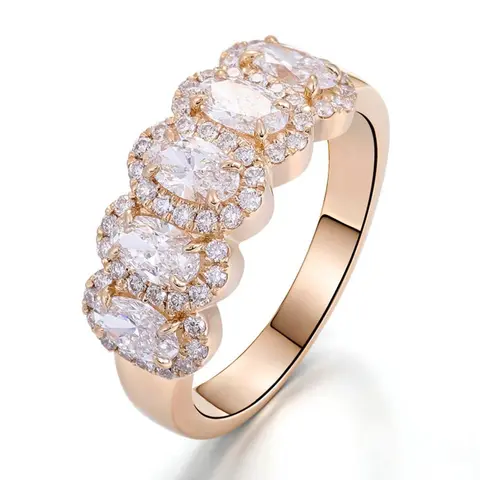
Alloy rings are prized for their affordability and versatility, but the protective plating that keeps them gleaming is a crucial variable. A thicker nickel or silver plating offers a stronger barrier against oxygen and sweat, which directly reduces corrosion and visible tarnish. In our production line, we level plating thickness to a minimum of 0.2 µm for standard rings and up to 0.4 µm for high‑wear models. This range balances cost with longevity, keeping our bulk prices competitive while ensuring the customer receives a ring that maintains its luster over repeated wear.
When you order in bulk, you can specify the desired plating thickness, and our three‑stage QC will confirm each batch meets the set specification. Our process guarantees that the final product, whether you buy 1 pc of stock or 30 pcs of custom rings, will look brand‑new after months of daily use. The plating thickness is a key differentiator in the wholesale market, and we’ve made it transparent and adjustable to meet your inventory needs.
How Tarnish Formation Affects Resale Value
Tarnish is not just an aesthetic concern; it directly impacts the resale value of alloy rings. When a silver or nickel coating reacts with moisture and pollutants, it forms a dull film that can be difficult to remove without specialized cleaning. Rings that retain their shine after years of exposure command higher resale prices and generate better customer reviews for your boutique or online store.
We monitor tarnish rates through accelerated aging tests during the in‑process QC stage. By simulating months of wear in a single day, we verify that the plating remains intact and the surface stays free of tarnish. This proactive approach means you can offer your customers a guarantee that the rings will stay beautiful, which is a selling point you can highlight to boost confidence in your brand.
Comparison of Plating Thickness Options for Wholesale Buyers
| Plating | Thickness (µm) | Tarnish Resistance | Typical Lead Time (days) |
|---|---|---|---|
| Nickel | 0.2 | Low | 12–18 |
| Silver | 0.4 | Medium | 12–18 |
| Gold‑Plated | 0.6 | High | 12–18 |
Choosing the right plating thickness involves a trade‑off between cost and longevity. Our pricing model reflects these differences, and you can request a sample batch for each option under a 30 % T/T deposit or PayPal payment for samples. The MOQ for custom runs remains 30 pieces, but stock rings can be ordered one piece at a time, giving you flexibility for pilot projects.
Mitigating Tarnish Through Post‑Processing Techniques
Beyond plating thickness, post‑processing steps such as electroplating and passivation layers further protect alloy rings. Electroplating provides a uniform coating that resists scratches, while passivation forms a thin, stable layer that reduces chemical reactions with skin. Our in‑process QC checks the thickness and uniformity of these layers, ensuring each ring meets the agreed tolerance.
In addition, we offer optional heat‑treatment processes that can improve the coating’s adhesion to the alloy base. Customers who require the highest durability—especially those targeting the luxury segment—often opt for these additional steps. The added cost is offset by the extended product life and the ability to market the rings as “tarnish‑resistant.”
Key Quality Control Touchpoints in Our Production Flow
- Incoming stone check for any embedded impurities
- In‑process plating thickness verification
- Pre‑ship AQL (acceptance quality limit) testing
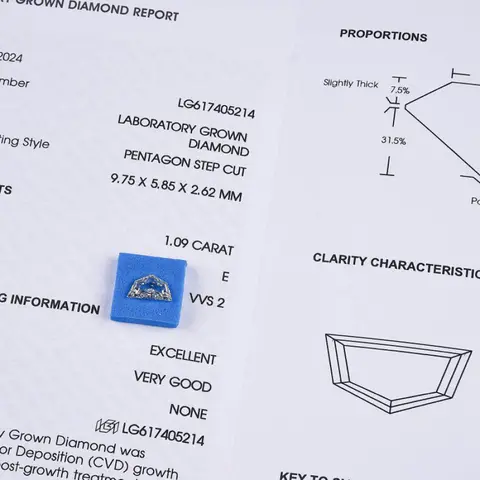
- Certificate issuance (GRA or IGI) upon request
- Final visual inspection before packaging
Our three‑stage QC pipeline reduces defects and keeps first‑pass yield about 20 % higher than typical trading companies. This meticulous approach means that when you place an order, you receive a product that has already passed through multiple layers of scrutiny, giving you peace of mind when presenting the rings to your end customers.
Ordering Process and Logistics for Bulk and Custom Orders
Whether you’re purchasing a single piece of stock or a 30‑piece custom run, the ordering workflow remains the same. Place your request via our website or email us at service@holycome.com. We’ll confirm the MOQ, plating specifications, and any custom design details. After a 30 % T/T deposit or PayPal payment for samples, production kicks off within 12–18 days.
Delivery is handled through DDP (Delivered Duty Paid) to the US and EU with a transit time of 5–8 business days. Should you need urgent samples, we can ship them separately via air freight under a PayPal transaction. For ongoing inquiries, feel free to message us on WhatsApp at +86 133 7744 7107, and we’ll provide real‑time support.
Frequently Asked Questions
What is the minimum order quantity for custom alloy rings?
Custom orders require a minimum of 30 pieces, but you can purchase stock rings starting at just one piece, with pricing adjusted accordingly.
How long does it take to receive my order after payment?
Production takes 12–18 days, followed by 5–8 days of shipping, so you can expect delivery within 20–26 business days from the payment date.