AQL, Tray Checks and What a QC Report Should Say
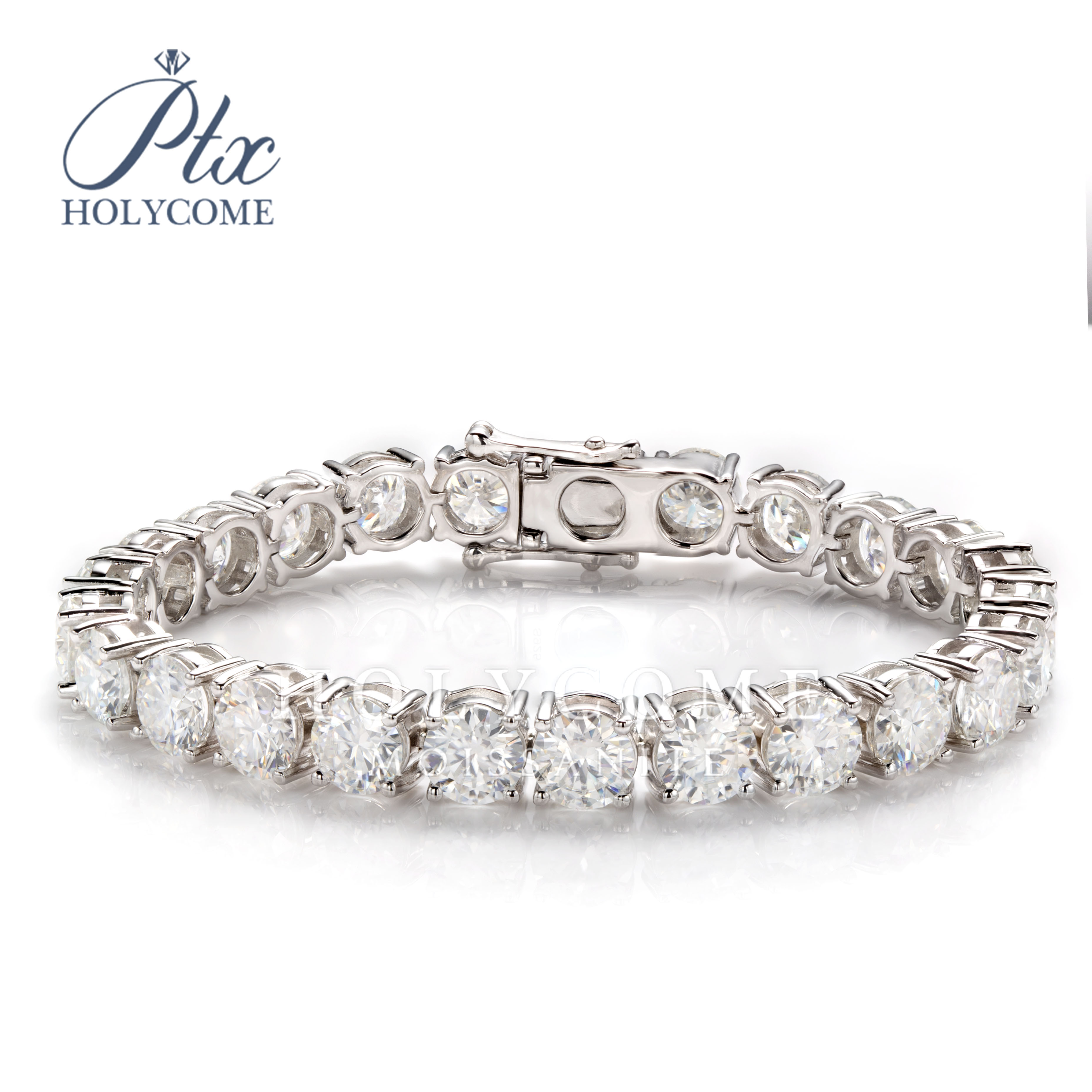
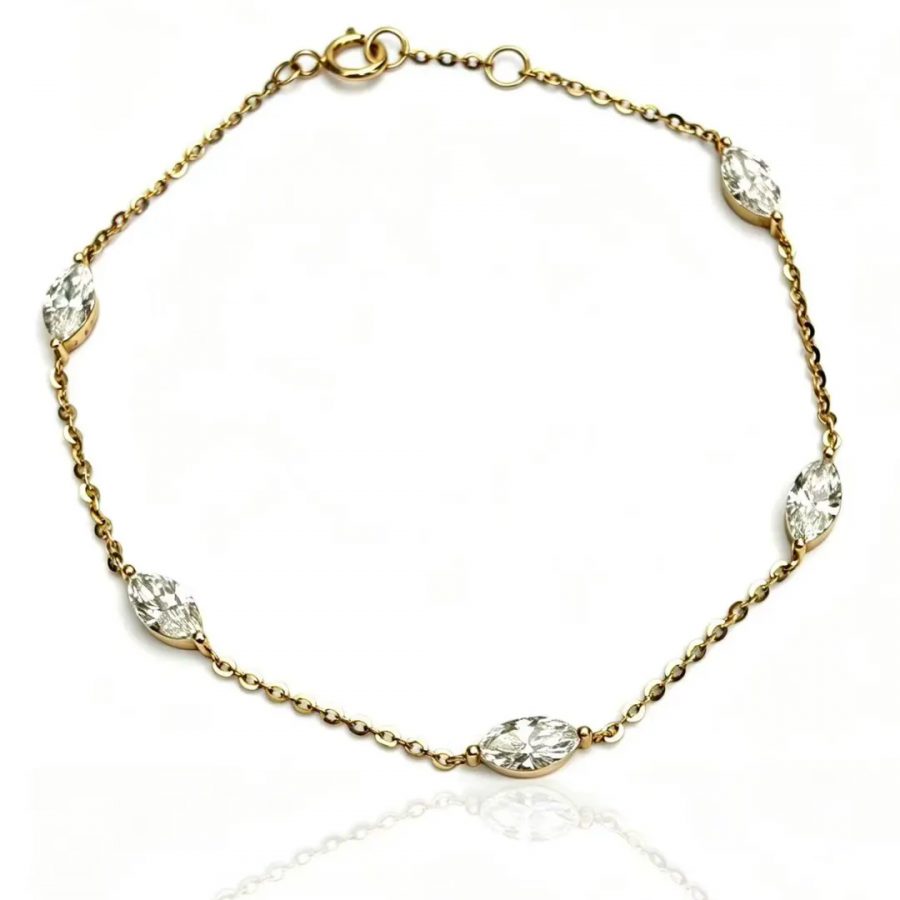
In June, a US jewelry chains and gifting platforms ordered 480 bracelets and Bangles and asked for the same tennis lines as a competitor's sample. What arrived matched the photo and missed the drawing, and 13 pieces had to be reworked at the buyer's expense.
The defect did not surprise us. clasp torsion failure is the predictable output of a run where nobody wrote the tolerance down, and it is the first measurement we take on an incoming bracelets and Bangle. It is written into the bracelets and Bangles spec sheet that travels with the quote, so the bench and the buyer read the same number.
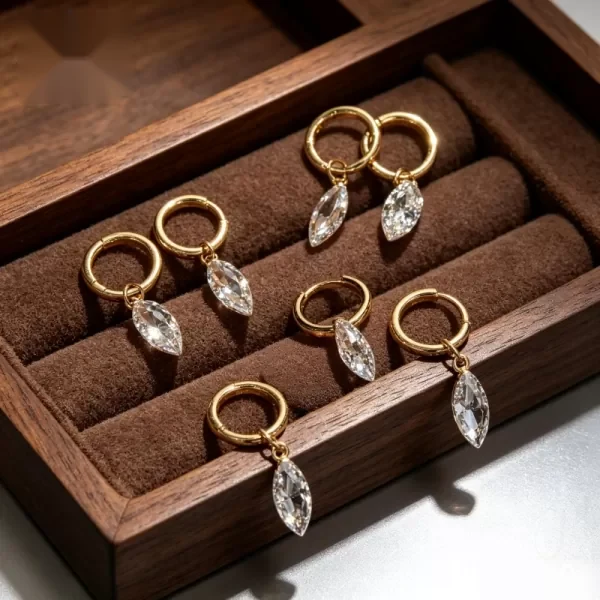
We did not discount the quote. We changed the gauge, the seat cut, the plating log and the tray rule, and the second run shipped with zero rejects on clasp torsion resistance and overall length within +/-3 mm. It is written into the bracelets and Bangles spec sheet that travels with the quote, so the bench and the buyer read the same number.
What North American buyers Check Before They Sign
Price is the first thing compared and the last thing that matters. These four measurements decide the return rate on bracelets and Bangles, and three of them cost nothing to specify. It is written into the bracelets and Bangles spec sheet that travels with the quote, so the bench and the buyer read the same number.
| Spec point | Common trade output | HOLYCOME standard | Cost if missed |
|---|---|---|---|
| Clasp Torsion Failure on bracelets and Bangles | Inspected visually at the tray | Gauntlet check on every piece, limit written in the spec | Returns inside 60 days of wear |
| Link Gap Growth on bracelets and Bangles | Batch dependent, not logged | Thickness and tension logged per lot | Complaint after the second season |
| Length Drift On Bangles on bracelets and Bangles | Estimated from nominal | Gauged per size with go/no-go tools | Resize queue and reship cost |
| Tolerance stack-up on bracelets and Bangles | Quote states nominal only | Worst-case band published per SKU | Freight and duty drift |
None of these are premium features. They cost seconds per piece and they remove the reason a buyer has to inspect twice. It is written into the bracelets and Bangles spec sheet that travels with the quote, so the bench and the buyer read the same number.
Where USD 34-220 Per Piece Actually Goes
The cost of a bracelets and Bangle in the USD 34-220 band splits roughly as below. The line buyers challenge most is labor, and it is the line that decides whether the piece survives a season. It is written into the bracelets and Bangles spec sheet that travels with the quote, so the bench and the buyer read the same number.
| Cost line | Share | What moves it |
|---|---|---|
| Base metal or alloy for bracelets and Bangles | 34% | Alloy choice and casting yield |
| Stone or melee for bracelets and Bangles | 25% | Sieve range and lot batching |
| Setting and finishing labor for bracelets and Bangles | 22% | Jig design and bench minutes |
| Plating, polish and QC for bracelets and Bangles | 15% | Per-tray versus per-piece checks |
| Packaging and freight for bracelets and Bangles | 4% | Box grade and DDP versus FOB |
If a supplier will not break out the five lines above, the number you are comparing is not a price. It is a total that somebody else assembled from assumptions. It is written into the bracelets and Bangles spec sheet that travels with the quote, so the bench and the buyer read the same number.
The Three Failures We See Most in Incoming Samples
clasp torsion failure
A box clasp rated for a necklace fails under wrist rotation. The clasp has to be tested in torsion, not only in pull.
Our countermeasure is a gauge and a written limit. It adds about 20 seconds per piece and removes the defect from the run rather than from the carton.
link gap growth
Gaps between links grow when the connecting pin is 0.05 mm under size. A pin gauge on every tenth piece catches it cheaply.
In a 480-piece run this typically shows on 17 of pieces. Catching it means measuring clasp torsion resistance at the tray level, not inspecting the finished carton.
length drift on bangles
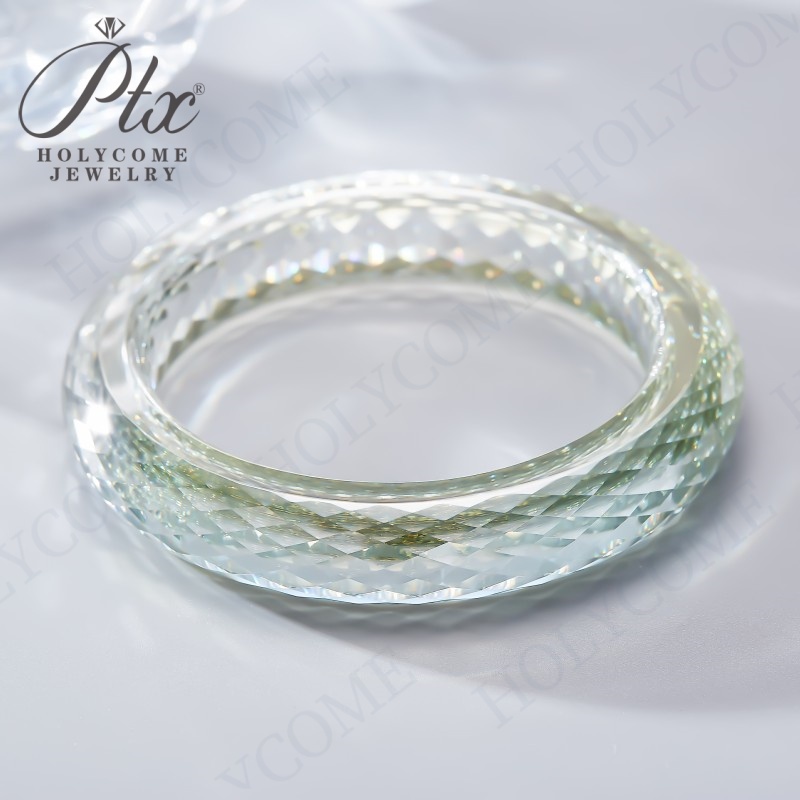
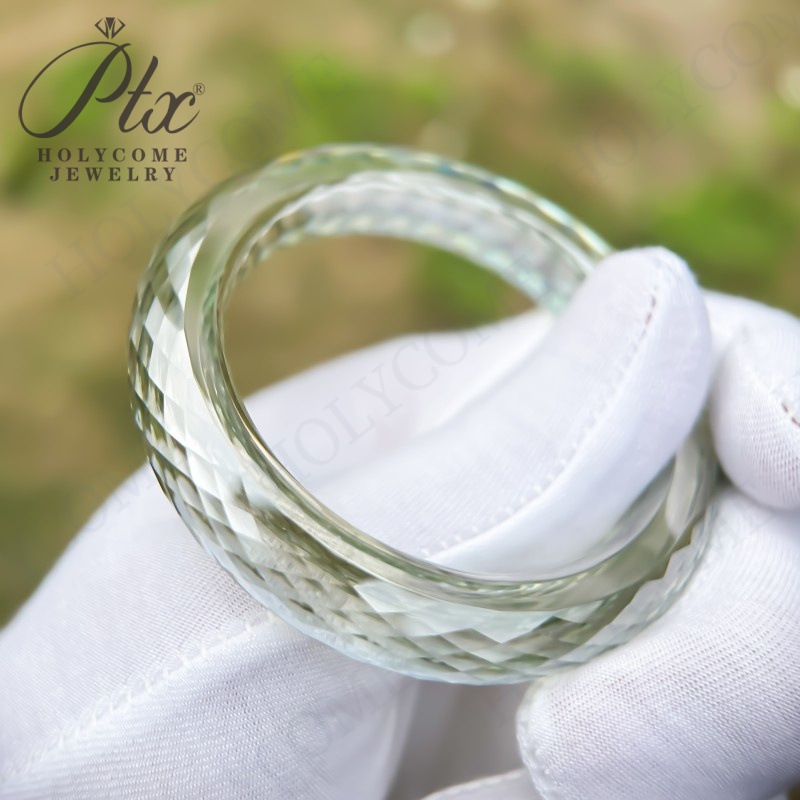
A bangle that measures 6.9 inch instead of 7.0 slides differently on the wrist. Oval versus round form changes the fit even at the same number.
The commercial effect is clasp replacement plus reship, typically USD 9-15 per piece. Buyers who have seen it once put it in the purchase order; buyers who have not usually discover it on the first return.
AQL, Tray Checks and What a QC Report Should Say
This is the question that separates a trading company from a factory, and on bracelets and Bangles the answer is usually shorter than buyers expect.
There is a version of this that looks cheaper on paper and costs more in practice: quoting the best case on bracelets and letting the buyer discover the spread. It works once. The second order goes to whichever supplier quoted honestly.
We would rather lose a first order of bracelets on price than explain a defect after it lands. That position is unusual in this category and it is the reason our reorder share is high.
How a Repeat Order Gets Built
Our process is deliberately boring, because boring is what survives a bulk run with several sets of hands on it. It is written into the bracelets and Bangles spec sheet that travels with the quote, so the bench and the buyer read the same number.
- Spec sheet signed before casting: tennis lines, tolerances, plating thickness and packing format.
- Sample in 3-5 working days from stock components, or about 20 days if a new model is required.
- Production photos at three checkpoints: raw cast, post-polish, post-set, with buyer approval at each.
- Bulk in 15-20 days under 500 pieces; custom tooling runs 25-30 days.
- Pre-shipment QC report with per-tray counts and a retained reference tray for disputes.
A first order at 50 pieces per design is a measurement rather than a purchase. It tells you what clasp torsion resistance and overall length within +/-3 mm looks like from this line. It is written into the bracelets and Bangles spec sheet that travels with the quote, so the bench and the buyer read the same number.
The Reject Tray Policy That Decides a Partnership
It is not a marketing point on bracelets and Bangles. It is the number that decides whether the second order happens.
We run this check per tray rather than per carton because the defect that matters on bracelets is the one that repeats. A single odd piece is noise; a pattern across one tray is a process problem and it will be in every tray made after it.
The report the buyer receives states the count per tray, the measured average and the outlier count for bracelets and Bangles. It is deliberately unglamorous, and it is the document that settles most disputes before they start.
MOQ, Mixed Designs and the Real First Order
Every year we see the same omission in bracelets and Bangles spec sheets, and every year it costs a buyer a season.
The buyers who get the most out of bracelets treat the first order as a measurement, not as a purchase. They buy a small run, measure the four numbers that matter, and then commit.
We support it directly on bracelets and Bangles: a 50-piece test run per design, the same gauge standard as a bulk order, and the same retained tray. Small does not have to mean loose.
What the Quote Actually Covers
On bracelets and Bangles, the difference between a 40-day order and a 90-day order is usually two signatures, not a factory delay.
In US wholesale terms, this is the difference between a landed cost the buyer can plan against and a number that moves after the container ships. For bracelets, we publish the figure per SKU and hold it for the order window rather than for the calendar year.
Practically, it shows up in three places for bracelets: the proforma, the QC sheet and the credit note if something goes wrong. All three should quote the same number. When they do not, the argument is about paperwork, not about the product.
What This Means for a First Order
A test run at 50 pieces tells you three things: whether clasp torsion failure is controlled, whether packing survives freight, and whether the count is honest. It is written into the bracelets and Bangles spec sheet that travels with the quote, so the bench and the buyer read the same number.
Buyers who run that measurement before committing a season usually keep the supplier. Buyers who skip it usually pay twice for the same lesson. It is written into the bracelets and Bangles spec sheet that travels with the quote, so the bench and the buyer read the same number.
Freight, Duty and the Arrival Check
We ship from Guangzhou or Shenzhen, and the port choice follows the carrier rate rather than a fixed habit. It is written into the bracelets and Bangles spec sheet that travels with the quote, so the bench and the buyer read the same number.
DDP is available for US accounts that want duty and clearance on our side, and it removes the invoice that arrives after the carton clears. It is written into the bracelets and Bangles spec sheet that travels with the quote, so the bench and the buyer read the same number.
On arrival, weigh a tray and measure ten pieces. Anything outside the band is a claim with evidence rather than a difference of opinion. It is written into the bracelets and Bangles spec sheet that travels with the quote, so the bench and the buyer read the same number.
Frequently Asked Questions
What is the minimum order for bracelets and Bangles?
50 pieces per bracelets and Bangle. Designs mix inside one shipment, so a first order of three designs at 50 pieces each is normal for a new US account. Below 50 we cannot keep the gauge check independent of the shift, which is the part buyers actually pay for on bracelets and Bangles.
How long does a reorder of the same bracelets and Bangle take?
12-15 days for bracelets and Bangles, because the model, the gauge set and the signed spec stay in our system. A first run is longer: 3-5 days for a stock-component sample, about 20 days if a new model is needed, then 15-20 days for bulk under 500 pieces.
Do you supply certificates for bracelets and Bangles?
metal and stone report per lot for bracelets and Bangles. Below that threshold we supply a batch report plus per-piece measurement of clasp torsion resistance, which is what most resellers need at the counter.
What finish do you use on bracelets and Bangles, and how thick is it?
Rhodium at 0.20 micron minimum on white bracelets and Bangles, with a palladium strike layer so wear-through reads white rather than yellow. Thickness is logged per lot and appears on the QC sheet, not only in the brochure.
How do you handle a rejected tray of bracelets and Bangles?
We replace or credit inside the same order cycle. The retained reference tray decides: if clasp torsion failure shows on our retained bracelets and Bangle we own it, and if it appeared in transit we split the assay cost and file with the carrier. A typical exposure on bracelets and Bangles is clasp replacement plus reship, typically USD 9-15 per piece.
Next Step
If you are quoting bracelets and Bangles against another supplier, send that quote. We will mark the four lines where the numbers diverge and let you decide. It is written into the bracelets and Bangles spec sheet that travels with the quote, so the bench and the buyer read the same number.
The factory behind bracelets and Bangles here is Wuzhou HengliLai Jewelry Co., Ltd., operating since 2009 in Wuzhou, Guangxi, at roughly 60,000 pieces a month. Reach the export desk at service@holycome.com or +86 18078079070 on WhatsApp.
Related reading: Jewelry Sets Bulk: Carton Cube, Duty and the Freight Line That Surprises Buyers - HOLYCOME Bulk Mix Lots Wholesale: The Sample Approval That Survives Production - HOLYCOME