Wholesale Bracelets & Bangles: Stone Grading & Color Consistency

Why Stone Grading and Color Consistency Matter in Wholesale Bracelets & Bangles
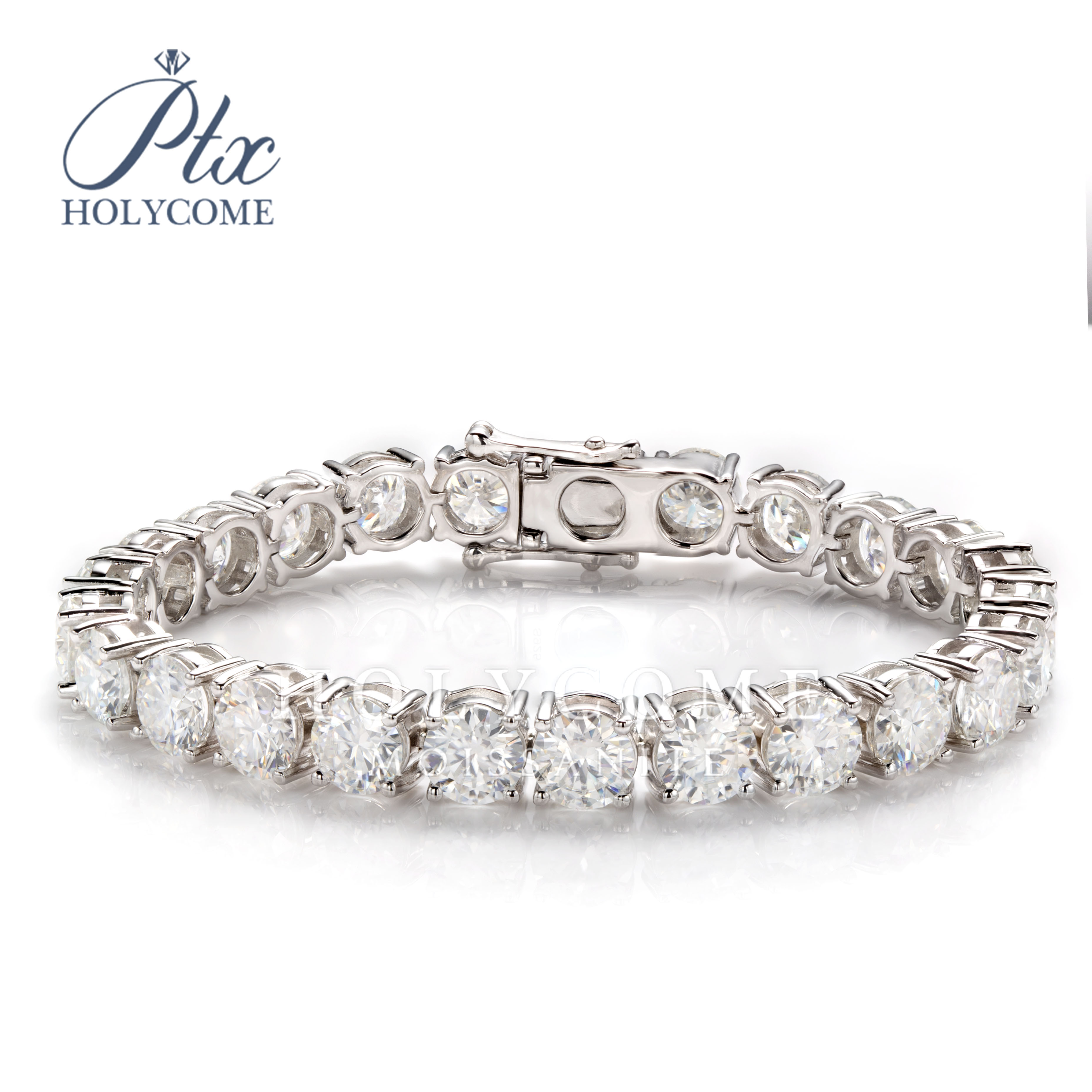
For wholesale buyers, Bracelets & Bangles present a grading challenge that single-stone categories avoid: multiple stones sit side by side along one piece, so even a slight color mismatch between adjacent stones becomes obvious on the wrist. When a bracelet holds ten or more stones, each one must match in color grade, clarity band, and cut proportion, or the finished line will look uneven on display and generate returns at retail.
This article covers the grading paperwork you should request, the color consistency checks that belong in your ordering process, and the production controls a supplier needs before you commit to a bulk run.
How Stones on Bracelets & Bangles Are Graded
Moissanite used in bracelets and bangles is a lab-created diamond alternative, and established manufacturers grade it with independent paperwork. Two report types dominate the market: GRA and IGI papers. GRA reports cover the general characteristics of the stone, while IGI reports follow a more formalized lab format with detailed grading fields. As a buyer, you should know which type accompanies your order and verify that the report numbers match the stones actually set in your finished pieces.
What a GRA or IGI Paper Should Tell You
A grading report typically lists carat weight, color grade, clarity grade, and cut details for each stone. On a multi-stone bracelet, request reports for the larger center stones and a summary spec sheet for the melee. Loose stones are sold by the carat, so the paperwork also protects you when calculating material cost: if a supplier quotes per carat, the stated weights on the reports must reconcile with the invoice totals.
Keep a copy of every report with the sample approval file so future reorders reference the same specification.
The Color Scale in Practical Terms
Color grades for moissanite generally range from colorless down to noticeable tint. For bracelets, where stones sit in a continuous row, staying within a narrow color band matters more than chasing the top grade. A run of stones all graded within the same band will read as uniform under store lighting, while a mix of adjacent grades creates a visible patchwork that customers notice immediately.
Specify a single color band in your purchase order rather than accepting whatever the factory has on hand that week.
Setting Up Color Consistency Before Production Starts
Color consistency on a bracelet starts before the first stone is set. The decisions you make at the sampling stage determine whether your bulk run matches the sample your retail buyers approved. Treat the sample as a binding specification, not just a design reference.
Locking the Specification During Sampling
Sampling takes 7 to 10 days, and this is when you should approve not just the design but the exact stone specification: color band, clarity band, cut style, and carat spread. Ask the supplier to note the stone spec on the sample approval sheet so the bulk order references it. If you skip this step, the factory may substitute stones from a different lot during bulk production, and the difference will surface only after your goods arrive in the US.
Single-Lot Sourcing for Multi-Stone Pieces
Stones from different production lots can vary slightly even within the same nominal grade. For bracelets and bangles, ask your supplier to set all stones in a single order from one graded lot. This is easier to enforce when the factory sorts loose stones by carat and grade before setting. Confirm in writing that the bulk run uses one lot, and request photos of the sorted stones before assembly begins.
Metal Choice Affects Perceived Stone Color
The metal you choose changes how stone color reads to the eye. Stones set in 925 sterling silver or 10K solid gold can appear slightly warmer than the same stones set in 14K or 18K solid gold with cooler finishing. Gold plated and gold vermeil options reflect light differently from solid gold, which shifts how the color grade reads in the showcase.
Name the metal accurately on your own product listings: 925 sterling silver, 10K/14K/18K solid gold, gold vermeil, or gold plated. Calling plated or vermeil pieces solid gold creates compliance risk with US retailers and marketplaces.
Comparing Stone and Metal Options for Your Bracelet Program
Most buyers build a bracelet program around two or three spec combinations rather than a long list of variants. The table below outlines common configurations and the grading focus for each.
| Configuration | Metal | Grading focus | Best use |
|---|---|---|---|
| Tennis bracelet | 925 sterling silver | Uniform color band across all stones | Volume retail lines |
| Station bracelet | 10K or 14K solid gold | Reports on each center stone | Mid-tier boutiques |
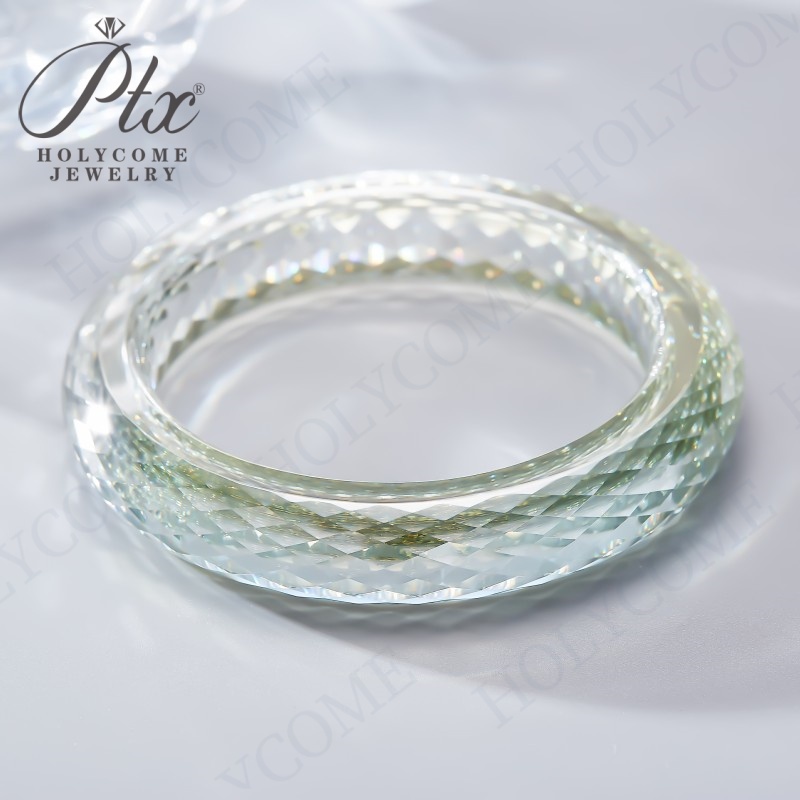
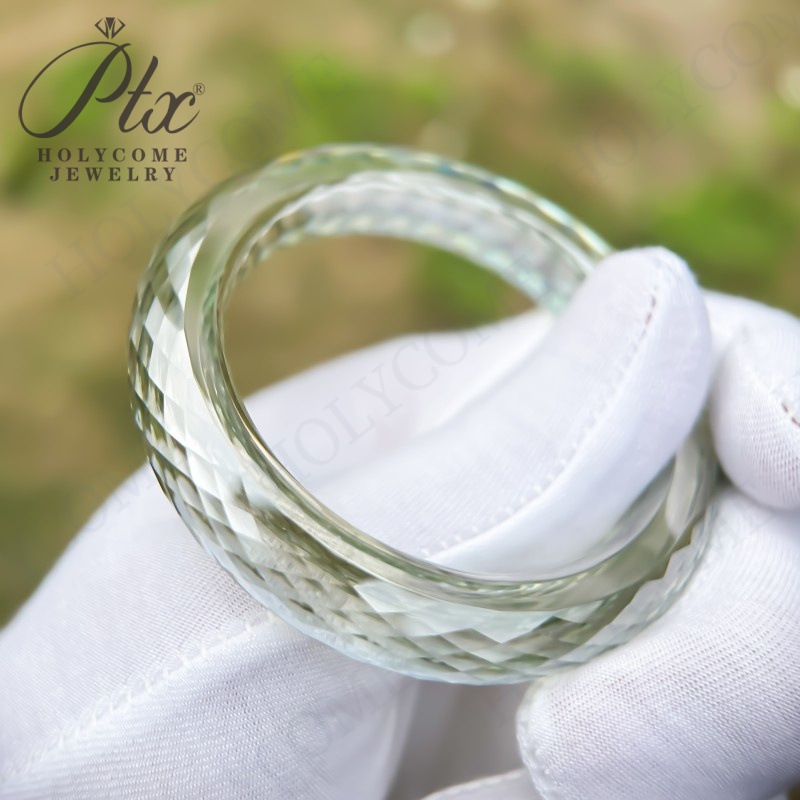
| Bangle with accents | 18K solid gold | IGI papers on key stones | Higher-end accounts |
| Vermeil chain bracelet | Gold vermeil | Color match on accent stones | Fashion-forward retail |
Whichever configuration you choose, keep the grading requirement consistent across the style so your retail customers can compare pieces within the same collection. Mixed standards within one collection confuse buyers and complicate your own marketing claims.
Quality Control Steps That Protect Color Consistency
A supplier's inspection process matters as much as its grading paperwork. Ask potential partners to describe their three-stage QC: incoming inspection of raw stones and metal components, in-process checks during setting and assembly, and a pre-ship AQL inspection on finished goods. Each stage catches a different type of inconsistency.
What Each QC Stage Catches
Incoming inspection should verify that loose stones match the approved lot and grading papers before anything is set. In-process checks flag color mismatches between adjacent stones while they can still be swapped cheaply. The pre-ship AQL inspection samples finished pieces against your approved spec, including metal stamping, stone security, and overall color uniformity under standardized lighting. Request the AQL inspection report with your shipment documents so you have a record if a retail account disputes consistency later.
Order Quantities and Consistency Trade-offs
Minimum order quantities are 1 piece for stock styles and 30 pieces for custom work, with loose stones sold by the carat. Stock styles let you test a design at low volume, but the stones come from whatever lot the factory currently holds, so consistency across separate small orders is harder to control.
Custom work at 30 pieces allows the factory to sort stones from a single lot for the entire run, which is the more reliable path when color uniformity across your inventory is a priority. Bulk production runs 15 to 25 days after sample approval, so plan reorder timing around that window.
Pricing, Payment, and Delivery for Bracelet Orders
Pricing for bracelets and bangles is quoted per piece, while loose stones are quoted per carat. Stone grade and metal choice drive most of the cost difference between configurations, so a clear grading spec lets you compare quotes from different suppliers on equal terms. A quote that omits the color band and report type is not comparable to one that states them.
Payment terms follow a standard structure: T/T with a 30 percent deposit and 70 percent balance before shipment, while sample orders can be paid through PayPal. For US delivery, DDP shipping takes 5 to 8 days, meaning duties and clearance are handled before the goods reach your door. Build the production and shipping timeline into your seasonal buying calendar so graded, color-matched stock arrives before your retail accounts place their sell-in orders.
Order Terms for Wholesale Buyers
MOQ is 1 piece for stock styles and 30 pieces for custom work, and loose stones are sold by the carat. Sampling takes 7 to 10 days, and bulk production runs 15 to 25 days after the sample is approved. Pricing is quoted per piece or per carat depending on the item. Payment is T/T with a 30% deposit and the 70% balance before shipment, and PayPal is accepted for sample orders.
Frequently Asked Questions
Do I need grading papers for every stone on a bracelet?
No. Request GRA or IGI papers for the larger stones and a batch spec sheet for the melee. Grading every small accent stone adds cost without adding much commercial value, as long as the melee comes from one sorted lot within a defined color band.
How do I keep color consistent across repeat orders?
File the sample approval sheet with the exact color band, clarity band, and lot reference, and attach it to every reorder. Consistency across production lots is harder than within one lot, so allow tolerance in your spec and review pre-ship photos before the balance payment.
Can I mix metals within one bracelet style?
Yes, and many programs do, but each metal variant needs its own sample approval because metal color changes how the stones read. Approve silver, gold plated, vermeil, and solid gold versions separately rather than assuming the silver sample covers all of them.
What happens if a retail account returns pieces for color mismatch?
The pre-ship AQL report and grading papers become your evidence base. Share them with the supplier to resolve the claim, and tighten the color band spec on the next order. Documenting the approved spec before production is the most effective way to prevent these disputes.
Is moissanite graded the same way as natural diamonds?
Moissanite is a lab-created diamond alternative with its own grading reports, and it should be described as such in all listings. GRA and IGI papers document carat weight, color, clarity, and cut for the stone, giving buyers a consistent reference across suppliers.
Build a Color-Consistent Bracelet Program
Stone grading and color consistency on Bracelets & Bangles come down to three habits: a written stone specification at the sample stage, single-lot sourcing confirmed in the purchase order, and a three-stage QC record attached to every shipment.
Browse the current catalog on our products page to see bracelet and bangle styles with their metal and stone options, read more sourcing guidance on the blog, or reach out through the contact page to request samples and a quote for your next program.
Sources: Grading references: GIA gem education and GIA laboratory information.