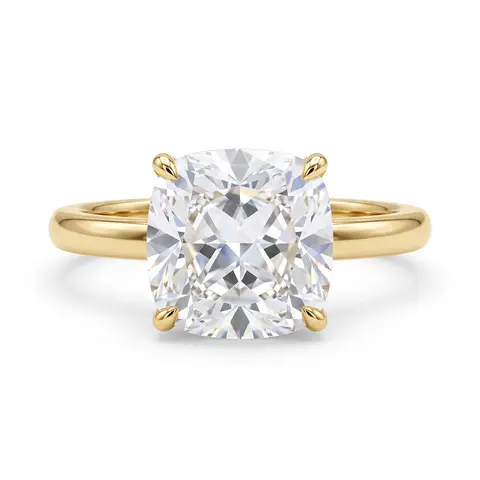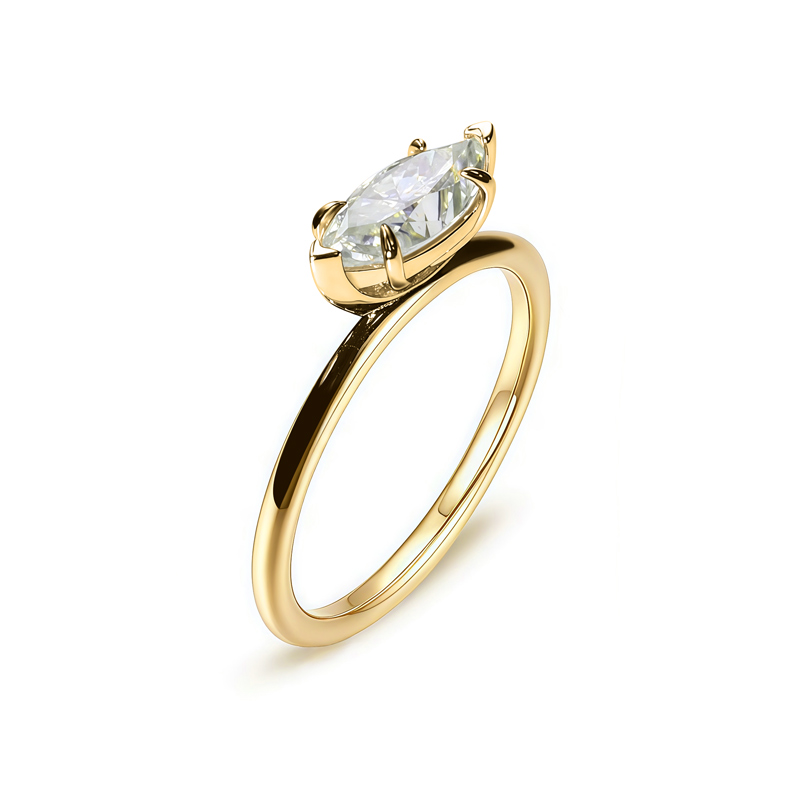
Understanding the Three‑Stage QC Process
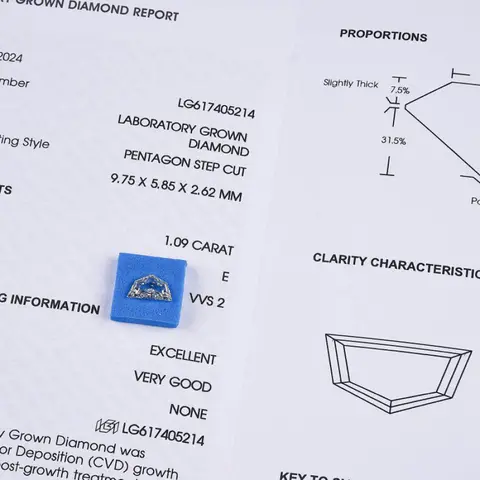
Every piece of jewelry that reaches our warehouse passes through three rigorous checkpoints. The first stage inspects raw stones, verifying color, clarity, and size against GRA or IGI standards. The second stage monitors work in progress, ensuring setting alignment, bead spacing, and band thickness match design specifications. Before shipment, a final AQL audit checks finishing polish, weight, and packaging integrity. This layered approach keeps reject rates below the industry average.
Because we own the setting and polishing lines, we can correct issues in real time. If a stone shows a flaw, we reshape the band or select a better stone immediately—no costly rework downstream. The result is a first‑pass yield that consistently outperforms typical trading partners by roughly 20%.
Impact of Rejection Rates on Pricing and Delivery
Low rejection rates mean fewer returns and lower handling costs. For our wholesale clients, this translates into stable pricing and reliable lead times. We achieve an average production window of 12‑18 days, with DDP delivery to the US taking 5‑8 days once the order is confirmed.
When upfront costs are considered, a lower reject rate also reduces the need for large first‑time deposits. We request a 30% T/T deposit for custom lines and fully accept PayPal for sample orders. The savings from fewer rejects are passed directly to our buyers.
Common Rejection Scenarios and Mitigation
| Stage | Typical Issue | Mitigation Strategy | Resulting Yield |
|---|---|---|---|
| Incoming Stone Check | Clarity mismatch | Reject and resupply | < 5% |
| In‑Process Check | Setting misalignment | Adjust on line | ~10% |
| Pre‑Ship AQL | Polish inconsistency | Re‑polish before packing | ~3% |
Minimum Order Quantities and Customization Flexibility
Our standard stock items are available in single‑piece minimums, making it easy for buyers to test market response without a large upfront inventory. For custom designs, we require a minimum of 30 pieces to cover setting and polishing overhead.
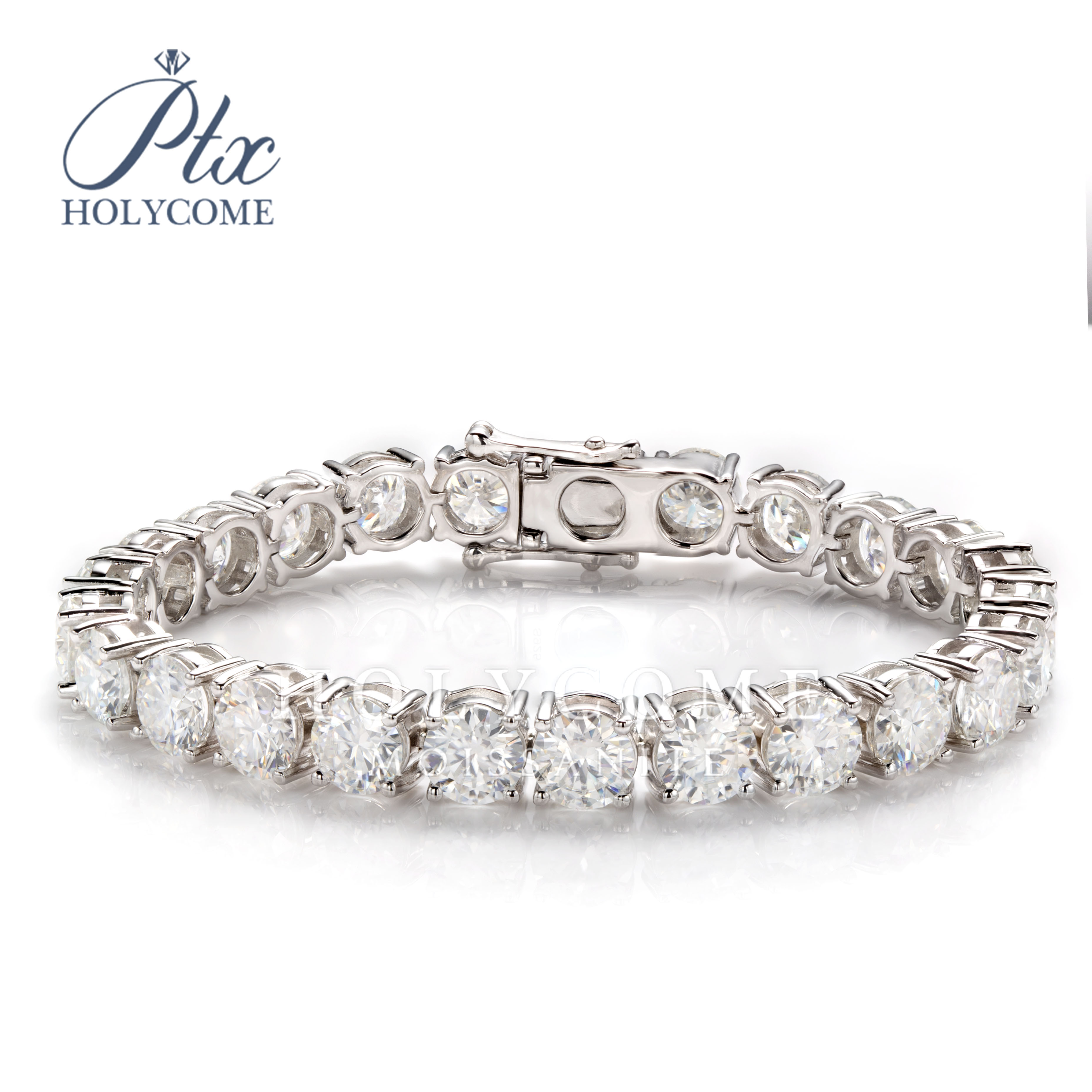
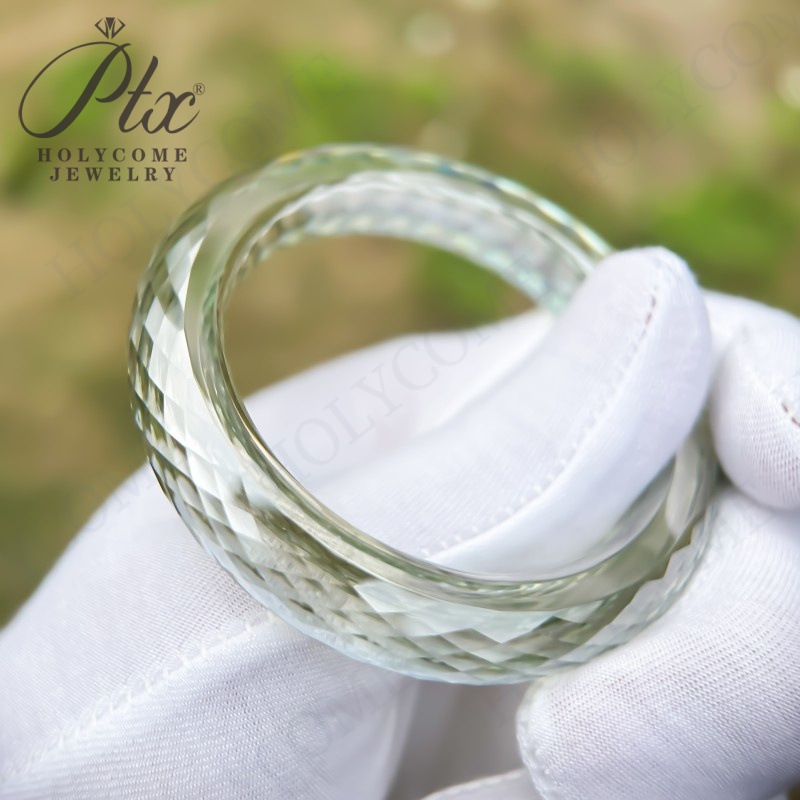
Both options come with GRA or IGI certificates for each stone, ensuring traceability and peace of mind. The flexibility of MOQ also allows retailers to experiment with trending styles—such as the latest “color bar” bracelets—without committing to bulk orders.
Benefits of Working with a Single‑Owner Production Facility
- Consistent quality control across all stages.
- Rapid turnaround for changes or rework.
- Transparent pricing based on actual cost, not markup.
- Direct communication with QC lead for real‑time updates.
- Reduced risk of supply chain disruption.
How We Communicate Throughout the Production Cycle
From the moment an order is placed, we keep buyers informed. Our QC lead provides daily status emails, including photos of the current batch and any flagging issues. For urgent inquiries, WhatsApp is open at +86 133 7744 7107, and email support is available at service@holycome.com.
Because we own the lines, we can adjust production schedules to accommodate rush orders. Lead times remain within the 12‑18 day window unless a custom design requires additional approvals, at which point we notify buyers immediately.
Frequently Asked Questions
What is the minimum order quantity for wholesale bracelets?
You can order a single piece for stock items or 30 pieces for custom orders. This allows you to test products without committing to bulk inventory.
How long does it take to receive a sample?
Samples are available within 3‑5 days after placement, with a 30% T/T deposit or PayPal payment. We ship samples via DDP to the US, ensuring quick delivery.
How are prices determined for large orders?
Prices are based on cost per unit, production lead time, and the volume of the order. Standard MOQ pricing is set at 1 piece for stock items, while custom orders start at 30 pieces.
Ready to elevate your jewelry line with high‑quality bracelets? Request a quote or sample today.