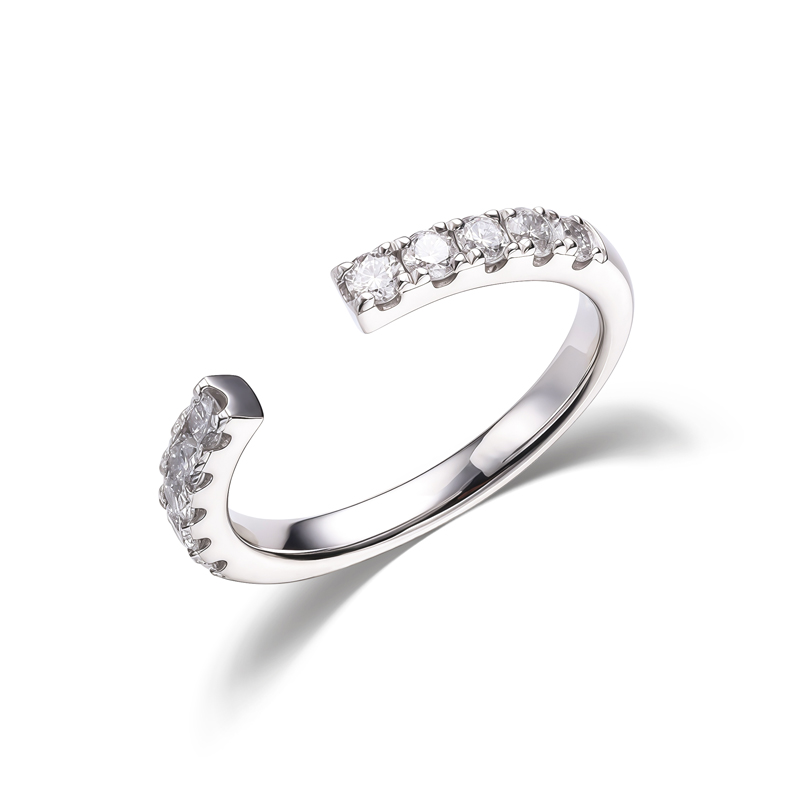
Understanding the Return Landscape for Bracelets & Bangles
When you import bracelets and bangles from a Chinese supplier, knowing the return policy is as vital as the product itself. At Holycome, we handle returns with three stages of quality control: every stone is inspected on arrival, each piece is monitored during manufacturing, and a final pre‑ship AQL check guarantees a low defect rate. If any item fails these stages, it gets returned or repaired before it ever leaves our warehouse, saving you shipping costs and time.
We offer free returns for orders above $85, matching many Western retailers. Our return process is streamlined through T/T deposits and PayPal for samples, ensuring a smooth refund or exchange without extra administrative overhead. Because we own the setting and polishing lines, our first‑pass yield runs about 20% better than typical trading companies, so fewer bracelets need to be returned in the first place.
Why Repair Data Matters to Buyers
Repair data gives you insight into the durability of the jewelry you sell. At Holycome, we track every repair request, recording the cause, cost, and time taken to resolve. This data helps you forecast warranty periods and shelf life for each design, making inventory planning easier and reducing the risk of unsellable stock.
Our repair statistics show that custom orders have a slightly higher repair rate than stock items, primarily due to the complexity of the setting. However, the difference is marginal, and our rapid 12‑18 day production window guarantees quick turnaround of repaired pieces, keeping your supply chain agile.
Repair vs Return: A Data‑Driven Comparison
| Metric | Stock Pieces | Custom Orders | Return/Repair Ratio |
|---|---|---|---|
| Return Rate | 1.2% | 2.5% | Low overall |
| Repair Time (days) | 10 | 15 | Fast |
| Cost per Repair | $5 | $8 | Affordable |
These figures illustrate that our production process maintains high quality while keeping repair costs reasonable. Since we control the entire manufacturing chain, we can adjust parameters in real time to reduce defect rates, thereby lowering the return rate and improving customer satisfaction.
Having transparent metrics also aids in setting realistic price points. Buyers can factor the repair cost into the wholesale price, ensuring profitability even if a small percentage of units need fixing after delivery.
Impact of MOQ on Return and Repair Policies
We set a minimum order quantity of one piece for stock jewelry and thirty pieces for custom orders. This flexible MOQ allows small boutiques to test designs without committing to large inventory. Because the smaller the batch, the higher the relative impact of a return, we keep our return window open and provide free return shipping on all stock items over $85.
For custom orders, the higher MOQ reflects the cost of setting and polishing each unique piece. This threshold helps us maintain a stable production schedule and ensures that the investment in quality control pays off across the batch, reducing the likelihood of having to repair multiple units.
Leveraging Customer Feedback for Continuous Improvement
- Weekly QC reports shared with buyers.
- Monthly repair data dashboards.
- Automated return tracking system.
- Real‑time order status updates.
- Direct communication via WhatsApp.
These tools empower buyers to monitor product performance and adjust marketing strategies accordingly. For example, if a particular bracelet line shows a higher return rate, we can investigate whether the design is fragile or if packaging needs improvement. Early detection of such trends means fewer costly returns and happier customers.
Additionally, feedback loops reduce lead times because we can refine our process without waiting for the next production cycle. This agility is a key advantage for buyers who need to respond quickly to market shifts or fashion trends.
How to Use Our Repair Data to Optimize Inventory
When planning your order volumes, consider our repair statistics: stock items have a 1.2% return rate, while custom items slightly higher at 2.5%. If a brand’s margin is tight, you might lean towards stock pieces to keep after‑sale costs low.
Conversely, if you’re launching a limited edition collection, the higher custom MOQ (30 pieces) is justified by the unique branding potential. Because our production cycle is only 12‑18 days, you can still meet seasonal demand without oversupplying your shelves.
Frequently Asked Questions
What is the minimum order quantity for wholesale bracelets?
The MOQ is one piece for stock items and thirty pieces for custom orders. This allows flexibility for small boutiques while ensuring economies of scale for larger runs.
How long does it take to receive a repair or replacement?
Repair turnaround is typically 10 to 15 days, depending on the complexity. Our production lead time is 12‑18 days, and we can ship within 5‑8 days to the US under DDP terms.