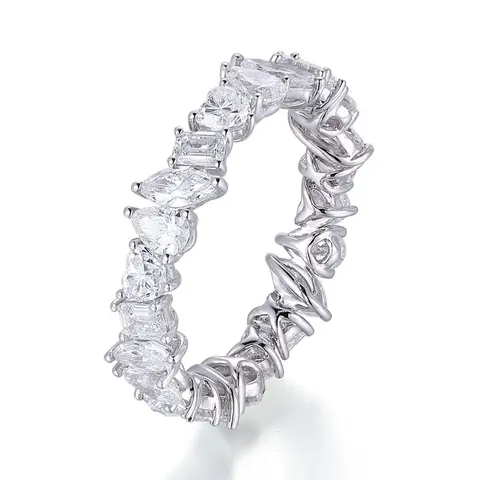
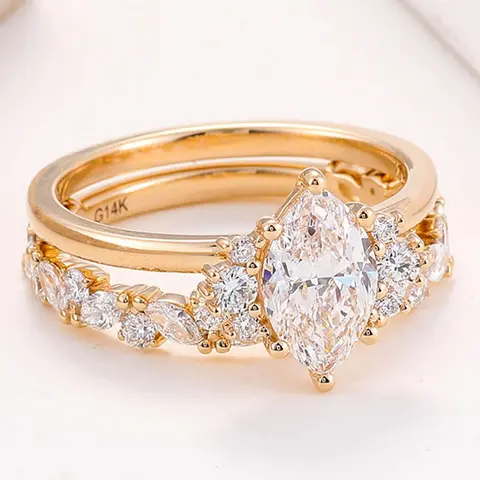
Wholesale Bulk Mix Lots: Stone Grading & Color Consistency

Why Stone Grading and Color Consistency Decide the Success of Bulk Mix Lots
Bulk Mix Lots are one of the most efficient ways for US wholesalers and jewelry brands to fill inventory quickly, but the buying decision hinges on two factors more than any others: how the stones are graded and how consistently the color matches across the lot. A mixed lot that arrives with uneven color tones or undocumented grading creates immediate problems at the retail level, where customers compare pieces side by side and return anything that looks off.
This article walks through the practical decisions a wholesale buyer faces when sourcing Bulk Mix Lots, from requesting grading paperwork to controlling color across mixed metal and mixed stone assortments.
At our factory, mixed lots are assembled from the same production lines that handle single-SKU bulk orders, which means the same grading and QC standards apply. Stones graded for mixed lots come with GRA or IGI papers, and every lot passes the same three-stage inspection process used for custom work. Understanding what to ask for before you commit to an order is the difference between a lot that sells through quickly and one that sits in your warehouse.
What Bulk Mix Lots Actually Contain
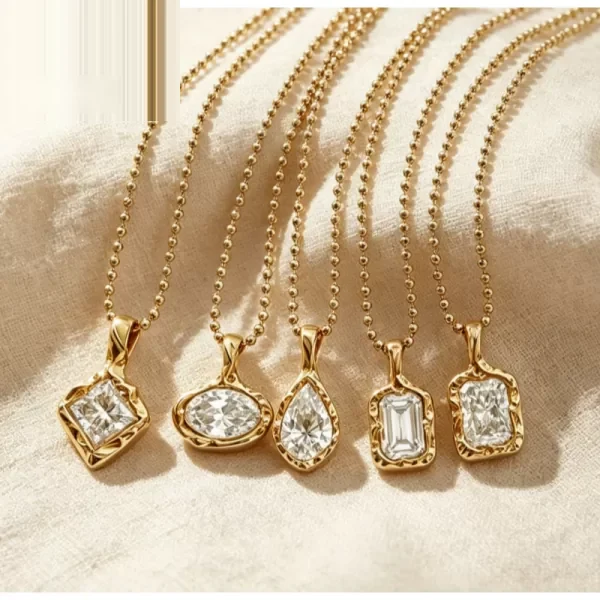
A bulk mix lot is a consolidated assortment of finished jewelry produced in one production run, typically combining multiple styles, settings, and stone sizes into a single order. For buyers, the appeal is straightforward: you can test a wide range of designs without committing to deep quantities of any single SKU, since stock styles carry a 1-piece minimum while fully custom work requires 30 pieces per design.
Loose stones are also available by the carat if you want to assemble your own assortments.
The trade-off is variability. Because a mixed lot pulls from multiple styles and stone batches, color and clarity can drift between pieces if the supplier does not actively control for it. This is why grading documentation and color consistency protocols matter more for mixed lots than for any other order type. A single-style order of several hundred pieces can be matched visually during production; a mixed lot spanning fifteen styles needs a written specification instead.
Stock Styles Versus Custom Work in Mixed Lots
Stock styles can be ordered at 1 piece, which makes them ideal for building a trial mixed lot. Custom work requires 30 pieces per design, so most buyers blend the two: a base of proven stock styles plus one or two custom designs at the 30-piece threshold. Pricing is quoted per piece for finished jewelry and per carat for loose stones, so request a line-item breakdown showing which styles in the lot carry which basis.
This keeps the color-grade specification tied to the correct stones in each line item.
Reading Grading Papers on Mixed Lots: GRA and IGI
Moissanite in our lots is graded with either GRA or IGI paperwork, and the two serve slightly different purposes for a wholesale buyer. GRA papers document the stone's specifications as produced, covering dimensions, color grade, and cut details. IGI papers provide an independent laboratory assessment, which many US retail buyers prefer because it carries broader recognition with their own customers.
When you request a quote for a mixed lot, ask which stones carry GRA papers and which carry IGI papers, and whether the paperwork is issued per stone or per batch. Per-stone paperwork costs more but lets you pass documentation through to your retail customers individually. Per-batch paperwork is more economical for lots you sell as sealed assortments. Neither option is wrong; the decision depends on whether your retail channel sells documented pieces or open stock.
Why Moissanite Grading Terminology Matters
Moissanite is a lab-created diamond alternative, and grading papers describe it in its own terms rather than as a natural diamond. When you write product listings for mixed lots, carry that language through: describe the stones as lab-created moissanite with their documented color grade. Mislabeling moissanite as a natural diamond exposes you and your retail customers to compliance risk in the US market, and reputable buyers treat the paper trail as part of the product itself.
Controlling Color Consistency Across a Mixed Lot
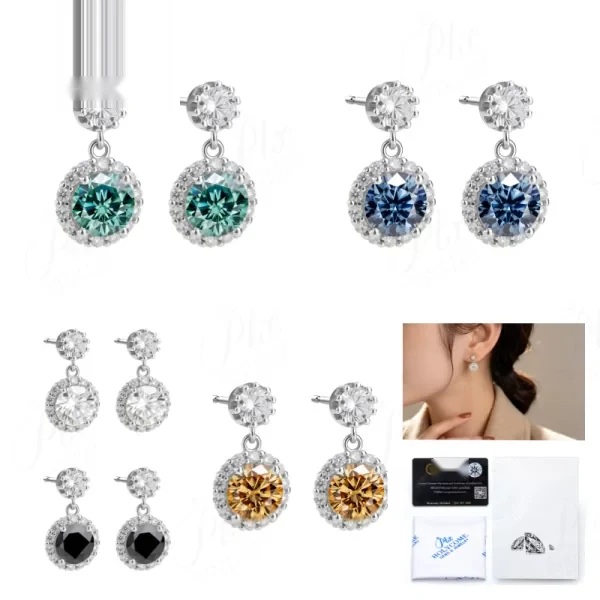
Color consistency in a mixed lot is a production decision, not an accident. Stones should be selected from matched color batches so that a white round in one style matches a white oval in another. Metal color adds a second layer: 925 sterling silver reflects cool tones, while 10K, 14K, and 18K solid gold carry warmer undertones, and gold vermeil or gold plated finishes shift the perceived stone color slightly in the opposite direction.
A buyer who specifies a single stone color grade across all pieces still needs to approve how that grade reads against each metal finish.
The practical step is to request a pre-production sample set covering each metal finish in your lot. Sampling takes 7 to 10 days, and reviewing the samples side by side under retail lighting lets you catch a mismatched color batch before bulk production begins. Once you approve the samples, bulk production runs 15 to 25 days, and the approved sample set becomes the color reference the factory works against.
Mixed Metals and Perceived Stone Color
The same color grade of moissanite can read differently on a sterling silver band than on an 18K solid gold setting, because the metal reflects light back through the stone. Buyers assembling mixed lots with both silver and gold components should review each combination separately rather than approving one master sample.
If your retail program demands a uniform look, consider restricting the lot to a single metal family or specifying matched stone color grades per metal group in the purchase order.
Quality Control and Shipping: What to Expect on a Mixed Lot Order
Mixed lots pass through a three-stage QC process: incoming inspection of raw materials and stones, in-process checks during setting and finishing, and a pre-ship AQL inspection on the packed lot. For a buyer, the relevant question is what the pre-ship AQL covers for color and grading. Ask whether stones are verified against their papers at the pre-ship stage and whether a color-match check across styles is part of the inspection sheet.
A supplier that documents all three stages can give you inspection records with the shipment.
Delivery to the US operates on DDP terms and takes 5 to 8 days after shipment, which means duties and clearance are handled before the lot reaches you. That matters for mixed lots in particular, because a consolidated assortment crossing the border as one commercial shipment avoids the per-style clearance complications you would face splitting the order.
Payment follows standard terms: T/T with a 30 percent deposit and 70 percent balance before shipment, with PayPal accepted for sample orders, so you can validate color and grading on physical samples before committing the balance.
Building the Color Specification Into Your Purchase Order
Put the color grade, the grading paper type (GRA or IGI), the metal composition for each component, and the sample approval date in writing on the purchase order. A mixed lot ordered on verbal agreement leaves both sides guessing when a stone batch changes mid-run. Written specifications also give the QC team an objective checklist at the pre-ship AQL stage, which reduces disputes and keeps reorder lots consistent with the original one.
A Quick Comparison for Planning Your First Mixed Lot Order
The table below summarizes the key variables a buyer controls when specifying grading and color on a first mixed lot order.
| Variable | Option | Impact on the Lot |
|---|---|---|
| Grading paper | GRA or IGI | Documentation level passed to retail buyers |
| Paper basis | Per stone or per batch | Cost versus individual documentation |
| Metal finish | Silver, vermeil, solid gold | Perceived stone color shifts |
| Order basis | Per piece or per carat | Pricing structure per line item |
Review these four variables with your supplier before sampling begins, and confirm each one appears on the final purchase order. Most color and grading disputes on mixed lots trace back to one of these variables being left undefined at the quoting stage.
Order Terms for Wholesale Buyers
MOQ is 1 piece for stock styles and 30 pieces for custom work, and loose stones are sold by the carat. Sampling takes 7 to 10 days, and bulk production runs 15 to 25 days after the sample is approved. Pricing is quoted per piece or per carat depending on the item. Payment is T/T with a 30% deposit and the 70% balance before shipment, and PayPal is accepted for sample orders.
Frequently Asked Questions
What is the minimum order for a Bulk Mix Lot?
Stock styles carry a 1-piece minimum, so you can build a trial mixed lot from stock designs without volume commitments. Custom designs require 30 pieces per style. Loose stones are sold by the carat if you prefer to assemble assortments yourself.
Do the stones in mixed lots come with grading papers?
Yes. Stones are graded with GRA or IGI papers, and you can specify which type you prefer when requesting a quote. Confirm whether the paperwork is issued per stone or per batch, since that affects both cost and how you present documentation to your retail customers.
How long does sampling and production take for a mixed lot?
Sampling takes 7 to 10 days, which is when you should verify color consistency across every metal finish in the lot. Bulk production runs 15 to 25 days after you approve the samples. DDP delivery to the US then takes 5 to 8 days.
How is color consistency verified before shipment?
Every lot passes a three-stage QC process: incoming inspection, in-process checks, and a pre-ship AQL inspection. Ask your supplier to include a cross-style color-match check and stone-to-paper verification in the pre-ship stage, and request the inspection records with your shipment.
What payment terms apply to a mixed lot order?
Standard terms are T/T with a 30 percent deposit and the 70 percent balance before shipment. PayPal is available for sample orders, so you can inspect physical samples for color and grading before releasing the balance on the bulk run.
Plan Your Next Bulk Mix Lot Order
Stone grading and color consistency are controllable variables, and the buyers who get consistent results are the ones who define both in writing before sampling begins. Start by browsing our current catalog of wholesale jewelry products and mixed lot inventory, then read our wholesale sourcing guides and buying insights for deeper detail on grading paperwork, metal specifications, and QC practices.
When you are ready to request a quote or a sample set, reach our team through the wholesale inquiry contact page and we will prepare a line-item breakdown for your lot.
Sources: Grading references: GIA gem education and GIA laboratory information.