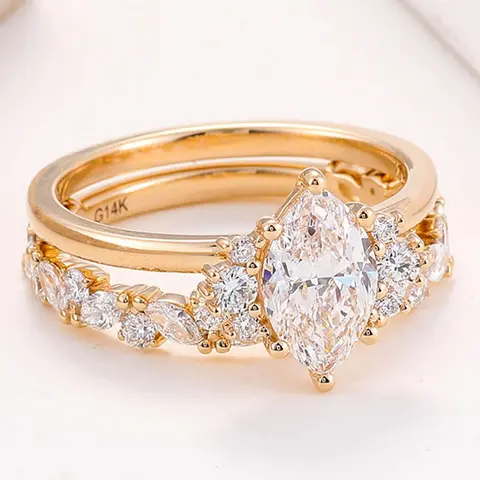
Bulk Mix Lots Wholesale: pricing basis
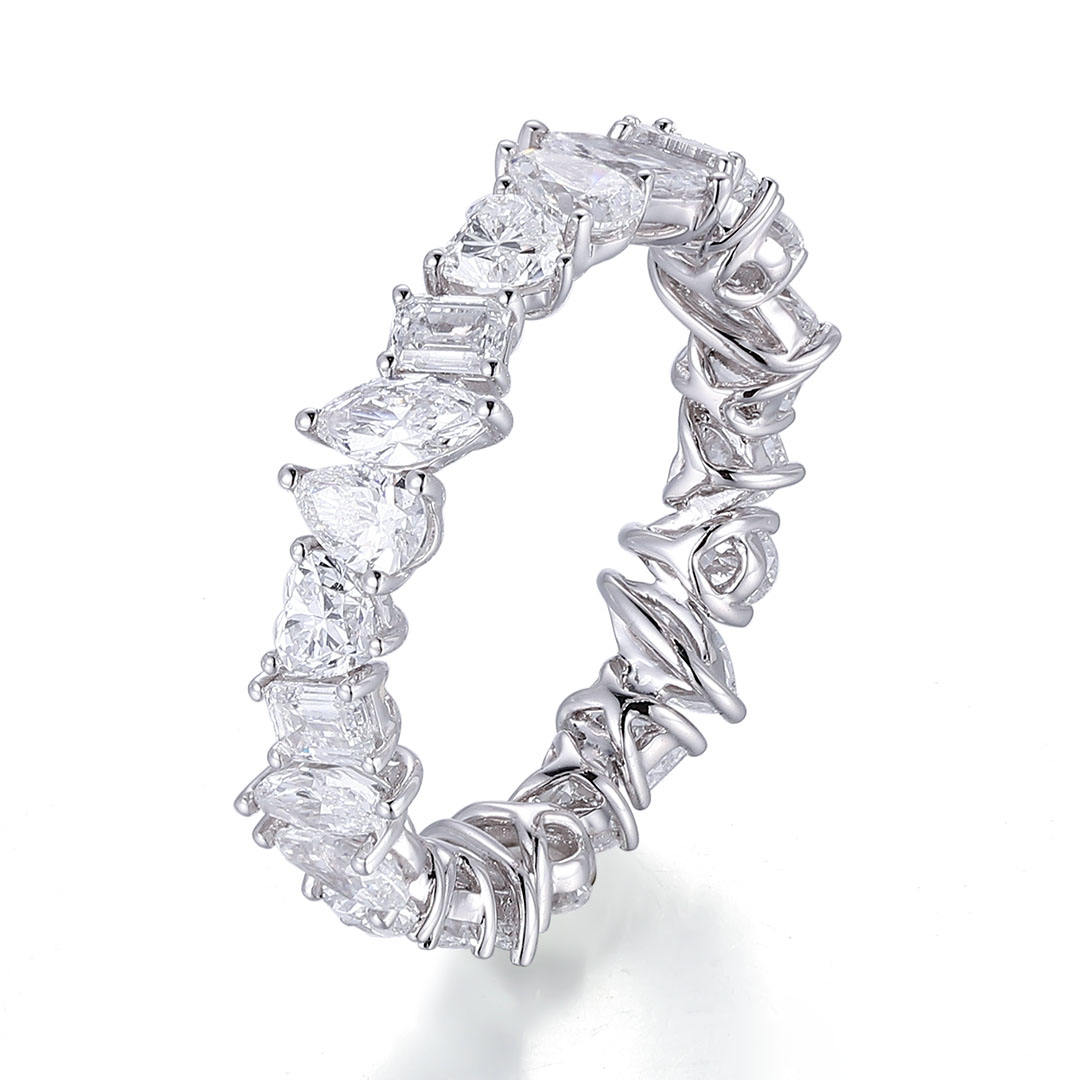
Buying Bulk Mix Lots sounds simple until the first quote arrives and every line item looks different. The truth is that mixed lots are priced on two separate bases: pieces are quoted per piece, and loose moissanite stones are quoted per carat. Once you understand which items fall into which column, a wholesale price list becomes a working tool rather than a puzzle.
This guide walks through how pricing basis works for mixed lots, what to expect from a wholesale price list, and how to plan an order that fits your budget and your timeline.
Why Pricing Basis Matters for Bulk Mix Lots
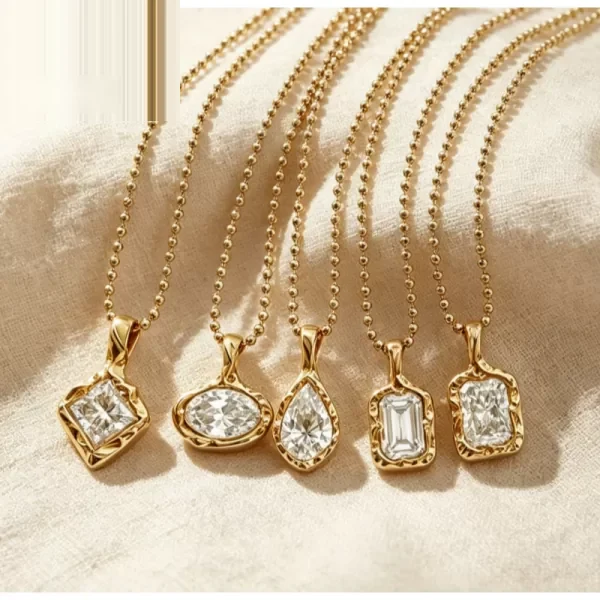
A bulk mix lot usually combines finished jewelry pieces, such as 925 sterling silver rings or gold vermeil pendants, with loose moissanite stones sold by the carat. Because the two categories cost out differently, a supplier cannot give one flat rate for the whole lot. Finished pieces are priced per piece, and loose stones are priced per carat, with the rate depending on carat weight and color grade.
This split matters for your margin planning. If your lot skews toward finished pieces, your unit costs are predictable and easy to compare across suppliers. If your lot includes high-carat loose stones, the per-carat rate drives most of the cost, and small differences in stone size mix can move your total significantly. Ask your supplier to break the quote into these two lines before you commit.
Per-Piece Pricing Explained
Per-piece pricing applies to stocked jewelry items in a mix lot. Stock styles carry a minimum order quantity of one piece, which means you can build a mixed lot from existing designs in very small increments. This flexibility is useful for testing new product categories without committing to large runs of a single design.
Custom work follows different rules. Any modification to a stock design, such as a custom setting or a branded finish, carries a minimum of 30 pieces per style. If your mix lot needs even one custom item, budget for that 30-piece threshold on that line item alone.
Per-Carat Pricing Explained
Loose moissanite stones in a mix lot are sold by the carat. The per-carat rate reflects stone size: larger stones cost more per carat than smaller ones. When your lot includes a range of sizes, the supplier should list each size band separately so you can see exactly what you are paying for.
Graded stones come with GRA or IGI papers, and certification can affect the per-carat rate. If your customers expect paperwork with each stone, confirm that graded stones are included in the lot quote rather than assuming the price covers certification.
Reading a Wholesale Price List for Mixed Inventory
A well-organized wholesale price list for Bulk Mix Lots separates finished pieces from loose stones and shows the pricing basis for each line. Before requesting a quote, review a sample list so you know what questions to ask. The table below shows a typical structure.
| Item Type | Pricing Basis | Metal | Notes |
|---|---|---|---|
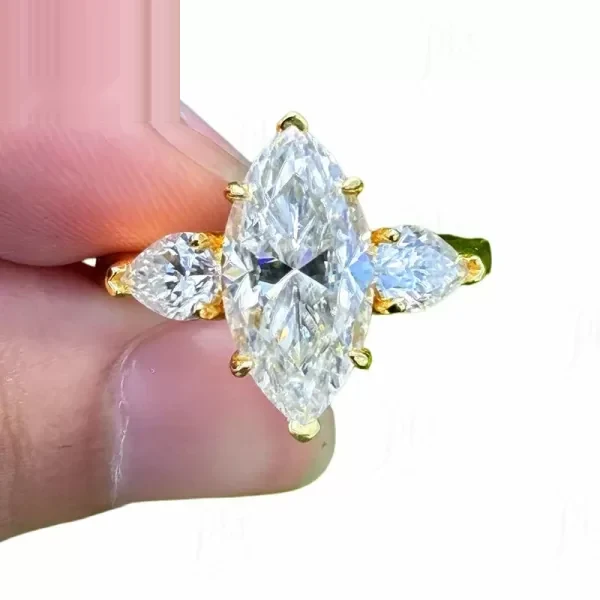
| Moissanite rings | Per piece | 925 sterling silver | Stock styles, MOQ 1 |
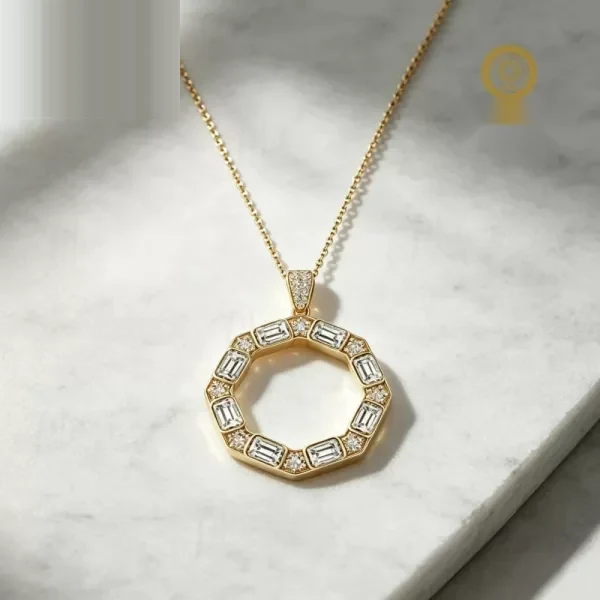
| Moissanite pendants | Per piece | Gold vermeil | Stock styles, MOQ 1 |
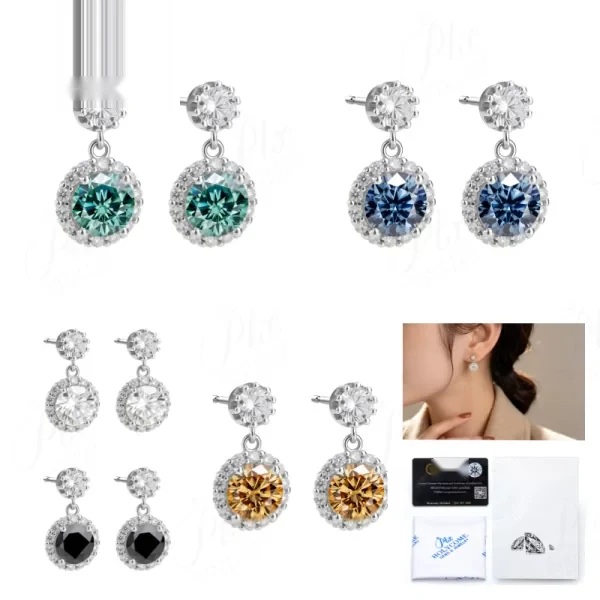
| Moissanite studs | Per piece | 14K solid gold | Stock styles, MOQ 1 |
| Loose stones, small | Per carat | N/A | GRA or IGI papers |
| Custom designs | Per piece | 10K or 18K solid gold | MOQ 30 pieces |
Use this structure as a checklist when comparing suppliers. If a quote lists a single blended price for a whole lot, ask for the itemized version. Itemized pricing lets you swap low-margin items for better performers and reorder only what sells.
Metal Types and How They Affect the Price
Metal content is one of the largest cost drivers in any mixed lot. 925 sterling silver pieces sit at the entry level, gold vermeil adds a thick gold layer over silver, and gold plated items offer the lowest metal cost. Solid gold in 10K, 14K, or 18K commands the highest per-piece rates.
Name the metal precisely when you place your order. Calling a gold plated item solid gold in your own listings creates compliance risk with your customers and marketplaces. A reputable supplier will label every line item with its true metal composition, and your price list should match.
Stone Grades and Certification Costs
Moissanite is a lab-created diamond alternative, and it should be described that way in all your product copy. Within a mix lot, stones vary by carat weight and by whether they carry GRA or IGI certification. Certified graded stones cost more per carat than uncertified stones of the same size.
Decide early whether your market requires paperwork. Many US retailers sell smaller accent stones without papers and reserve GRA or IGI certification for center stones above a certain size. Splitting your lot this way controls cost while keeping documentation where it adds selling value.
Order Quantities and Minimums for Mixed Lots
Minimums for Bulk Mix Lots are refreshingly low for stocked designs. Each stock style carries a minimum order quantity of one piece, so you can assemble a diverse lot from dozens of different designs without hitting volume thresholds. Loose stones are bought by the carat, so you can order small parcels to start.
Custom items are the exception. Any customized design requires 30 pieces per style, which is worth remembering if you plan to mix stock and custom pieces in the same shipment. Many buyers build their first lot entirely from stock styles, validate sales, then move their proven designs into 30-piece custom runs.
Sampling Before You Commit
Sampling takes 7 to 10 days and is the recommended step before any bulk lot order. Order samples of the exact pieces you plan to include, inspect the metal finish, stone setting quality, and overall weight, and compare against your target retail price points. PayPal payment is accepted for sample orders, which keeps the sampling transaction simple.
Use the sampling phase to confirm that the itemized quote matches the physical product. If a listed 925 sterling silver piece arrives with a different finish or weight than expected, resolve it before moving to bulk.
Bulk Production Timelines
After sample approval, bulk production takes 15 to 25 days. Plan your inventory calendar around this window, especially if you are ordering ahead of peak retail seasons. Add delivery time on top: DDP shipping to the US takes 5 to 8 days, and duties are handled so your shipment arrives ready to sell.
Payment Terms for Bulk Mix Lot Orders
Standard payment terms are T/T with a 30 percent deposit and the 70 percent balance due before shipment. This structure applies to bulk orders. Sample orders can be paid through PayPal, which lowers the barrier to testing a supplier before larger commitments.
Budget for the deposit and balance as separate cash events. If your lot combines stock pieces and a 30-piece custom run, the deposit covers the full production start, and the balance clears before the goods ship. Confirm the balance deadline when you approve the production sample so cash flow is never a surprise.
Quality Control Across a Mixed Lot
Mixed inventory carries more QC risk than single-style orders because many different designs move through production at once. A three-stage QC process addresses this: incoming material inspection, in-process checks during production, and a pre-ship AQL inspection before the lot leaves the factory.
Ask which AQL level applies to your pre-ship inspection and request the inspection report with your shipping documents. For lots containing loose stones, confirm that GRA or IGI papers are matched to the correct stones at the pre-ship stage. If a defect is found at AQL, you can negotiate a repair, replacement, or adjustment before the balance payment releases.
Checking Stones Against Papers
Graded stones should ship with their GRA or IGI papers matching carat weight and stone identification. Spot-check a sample of parcels against their papers on arrival. Building this verification into your receiving process protects you when reselling certified stones to your own customers.
Verifying Metal Claims
Verify that sterling silver items are stamped 925 and that solid gold items match the karat grade on your price list. Gold vermeil and gold plated pieces should be labeled accurately on your own product pages. Consistent, honest metal labeling reduces returns and builds repeat business.
Building a Reorder Strategy Around Your Price List
Your first Bulk Mix Lot order is really a data-gathering exercise. Track sell-through by item type, metal, and stone size for 60 to 90 days, then build your reorder from the wholesale price list lines that performed. Because stock styles carry a one-piece minimum, replenishing winners and dropping losers requires no negotiation and no stuck inventory.
Over time, your best-selling designs can move into custom production at 30 pieces per style, which is where per-piece pricing typically improves. Keep your itemized price list updated with each order cycle so your landed cost per piece stays current, and confirm production and DDP delivery windows with every reorder since the 15 to 25 day production range and 5 to 8 day delivery range can shift with season.
Order Terms for Wholesale Buyers
MOQ is 1 piece for stock styles and 30 pieces for custom work, and loose stones are sold by the carat. Sampling takes 7 to 10 days, and bulk production runs 15 to 25 days after the sample is approved. Pricing is quoted per piece or per carat depending on the item. Payment is T/T with a 30% deposit and the 70% balance before shipment, and PayPal is accepted for sample orders.
Frequently Asked Questions
How is a bulk mix lot quoted when it contains both jewelry and loose stones?
Finished pieces are quoted per piece, and loose moissanite stones are quoted per carat. Ask your supplier for an itemized quote with these two categories separated so you can compare costs accurately and adjust the lot composition before ordering.
What is the minimum order for items in a mix lot?
Stock styles have a minimum order quantity of one piece, so you can mix many designs in small quantities. Custom work requires 30 pieces per style, and loose stones are sold by the carat with no piece minimum.
Do the loose stones come with certification?
Graded stones are supplied with GRA or IGI papers. Confirm with your supplier whether certification is included in the per-carat rate for your specific lot, and verify papers against stones when the shipment arrives.
How long does a mixed lot order take from payment to delivery?
Sampling takes 7 to 10 days. After sample approval, bulk production takes 15 to 25 days, and DDP delivery to the US takes 5 to 8 days after the 70 percent balance is paid.
What payment methods are accepted?
Bulk orders use T/T with a 30 percent deposit and 70 percent balance before shipment. Sample orders can be paid through PayPal, which simplifies the initial testing process.
Ready to Price Your First Mixed Lot?
Understanding pricing basis is the first step; seeing real numbers is the second. Browse the current catalog of stock styles and loose stones on our product catalog page, then read more sourcing guides on our wholesale jewelry blog to sharpen your buying strategy. When you are ready for an itemized wholesale price list tailored to your lot, reach out through our contact page and our team will respond with per-piece and per-carat quotes for your exact mix.
Sources: Grading references: GIA gem education and GIA laboratory information.