A pair of budget earrings that costs fifty cents wholesale can sell for $5 in a good package and for $1 in a bag. The jewelry itself barely changes. The packaging does the other eighty percent of the selling. For resellers who want to lift margins without raising wholesale cost, earring packaging is the fastest, cheapest upgrade available. Here is how it works.

Why Packaging Moves Earrings
Earrings are small and easy to lose. Without packaging, they get tangled, scratched, and mixed into piles where no one can see them. A well-designed earring card solves three problems at once: it holds the pair together, it shows the design clearly, and it gives the product a finished, gift-ready feel. The customer is not just buying studs; they are buying something that already looks like a present.
Earring Cards: The Baseline Upgrade
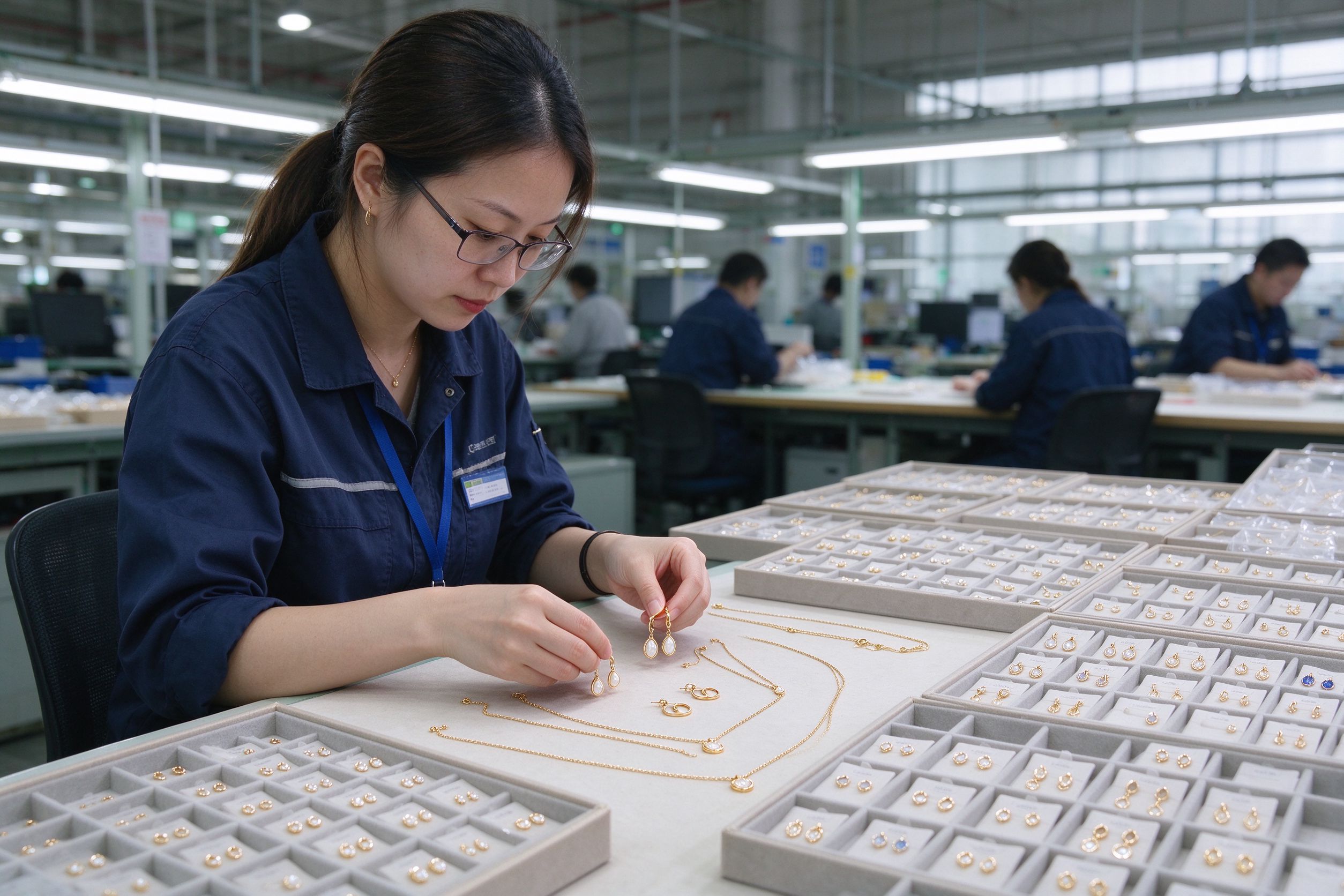
The standard earring card is a small cardboard rectangle with two holes. You poke the posts through, secure the backs behind, and the pair stands upright on a rack or in a tray. Use thick cardstock, not flimsy paper that bends. Choose a neutral color like kraft white or black so the earrings stay the hero. You can print your logo on the card, which turns every sale into a tiny brand impression. This is the simplest private-label step there is.
Backing That Protects the Sale
Behind the card, a small sticky pad or a simple backing keeps the earrings from sliding out on the rack. For studs, a sealed plastic flap over the card protects the finish from fingerprints. For higher-priced pairs, a small clear pouch over the card adds a premium feel. These details cost pennies but noticeably reduce returns from damaged stock.
Counter Racks and Spinners
Earring displays near the checkout are impulse-buy engines. A rotating spinner rack with sixty to one hundred earring slots converts wait-time into sales. Group the rack by finish: gold section, silver section, rose gold section. Within each, arrange studs at the top, hoops in the middle, drops at the bottom. Customers browse while they wait, and a $4 pair slides onto the counter almost by habit.
Hanging Cards vs Trays
There are two display philosophies. Hanging cards on hooks or spinners maximize the number of styles you can show in a small space, and they work beautifully for low-priced, fast-turnover earrings. Trays with velvet inserts work better for elevated pieces where customers want to pick up and compare. Use hanging cards for your budget range and a tray for your premium range.
The Gift Box Add-On
For an extra cost of twenty to forty cents, a small kraft or velvet box turns a $5 earring into a $12 gift. Train your staff to offer it: "Would you like a gift box for two dollars?" A large share of customers say yes, especially before holidays. This single upsell can raise your earring margin by fifty percent. We cover packaging strategy more broadly in our gift-ready packaging guide.
Online: The Unboxing Matters
Online, packaging is your only physical touchpoint. Ship earrings in a rigid box, not a padded envelope that crushes them. Add a small thank-you card. Take product photos on the same earring card you ship in, so what arrives matches what was shown. Buyers post unboxing photos; beautiful packaging earns social shares. Read more in our photography and display guide.
Labeling That Builds Trust
On the card, add one line of useful information: material ("nickel-free"), color, or style name. For customers with sensitive ears, the words "nickel-free" on the card itself can be the difference between a sale and a pass. It signals that you understand the concern. This aligns with what we cover in our hypoallergenic earrings guide.
Keep It Stocked and Full
An earring rack with empty hooks looks abandoned. Audit your display weekly, refill sold-out styles, and rotate the cards so the rack looks fresh. Move bestsellers to eye level. Slow sellers go lower or to a clearance tray. Treat the display like a shelf you curate, not a box you dump stock into.
Cost Math That Proves It
Suppose a pair costs you $0.50. A card costs $0.10, a box costs $0.30. Your landed cost is $0.90. Retail the boxed pair at $12. That is a healthy margin on a product customers perceive as premium. Sell the same pair loose for $2 and your margin looks thin. The packaging is the difference between a commodity and a product.
Conclusion
Earring packaging is not a cost, it is a margin lever. A branded card, a secure back, a checkout spinner and a gift box option transform budget earrings into a gift-ready line. Start with cards on your next order, add a spinner rack, and watch attach rates climb. Our budget earrings range ships in mix orders that fill a display fast; ask us about carding and packaging options when you request a quote.
The Psychology of the Card
An earring card does more than hold the pair; it frames the product. A customer comparing two identical pairs will choose the one on a clean, well-designed card over the loose one, because the card signals care. This is why even a plain card with a small logo outperforms a plastic bag. The card also becomes a tiny brand advertisement every time the customer stores the earrings. You do not need expensive printing; a clean layout and thick cardstock do most of the work.
Reducing Returns With Packaging
A surprising number of earring returns come from damage in transit, not defects. A pair loose in a padded envelope scratches, tangles and bends. Carded pairs in a rigid box arrive intact. The small extra packaging cost saves far more in avoided returns and bad reviews. Online sellers especially should ship earrings in a stiff box, not a bubble mailer. Combine this with honest photos, as described in product photography, and your return rate drops.
Branding the Card on a Budget
You do not need expensive printing to brand an earring card. A clean logo in one corner, a consistent color, and a clear font do more than a busy design. Keep the card uncluttered so the earrings stay the hero. Over time, customers start recognizing your card on their jewelry shelf, which is free repeat marketing. Small boutiques especially benefit from this, because the card travels home with every sale and becomes a tiny advertisement. We discuss building a brand on a budget in building a jewelry brand.