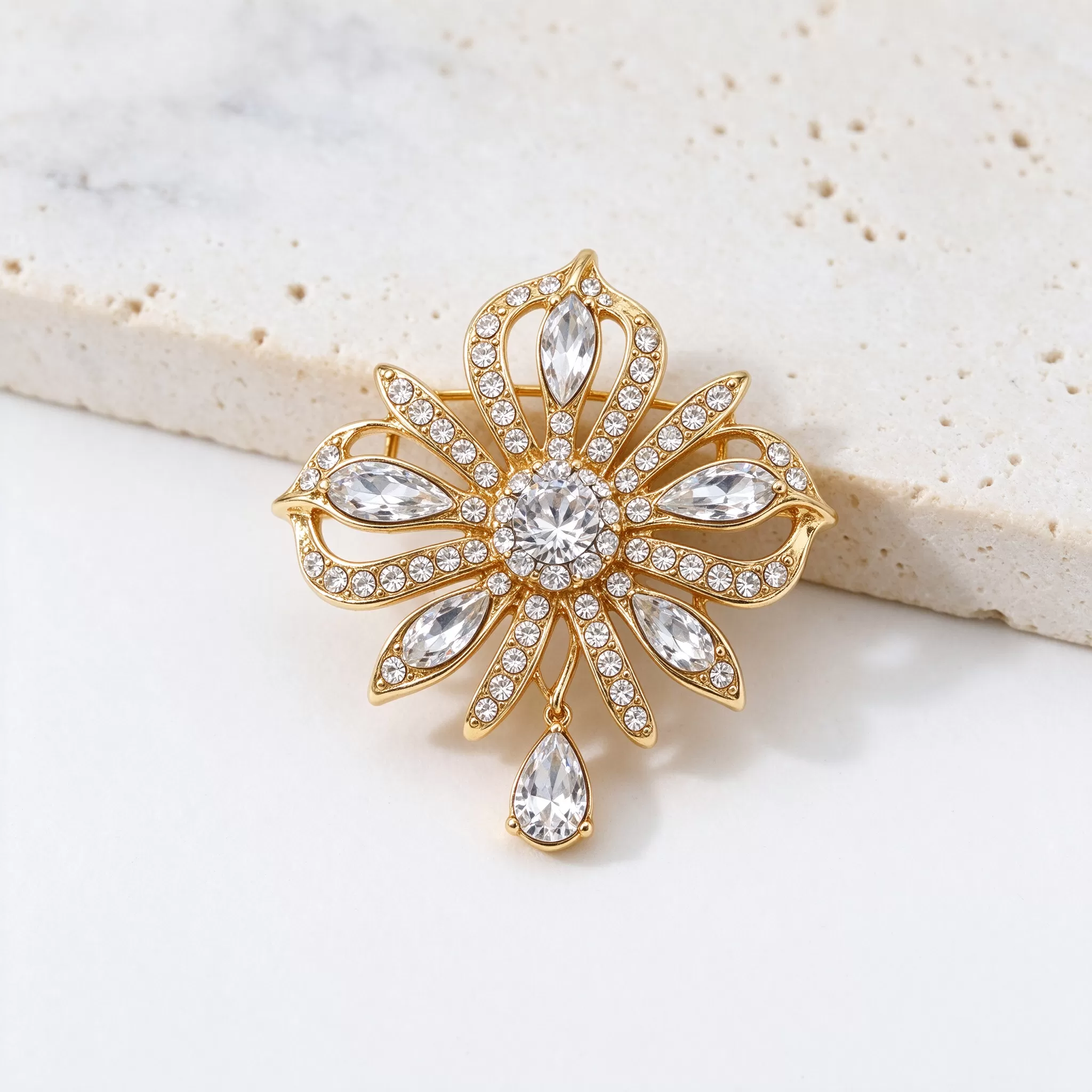
Enamel brooches are the most colorful corner of the pin category. Clean lines, bold color and a modern graphic look have made them a favorite of boutique buyers, corporate gift managers and social-media sellers. But enamel is also where quality varies most wildly between factories. A well-made enamel pin feels solid and glossy; a bad one shows bubbles, overflow and uneven color within months. This guide explains what to ask for, how to compare factories, and which enamel styles are worth your open-to-buy in 2026.
If you have only ever bought plated metal pins, enamel feels like a different product. The color is the product. When the color is right, the pin looks intentional and fun. When it is off, the whole piece looks cheap. Because enamel is color-driven, the conversations you have with the factory are about color references and process control, not just price. The buyers who get this right build a pin line that customers collect.

Soft enamel vs hard enamel: know what you are paying for
Factories use two enamel processes, and the price and feel are different. As a buyer you should know which one you are quoting, because a supplier who quotes hard-enamel pricing for soft-enamel output is a common way buyers get disappointed. Asking which process you are buying is the single fastest way to separate an honest factory from a reseller.
Soft enamel (raised metal, recessed color)
The color is applied in recessed channels and left slightly below the metal lines. It has a textured, dimensional feel and is the more affordable option. It suits graphic, illustrated and slogan pins. Most fashion enamel brooches sold at wholesale are soft enamel. Soft enamel also wears better on a pin that gets pinned and unpinned, because the color sits below the metal edge and is less likely to scratch.
Hard enamel (smooth, level surface)
The color is fired and polished level with the metal, producing a smooth, glossy, jewelry-like surface. It costs more and feels more premium. It suits fine lines and monogram pieces where a flat, clean finish matters. Hard enamel is the right choice for a hero gift piece, but overkill for a cheap impulse pin.
For a reseller mixing price points, start with soft enamel for the entry and mid tiers, and add a few hard-enamel hero pieces for the gift and premium tier. Ask the factory to label samples clearly so you know which process you are approving. A reputable factory will not mind; a vague answer is a warning sign.
Color consistency across the batch
The biggest enamel complaint is not defects but color drift. Two pins from the same order can arrive in slightly different blues, which looks terrible when they are displayed side by side. When you place a repeat order, send the factory a physical sample or a Pantone reference for each color and ask them to match it. On the pre-production sample, compare the colors under both natural daylight and indoor light; a shade that looks fine under one bulb can look wrong under another.
- Request Pantone color references for each fill on repeat orders.
- Approve the sample in daylight, not just under workshop lighting.
- Ask for a color tolerance, typically plus or minus a small delta.
- Reject batches where adjacent displayed pins do not match.
- Keep an approved sample pin for every reorder.
The enamel styles that sell in 2026
Enamel pins skew graphic and youthful, and the following shapes consistently move for resellers. They share one trait: they read clearly at small size, which matters because most enamel pins are under five centimeters.
Slogan and letter pins
Short words, initials and small phrases on a bar or rounded rectangle. These are the easiest pieces to private label and they sell as impulse buys on jackets and tote bags. Keep slogans short; three to five characters reads best at pin size, and longer text turns fuzzy in metal.
Food, plant and cute-object pins
Coffee cups, flowers, cats, fruit and small everyday objects. These have a long, steady tail on Etsy and gift shops because they feel personal. Buyers collect them, which means repeat orders as you add new designs.
Geometric and retro-modern bars
Two-tone enamel bars and arcs in muted colors. These suit the minimalist customer and pair with tailoring. They are also the most gender-neutral style, which widens your addressable market.
Floral and nature motifs
Enamel petals and leaves remain the perennial bestseller, especially in spring and autumn colorways. Floral enamel is the bridge between the modern graphic customer and the traditional brooch buyer.
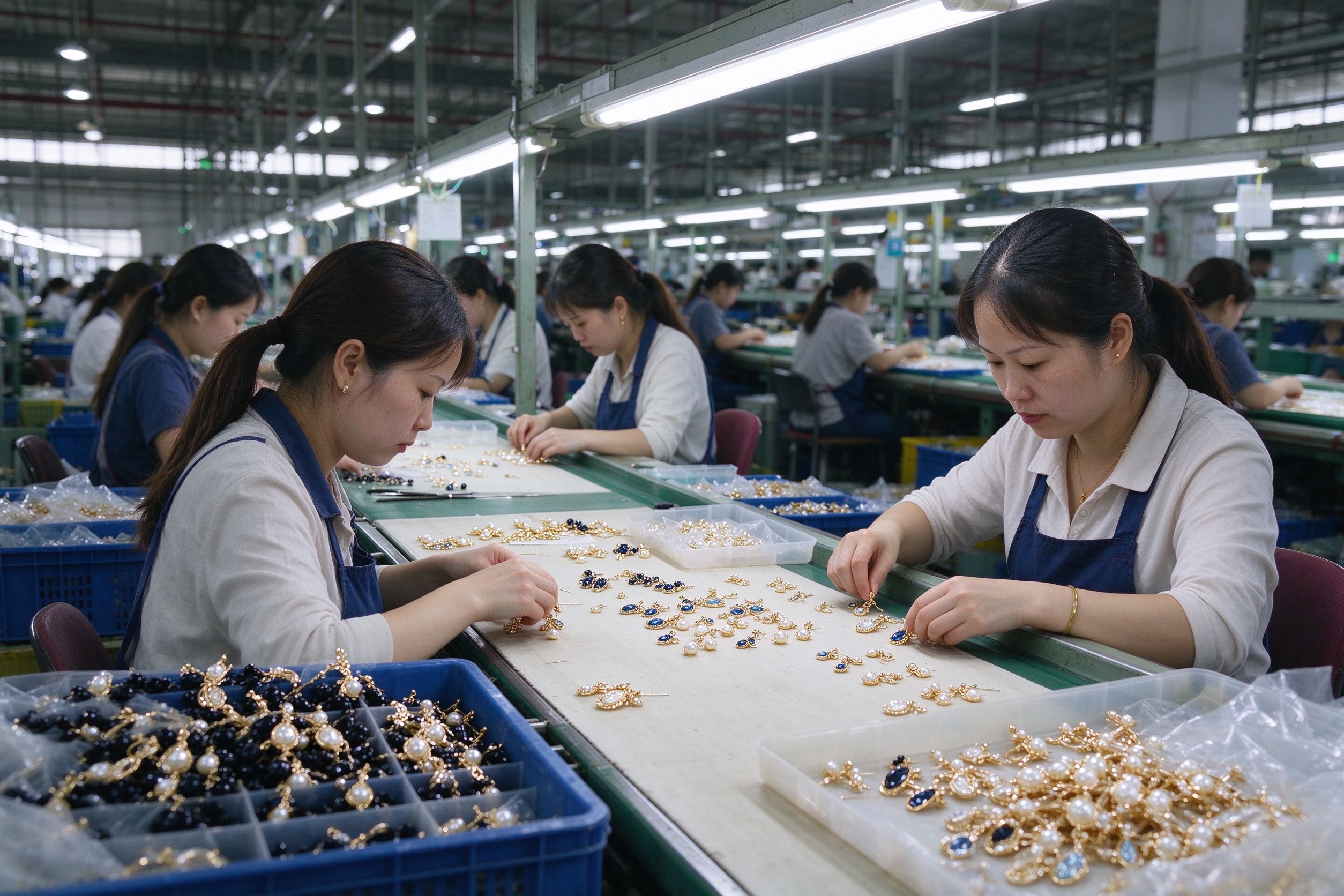
What a good enamel pin looks like up close
When samples arrive, inspect them under a magnifier or a phone macro lens. Quality enamel has these characteristics. If the first sample shows two or three small defects in the same place, expect them on every piece in bulk. Enamel defects are process issues, not one-off accidents, so a bad sample means a bad production run. Approve only samples you would be happy to put on your own lapel.
- Color fills are level with no bubbles, pits or pinholes.
- Enamel does not overflow onto the metal outlines.
- Metal lines are sharp, not rounded or fuzzy.
- Plating on the metal edges is even with no black spray.
- The clutch back is secure and the pin stem is straight.
- Surface is smooth; rough grain indicates under-fired enamel.
Pricing and MOQ for enamel brooches
Soft enamel pins from existing molds typically run $0.40 to $1.20 per piece at 100 to 200 pieces per style, depending on size and number of colors. Hard enamel runs roughly twice that. Custom colors and custom shapes add tooling from $100 to $300 per mold, with MOQ around 100 pieces even for custom work, which is one reason enamel pins are popular with small brands.
Retail pricing for enamel pins is friendly to the buyer, which drives volume. A pin that costs you $0.80 can retail at $8 to $12. That is a high multiple on a low absolute price, which is exactly the kind of item that adds up at the cash register. Stock them near checkout as add-on sales. A customer buying a $40 necklace is very likely to add an $8 pin on the way out.
Compare that add-on to pushing a higher-priced item, which the customer has to think about. An $8 pin on a tray next to the till is a near-impulse decision. Over a year, those little add-ons can outearn a single mid-tier necklace because they happen on almost every transaction rather than once in a while. Treat the pin tray as a transaction booster, not as a standalone category.
Private labeling enamel pins is easy
Enamel is the most private-label-friendly jewelry category. Because a pin is a small flat surface, a backing card with your brand logo costs very little to add. Factories can produce printed or foil-stamped backing cards at roughly $0.05 to $0.15 per card. For under a dollar of added cost, every pin you sell carries your brand name and a reason for the customer to remember you. This is one of the fastest ways to build brand recognition on a small budget.
Size matters more than buyers expect. A pin under two centimeters reads as a toy; a pin over five centimeters reads as a statement. Most popular enamel pins sit between three and four centimeters, which is large enough to read clearly on a jacket but small enough to cluster. State the size in centimeters on the card and online. Customers who know the size buy with confidence; customers who guess the size return pieces that felt smaller than expected when they arrived.
- Design a simple backing card with your logo and a short care note.
- Ask the factory to attach pins to the card at production, not after.
- Use foil stamping in gold or black for a premium feel.
- Leave space on the card for a barcode and a short product story.
- Keep the card size consistent so it fits standard display slots.
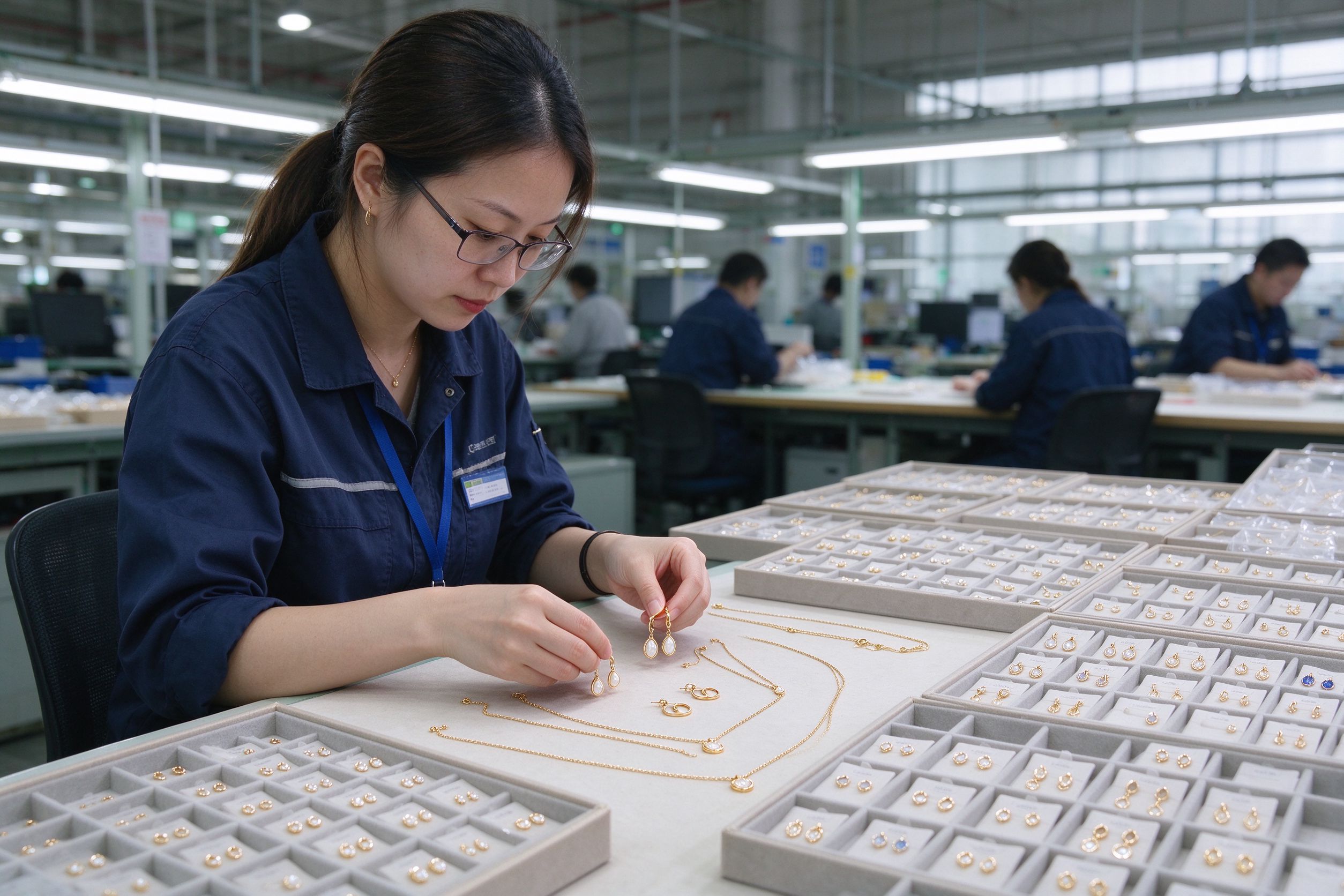
Avoiding the common enamel pitfalls
Three mistakes hurt new enamel buyers. The first is ordering too many colors in one design. Every color adds a step and a cost, and more colors mean more chances for drift. Two to four colors per design is the sweet spot. The second mistake is choosing a design with lines too thin to enamel cleanly. Tiny details that look fine on screen often come out fuzzy in metal. The third mistake is skipping the pre-production sample and approving from a photo. Always hold the physical sample before you release the balance of the order.
A fourth mistake is under-ordering the backing cards. If your cards arrive two weeks after the pins, you cannot sell the pins retail-ready. Confirm that the factory can ship pins and cards together, or get the cards locally in time. Uncarded pins in a tray sell for half the price of carded, branded ones.
A fifth mistake is ignoring skin-contact rules. Enamel pins sit against shirt collars and jacket lapels, which usually do not touch skin for long, but brooches worn on thin silk or knitwear can rest against the neck. For the US and EU, request nickel-free plating and a lead test report even though pins are low-risk. Having the paperwork ready costs nothing and protects you if a marketplace asks for compliance documents after a customer inquiry.
Backing card design that sells pins
The backing card is where a cheap pin becomes a branded product. A card should do three jobs: hold the pin securely, carry your logo, and tell the customer what the piece is. Keep the card simple. A colored card stock in a neutral tone, your logo in a corner, and the pin centered with two small holes for the clutch. Resist the urge to print a busy pattern; the pin is the hero, and a loud card competes with it. A matte finish reads more premium than glossy, and a small foil edge in gold or black adds a luxury feel for almost no cost.
Leave a strip at the bottom for a barcode and a short line of copy, for example "Soft enamel pin, gold-tone, 3 cm." That line does double duty: it helps the customer understand the product, and it gives search engines text to index. When the factory attaches pins to cards at production, the card holes must line up exactly; a pin that sits crooked on its card looks amateur. Check alignment on the first sample before the whole run is carded.
Launching a pin drop that sells out
Enamel pins reward a drop model rather than a permanent catalog. Release six to eight new designs at once, tell your audience they are limited, and let the slow ones retire. Scarcity works because pins are collectible; a customer who misses a drop will watch the next one. Photograph the new pins together as a set so buyers can imagine collecting the whole series, and offer a small discount for buying three or more to encourage that collecting behavior.
Time drops around moments when customers are already buying gifts: late November, early May, and back-to-school season. A pin drop launched two weeks before a gifting peak sells several times faster than one launched on a random Tuesday. Keep the drop small enough that you can sell through it, then reorder the winners. A sold-out pin is better than a pin that sits in stock for a year.
Build an enamel range that reorders
Enamel brooches reward a focused, small range. Start with six to eight designs across slogans, florals, food/objects and geometric bars, in both gold and rhodium finishes. Attach them to your own backing cards, display them on a felt board near the till, and watch which ones customers pick up. Reorder the winners in the exact same colors, add one or two new designs each season, and let the slow ones phase out. Done this way, enamel pins become a low-effort, high-margin line that customers collect over time, and each new design you release is welcomed by buyers who already trust your quality.
