Wholesale Fashion Necklaces: Sizing, Setting & Durability

Fashion Necklaces for Wholesale Buyers: Sizing, Settings, and Durability Decisions That Matter
Fashion necklaces succeed at retail when three production decisions are locked down before bulk manufacturing begins: the length range you stock, the setting styles you specify, and the durability standards built into the metal and finishing. A wholesale buyer who treats these as afterthoughts ends up with return-heavy inventory and slow-moving SKUs.
This guide covers each decision in concrete terms so you can brief a manufacturer, approve samples with a checklist, and place bulk orders for fashion necklaces with fewer surprises downstream.
Necklace Sizing: The Decision That Shapes Your Whole Assortment
Necklace length determines who can wear a piece and how it merchandises. Unlike ring sizing errors, which surface at the register, necklace sizing errors surface as returns weeks later, when a customer discovers a 16-inch chain sits higher than expected over a collar. Building the length assortment deliberately protects your margin and your review scores.
Core Length Standards for the US Market
- 14 to 16 inches: choker and collar range; pairs with crew necklines and layered looks.
- 18 inches: the most common single length for pendants; a sensible anchor SKU for any collection.
- 20 to 24 inches: matinee range; suits drop pendants and many men's styles.
- 28 to 36 inches: opera length, worn long or doubled for layering.
A practical wholesale approach is to lead with 18-inch pendant pieces, then add 16-inch and 20-inch companions so customers can stack within one collection. Extender chains, typically adding 2 inches, reduce the number of distinct lengths you warehouse while covering more body types per style. Specify the extender as part of the original design brief rather than as a retrofit, so the clasp and finishing match the rest of the chain.
Chain Gauge and Clasp Specifications
Length alone is not the full sizing brief. Chain gauge and clasp hardware determine whether the piece survives daily handling. When you brief the factory, request the chain's link construction, the gauge in millimeters, and the clasp type in writing. A fine cable chain keeps unit weight and cost down, but pendants with any meaningful weight need a proportionate gauge and a lobster clasp rated for the load.
Use the 7 to 10 day sampling window to pull-test, twist-test, and wear-test every chain before approving bulk production of 30 or more pieces per custom style.
Settings: Matching the Setting Style to the Stone and Price Tier
Settings control two things a wholesale buyer cares about: how secure the stone is, and how much labor the piece requires. On fashion necklaces, the common stone choices are cubic zirconia and moissanite, a lab-created diamond alternative with strong brilliance and hardness. Both are set with the same family of techniques; the right choice depends on stone size and your target tier.
Prong Settings
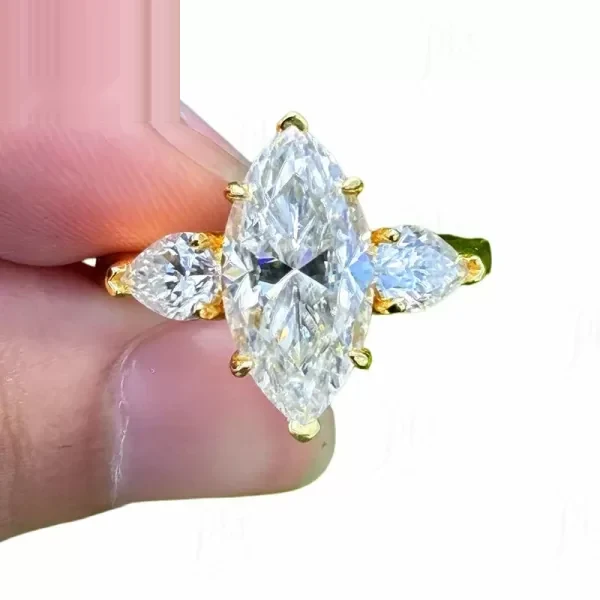
Prong settings hold the stone with small metal claws and maximize visible brilliance. They suit solitaire pendants and halo designs where light entry matters. The tradeoffs are snagging on knitwear and the need for periodic tightening. Specify prong count in the brief: four prongs for accent stones, six prongs for larger center stones. Require polished prong tips, not sharp ones, and add this to your inspection checklist.
Bezel Settings
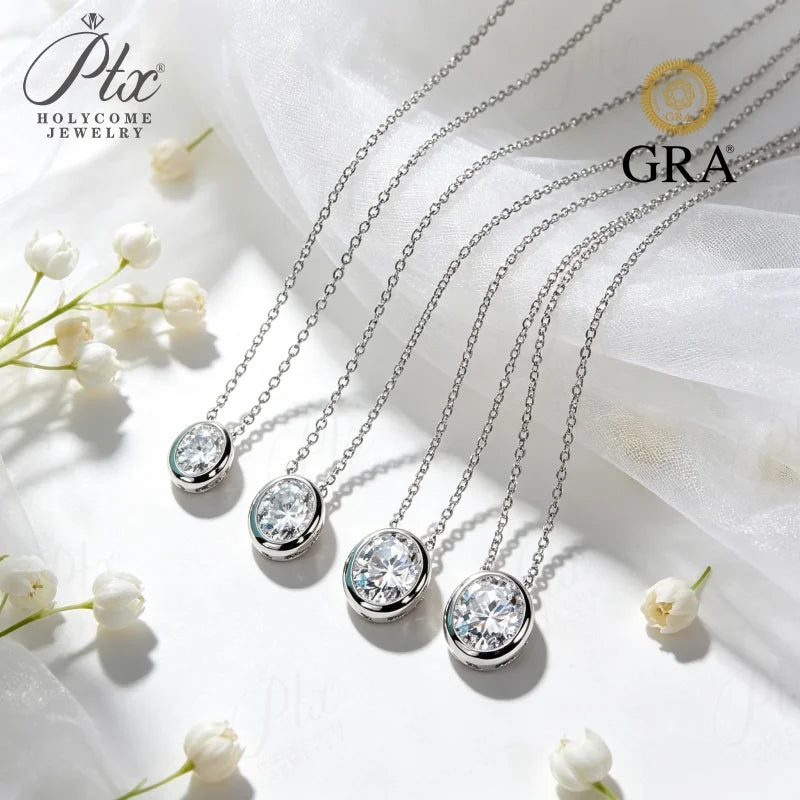
A bezel wraps the stone's edge in metal, offering a secure hold and a smooth profile that will not snag. Bezels require more metal and labor, so they fit mid and premium tiers. For pieces positioned as daily-wear styles, a bezel is the safer specification because the stone edge is shielded from impacts and the girdle is protected from chipping.
Pave and Channel Settings
Pave work sets many small stones across a surface with tiny metal beads, while channel settings seat stones in a groove between metal walls. Both create the dense, sparkling look that drives higher retail prices on fashion necklaces. They also create the highest labor cost and the highest risk of stones loosening in transit.
Ask the factory about their in-process QC at the setting stage, since catching a loose stone mid-production costs far less than catching it in a pre-shipment inspection. Graded center stones, when your program calls for them, should ship with GRA or IGI papers so you can verify what you ordered.
Metal Selection and Durability: What Each Option Delivers
Durability in fashion necklaces comes from three stacked choices: base metal, plating thickness, and finishing quality. Name the true metal in every product listing. Mislabeling vermeil or plated pieces as solid gold creates compliance risk and return spikes; calling 925 sterling silver what it is protects both you and your customers.
The table below summarizes the common options a wholesale buyer weighs for necklace programs.
| Metal Option | Durability Profile | Best Use Case |
|---|---|---|
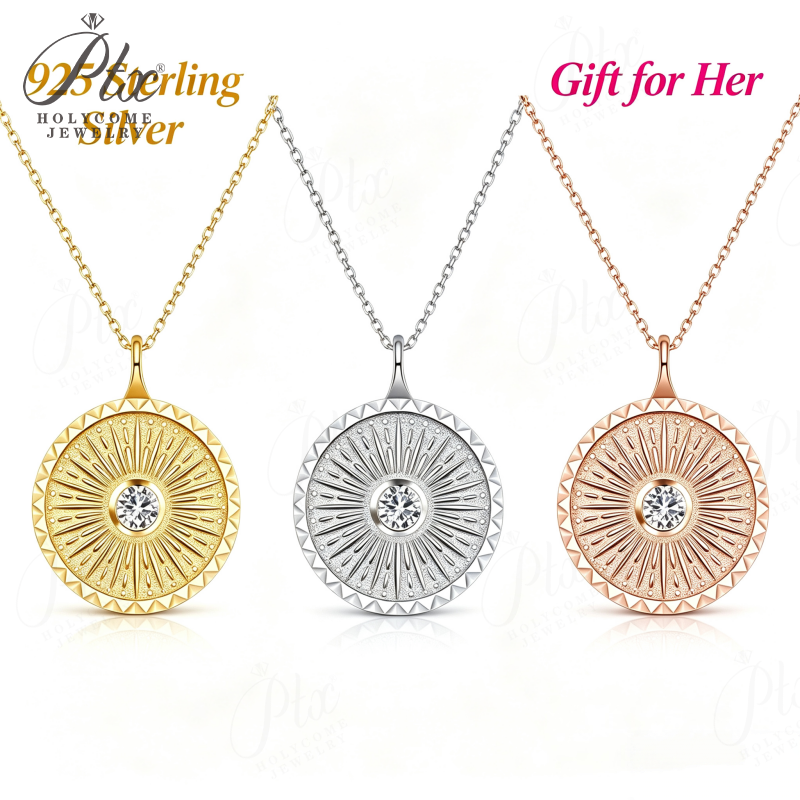
| 925 sterling silver | Solid precious metal; needs care to limit tarnish | Core pendant and chain programs |
| Gold vermeil | Thick gold layer over sterling silver | Mid-tier gold-look styles |
| Gold plated | Thin gold layer; most budget friendly | Trend-driven, seasonal pieces |
| 10K to 18K solid gold | Highest durability and long-term wear | Premium and fine-adjacent lines |
Match the option to the intended wear frequency, not just the price point. A plated piece positioned as an everyday necklace will generate complaints; the same piece sold as an occasion style performs within expectations. Plating thickness and rhodium finishing on silver are the two specs worth putting in writing on every purchase order.
Durability Testing: What to Demand Before Bulk Production
Durability is verified, not assumed. A structured QC process protects you across the production run.
Three-Stage QC and What Each Stage Catches
Ask for a three-stage inspection model: incoming material checks on stones and metal stock, in-process checks during casting and stone setting, and a pre-shipment AQL inspection on finished goods. Incoming checks catch off-grade stones before they are set; in-process checks catch loose settings and solder faults while they are still cheap to fix; the pre-ship AQL inspection is your final filter on clasp function, plating finish, and stone security across the shipment lot.
Sample-Level Durability Checks
During sampling, run simple tests you can document: open and close the clasp fifty times, pull the chain at the pendant junction, wear the piece through a full day, and wipe the surface with a soft cloth to check for color transfer. Photograph the sample next to the approved spec sheet.
Bulk production takes 15 to 25 days after approval, which means any durability issue found late delays your season; every issue caught at sample stage costs a revision cycle instead of a shipment.
Packaging and Transit Protection
Necklaces arrive knotted, which means transit durability is partly a packaging question. Require individual poly bags with the chain fastened to a card so links do not tangle, and confirm the carton inner-box counts match your warehouse receiving process. For DDP delivery to the US, transit takes 5 to 8 days, so confirm the carton seal quality and desiccant use if you are shipping silver in humid months.
Commercial Terms: Budgeting the Sizing and Durability Decisions
Pricing is quoted per piece or per carat depending on the item; chains and finished necklaces price per piece, while loose stones for your setting programs price by carat. Minimum order quantities are 1 piece for stock styles, which lets you test a new length or setting spec with minimal risk, and 30 pieces for custom work, which is the threshold where your sizing and setting briefs need to be fully documented.
Payment runs on T/T terms with a 30 percent deposit and 70 percent balance before shipment, with PayPal available for sample orders so you can validate quality before committing larger funds.
Structure your first order as a small stock-style test across your chosen lengths, run the durability checklist on the samples, then move the winning specs into a 30-piece custom run. This sequence turns sizing, setting, and durability from a gamble into a documented process.
Order Terms for Wholesale Buyers
MOQ is 1 piece for stock styles and 30 pieces for custom work, and loose stones are sold by the carat. Sampling takes 7 to 10 days, and bulk production runs 15 to 25 days after the sample is approved. Pricing is quoted per piece or per carat depending on the item. Payment is T/T with a 30% deposit and the 70% balance before shipment, and PayPal is accepted for sample orders.
Frequently Asked Questions
What necklace lengths should a new wholesale program stock first?
Start with 18 inches as your anchor length for pendants, then add 16-inch and 20-inch companions for layering. Extender chains of about 2 inches let a single SKU cover more customers without multiplying your inventory.
Which setting is most durable for fashion necklaces?
Bezel settings offer the most secure hold and a snag-free profile, making them a strong choice for daily-wear tiers. Prong settings show more brilliance but need smooth, polished tips and periodic checks on larger stones.
How do I verify plating quality before a bulk order?
Test the physical sample by wearing it for a full day and wiping it with a soft cloth to check for color transfer, and request the plating specification in writing. Confirm the factory's in-process QC covers finishing before the pre-ship AQL inspection.
What paperwork comes with graded stones?
Graded stones ship with GRA or IGI papers, which document the stone characteristics you ordered. Match the paperwork against your purchase order before releasing the 70 percent balance.
How long does the full order cycle take?
Sampling takes 7 to 10 days, and bulk production takes 15 to 25 days after sample approval. DDP delivery to the US then takes 5 to 8 days.
Build Your Fashion Necklace Program With a Documented Process
Sizing, settings, and durability are not creative decisions alone; they are specifications you write down, test at sample stage, and inspect before shipment. A buyer who locks the length assortment, names the true metal, verifies plating and clasp quality, and uses the three-stage QC process moves from reactive returns to predictable replenishment.
Ready to put this into practice? Browse our wholesale jewelry catalog to review current fashion necklace styles, read more buying guides on our jewelry wholesale blog, or contact our sales team to request samples and a custom quote for your next order.
Sources: Grading references: GIA gem education and GIA laboratory information.