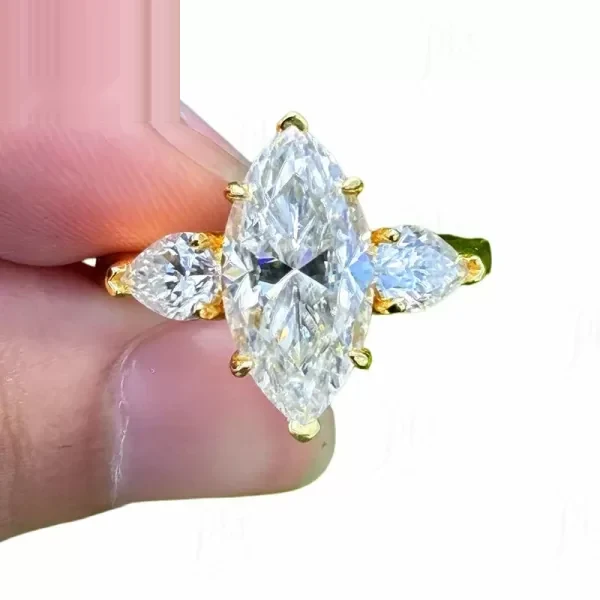
Wholesale Fashion Necklaces: Incoming QC & Pre-Ship Inspection

Why Quality Control Matters Before Fashion Necklaces Reach Your Warehouse
Fashion necklaces for the US wholesale market succeed or fail on quality control, and the two checkpoints that decide most outcomes are incoming QC and the pre-ship AQL inspection. Incoming QC catches problems with raw materials, chains, clasps, and stones before assembly begins, while the pre-ship inspection verifies that finished pieces meet your agreed standard before cartons leave the factory.
A buyer who understands both stages can prevent returns, protect retail margins, and avoid the costly delay of rejecting a shipment after it has already been paid for.
This guide walks through the practical decisions wholesale buyers face at each checkpoint when sourcing fashion necklaces. It covers what to inspect on incoming materials, how to define an acceptable quality limit for finished pieces, how sampling fits into the timeline, and how payment and delivery terms interact with inspection rights. The goal is to give you a checklist you can apply to your next purchase order without guesswork.
Incoming QC: The First Line of Defense for Necklace Components
Incoming quality control happens the moment raw materials and components arrive at the factory. For fashion necklaces, this typically means verifying the metal stock, chains, clasps, jump rings, and loose stones before anything enters production. Skipping or rushing this stage is the most common root cause of defective bulk orders, because a bad batch of clasps or tarnish-prone chain becomes invisible once it is assembled into finished pieces.
What Incoming QC Should Cover for Necklaces
A thorough incoming inspection for fashion necklaces should verify several things in a defined order. First, the metal must match the purchase order specification. If you ordered 925 sterling silver or 10K/14K/18K solid gold, the factory should confirm the material with testing rather than relying on supplier labels. If you ordered gold vermeil or gold plated components, the inspection should confirm plating thickness and base metal so the description on your invoice is accurate.
Second, chains and clasps are checked for tensile strength, plating consistency, and solder joint integrity. Third, stones and beads are examined for chips, color variation across the batch, and correct sizing.
- Verify metal composition against the purchase order before assembly begins
- Check chain and clasp plating for color consistency across the batch
- Pull test sample clasps and jump rings for solder and mechanical strength
- Inspect loose stones for chips, scratches, and color variation
- Quarantine any nonconforming material so it cannot enter production
For orders that include moissanite or other graded stones, incoming QC should match stones against their GRA or IGI papers so every finished necklace can be documented accurately. Loose stones are sold by the carat, so verifying weight and grading paperwork at intake protects both parties on custom work.
Why Incoming QC Protects Your Delivery Timeline
Catching a defective component batch at intake costs days; catching it after bulk production costs weeks. Because sampling takes 7 to 10 days and bulk production runs 15 to 25 days after approval, a component failure discovered late can push a season-sensitive delivery past your retail window. A factory that quarantines suspect material immediately can reorder or substitute before assembly, keeping the production calendar intact.
The Pre-Ship AQL Inspection: Your Final Gate Before Shipment
The pre-ship inspection is a statistically based check performed on finished, packed goods before the balance payment is released and cartons ship. For fashion necklaces, it is the last opportunity to identify plating defects, missing stones, weak clasps, or packaging errors while the goods are still at the factory. Most sourcing professionals structure this stage around an Acceptable Quality Limit, which defines how many defects of each severity class are tolerable in a given sample size.
Defining Defect Classifications for Necklaces
Before the inspection, agree in writing on what counts as a critical, major, or minor defect for your fashion necklaces. This removes ambiguity when the inspector pulls a random sample from packed cartons.
- Critical: broken clasps, missing stones, necklaces that cannot be worn
- Major: visible plating defects, incorrect stone count, wrong chain length
- Minor: slight color variation, small packaging marks, minor polish differences
Once classifications are set, the inspector selects a random sample, checks each unit against the defect list, and compares results to the agreed limits. If the batch fails, the factory reworks or re-sorts the shipment and a re-inspection is scheduled before goods move.
How the Three-Stage QC Process Fits Together
Pre-ship inspection works best as the final stage of a three-stage process rather than a stand-alone check. Incoming QC verifies materials, in-process QC monitors assembly and plating as pieces are made, and the pre-ship AQL inspection confirms the finished, packed order. Buyers sourcing fashion necklaces should ask any prospective supplier how each stage is documented, because written records at all three stages make disputes far easier to resolve.
Comparing QC Checkpoints at a Glance
The table below summarizes the two checkpoints covered in this article, so buyers can see where each one sits in the order cycle and what decision it informs.
| Checkpoint | Timing | What Is Checked | Buyer Decision Supported |
|---|---|---|---|
| Incoming QC | Before assembly starts | Metals, chains, clasps, stones, paperwork | Approve materials or request replacement |
| In-process QC | During bulk production | Assembly, plating, stone setting | Correct issues before full run finishes |
| Pre-ship AQL | Before balance payment | Finished packed goods, random sample | Accept shipment or require rework |
Each checkpoint feeds the next. A well-run incoming QC stage reduces the defect rate the pre-ship inspection has to catch, which in turn lowers the chance of a failed inspection delaying your delivery.
Payment Terms, Inspection Rights, and Delivery Planning
Your payment structure and your inspection rights should be aligned. For wholesale orders, the standard arrangement is T/T with a 30 percent deposit and the 70 percent balance before shipment, while sample orders are typically paid through PayPal. This means the pre-ship AQL inspection should be completed before you release the balance, because once funds move and cartons ship, your practical ability to demand rework drops sharply.
Negotiate inspection timing into the purchase order so the factory schedules it as part of production rather than treating it as an obstacle to shipping.
Sequencing Inspection With DDP Delivery to the US
DDP delivery to the US takes 5 to 8 days, which is fast enough that post-arrival defect discovery leaves little time to recover before your retail dates. Build the schedule backward from your in-store or marketplace launch date: pre-ship inspection before balance release, then DDP transit, then receiving and spot checks at your warehouse.
Buyers who order in the peak season should also confirm the factory can hold the 15 to 25 day bulk production window alongside inspection days, since inspection adds a step that must fit before shipment.
- Schedule the pre-ship inspection before releasing the 70 percent balance
- Confirm DDP terms cover US delivery in 5 to 8 days
- Plan 7 to 10 day sampling to lock the design before bulk production
Practical Decisions Every Necklace Buyer Should Make Up Front
The difference between a smooth order and a disputed one usually comes down to decisions made before the deposit is wired. For fashion necklaces, put the following in writing with your supplier from the first quote.
Build a Written Quality Agreement
A short quality agreement attached to the purchase order should state the metal specification, plating type and thickness where applicable, stone specifications, and the defect classifications for the AQL inspection. It should also state who pays for re-inspection if the first pre-ship check fails. Factories with a documented three-stage QC process will usually welcome this; hesitation to put defect definitions in writing is a signal worth weighing during supplier selection.
Use Samples to Set the Standard
Sampling takes 7 to 10 days, and the approved sample becomes the physical reference the pre-ship inspection measures against. Pay for samples through PayPal, keep one sealed reference sample on your side, and send photos of it to the factory so the inspector compares finished goods to the same object you approved. For custom work with a 30 piece minimum, the approved sample is especially important because every unit in the run should match it.
- Attach defect definitions and AQL limits to every purchase order
- Keep a sealed reference sample from the approved pre-production batch
- Confirm GRA or IGI papers accompany graded stones in each shipment
- Match inspection timing to the 30/70 T/T payment schedule
Order Terms for Wholesale Buyers
MOQ is 1 piece for stock styles and 30 pieces for custom work, and loose stones are sold by the carat. Sampling takes 7 to 10 days, and bulk production runs 15 to 25 days after the sample is approved. Pricing is quoted per piece or per carat depending on the item. Payment is T/T with a 30% deposit and the 70% balance before shipment, and PayPal is accepted for sample orders.
Frequently Asked Questions
Can I inspect fashion necklaces myself instead of relying on the factory?
Many buyers appoint a third-party inspection company to perform the pre-ship AQL check on their behalf, especially for first orders with a new supplier. The factory should provide access to packed cartons and a work area for the inspector. You can also perform your own receiving check when the DDP shipment arrives in 5 to 8 days.
What happens if the pre-ship inspection fails?
The shipment does not move, and the factory reworks or re-sorts the defective units before a re-inspection is scheduled. Your balance payment should stay on hold until a passing result. This is why aligning the 70 percent balance before shipment with inspection timing matters so much.
Does incoming QC apply to small orders?
Yes. Stock styles carry a minimum order of 1 piece, so even a single-unit trial order benefits from confirmed materials and accurate paperwork. The scale of inspection changes, but the principle of verifying materials before and after production applies at any volume.
How are graded stones documented on necklace orders?
Graded stones ship with GRA or IGI papers, and loose stones are sold by the carat with pricing per carat depending on the item. Incoming QC should match each stone to its paperwork before setting, and the papers should accompany the finished necklaces on delivery.
What timeline should I plan for a full order cycle?
Plan 7 to 10 days for sampling, 15 to 25 days for bulk production after approval, inspection days before balance release, and 5 to 8 days for DDP delivery to the US. Building these stages into your calendar prevents the inspection step from being compressed.
Strengthen Your Necklace Sourcing Process
A clear incoming QC and pre-ship inspection routine turns fashion necklace sourcing from a gamble into a repeatable process. Review our fashion necklaces product catalog to see available stock styles and custom options, read more buying guides on our wholesale jewelry blog, and reach out through our contact page to discuss quality requirements for your next order.
Moissanite is a lab-created diamond alternative, not a natural diamond; listings and customer-facing copy should describe it that way.
Sources: Grading references: GIA gem education and GIA laboratory information.