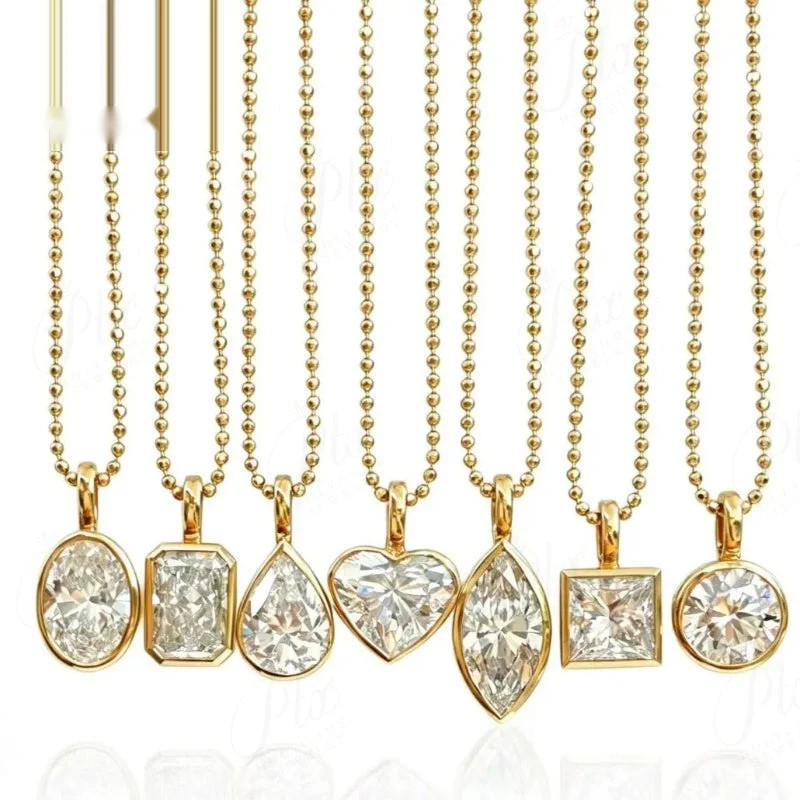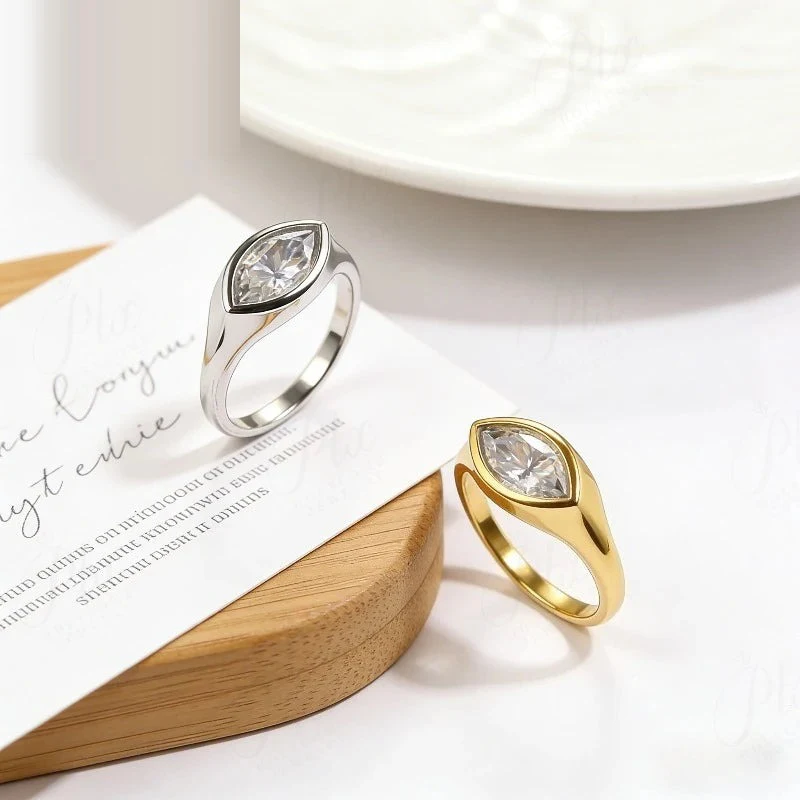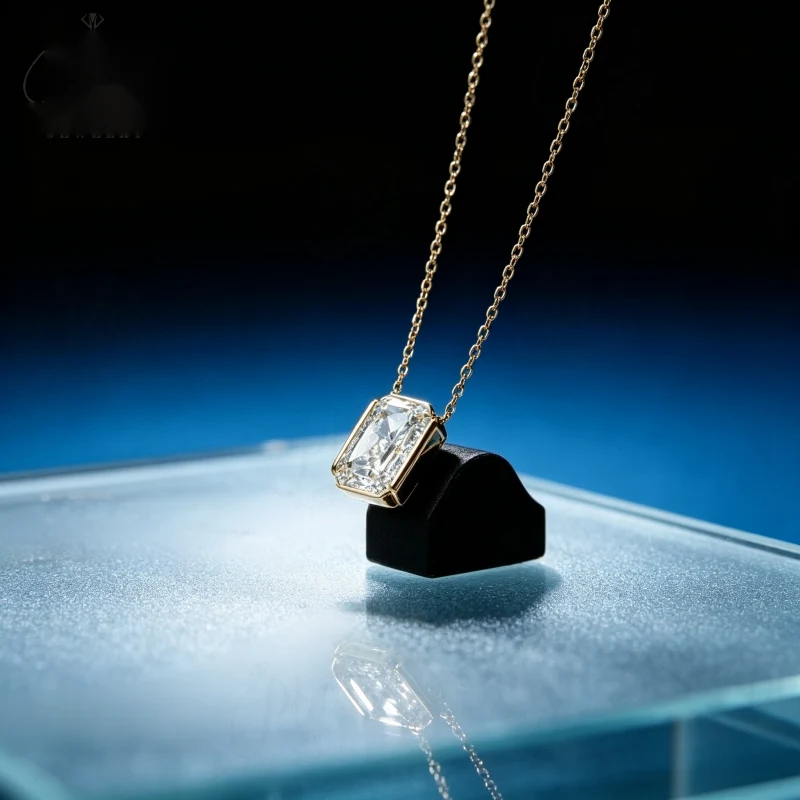
Walk into any jewelry section and the same question comes up: gold or silver? Most people answer by habit, but the more useful question is which metal actually flatters the wearer's undertone. The distinction is subtle, but once you can see it, it changes how jewelry looks on skin. For resellers, teaching this to customers is also a quietly powerful selling tool; it turns a transaction into styling advice.
Figure out undertone in ten seconds
Forget the complicated tests. The fastest method: look at the veins on the inside of the wrist. Blue or purple veins suggest a cool undertone, greenish veins suggest warm, and a mix means neutral. Another quick check: gold jewelry looks naturally at home on warm skin, while silver pops on cool skin. People who look good in both are usually neutral. A third cue is how the skin reacts to sun: easy tanners tend warm, frecklers and burners tend cool. None of these tests is perfect, but combined they are close enough for shopping decisions.
Warm undertones
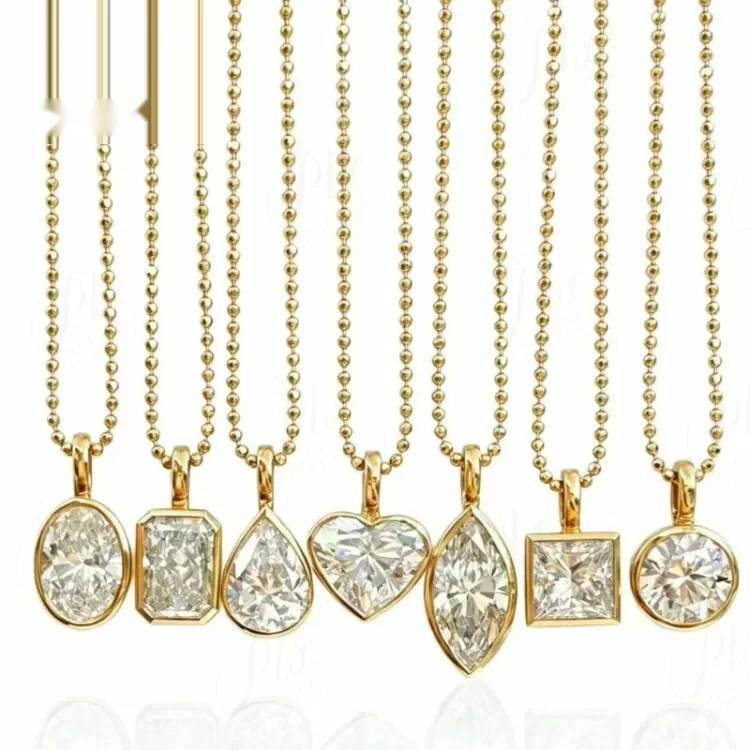
Warm skin has hints of yellow, peach, or golden. Gold, particularly warm yellow gold and antique brass finishes, is the natural home. Rose gold also works beautifully because its pink-copper base harmonizes rather than fights. Cool silver can look stark against warm skin, making the complexion appear duller. If a warm-toned customer prefers silver, steer them toward brushed or antique silver with warmer stone tones, like amber, citrine, or coral.
Cool undertones
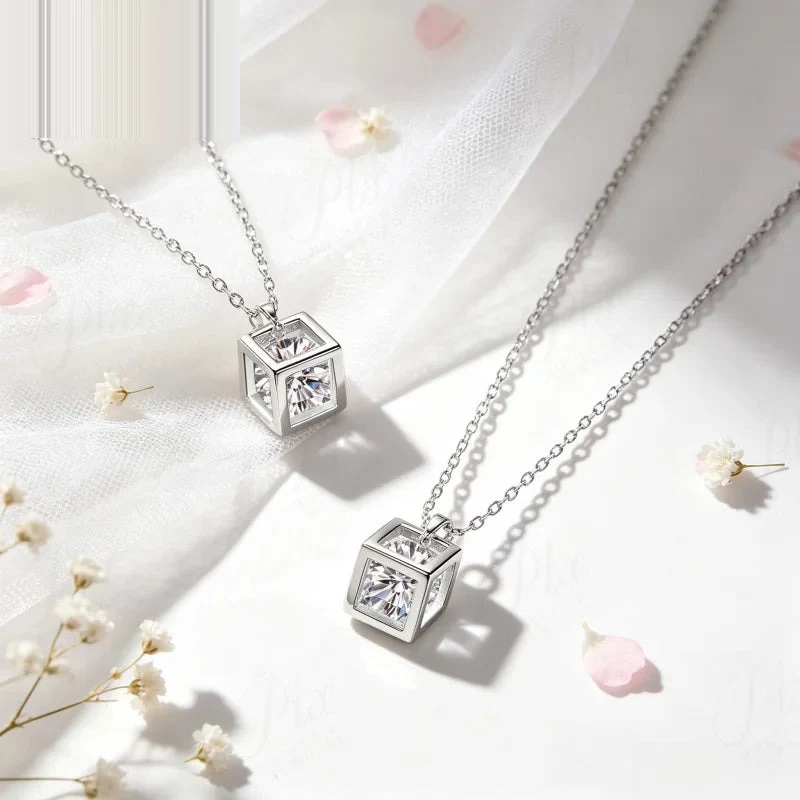
Cool skin has pink, red, or bluish undertones. Polished silver, white rhodium, and platinum-finish jewelry are the most flattering because they mirror the skin's own coolness. Yellow gold can look harsh against cool skin unless it is a softer, less saturated finish. Rose gold is friendlier here than yellow gold, especially pale rose. Stones like amethyst, sapphire, and clear crystals complement cool undertones well.
Neutral undertones
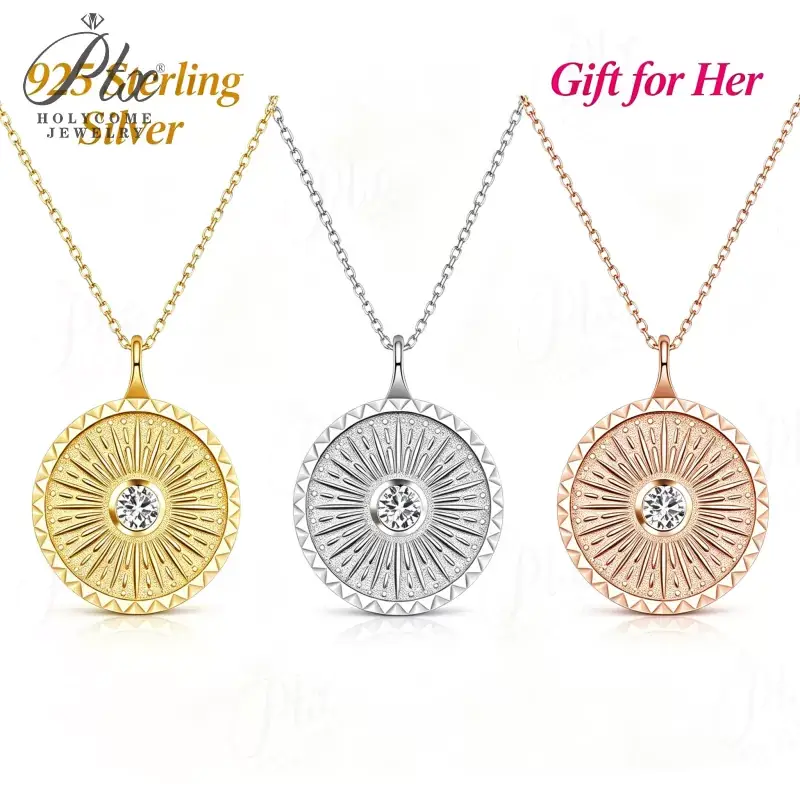
Neutral skin, with an even mix, gets the best of both. Gold, silver, and rose gold all work, and mixed-metal jewelry is an easy win. This is why the mixed-metal trend has broad appeal: it genuinely flatters a wide range of customers. If you want to read more on how metals are finished, our plating types guide explains what the customer is actually seeing.
Why this matters for resellers
Customers who know their undertone buy more confidently and return less. A buyer who was unsure between gold and silver, and leaves your listing with a reasoned choice, is a happy customer. Add a short undertone quiz to your product page or social content. It positions you as a styling expert, keeps people on the page longer, and quietly lifts conversion. For the deeper material vocabulary behind these finishes, our jewelry materials glossary is a useful companion.
Stones and enamel matter too
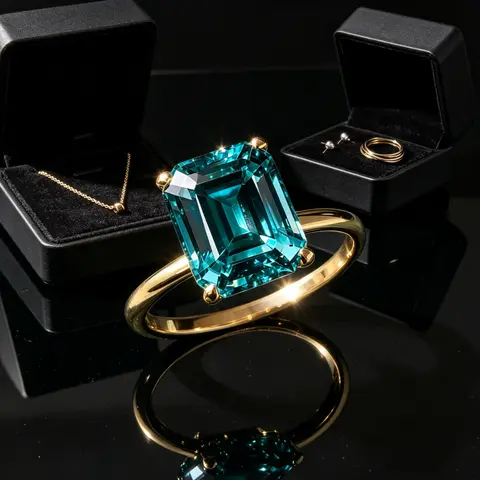
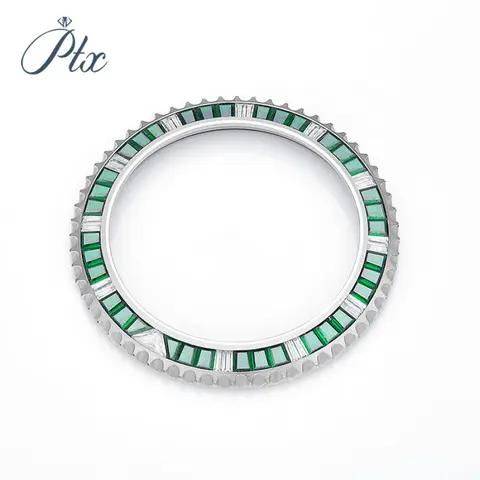
Metal is only half the equation. The color of the stone or enamel piece changes the effect. Warm amber, coral, and emerald read well against warm skin, while cool amethyst, sapphire, and icy clear stones flatter cool undertones. Neutral skin gets to experiment with both sides. When you build a product line, think in combinations rather than isolated pieces: a gold frame with a cool stone can bridge undertones and widen who it suits.
The lighting caveat
One honest note: skin undertone shifts with tan, season, and makeup. A customer who looks cool in January may look warm in August after a summer tan. That is why neutral customers have it easiest, and why mixed-metal jewelry is such a safe retail bet. Do not overstate the science in your copy; frame it as a styling starting point, not a rule. Customers respond well to "works beautifully on" language and roll their eyes at "only for" language.
How to use this on your pages
A small "best for" line on each listing does more than it costs. A one-liner that says this piece glows against warm golden skin gives undecided buyers a reason to click buy. It also reduces returns because the customer has a clear expectation. Over time, this builds a reputation for thoughtful merchandising that generic competitors cannot match.
If you are unsure which way a customer leans, mixed metal is always the safe recommendation. It flatters across undertones and reads as a deliberate, modern choice rather than a hedge. For most resellers, carrying a mixed-metal capsule is the fastest way to cover the most customers with the least inventory.
The bottom line
Gold, silver, and rose gold are not universally flattering; they react differently with warm, cool, and neutral undertones. Warm skin leans gold and rose, cool skin leans silver and white, and neutral skin can wear anything. Teach this to your customers and you stop selling pieces and start selling the right piece.
The Wikipedia article on rhodium explains why rhodium plating is applied to white gold and silver jewellery.
Related reading: Alloy vs Sterling Silver: Which Jewelry Material Sells Better?, Hypoallergenic Alloy Rings: Wearing Fashion Jewelry When Your Skin Obj, Earrings for Your Face Shape: The Right Pair Flatters Everyone.
Frequently Asked Questions
How do I verify a factory before placing a bulk order?
Request a production video, business license, export records and a paid sample run. A factory that accepts a 50-piece test order is usually a real manufacturer.
What payment terms do you offer?
30% T/T deposit with the balance against the bill of lading. This protects both sides on first orders and can move to net terms after a track record.
What is your normal reject rate?
3–5% under 10x loupe inspection for cast and set pieces. Defective units are replaced free in the next shipment.
Where is the factory located?
Wuzhou, Guangxi, China—the core lab-grown and moissanite manufacturing cluster. Shipments go via Guangzhou or Shenzhen ports.