Wholesale Jewelry Sets: Supplier Vetting & Audit Red Flags

Why Supplier Audits Matter Before Ordering Jewelry Sets
Jewelry sets fail wholesale buyers more often than single pieces because a defect in any component — the necklace, the earrings, or the bracelet — makes the whole set unsellable. A supplier audit before you commit capital is the fastest way to separate reliable manufacturers from operations that will ship mismatched plating, loose stones, or sets that arrive without their matching hardware.
This article walks through the red flags US wholesale buyers should watch for when vetting a factory for jewelry sets, and what a clean, verifiable audit looks like at each stage of production.
Unlike a single ring order, a set multiplies risk. Every piece in the set must match in metal color, stone grade, and finish. If one earring comes back with a different plating thickness than the other, you cannot sell half a pair. That is why the audit checklist for jewelry sets goes deeper than for singles, and why the questions you ask before the first deposit matter more than the quote itself.
Red Flag One: Vague Answers on Metal and Plating
The first and most common red flag in a jewelry sets audit is a supplier who will not name the actual metal. A legitimate manufacturer states plainly whether the base is 925 sterling silver, 10K, 14K, or 18K solid gold, gold vermeil, or gold plated. If a salesperson describes a set as "gold jewelry" without specifying whether it is solid gold or plated, treat that as a stop sign.
Plated and vermeil sets are legitimate products with legitimate margins, but they must be sold to your customers as what they are.
Questions That Force a Clear Answer
Ask these in writing and require written responses:
- What is the base metal of each component in the set?
- What is the plating thickness in microns, and what plating method is used?
- Is the vermeil applied over 925 sterling silver?
- How do you ensure all pieces in one set receive the same plating batch?
A factory that cannot answer the last question is telling you the pieces in a set may be plated in different runs. Different runs mean different color tones under store lighting, and customers will notice. This single question filters out a large share of problem suppliers before you spend anything on samples.
Red Flag Two: No Stone Documentation for Set Stones
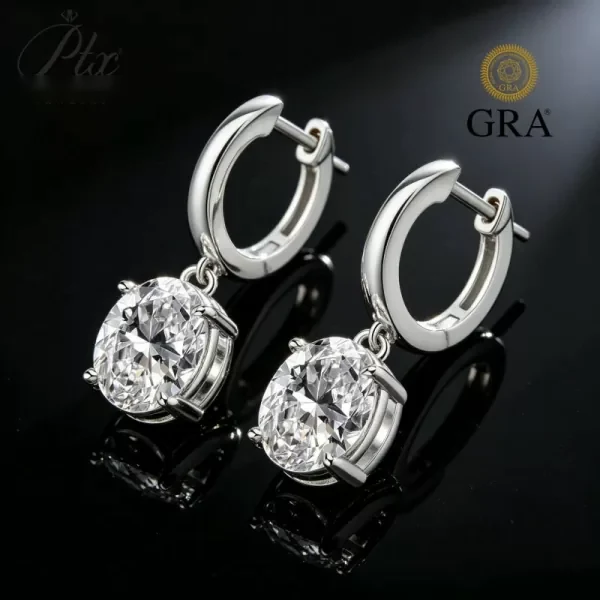
Moissanite is a lab-created diamond alternative, and it is graded and documented just like any commercial gemstone. A credible supplier of moissanite jewelry sets provides GRA or IGI papers for graded stones. If a supplier claims their stones are "the same as diamonds" without documentation, or refuses to provide grading papers on request, that is a documentary red flag — not just a compliance one. Your retail customers will ask for papers, and you need backup from your factory.
How to Verify Stone Claims During an Audit
Request the following before placing a bulk order:
- A sample grading paper for the exact carat weights in the set
- Confirmation of whether stones are sold per piece or per carat, since loose stones are priced by the carat
- Written confirmation that moissanite is described as a lab-created diamond alternative in all marketing materials
If the papers a supplier shows you do not match the carat weights quoted for the set, stop the conversation. Mismatched documentation is one of the clearest signals that the factory mixes stone sources or overstated grades in the quote.
Red Flag Three: Weak or Undisclosed Quality Control
A serious manufacturer runs a three-stage QC process: incoming material inspection, in-process checks during production, and a pre-shipment AQL inspection. If a supplier describes their quality control as "we check everything by hand" with no structure, no AQL standard, and no documentation, you have found a major red flag. Sets amplify QC failure — a 2 percent defect rate means one in every fifty sets has a problem piece, and you bear the cost of the whole set.
What a Verifiable QC Answer Sounds Like
Ask the supplier to describe their process in three parts. A credible answer names the incoming inspection of metals and stones, the in-process checks on plating and stone setting at each workstation, and a pre-ship AQL inspection with a defined acceptance level. Ask whether they will share the AQL inspection report for your specific order. Factories with real QC send the report; factories with slogans send reassurance.
Red Flag Four: Unusual Payment and Timeline Structures
Standard terms for wholesale jewelry from Chinese manufacturers are T/T with a 30 percent deposit and 70 percent balance before shipment, with PayPal accepted for sample orders. Deviations deserve scrutiny. A factory demanding 100 percent upfront for bulk production, or refusing small sample payments through buyer-protected channels, is shifting all the risk onto you.
Timelines are equally revealing. Sampling for jewelry sets takes 7 to 10 days, and bulk production runs 15 to 25 days after approval. A supplier who promises sampling in three days is either reusing someone else's molds or skipping checks. A supplier who quotes 60 days for a standard stock order may be brokering your order to a third factory you will never audit. Ask directly whether production happens in their own facility.
Logistics Red Flags to Check
DDP delivery to the US takes 5 to 8 days. If a supplier quotes longer transit times, unclear customs handling, or terms that leave duties on your side of the border without DDP pricing, factor that into the landed cost comparison. A quote that looks cheaper but ships DAP can arrive with surprise brokerage and duty charges that erase the savings.
Red Flag Five: Pricing That Cannot Be Explained
Wholesale jewelry sets are priced per piece or per carat depending on the item, and a credible supplier can break the quote down. When you ask for a cost breakdown, expect to see metal cost, stone cost by carat, plating, setting labor, and packaging separated or at least explained.
A single lump number with no explanation is a red flag — it usually means the supplier does not know their own cost structure or is padding for a buyer they expect to negotiate down anyway.
Use the table below as a quick reference when comparing supplier quotes for jewelry sets.
| Audit Area | Healthy Signal | Red Flag | What to Request |
|---|---|---|---|
| Base metal | Named metal per piece | Generic "gold" claims | Written metal specification |
| Stones | GRA or IGI papers | No documentation offered | Sample grading paper |
| Quality control | Three-stage AQL process | Informal visual checks | Pre-ship AQL report |
| Payment | 30 percent T/T deposit | Full upfront bulk payment | Standard term sheet |
| Lead time | 15 to 25 days bulk | Compressed or vague timing | Production schedule |
Keep this table in your sourcing notes and score each candidate supplier against it. One or two amber answers may be negotiable; three or more red flags should end the evaluation. The cost of switching suppliers after a failed first order far exceeds the cost of a longer vetting cycle.
Red Flag Six: Poor Sample Discipline
Sampling is where audits stop being theoretical. For jewelry sets, order a full set sample, not individual pieces, and check the components against each other under the same light. Compare the plating tone of the necklace against the earrings. Check that clasps, earring backs, and any extender chains match the metal specification you were given. Weigh the pieces if the quote was based on metal weight.
A Simple Sample Verification Routine
- Photograph all set components side by side under daylight and store lighting
- Confirm stone carat weights against the grading papers provided
- Test clasp function on every piece; sets fail at clasps more than anywhere else
- Check stamping — 925 sterling silver should carry a hallmark
Sampling takes 7 to 10 days, so build that into your buying calendar rather than rushing a supplier who asks for more time. A factory that pushes back hard on a full-set sample, or charges a sample fee it refuses to credit against a bulk order, is telling you something about how it handles disputes later.
Building Your Own Audit Checklist for Jewelry Sets
Consistency beats intensity in supplier vetting. Build a one-page checklist your team uses for every new jewelry sets supplier, covering the six red flag areas above: metal naming, stone documentation, QC structure, payment terms, pricing transparency, and sample discipline. Score each area pass or fail, require written answers rather than phone calls, and keep the records with the supplier file. When a quality issue surfaces on a later order, you will have the paper trail to resolve it quickly.
One final practical note: MOQ structure can be an audit signal in itself. A factory offering 1 piece for stock styles but requiring 30 pieces for custom work is operating on a normal, transparent model. A supplier who demands large custom minimums with no explanation, or who claims zero minimums on fully custom designs with no tooling cost, is either not producing the work themselves or pricing the risk somewhere you have not seen yet.
Frequently Asked Questions
What is the minimum order for jewelry sets?
Stock styles have a minimum order of 1 piece, so you can test a set in your market before committing volume. Custom work requires a minimum of 30 pieces. Loose stones are sold by the carat if you are sourcing set stones separately.
How long do sampling and bulk production take for jewelry sets?
Sampling takes 7 to 10 days, and bulk production runs 15 to 25 days after you approve the sample. DDP delivery to the US adds 5 to 8 days. Plan your buying calendar around these windows rather than compressed quotes that skip quality steps.
Should moissanite jewelry sets come with grading papers?
Yes. Graded stones should come with GRA or IGI papers, and you should confirm the carat weights on the papers match your order. Moissanite is a lab-created diamond alternative and should be described that way in your own product listings as well.
What payment terms are standard for wholesale jewelry sets?
The standard is T/T with a 30 percent deposit and the 70 percent balance before shipment. PayPal is available for sample orders, which gives you buyer protection during the vetting stage. Be cautious with suppliers who deviate sharply from these norms on bulk orders.
How can I confirm all pieces in a set match?
Ask the supplier to confirm that all set components are plated in the same batch, then verify on the sample by photographing components side by side under the same lighting. Check plating tone, stone grade consistency across pieces, and matching hardware. Raise any mismatch before approving bulk production.
Start Sourcing With a Vetted Supplier
A structured audit turns supplier risk into a manageable checklist, and the right manufacturing partner makes that checklist easy to pass. Browse our current catalog of jewelry sets and individual pieces on the products page, read more sourcing and quality-control guidance on the blog, and request samples or a custom quote through our contact page. Bring your audit checklist to the first conversation — a supplier who welcomes detailed questions is the one worth testing with a sample order.
Order Terms for Wholesale Buyers
MOQ is 1 piece for stock styles and 30 pieces for custom work, and loose stones are sold by the carat. Sampling takes 7 to 10 days, and bulk production runs 15 to 25 days after the sample is approved. Pricing is quoted per piece or per carat depending on the item. Payment is T/T with a 30% deposit and the 70% balance before shipment, and PayPal is accepted for sample orders.
Sources: Grading references: GIA gem education and GIA laboratory information.