Wholesale Jewelry Sets: Sourcing Checklist for Buyers

Sourcing wholesale jewelry sets involves more decisions than buying single pieces, because every component in a set must match in metal, stone, and finish. A clear sourcing checklist keeps those decisions organized and helps you compare suppliers on facts rather than photos. This article lays out a complete checklist for US wholesale buyers, covering metal specs, stone documentation, order terms, quality control, and delivery logistics, so you can build a jewelry sets program with fewer surprises and stronger margins.
Why Jewelry Sets Need a Dedicated Sourcing Checklist
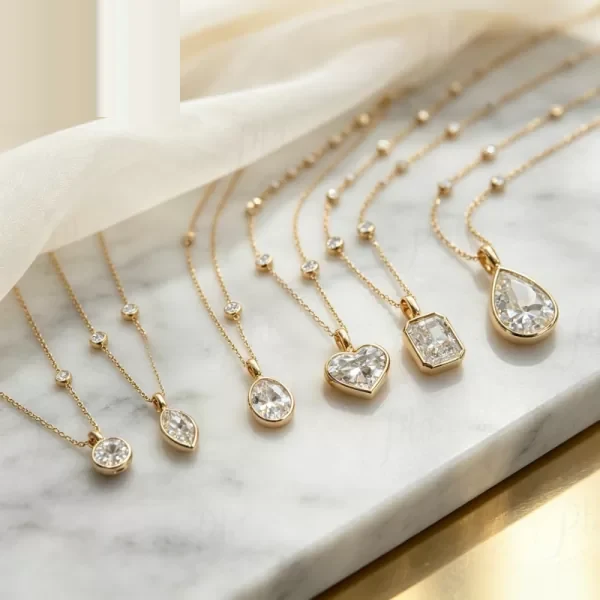
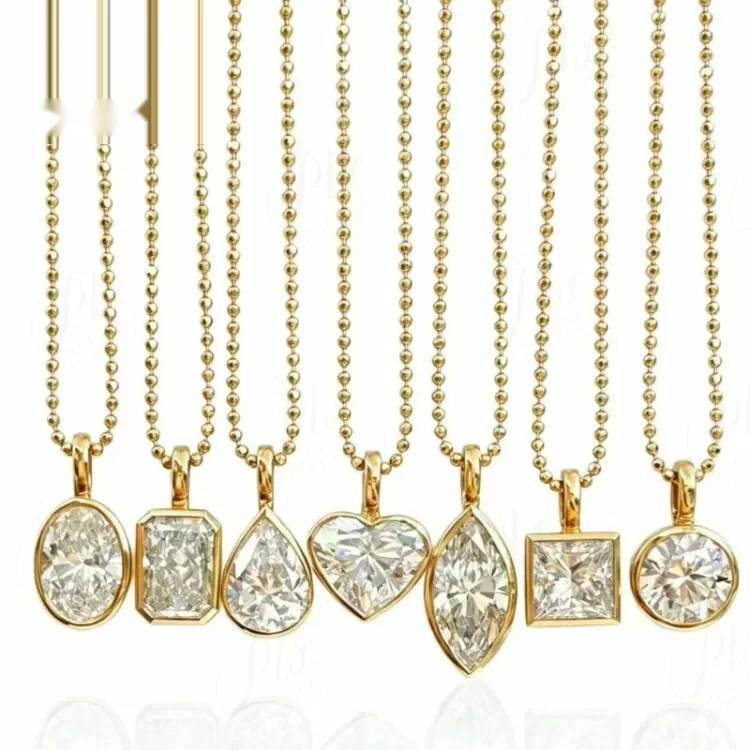
A jewelry set combines two or more pieces — typically a necklace, earrings, a bracelet, or a ring — designed to be worn together. That design intent creates a requirement you do not face with singles: every component must match. Stones need to be consistent in color and cut, plating needs to match across pieces, and clasps and settings need to feel like part of one design language.
When one component falls short, the whole set loses value in the eyes of your customer. A mismatched pair of earrings next to a pendant reads as sloppy, not coordinated. Returns rise, reviews suffer, and your retail partners notice. A checklist forces you to verify the details that make matching possible before you commit capital.
Sets also carry higher perceived value per transaction, which means more revenue at risk per SKU. One poorly sourced set style can cost you more than three underperforming single pieces. The checklist below reflects that weight.
Checklist Item One: Confirm the Exact Metal in Writing
Metal specification is the first and most consequential line on your checklist. Ask every supplier to state the exact metal for each piece: 925 sterling silver, 10K, 14K, or 18K solid gold, gold vermeil, or gold plated. Each option serves a different position in your assortment and carries a different cost structure.
- 925 sterling silver supports trend-driven sets at accessible retail price points.
- 10K or 14K solid gold suits bridal sets and fine jewelry positioning.
- 18K solid gold serves premium collections where warmth of color matters.
- Gold vermeil offers a heavier plating over sterling silver for mid-range lines.
- Gold plated metal works for fashion sets where price sensitivity leads decisions.
Reject any quote that describes metal vaguely. A listing that says "gold jewelry" without naming the base metal is a compliance risk in the US market. If a set is plated or vermeil, you cannot market it as solid gold, and mislabeling invites regulatory trouble and chargebacks. Put the metal spec on the purchase order itself so both parties share one written reference.
Also confirm whether all pieces in a set use the same metal. Some suppliers mix a sterling silver pendant with plated earring posts to hold costs down. That may be acceptable if disclosed, but you need to know before you set your own labeling and pricing.
Checklist Item Two: Verify Stone Type and Grading Papers
Many wholesale sets now feature moissanite, a lab-created diamond alternative prized for its brilliance and hardness. Describe it accurately in your listings: it is lab-created, it is not a natural diamond, and US advertising standards expect that distinction to be clear. A supplier who supplies accurate product language is easier to work with than one who blurs the line.
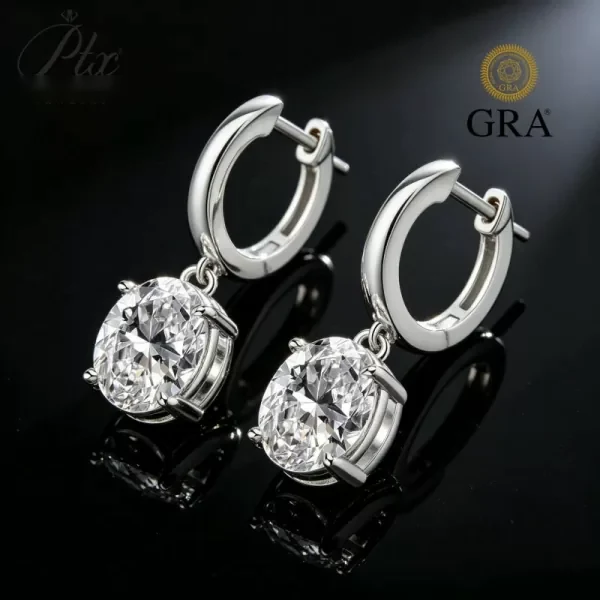
For stones above a certain size, ask whether grading papers are available. Graded stones come with GRA or IGI documentation, which lets you verify carat weight and quality claims and gives your customers a document to hold at resale. Loose stones are sold by the carat, so grading papers also help you reconcile what you ordered against what arrived.
Matching Stones Across Set Components
Matching is where set sourcing gets technical. Stones across a necklace, earrings, and bracelet should share color and cut characteristics so the set reads as one design. Request photos of the full set assembled rather than individual product shots, and ask how the supplier matches stones during assembly. A production team that sorts and pairs stones before setting will deliver tighter consistency than one that sets pieces independently.
Setting Quality and Stone Security
Examine how stones are secured: prong count, prong thickness, and whether pave stones sit level. Loose pave work is the most common failure point in lower-cost sets. Order a sample before bulk production so you can tug-test stones, check under magnification, and confirm the setting work holds up to handling.
Checklist Item Three: Nail Down Order Terms Before Depositing
Order terms determine your cash flow and your risk exposure. Confirm each of the following in writing before any money changes hands.
- Minimum order: 1 piece for stock styles and 30 pieces for custom work, with loose stones sold by the carat.
- Pricing basis: quoted per piece or per carat depending on the item, so confirm which basis applies to every line.
- Payment terms: T/T with a 30 percent deposit and the 70 percent balance before shipment; PayPal is available for sample orders.
Notice what these terms mean in practice. Stock styles let you test a set design with a single-piece order, which lowers the cost of validating demand. Custom work requires a 30-piece commitment, so you should only go custom after a sample has passed your inspection. The staged T/T payment protects the supplier's production investment while keeping your balance tied to a completed, inspected order.
One table helps you compare two suppliers on the same checklist items:
| Checklist Item | What to Confirm | Red Flag |
|---|---|---|
| Metal spec | Exact metal named on PO | Vague "gold" wording |
| Stones | GRA or IGI papers on graded stones | No documentation offered |
| MOQ | 1 piece stock, 30 custom | Unclear or shifting minimums |
| Payment | 30 percent T/T deposit terms | Full payment upfront |
| QC | Three-stage inspection process | Final check only |
Use a comparison like this internally as you evaluate quotes. The goal is not to find a supplier with no weaknesses but to find one whose weaknesses you can see clearly and price accordingly. Hidden weaknesses cost far more than visible ones.
Checklist Item Four: Audit the Quality Control Process
Quality control should be a process, not a final glance. Ask prospective suppliers to describe their inspection stages and to show where your order passes through each one. A three-stage QC structure gives you coverage at the points where defects originate and where they are cheapest to catch.
Incoming Material Inspection
The first stage checks raw materials as they arrive: metal stock, castings, and loose stones. Incoming inspection catches off-spec stones before they are set, which prevents the most expensive kind of defect — a finished piece that has to be broken down and remade. Ask how the supplier verifies carat weight on loose stones bought by the carat and whether graded stones arrive with their GRA or IGI papers attached.
In-Process Inspection
The second stage happens during assembly. For jewelry sets, this is where matching is verified: stone color paired across components, plating batches kept consistent, and stone settings checked while they are still on the bench. In-process checks mean a problem with one component stops the line before a full production run is affected.
Pre-Shipment AQL Inspection
The third stage is a pre-ship inspection conducted to AQL standards, meaning a statistically defined sample of finished pieces is checked against agreed defect thresholds. Ask what AQL level applies to your order and whether you can receive the inspection report before releasing the 70 percent balance. A supplier confident in their output will share that report; hesitation here is a signal worth heeding.
Checklist Item Five: Plan Your Sampling and Production Timeline
Timelines drive your buying calendar, so build them into your checklist before you promise delivery dates to retail partners. Current lead times run 7 to 10 days for sampling and 15 to 25 days for bulk production after approval. Work backward from your launch date and leave room for revisions.
A realistic planning sequence looks like this: request a sample, allow up to 10 days for it to arrive, inspect it thoroughly, request revisions if needed, then approve for bulk. Once approved, bulk production takes 15 to 25 days, followed by the pre-ship AQL inspection and your balance payment. If you want a custom set in hand for a holiday season, start the sampling process at least two months ahead.
For repeat orders of approved stock styles, the timeline shortens because sampling is already done. This is a strong argument for validating designs early: a set style that passes sampling once becomes a fast-turning reorder item for seasons to come.
Checklist Item Six: Confirm Delivery Terms to the US
The final checklist item covers logistics. Ask whether the supplier ships DDP to the US, which means duties and clearance are handled before the shipment reaches you, and confirm the transit window. Current DDP delivery to the US takes 5 to 8 days.
DDP terms simplify your landed-cost math because you know the delivered price upfront, with no surprise brokerage fees at the border. Combine the production and delivery windows to build a full lead time: 15 to 25 days of production plus 5 to 8 days in transit. That total — roughly three to five weeks after approval — is the number to share with your team when planning inventory.
Also confirm packaging for sets. Multi-piece sets need presentation boxes that keep components separated and protected in transit. Ask what packaging is included and what custom packaging options cost, since packaging often influences how a set reads at retail.
Order Terms for Wholesale Buyers
MOQ is 1 piece for stock styles and 30 pieces for custom work, and loose stones are sold by the carat. Sampling takes 7 to 10 days, and bulk production runs 15 to 25 days after the sample is approved. Pricing is quoted per piece or per carat depending on the item. Payment is T/T with a 30% deposit and the 70% balance before shipment, and PayPal is accepted for sample orders.
Frequently Asked Questions
What is the minimum order for wholesale jewelry sets?
Stock styles have a minimum of 1 piece, which lets you test designs with minimal commitment. Custom work requires 30 pieces. Loose stones are sold by the carat when you are ordering stones separately from finished sets.
How long does sampling and bulk production take?
Sampling takes 7 to 10 days from your request. Bulk production takes 15 to 25 days after you approve the sample. Add 5 to 8 days for DDP delivery to the US when planning your full timeline.
Are grading papers available for stones in jewelry sets?
Graded stones come with GRA or IGI certification papers. Ask for these documents at the quotation stage so they are included with your order. They help you verify carat weight and give your customers documentation at resale.
What payment terms should I expect?
Standard terms are T/T with a 30 percent deposit and the 70 percent balance before shipment. Sample orders can be paid through PayPal, which is convenient for small, low-risk transactions.
Can I order a single set before committing to bulk?
Yes, for stock styles. The 1-piece minimum on stock designs means you can inspect a complete set in person before placing a 30-piece custom order or a larger stock reorder.
Build Your Jewelry Sets Program With a Verified Supplier
A sourcing checklist turns supplier conversations from guesswork into evaluation. Confirm the exact metal, request GRA or IGI papers on graded stones, hold order terms to the 1-piece stock minimum and 30-piece custom minimum, verify the three-stage QC process with pre-ship AQL inspection, and plan around 7 to 10 day sampling, 15 to 25 day production, and 5 to 8 day DDP delivery.
Buyers who document these details before depositing consistently avoid the mismatches and delays that erode margins on jewelry sets.
Ready to put the checklist to work? Browse available styles on our wholesale jewelry products page, read more sourcing guidance on our jewelry business blog, and request samples or a quote through our contact page to start your first order.
Sources: Grading references: GIA gem education and GIA laboratory information.