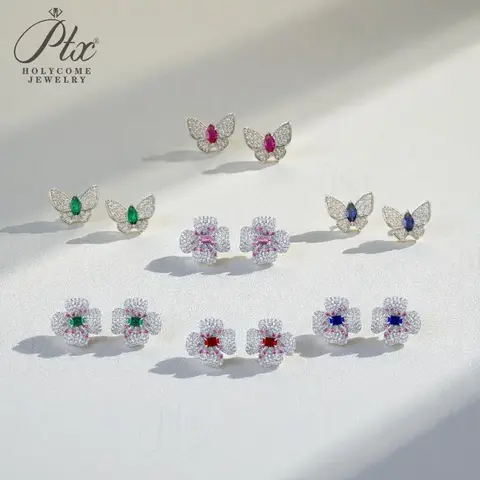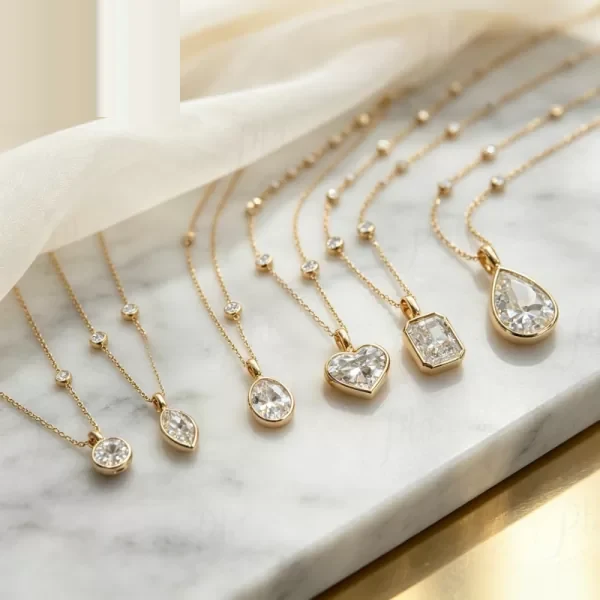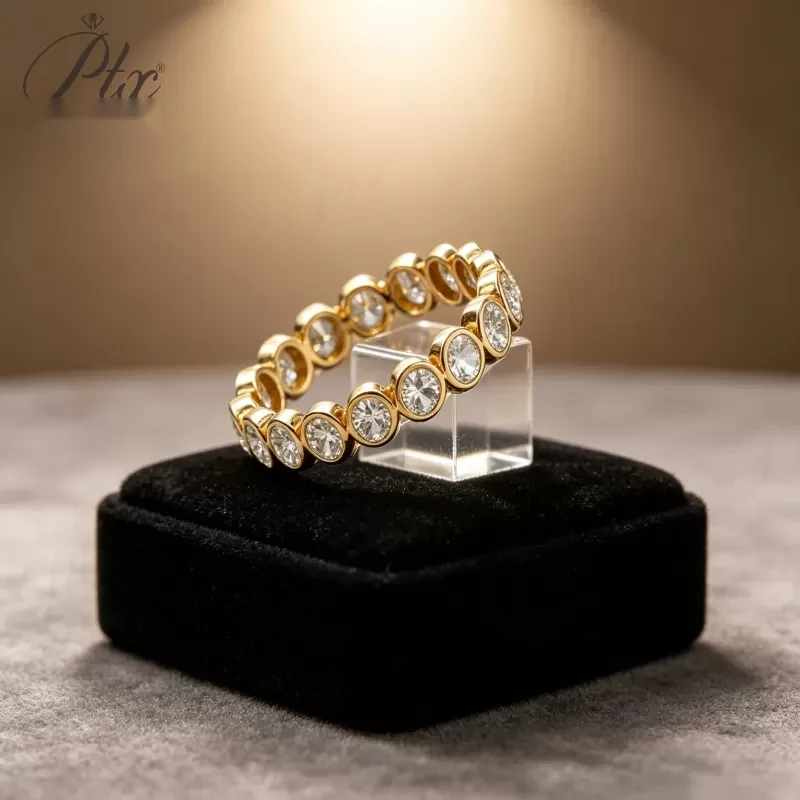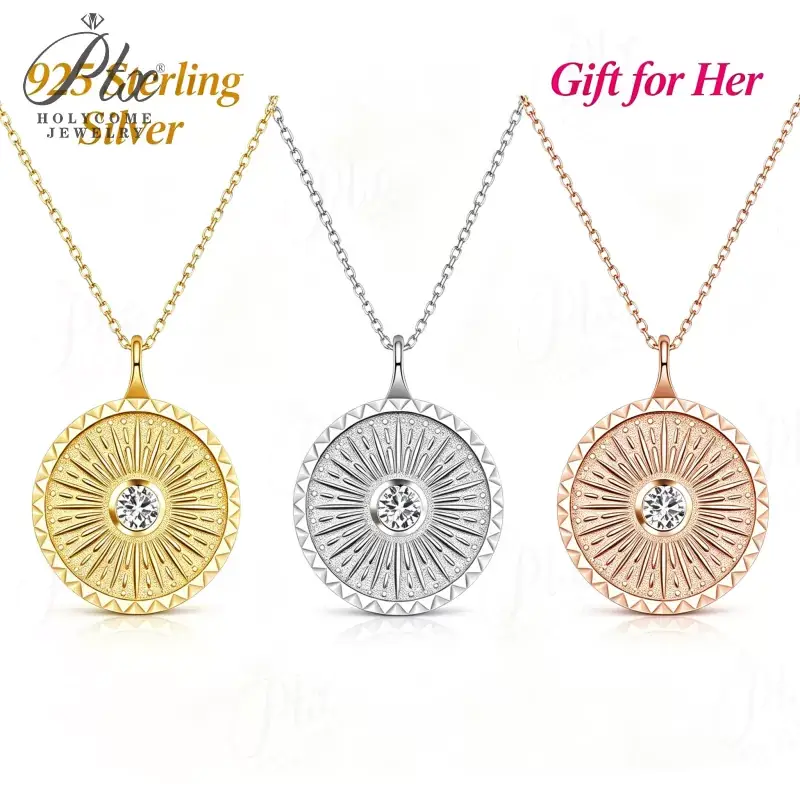
The most common reason jewelry does not sell online is not the price or the quality - it is the photo. A beautiful alloy ring shot on a cluttered desk under yellow light looks cheap no matter how good the piece actually is. The good news for small resellers is that you do not need a DSLR or a studio. A modern smartphone, the right light, and a handful of cheap tools can produce product shots that compete with much larger stores.

Photography matters more in jewelry than in almost any category because the customer is buying a shimmer they cannot touch. Your photo has to carry the sparkle, the fit, and the finish. These are the moves that actually change conversion, and none of them requires spending real money on gear.
1. Window light beats every ring light
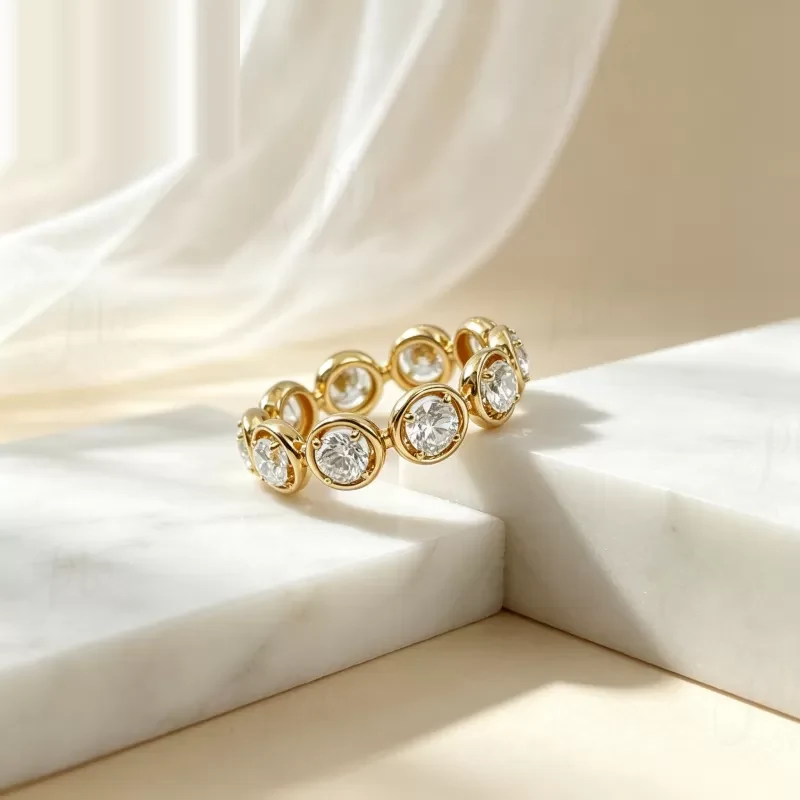
Harsh direct light blows out rhinestones and creates hot spots; dim indoor light makes alloy plating look dull. The best free light source is a north-facing window with sheer curtains diffusing the sun. Shoot in the morning or late afternoon when the light is soft. A cheap white foam board on the shadow side fills in the dark half. This alone will improve your photos more than any app filter, because jewelry lives or dies on soft, even highlights that read as sparkle rather than glare.
2. Get close with a clip-on macro lens
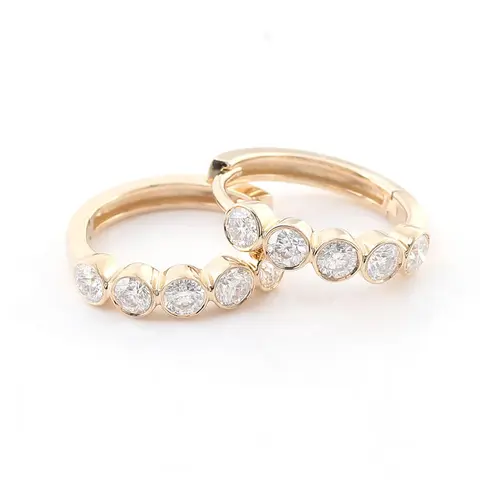
Jewelry is small, and phone cameras lose detail when they focus too near. A cheap clip-on macro lens lets you capture the sparkle of a stone and the crisp edge of plating - the detail shots that justify the price. Pair it with steady hands or a cheap phone tripod; camera shake is invisible until you zoom in, and then it ruins the shot. The macro close-up is also the image that separates an amateur listing from a professional one.
3. Shoot three shots per piece
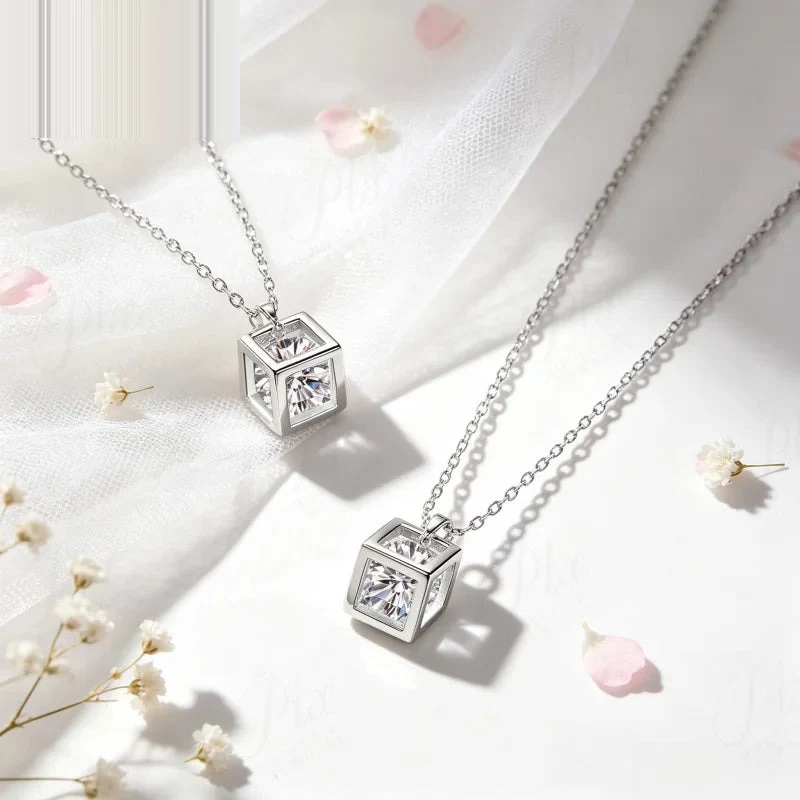
Listings with three angles convert better than single-image ones. Take the straight product shot on a clean surface, the detail close-up, and the lifestyle/fit shot - a hand wearing the ring or a neck showing the pendant length. The fit shot is what tells the customer the size; it is especially important for necklace length and neckline context, where a product-only photo leaves buyers guessing. The fit shot also reduces returns, because the customer can see how the piece actually sits.
4. Control your background
A plain linen card, a piece of slate, or a closed ring box does more than a busy tabletop. Neutral, uncluttered surfaces make the metal and stones pop. Avoid reflections of yourself, your hand, or your room - shoot at an angle and watch for what the glossy surface is mirroring. Styled context like the box setup above is fine; random mess is not. The background should support the jewelry, never compete with it.
5. Color-true your plating
The biggest complaint in jewelry ecommerce is color mismatch: 'the gold looked yellow in the photo but it is brassy in person.' Shoot in neutral daylight, not under warm bulbs, and resist the warm filters that tint your gold tone. What you show is what arrives - which protects you against the return cycle covered in handling and minimizing jewelry returns. If your shop uses a consistent white-balance setting across all listings, your brand starts to look like a real store rather than a random collection.
6. Use scale references
Customers cannot judge size from a floating close-up. Include a coin, a hand, or a ruler in one shot so the buyer understands the actual dimensions. This matters most for rings, where the fit conversation in alloy ring sizing starts with knowing the band's real width. A piece that reads as larger in a detail shot than it really is becomes a return the moment it arrives.
7. Edit lightly, consistently
Brighten slightly, correct the white balance, and keep every listing in the same visual language. Inconsistent photos across your shop signal an amateur operation; consistent ones signal a brand. You do not need heavy editing - you need consistency, which is why a simple preset or a fixed editing routine pays off across hundreds of listings.
8. Video the sparkle
A three-second clip turning a ring in the window light shows movement and flash in a way a still cannot. Social platforms reward video, and the same clip doubles as a listing video. For the TikTok jewelry trends that drive discovery, a moving shot is increasingly table stakes, and it costs nothing extra once your setup is already on the table.
9. Restage and reshoot your winners
When a piece starts selling, reshoot it in a better setup. Your best sellers deserve your best photos, because improving the image on an already-proven product is the highest-return photography work you can do. A small polish to an image that is already converting usually lifts conversion further, with zero inventory risk.
Jewelry photography on a phone is a skill, not an expense. Window light, a macro clip, three consistent shots per piece, and honest color will carry you further than a camera you do not know how to use. Treat your photos as part of the product, and the same inventory starts selling faster - and coming back less, because the customer already saw exactly what they ordered.
For third-party reference, the Wikipedia article on moissanite details moissanite’s discovery, optical properties and use in jewellery.
Related reading: How to Photograph and Display Jewelry Sets That Actually Sell, How to Select Jewelry for a Boutique That Actually Sells, How to Write Jewelry Product Descriptions That Actually Sell.
Frequently Asked Questions
How do I verify a factory before placing a bulk order?
Request a production video, business license, export records and a paid sample run. A factory that accepts a 50-piece test order is usually a real manufacturer.
What payment terms do you offer?
30% T/T deposit with the balance against the bill of lading. This protects both sides on first orders and can move to net terms after a track record.
What is your normal reject rate?
3–5% under 10x loupe inspection for cast and set pieces. Defective units are replaced free in the next shipment.
Where is the factory located?
Wuzhou, Guangxi, China—the core lab-grown and moissanite manufacturing cluster. Shipments go via Guangzhou or Shenzhen ports.