Every wholesale season starts the same question: what will customers actually buy? In 2026, fashion jewelry is moving toward a mix of bold statement pieces and quiet everyday staples, with personalization and color continuing to gain. For a buyer, the goal is not to chase every micro-trend on social media, but to stock the styles that have lasting momentum. This guide walks through the jewelry trends worth buying for 2026, how to read them, and which are safe bets versus risky bets.
The most profitable buyers do not buy trends; they buy the versions of trends that fit their own customer. A trend that dominates Gen Z social media may not suit a mature boutique. Read the trend, then translate it for the shopper already walking through your door.

Layered gold and the stacked look
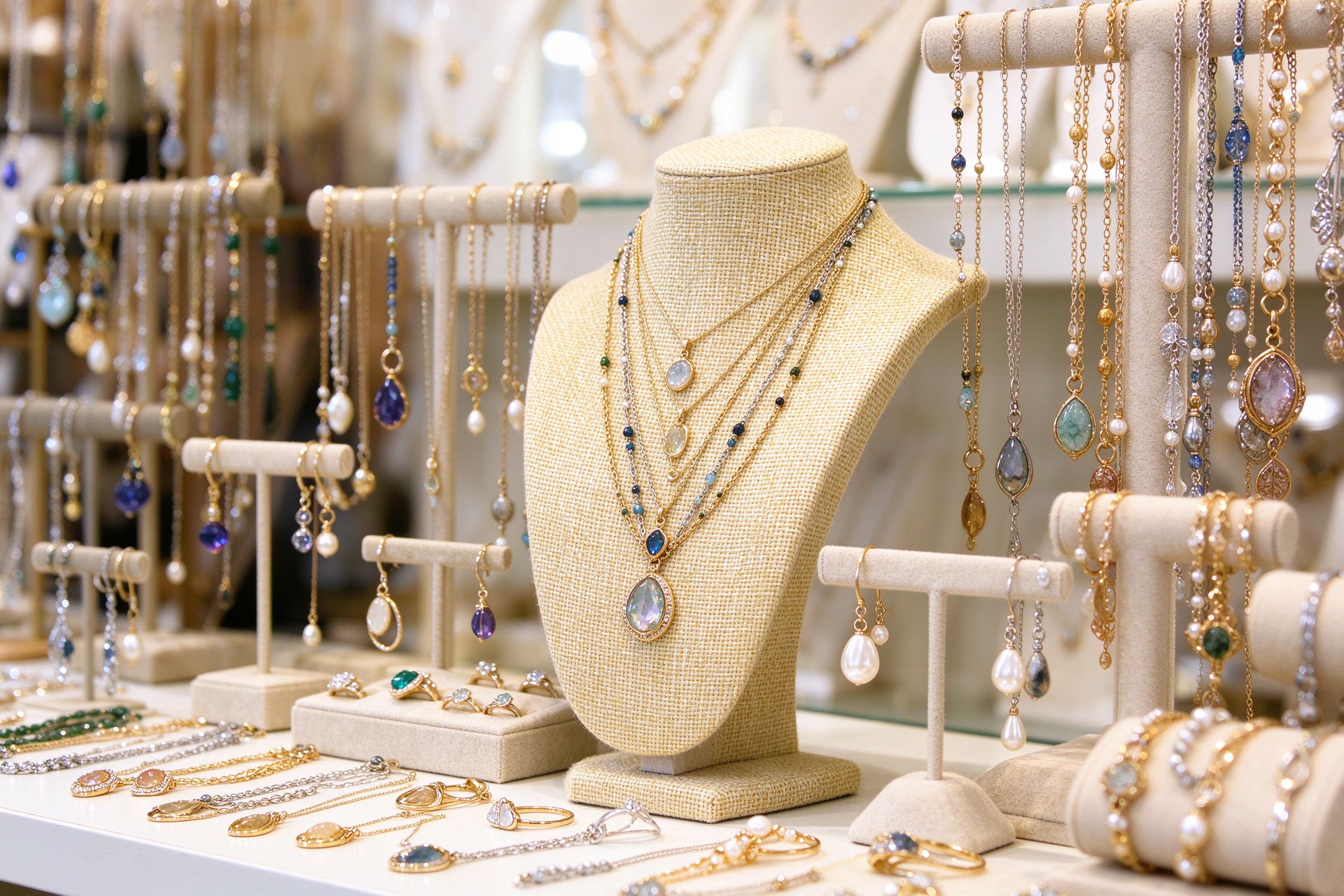
Layered necklaces remain one of the safest trends to buy. Customers who used to wear one pendant now stack three delicate chains at different lengths. This is great news for a buyer because it means multiple sales per customer. Stock thin gold chains in 40, 45 and 50 centimetre lengths, and pair them with small pendants. The look works across ages and budgets, and it repeats well. Because the chains are simple and cheap, the margin is excellent.
Chunky chains and hardware
At the opposite end, chunky curb and Figaro chains keep growing. Customers who want a bolder look are buying thicker gold-toned chains, often worn alone as a statement. These pieces have a higher price point and margin. They also photograph well, which matters if you sell online. Stock a few chunky chain necklaces and bracelets, and expect them to appeal to a younger, fashion-forward customer.
Statement earrings
Earrings are the fastest way to refresh a look, and statement shapes keep selling. Oversize hoops, geometric drops and embellished studs all find buyers. Because earrings are cheap to buy and high margin, they are the trend category to over-buy on. Mix a few bold statement pairs with everyday studs. A customer who buys one statement earring often adds a pair of studs to the same order.
- Layered gold chains: safe, repeatable, high margin.
- Chunky chains: bolder, higher price point.
- Statement earrings: fast turnover, multiple sales.
Color is coming back
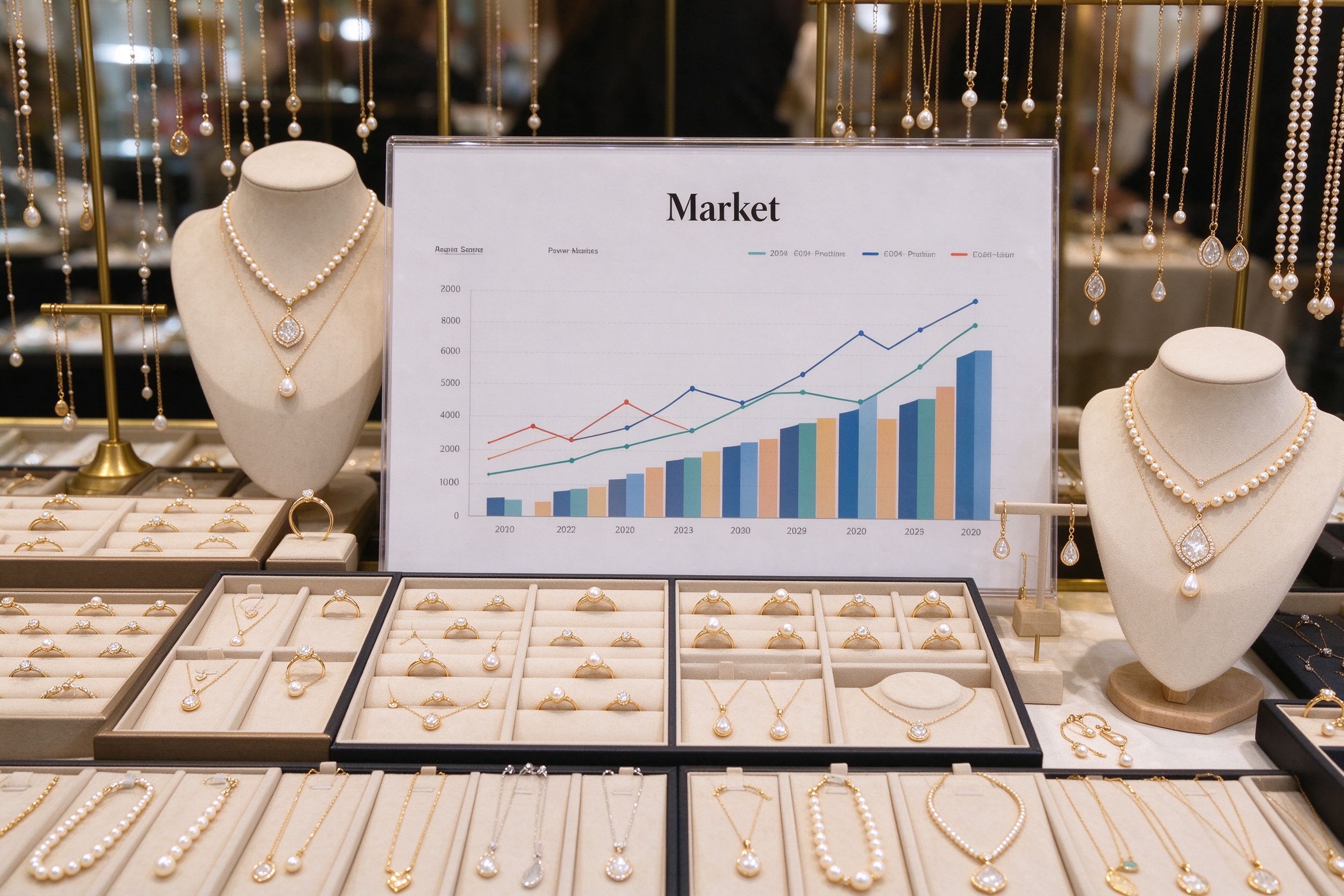
After years of mostly gold and silver, color is returning. Colored enamel, gems in vivid tones and two-tone pieces are gaining. You do not need to go all-in on color; a few enamel brooches, a pop of turquoise or red in a necklace, or two-tone rings gives your range a modern feel without alienating neutral lovers. Test color with a small order and expand based on reaction.
Personalization and initials
Initial jewelry and engraved pieces keep performing because they are gifts. Customers buy necklaces, bracelets and rings with a name or initial for birthdays, bridesmaids and holidays. Alloy pieces with a stamped initial are affordable and emotional, which means less price sensitivity. Stock a range of initials and be ready for gifting seasons. This is a trend that never really ends; it just refreshes each year.
What to skip
Not every trend is worth buying. Ultra-specific viral pieces that appear for two weeks and vanish are risky; you will be left with dead stock. Fad shapes tied to a single TV show or song often fade fast. Buy the underlying trend, not the specific fad. Stacking is durable; a particular viral charm is not. When in doubt, buy a small amount of the fad and a large amount of the durable trend behind it.
How to test a trend without overcommitting
Use the flexible MOQ. Order a small quantity of the trend, list it, and watch the sell-through. If it moves, reorder at a higher volume. If it sits, you lost little. This data-driven approach beats guessing. The buyers who test trends small and scale winners consistently outperform those who bet big on a hunch.
- Color: test small, add pops, not whole ranges.
- Initials: gift-driven, low price sensitivity.
- Avoid ultra-specific viral fads.
Matching trends to your customer
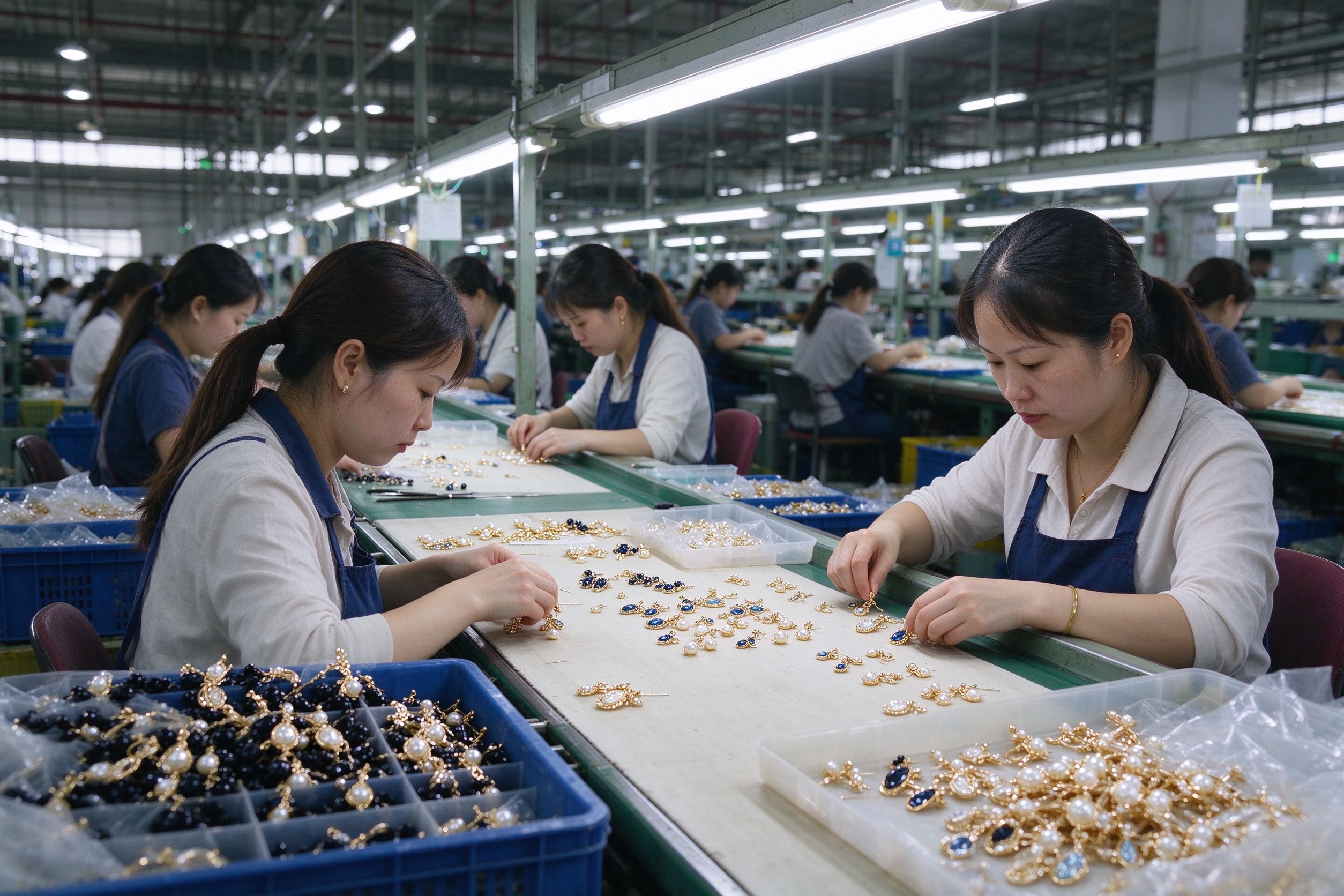
A young online store should lean into chunky chains and statement earrings. A mature boutique should favor layered classics and understated color. A bridal buyer should stock delicate, personal pieces. Resist the urge to stock a trend just because it is everywhere online; ask whether your customer would actually wear it. The best-trend buyers curate, not copy.
Planning your 2026 range
Build your range around a core of safe sellers, then add a smaller layer of trend pieces. Roughly eighty percent of your stock should be proven, repeatable styles; twenty percent should be new trends. That ratio keeps the shop fresh without gambling. Review sell-through each month and shift the mix. Done this way, you stay on trend while protecting the cash flow that the safe sellers provide.
Stock the trends that last
The 2026 jewelry market rewards buyers who balance bold trends with reliable staples. Layered gold, chunky chains, statement earrings, thoughtful color and personalization are the trends with real staying power. Test them small, scale the winners, and keep your customer in mind rather than the feed. The buyers who do this turn each season into a profitable refresh rather than a risky gamble.
Material and finish notes for the 2026 trends
Each trend has a finish that sells it. Layered gold should be warm, even and e-coated so it stays bright through daily wear. Chunky chains need a solid weight so they feel intentional rather than thin. Statement earrings need clean stones that do not cloud. Color pieces need even enamel with no cracks. When you order trend pieces, specify the finish as carefully as the design; a trend shape with a poor finish reads as cheap, and trends already carry a shorter shelf life, so quality matters more, not less.
A seasonal buying calendar
- January to February: Valentine's gifting, initials and romantic rose gold.
- March to April: spring color, pastels and lighter chains.
- May: Mother's Day pearls and elegant classics.
- June: bridal and wedding-season delicate pieces.
- September: fall color and back-to-school layering.
- November to December: gifting sets, charms and statement pieces.
Buy the seasonal trend ahead of the month, then clear it before the next one. Aligning inventory with the calendar means you are never stuck with Valentine's hearts in July. The buyers who plan six weeks ahead of each season consistently sell through more of what they stock.
Frequently asked 2026 trend questions
Should I stock gold or silver?
Stock the finish your customer already wears. If you are unsure, start with gold, which is the safest universal seller, and add silver where your audience is minimalist. Two-tone is a growing middle ground.
How much should I spend on trends?
Keep trend pieces to around twenty percent of inventory. The rest should be proven staples that sell year-round. Trends refresh the shop; staples pay the bills.
When should I reorder a trend?
Reorder only if it is selling faster than expected within the first weeks. A slow trend is not about to suddenly take off; clear it and move on.
How to test a trend with real data
A trend only becomes a seller once real customers vote. List a small quantity, run a few photos or a short social post, and watch the click and conversion rate over two to three weeks. Compare that against a known staple. If the trend outperforms, reorder; if it underperforms, clear it. This data-driven loop removes the guesswork that leads to dead stock. The buyers who test small and scale winners consistently beat those who bet big on a hunch, because the market, not the feed, decides.
Pay attention to which photos get the best response. A trend piece often looks better styled than flat. If a styled shot doubles the clicks, that tells you how to market the whole category. Treat each trend test as a small lesson in both product and marketing, and over a year you build an instinct for what your specific audience responds to, which no generic trend article can give you.
Finishes that define the 2026 look
The finish is half of any trend. Warm, slightly brushed gold reads modern and effortless; bright polished gold reads classic. Matte silver and gunmetal lean minimalist; rose gold leans romantic. When you stock a trend, choose the finish that matches the mood your customer already wears. A chunky chain in warm brushed gold reads 2026; the same chain in harsh bright gold reads cheaper. Specify the finish with the factory and keep the approved sample as your reference, because tone drifts between runs.
Quick trend triage
- Test for two to three weeks before reordering.
- Compare conversion to a known staple.
- Match the finish to your audience's mood.
- Clear underperformers instead of hoping.
Where trends meet margin
Not every trend is equally profitable. Earrings and thin chains carry the best margin and the fastest turnover, so lean on them even within a trend. Statement pieces may photograph better but cost more and turn slower. Balance the two: use the eye-catching trend piece to pull customers in, then sell them the high-margin staples that repeat. The smart buyer does not chase the trend alone; they ride it toward the reliable, profitable range underneath.
Building a trend budget that stays safe
Give trends a fixed, small budget so curiosity never threatens the core business. Decide ahead of the season how much you are willing to experiment with, and treat that money as tuition, not as a sure bet. Within that budget, test two or three new ideas and let the data pick the winners. The rest of the budget goes to proven sellers. This way, even a bad trend guess costs a known, small amount, while the winners surprise you on the upside.
Reading your own market instead of the feed
Social media shows global trends; your market is local and specific. A trend that dominates a young city audience may mean nothing to your suburban shoppers. Watch what your own customers actually pick up, ask and buy, and let that, not the algorithm, guide the next test. Over a season, your own sell-through data becomes a far better trend forecaster than any article, because it is about the people who actually spend money with you.
When a global trend does land in your shop, you will see it early in your data. Move on it fast while it is still fresh, and you get the upside before it saturates. The buyers who combine a small trend budget with their own sales data catch the right trends at the right time, without ever gambling the shop.
Trend discipline
- Set a small, fixed trend budget each season.
- Let your own sell-through pick the winners.
- Move fast on trends your data confirms.
- Keep the core eighty percent untouched.
Trust your data, not the noise
The 2026 trends are an opportunity, but the buyers who win are the ones who test small, watch their own numbers, and scale what their customer actually buys. Keep the core range steady, spend a little on experimentation, and let each season teach you something. Trends come and go; the shop that listens to its own customers lasts through every cycle. Buy the look, test the demand, and keep what sells.
Re-read your sell-through numbers before each buying season. The trend that worked last spring is your safest starting point for the next one.
Plan your 2026 buys around layered gold, chunky chains and statement earrings, test each new shape in small numbers, and let your own sell-through decide what you reorder. The data, not the feed, is your best trend guide.
