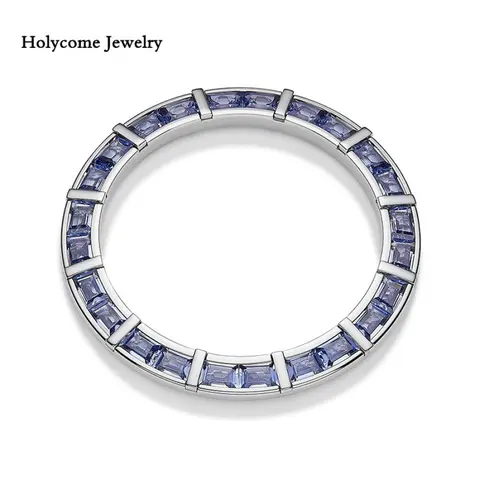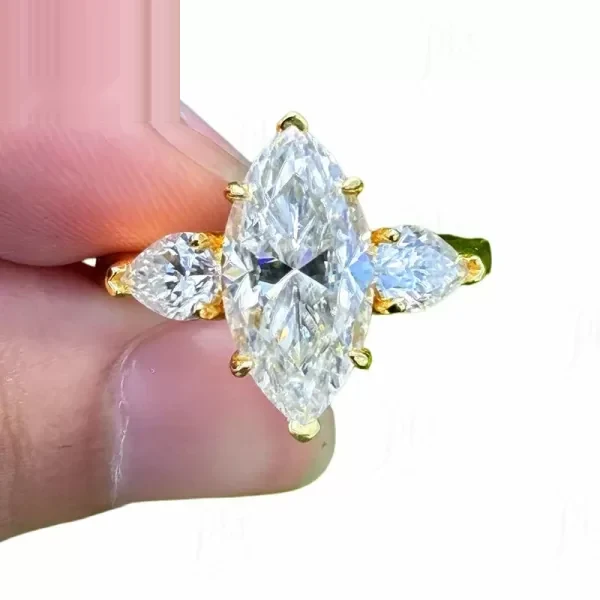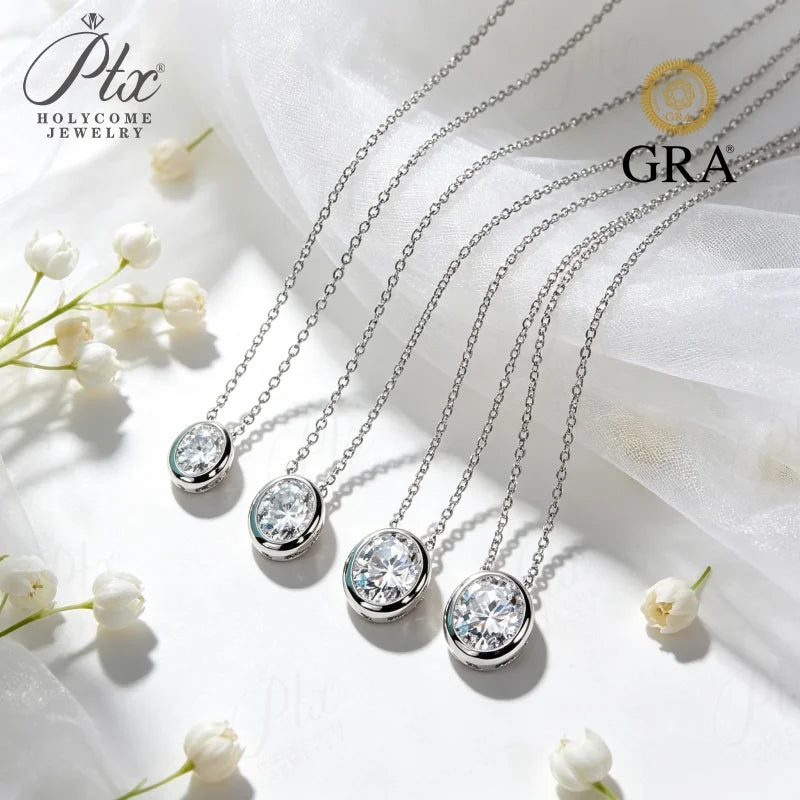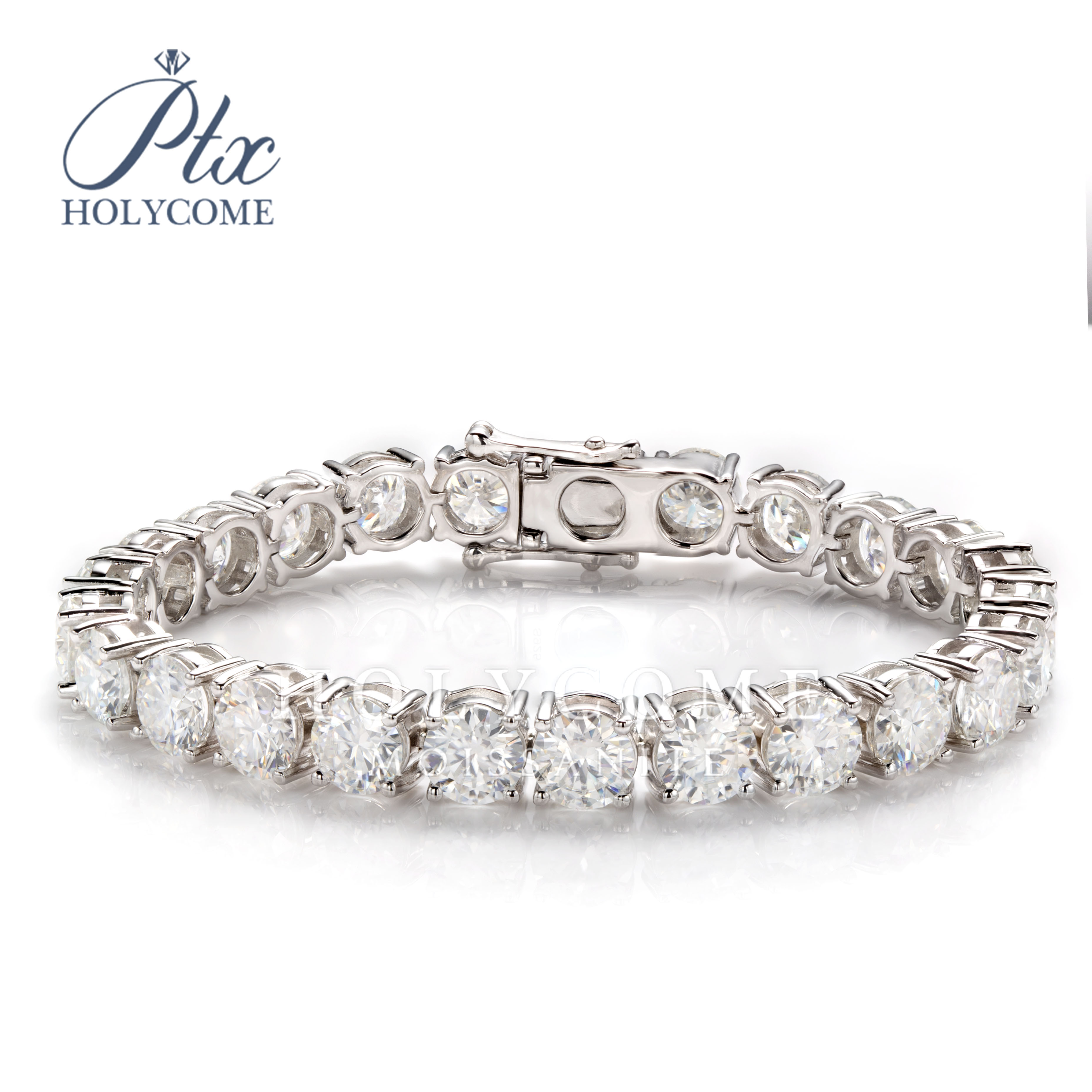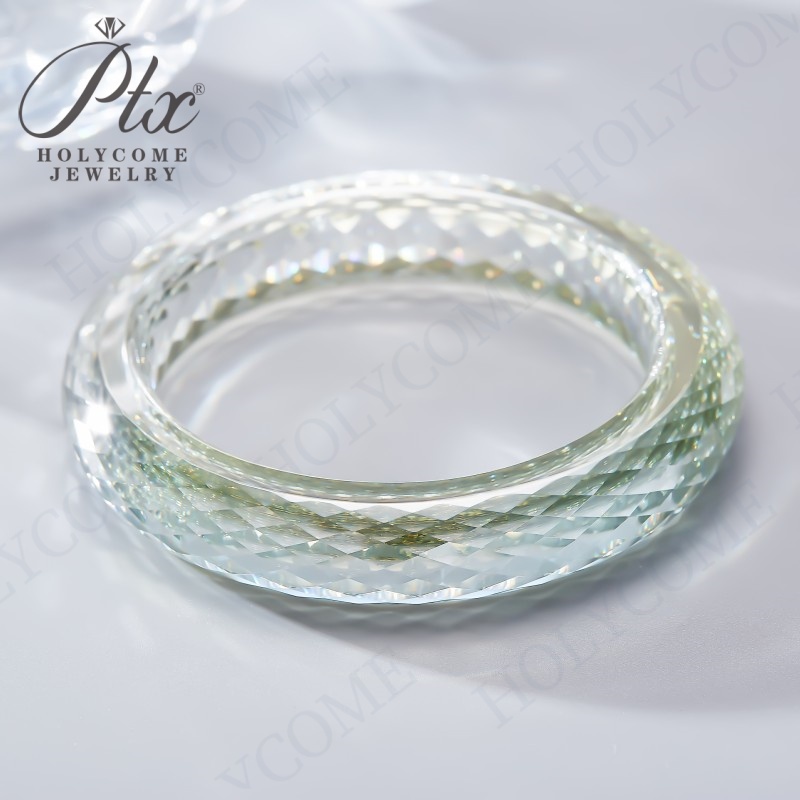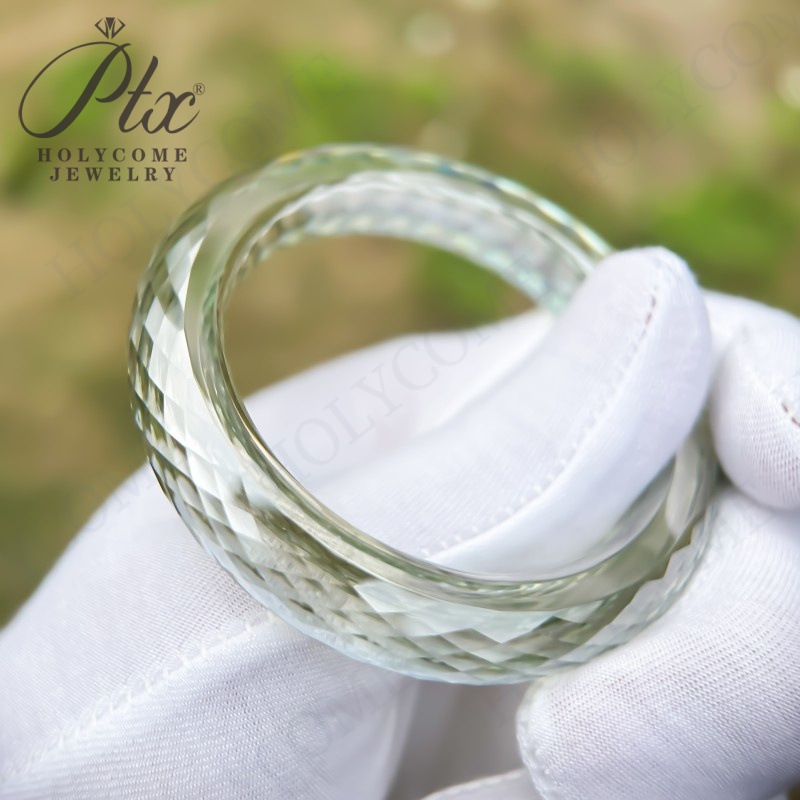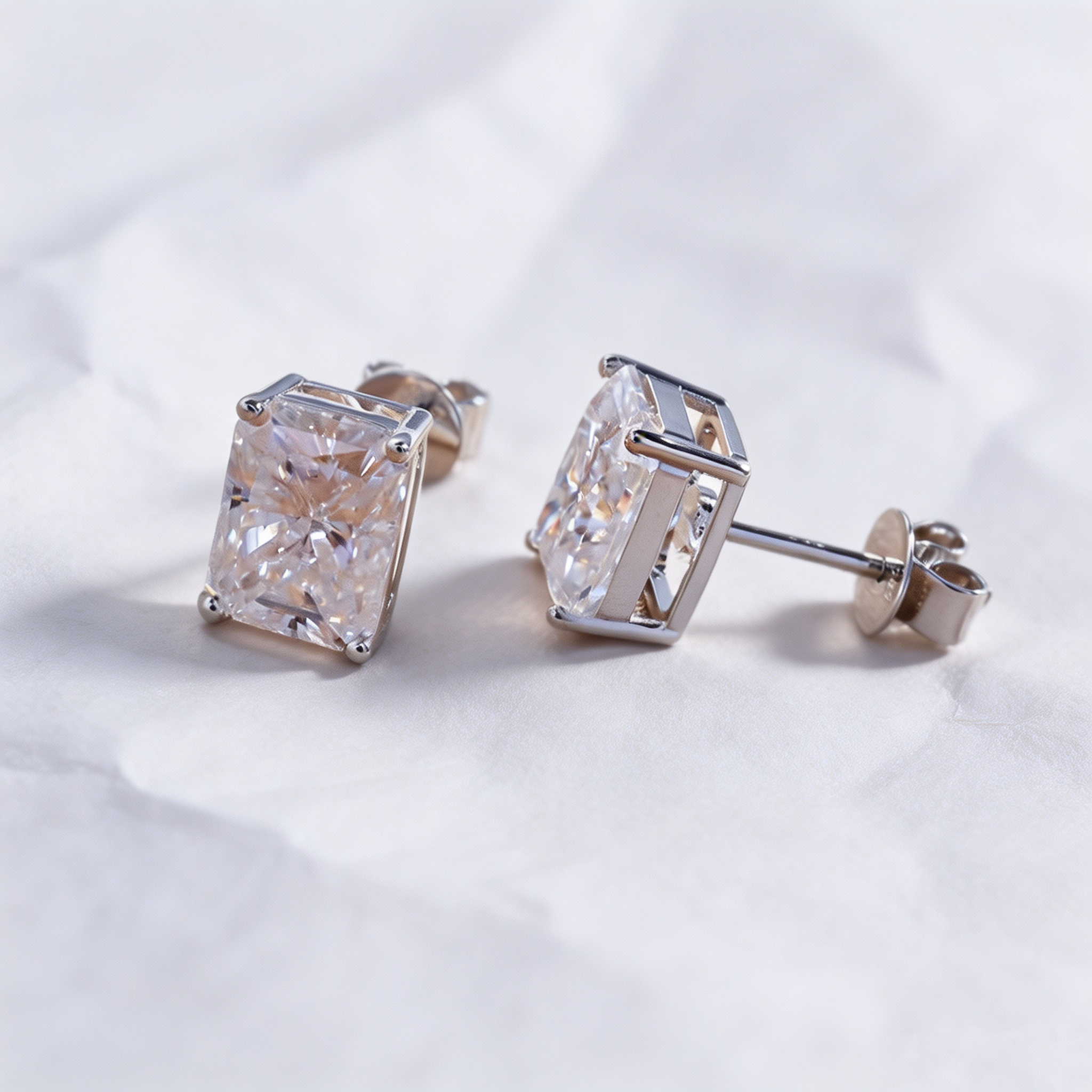
Sourcing (FTC jewelry industry guides) loose moissanite stones is a different game from buying finished moissanite jewelry. When you buy loose, you control the cut, the carat, the setting, and the margin. But you also inherit the grading questions most buyers never have to think about. For resellers who want to offer custom pieces, private-label bridal lines, or repair-and-replace services, understanding how loose moissanite is sold is the fastest way to avoid expensive mistakes.
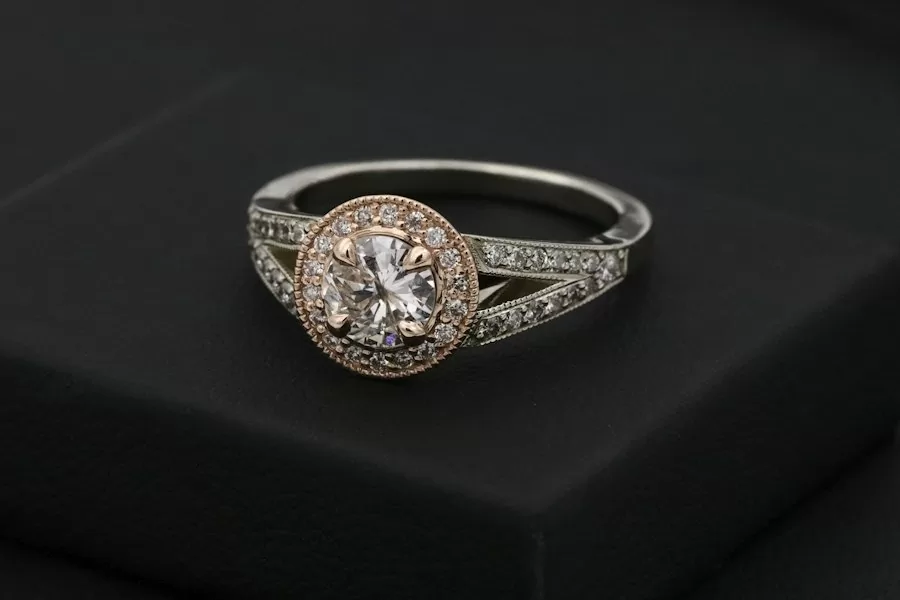
Carat Weight vs. Diamond Equivalent Size
Moissanite is less dense than diamond, so a one-carat moissanite stone measures slightly larger in diameter than a one-carat diamond. Sellers often quote sizes as "diamond equivalent carat" to make the comparison intuitive. A 6.5 mm round moissanite, for example, is marketed as a 1-carat equivalent even though its actual carat weight is lower. When you source wholesale, ask for both measurements: actual carat weight and millimeter diameter. That way you can match stock photos accurately and avoid customers complaining that the stone "looks smaller than the listing said."
Cuts Most Worth Stocking
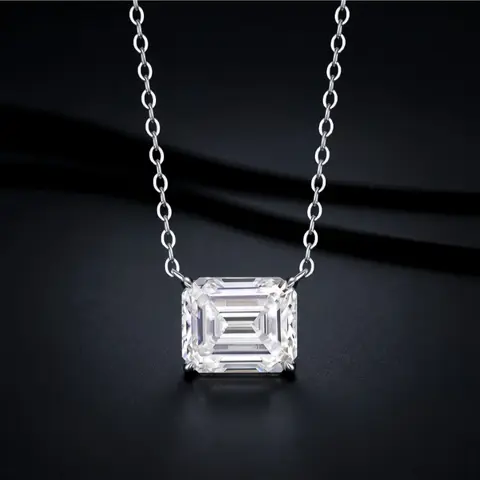
Round brilliant is the volume workhorse—it hides minor color variation, pairs with every mounting, and matches customer expectations. Beyond round, cushion and oval cuts have grown steadily in bridal because they read as modern without feeling trendy. Emerald and asscher cuts show more inclusions and color in moissanite, so they suit more experienced buyers rather than first-time custom clients. If you are starting out, build 70 percent of your loose stock in round, 20 percent in cushion or oval, and keep a small experimental 10 percent for trend tests.
Color Grades: Near-Colorless Is Enough for Most Buyers
Moissanite is graded for color much like diamond, typically from D (colorless) down through near-colorless ranges. A natural, very slight warmth is part of moissanite's character, and most customers cannot tell the difference between a D and a G grade in a mounted setting. For wholesale resale, stepping down from the top color grade to near-colorless saves real money per stone with almost no visible trade-off once the piece is set and worn. Reserve the absolute top grades for premium bridal engagements where buyers are specifically comparing against diamonds side by side.
Clarity and the "Eye-Clean" Standard
Lab-grown moissanite is generally very clean, but internal features can still appear. The practical buying threshold for resale is "eye-clean": no inclusions visible to the naked eye at arm's length. You do not need to pay premium for loupe-clean stones that no customer will ever examine. Ask your supplier for eye-clean stock photos of each stone, and order a sample first to verify the standard holds across batches.
Certificate, Consignment, and Sampling
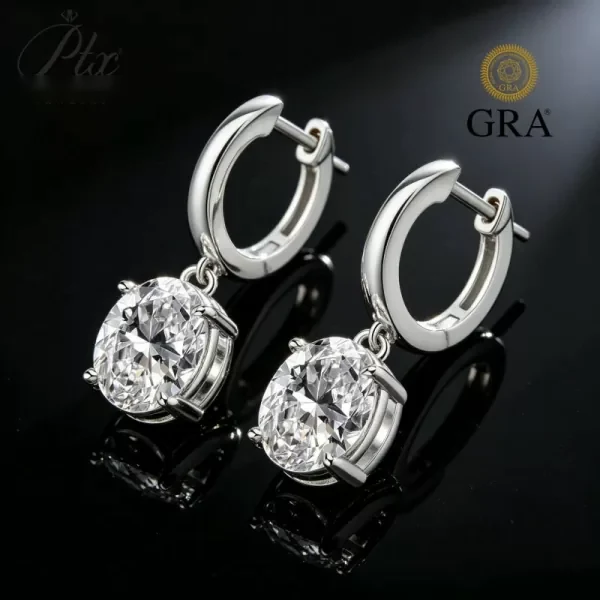
Reputable loose moissanite suppliers provide a certificate of authenticity with each stone, noting origin, cut, weight, and color grade. Insist on this even for small orders—it protects you when a customer asks for documentation. Before placing a large reorder, buy one stone in each carat size and cut you plan to stock. Examine the actual sparkle, check for windowing or dull zones in the pavilion, and compare two stones side by side. Consistency matters more than any single perfect stone, because a customer who orders a second ring expects the same look as the first.
Setting the Right Price Tier
Loose moissanite carries higher margin potential than finished jewelry because you control the mounting cost. Price the finished piece as a custom service rather than a commodity: the stone, the setting, and the labor are each transparent. Resellers who offer a small menu of mounting styles—solitaire, halo, three-stone—paired with your loose stone inventory find that customers happily upgrade, which lifts average order value without increasing your wholesale spend.
A Quick Sourcing Checklist Before You Reorder
Before placing a bulk order, run through a short list. Confirm the cut grading matches the photo; verify whether the supplier includes a certificate with every stone; ask about replacement policy if a stone arrives chipped; check minimums per carat size; and request a consistency sample of two stones in the same grade to compare side by side. Moissanite can vary slightly in its fire and color between production batches, and a supplier who openly shows you that variation is one you can trust long-term. The extra ten minutes of due diligence prevents a warehouse of stones that look subtly different from your website photos.
Treat loose stones as a long-term supply relationship rather than a one-off purchase. Once you find a consistent supplier, stick with them so your customer-facing product line stays visually predictable across reorders. Customers who love their first custom ring will come back for an anniversary band, and they expect the exact same stone quality the second time around.
Gemstone grading terminology used here follows the Gemological Institute of America’s gem encyclopedia.
Related reading: Loose Moissanite Stones Wholesale Factory Direct, Wholesale Moissanite Tennis Bracelets: A Reseller's Buying Guide, Moissanite Engagement Ring Settings: A Wholesale Buying Guide.
Frequently Asked Questions
Is moissanite a good diamond alternative for retail buyers?
Yes for price-sensitive customers who want brilliance and hardness. Moissanite ranks 9.25 on the Mohs scale, holds up to daily wear and costs a fraction of a natural diamond of the same size, so it resells fast in bridal and fashion lines.
What is the minimum order for wholesale moissanite?
MOQ starts at 50 pieces per design for stock items. Custom cuts and private-label settings usually start at 100–300 pieces depending on the mold.
Do you provide certificates with moissanite stones?
Yes. Every parcel ships with GRA or IGI documentation listing carat weight, color grade and cut. We recommend passing the certificate to your end customer for trust.
How long does sample and bulk production take?
Samples ship in 3–5 days. Bulk runs take 15–20 days under 500 pieces, and 25–30 days for custom work.