At the other end of the trend spectrum from bold Y2K is the quiet, minimalist jewelry movement, paired with a growing interest in sustainable and longer-lasting pieces. More customers are asking for jewelry they can wear every day, that does not tarnish in a week, and that feels responsible. For a wholesale buyer, this is good news: minimalist pieces are easy to stock, photograph cleanly, and carry repeat purchase. This guide explains the minimalist and sustainable trends worth buying, and how alloy factories can meet the demand without pretending to be fine jewelry.
The honest framing matters. Alloy is not fine jewelry, and it is not solid gold. But well-made, e-coated minimalist alloy can be durable, affordable and responsibly packaged, which answers most of what customers actually mean by "sustainable" at this price point.

What minimalist jewelry actually is
Minimalist jewelry is small, thin and unobtrusive: a thin plain chain, a tiny hoop, a simple band ring, a single small stud. It is designed to be worn every day and layered subtly. It sells because it is versatile; a minimalist piece goes with everything. For a buyer, minimalist ranges are easy because the shapes are simple and the repeat orders are steady. The margin is good because the production is simple.
Why minimalism sells
Customers are tired of jewelry they cannot wear to the office or under a sweater. Minimalist pieces solve that. They are also giftable because they suit almost anyone. A thin gold chain is a safe gift for any recipient. That universality means steady, predictable sales. Unlike statement pieces that date quickly, minimalist styles stay relevant for years, which means less dead stock.
Sustainable claims you can honestly make
Do not claim alloy is eco-gold. But you can honestly market responsible packaging, durable plating that lasts longer (so pieces are not thrown away after a month), and nickel-free skin-safe materials. Longevity is the most sustainable jewelry claim at this price: a piece that lasts a year is better than three pieces that each last a month. Position durable, well-finished alloy as "made to last" rather than as a recycled-metal statement.
- Thin chains and small hoops: everyday staples.
- Durable plating means less waste.
- Honest packaging and nickel-free claims.
Packaging as a sustainability signal
Customers associate sustainability with packaging. Simple, plastic-free or recyclable packaging makes affordable jewelry feel more considered. A small recycled-paper card or cotton pouch costs little but shifts the perception toward responsible. You do not need expensive packaging; you need clean, simple, recyclable packaging that matches the minimalist aesthetic.
Durability as the real trend
Beneath the "sustainable" language, customers really mean: "I do not want this to turn." The trend they are chasing is durability. That is great news for alloy buyers, because you can deliver it with e-coated, nickel-free plating. Sell the durability, not the ideology. A piece that does not tarnish is the sustainable outcome customers actually want. Make that the promise, back it with care instructions, and you satisfy the demand honestly.
Building a minimalist range
A minimalist range should be small and coordinated. Pick two finishes, say gold and silver, and stock a thin necklace, a small hoop, a simple ring and a slim bracelet in each. That is a tight, elegant collection that customers can layer. Resist adding loud pieces; the range should feel coherent. A customer who buys one minimalist piece often returns for the coordinating next one, which is the repeat purchase this trend rewards.
Pricing minimalist pieces
Minimalist pieces are cheap to make but should not be cheaply priced. Because they are durable and versatile, they sit at a calm, confident price point. A thin chain costing a few dollars wholesale retails well at a moderate price. Price them as everyday staples, not impulse bargains. The customer expects longevity, and the price should signal that.
- Keep the range tight and coordinated.
- Sell durability, not greenwashing.
- Price as staples, not bargains.
Who buys minimalist jewelry
This is a broad, repeat customer: office workers, students, and anyone who wants daily-wear pieces. It also includes customers burned by cheap jewelry that tarnished, now willing to pay a little more for something lasting. That buyer is loyal. Once a customer finds affordable jewelry that does not turn, they return again and again. That loyalty is the real prize of the minimalist trend.
Sourcing durable minimalist alloy
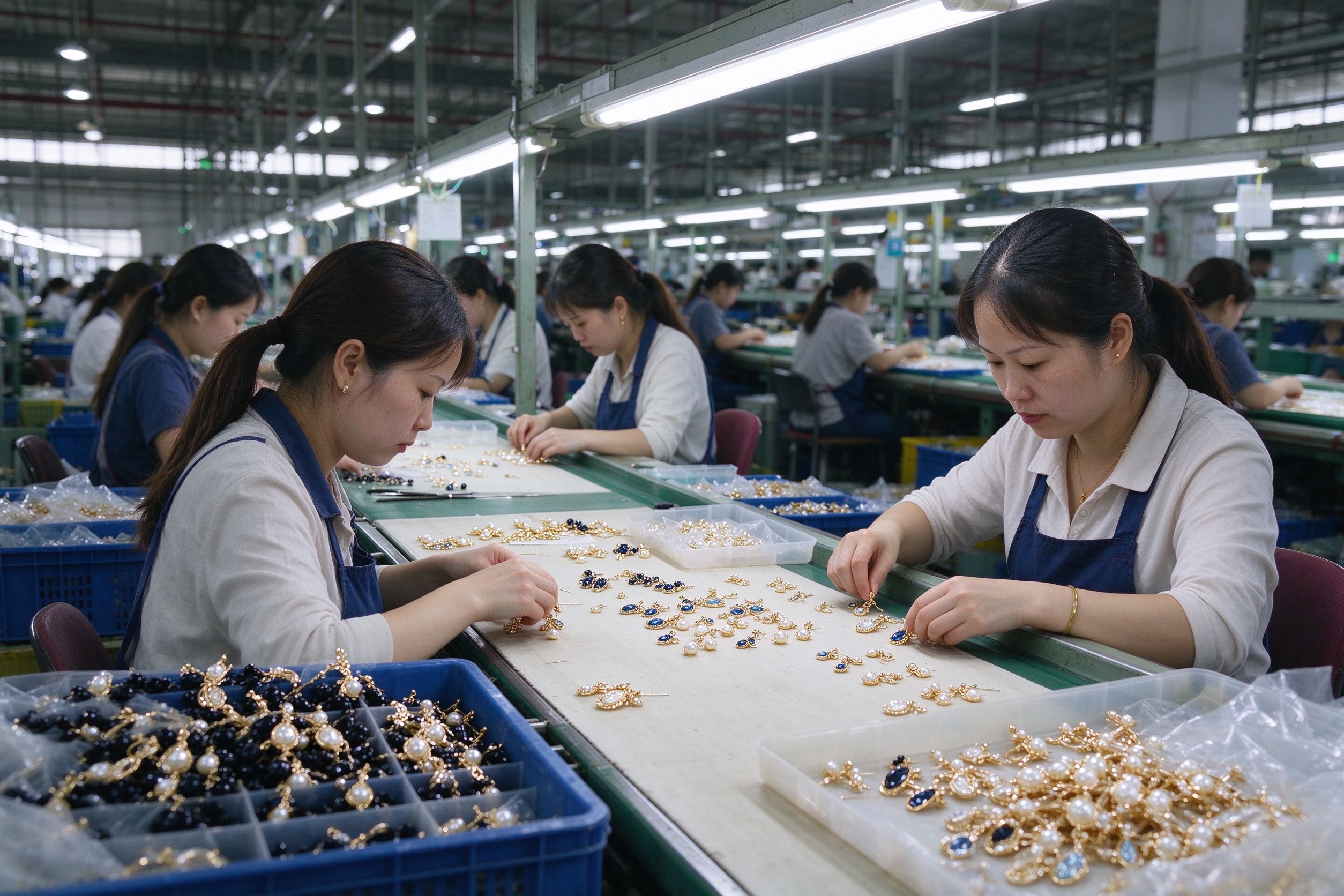
Tell the factory you want everyday-wear, e-coated, nickel-free pieces. Ask for the thicker plating and confirm the finish. Because minimalist shapes are simple, the factory can produce them consistently. Order a sample and wear it for a month before stocking; if it stays bright, you have found the durable everyday pieces your customers will reorder. This is one category where the sample test pays off directly in loyalty.
Buy quiet, durable and repeatable
The minimalist and sustainable trend is not about slogans; it is about durable, everyday, honestly-made pieces that customers wear and reorder. Stock thin coordinated staples, promise durability through proper plating, package simply, and price as the long-lasting basics they are. Done honestly, this trend builds the repeat customers that any jewelry business is built on.
Building a minimalist capsule range
A strong minimalist range is deliberately small. Choose one or two finishes, then offer a thin necklace, a small hoop, a simple band ring and a slim bracelet in each. That is a coordinated capsule customers can layer. Resist adding loud pieces; the power of minimalism is restraint. A customer who buys the thin chain will return for the matching hoops and then the ring. That repeat purchase is the point of the capsule, and it only works if the pieces clearly belong together.
Care, returns and the durability promise
When you sell minimalist everyday jewelry, set honest expectations. Include a care card: avoid water, perfume and sweat, store dry. This reduces returns dramatically because the customer knows how to protect the piece. Stand behind a short wear window; if a piece tarnishes within weeks despite care, replace it. That small generosity builds fierce loyalty. The minimalist buyer values reliability above novelty, and reliability is what they will pay you for again and again.
Pricing the durable basics
Everyday minimalist pieces are cheap to make but should not be cheaply sold. Price them as reliable staples rather than impulse bargains. A thin chain costing a couple of dollars wholesale can retail at a calm, confident price because it is durable, versatile and reorderable. Discounting these trains customers to wait; protect the price and compete on quality instead.
Frequently asked minimalist questions
Is "sustainable" just marketing?
At alloy price points, the honest sustainable claim is durability: a piece that lasts a year replaces three pieces that last a month. Sell that, plus simple recyclable packaging, rather than unverified recycled-metal claims.
Do minimalist pieces get boring?
They are staples, not excitement. They sell steadily because they go with everything. Add a small trend layer for excitement while the minimalist core pays the bills.
What is the easiest first minimalist piece?
A thin plain chain or a small hoop. Both are universal, cheap to stock and almost impossible to over-buy.
Why customers trade up to minimalist basics
Many minimalist buyers are people burned by cheap jewelry that tarnished in a week. They are willing to pay a little more for something that actually lasts. That makes them a loyal, high-value segment. They do not want to think about their jewelry; they want one reliable chain they can wear daily. Once you earn that trust with a durable, e-coated piece, they come back for the matching hoop, the ring, the bracelet. Selling to this customer is about consistency over novelty, and the repeat orders more than make up for the smaller range.
Honesty is what earns the trust. Do not overpromise waterproof or lifetime; instead promise "built to last with reasonable care" and back it with a care card. Customers forgive ordinary wear when they were told how to care. They never forgive a piece that tarnished despite no care instructions. Set the expectation correctly and returns stay low.
The honest sustainability story
At alloy price points, the most credible sustainable claim is longevity. A piece that lasts a year replaces three pieces that last a month, which is genuinely less waste. Pair that with simple, recyclable packaging and you have an honest, appealing message without greenwashing. Avoid unverified claims about recycled metals or ethical mining that you cannot document. Customers are skeptical of hollow sustainability language; they respond to "this is made to last" when it actually does.
Honest claims vs overclaiming
- Claim: durable plating, nickel-free, recyclable packaging.
- Avoid: unverified recycled-metal or lifetime claims.
- Sell the outcome: less waste because it lasts.
- Back every claim with a care instruction.
Building a capsule that grows with the customer
Start a minimalist line with four pieces in two finishes: a thin chain, a small hoop, a simple ring and a slim bracelet. That is a complete capsule. As customers trust you, they collect the whole set. Introduce one new minimal shape per season rather than many, so the range stays coherent. A small, coordinated, durable range sells steadily for years, which is exactly the low-risk, repeatable foundation a jewelry business wants.
Why the minimalist customer stays loyal
Customers who buy durable basics rarely jump around. Once they find affordable jewelry that does not tarnish, they trust the source and return for every new piece. That loyalty is the prize. It means repeat orders, word of mouth and reviews that sell for you. In a market full of disposable trends, reliability is a genuine differentiator. The minimalist range may look quiet, but the customer lifetime value is often higher than for flashy, trend-driven pieces.
Care instructions that protect both sides
A short care card is the cheapest return-prevention tool there is. Tell customers to avoid water, perfume and sweat, to store the piece dry, and to put it on last after getting dressed. Frame it as helping the piece stay beautiful, not as a warning. Most tarnish complaints come from untreated exposure, and a one-line card prevents them. When customers know how to care, the same plating lasts far longer, and your reviews stay clean.
Because this customer values consistency, keep the capsule stable rather than chasing novelty. Introduce one new minimal shape per season so loyal buyers have something new without the range feeling chaotic. A steady, recognizable core turns a small line into the everyday jewelry a customer builds their look around, which is the most durable kind of brand there is.
Minimalist loyalty loop
- Deliver durable, e-coated basics.
- Include a simple, friendly care card.
- Keep the capsule stable; add one piece a season.
- Trust the repeat customer over the one-off trend buyer.
The quiet trend that lasts
Minimalism and honest durability are not flashy trends, which is precisely why they last. Customers who want reliable everyday pieces will keep buying them year after year, and they reward consistency with loyalty. Stock a tight, coordinated capsule, promise durability through proper plating, package simply, and care for the customer after the sale. In a noisy market, the quiet, well-made, long-lasting piece is often the one that builds the business.
Add the care instructions to every product page before launch. Honest expectations cut returns and make the durable pieces feel even more trustworthy.
Build a small coordinated capsule of thin chains, small hoops, simple rings and slim bracelets, then let customers collect the set. Durable, honestly described basics are the repeat-purchase engine of the whole range.
Start with a thin chain and a small hoop in gold and silver, and let the capsule grow from there. It is the lowest-risk, highest-loyalty way into the minimalist trend.
