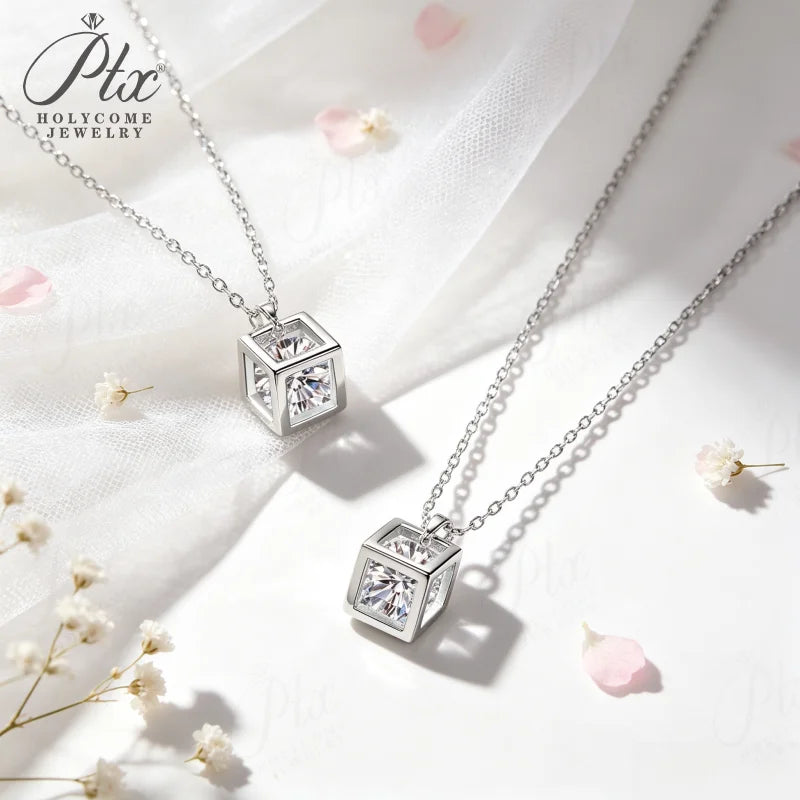
Pendants are where moissanite shows up on a customer's chest every single day, which means the stone gets more eyes on it than a ring or bracelet. For wholesale buyers, that visibility turns pendants into repeat-order SKUs once a customer's first piece wears well. This guide covers the shapes, chain lengths and settings that move.
Solitaire pendants: the anchor SKU
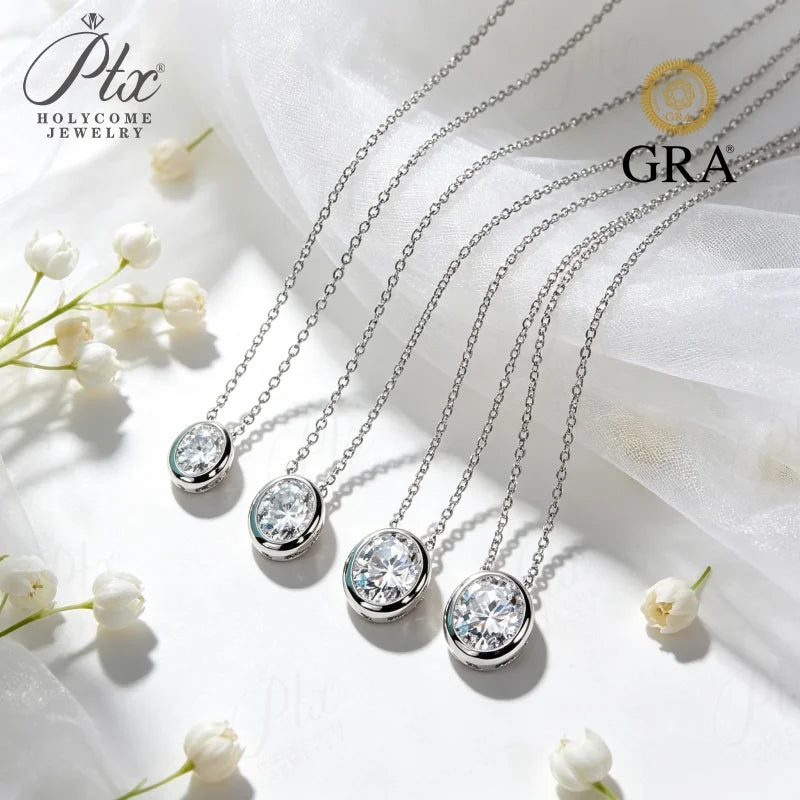
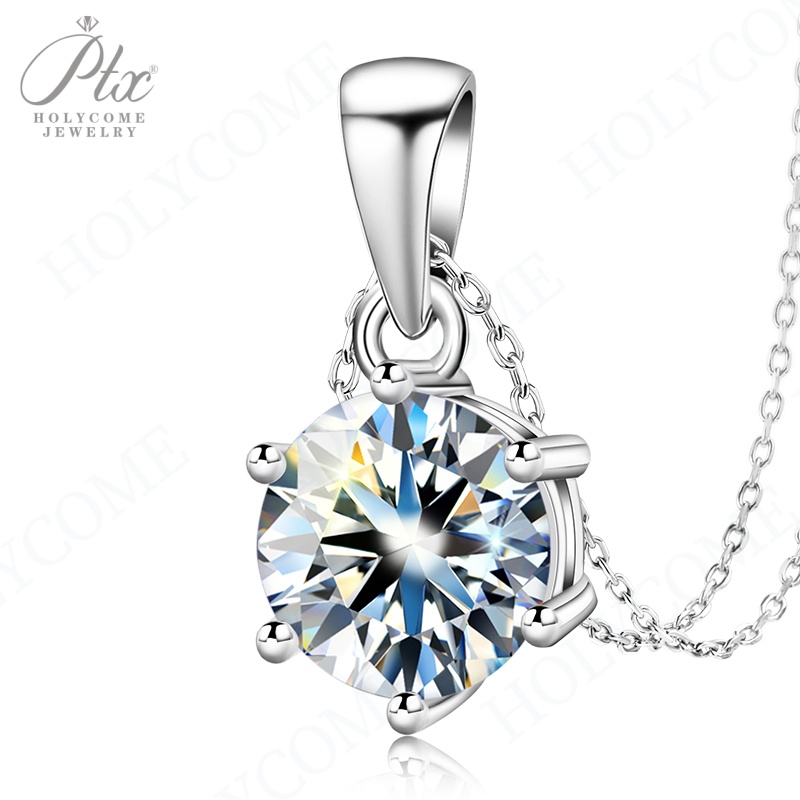
A single moissanite on a thin chain is the classic pendant and the easiest seller. The four-prong and basket settings let light pass through the stone from both sides, which is essential for a pendant because it does not have the finger underneath to reflect light back up. When sourcing, ask whether the setting is open-backed. A closed-backed pendant kills the sparkle and should be avoided unless it is a vintage-style design.
Halo and cluster pendants
Halo pendants surround a center stone with smaller moissanites, multiplying the visible sparkle at a modest cost increase. They photograph beautifully and read as a much larger stone than the center carat weight suggests. Cluster pendants take this further by arranging several stones into a starburst, teardrop or floral shape. Both styles skew younger and gift-driven, which makes them strong performers around holiday and graduation seasons.
Shape choice for pendants
Round and cushion pendants are the safest sellers. Pear-shaped pendants have had a strong run because the point elongates the neck. Heart shapes move in spikes around Valentine's Day and anniversaries, so they are a seasonal stock rather than a year-round staple. Read more about shape differences in our moissanite shapes guide.
Chain length and weight
Pendant success depends on the chain sitting at the right spot. The 16 to 18 inch chain is the default for most women and sits at the collarbone. The 20 to 24 inch chain lands lower on the chest and works for layering. When sourcing, ask whether the chain is included in the pendant price or sold separately. Many suppliers quote pendant-only pricing, and a separate fine chain can add 20 to 30 percent to your landed cost. For chain basics, our necklace chain types guide breaks down cable, rope, box and figaro options.
Metal tones and plating
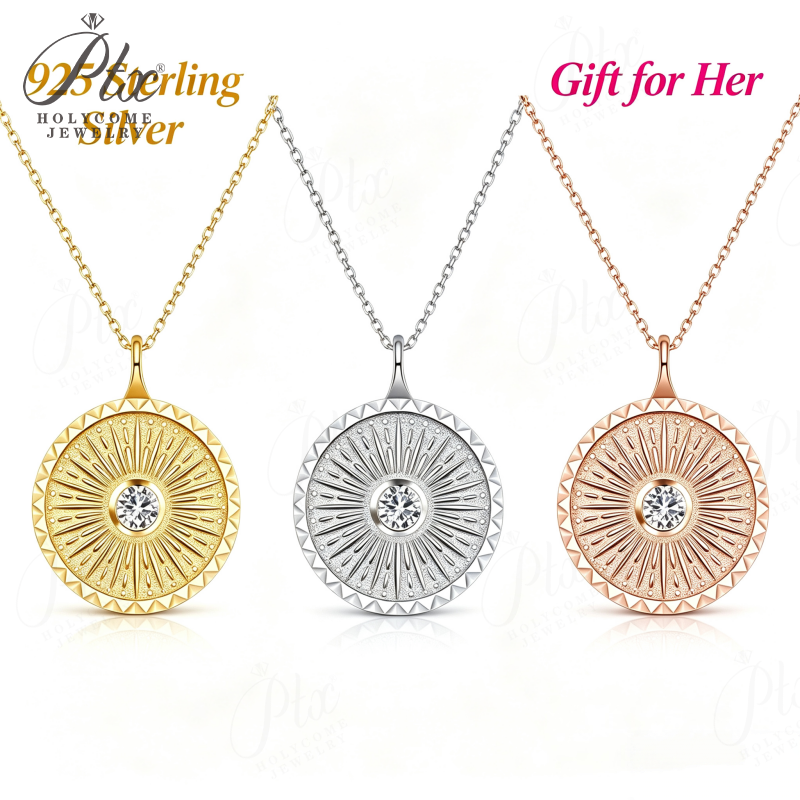
Silver-tone rhodium is the default for white moissanite. Yellow gold plating warms the stone slightly and pairs well with cushion and vintage shapes. Rose gold plating continues to sell to younger buyers and works especially well with pear and heart pendants. If you stock all three tones, make sure the stone color stays consistent across them; a warm moissanite under rose plating can look fine, but under silver plating it will read as yellow.
Everyday pendants vs statement pendants
The everyday pendant is small, understated, and meant to be worn without taking it off. Buyers want something light that does not catch on clothing, and they care more about chain comfort than carat weight. The statement pendant is worn for evenings, weddings and photos, and buyers will pay up for a larger stone or an intricate cluster. Stock both: the everyday piece drives repeat purchases and word of mouth, while the statement piece carries your higher margin. A common mistake is overstocking statement pendants and understocking the small everyday pieces that actually sell month after month.
Layering pendants with other necklaces
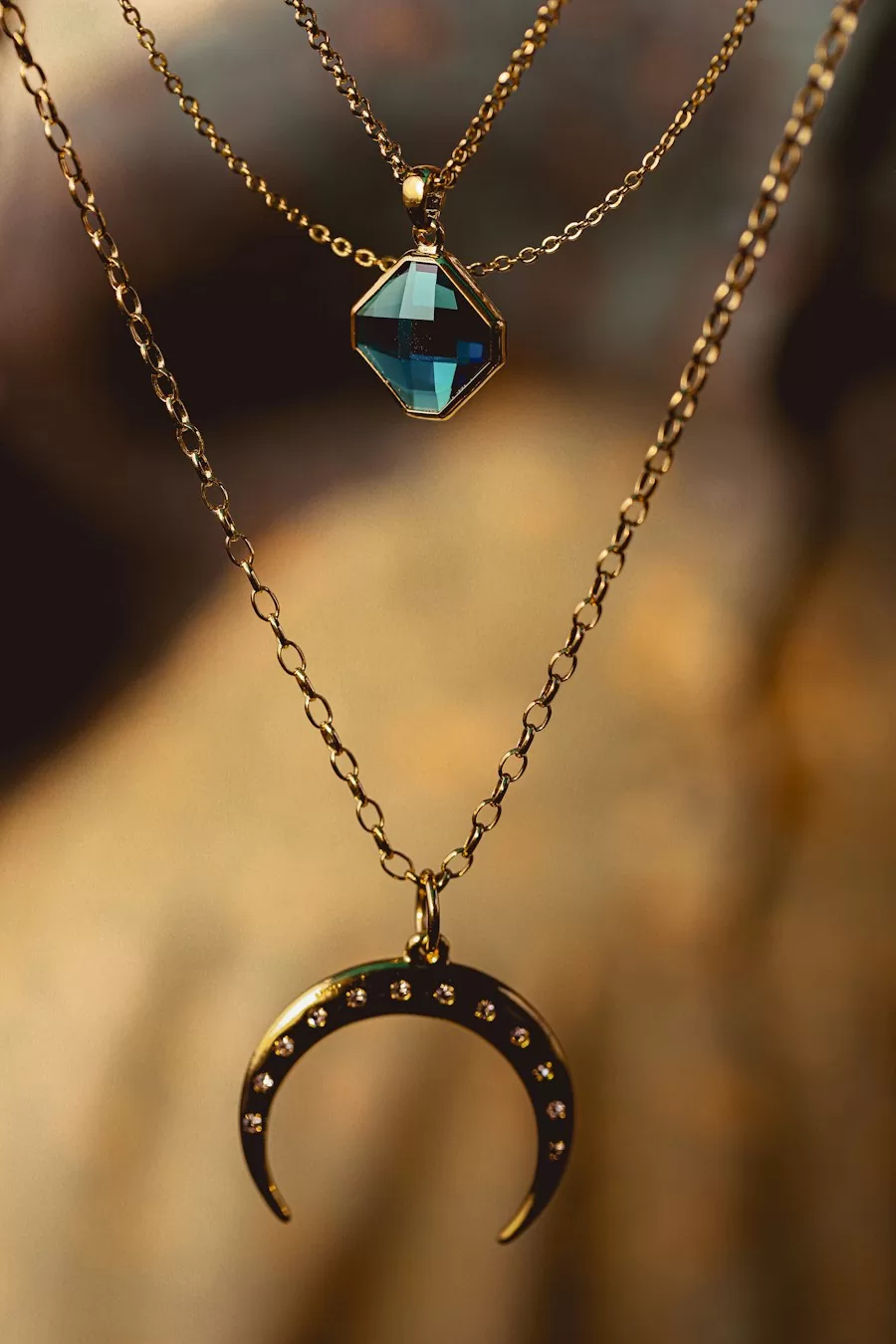
Pendants now sell into a layering context, where customers wear two or three chains at once. That means the bail matters. A small, closed bail keeps the pendant sitting flat against the chest, while a large open bail lets it swing freely. For layered looks, a small bail is easier to mix with other chains. When sourcing, ask for the bail opening size so you can describe layering compatibility in the product copy. Our layering necklaces guide covers the styling side.
Pendant pricing tiers
Price pendants in three bands so customers can self-select. The entry band covers small solitaire pendants on a plated chain, aimed at impulse and gift buyers. The mid band covers 1 carat solitaires and small halos, aimed at everyday wearers who want a step up. The statement band covers 2 carat-plus halos and clusters, aimed at evening and bridal. Anchoring with the statement piece makes the mid band look reasonable, which is where most of your sales will land.
Why pendants reduce returns
Rings come back for sizing issues. Studs come back for lost backs. Pendants come back less often because the chain length can be adjusted with an extender and the pendant itself is one fixed unit. That lower return rate, combined with strong perceived value, makes pendants one of the most efficient categories to scale once you have tested a supplier. Pair a pendant with matching studs for a gift set to lift order value, as covered in our matching sets vs mix-and-match guide.
For third-party reference, the Wikipedia article on moissanite details moissanite’s discovery, optical properties and use in jewellery.
Frequently Asked Questions
Is moissanite a good diamond alternative for retail buyers?
Yes for price-sensitive customers who want brilliance and hardness. Moissanite ranks 9.25 on the Mohs scale, holds up to daily wear and costs a fraction of a natural diamond of the same size, so it resells fast in bridal and fashion lines.
What is the minimum order for wholesale moissanite?
MOQ starts at 50 pieces per design for stock items. Custom cuts and private-label settings usually start at 100–300 pieces depending on the mold.
Do you provide certificates with moissanite stones?
Yes. Every parcel ships with GRA or IGI documentation listing carat weight, color grade and cut. We recommend passing the certificate to your end customer for trust.
How long does sample and bulk production take?
Samples ship in 3–5 days. Bulk runs take 15–20 days under 500 pieces, and 25–30 days for custom work.