Most bridal customers do not buy just an engagement ring. They buy a band to go with it, and often a matching band for their partner. That makes moissanite wedding bands the highest-value upsell in the whole bridal category. The tricky part is fit: a band that does not sit flush against an engagement ring will get returned. This guide covers what to order, how to match sets, and how to price bulk bands for profit.
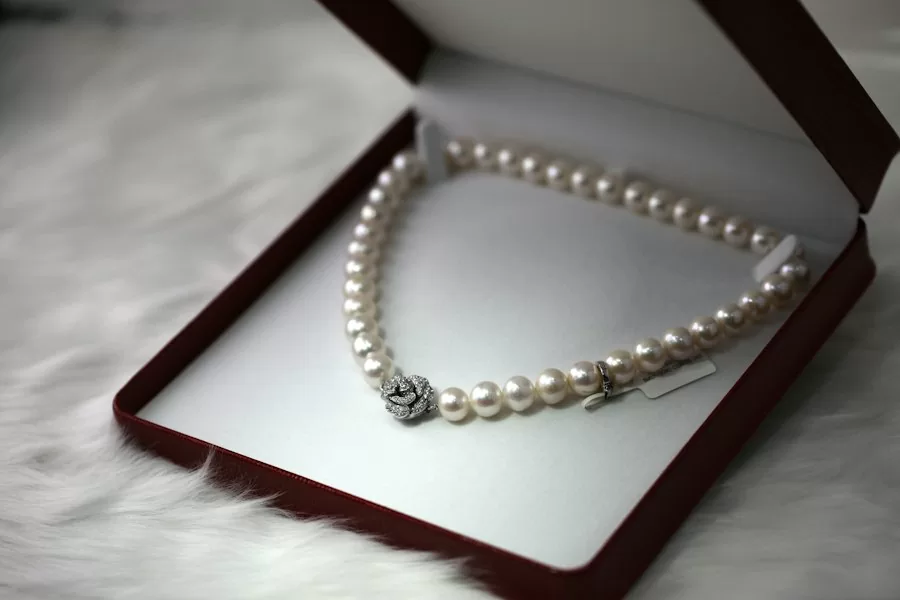
The band profiles customers actually choose
Flat or pipe bands. A simple, unadorned band in flat profile is the default for men and a clean, modern choice for women who want no stones. It stacks easily, resizes well, and has the lowest production cost.
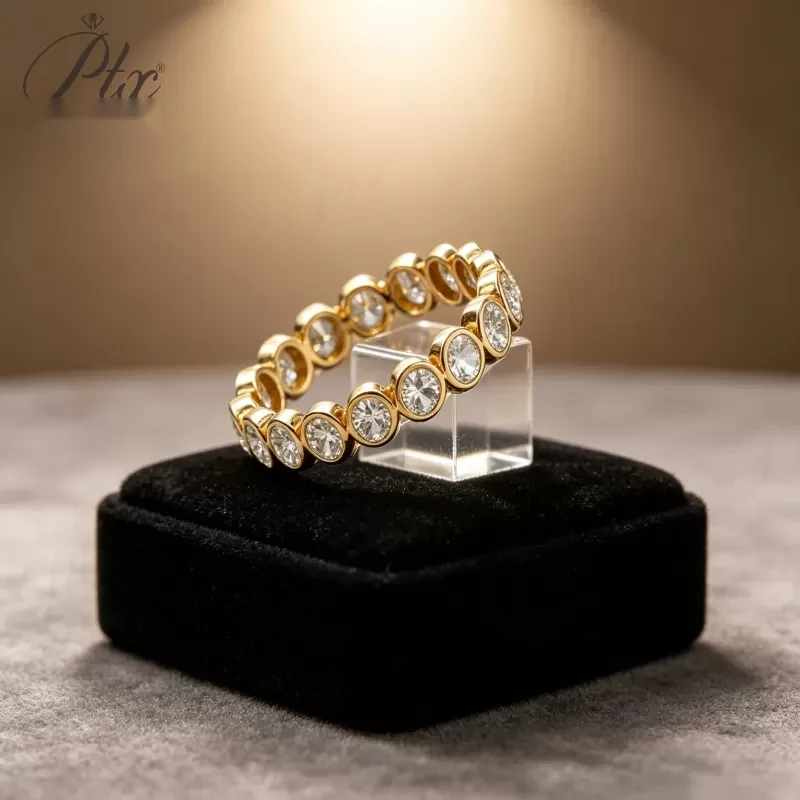
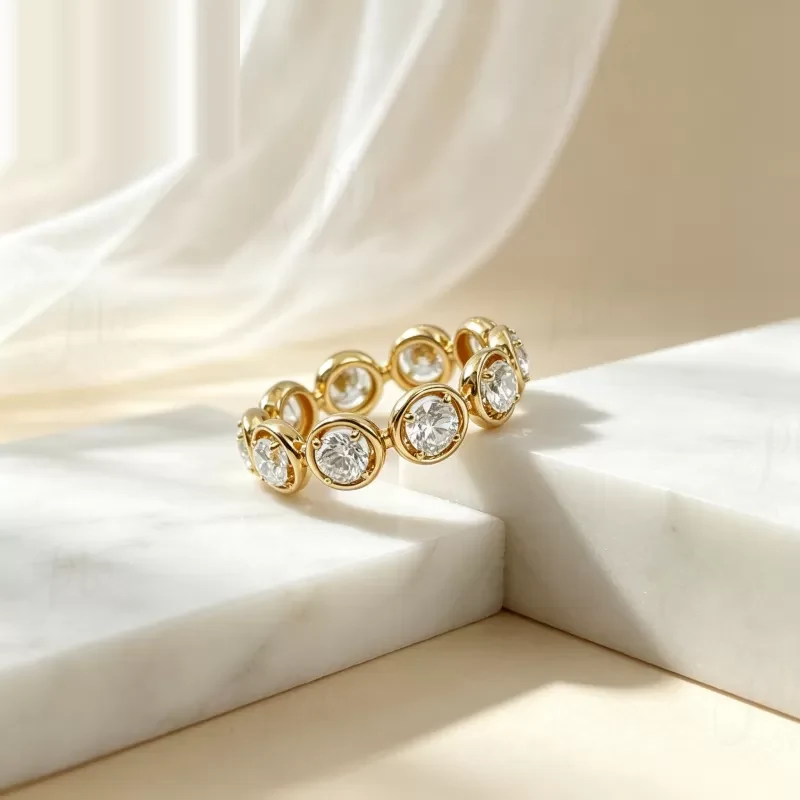
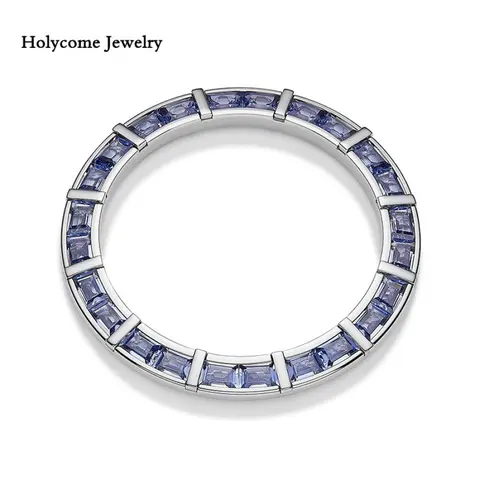
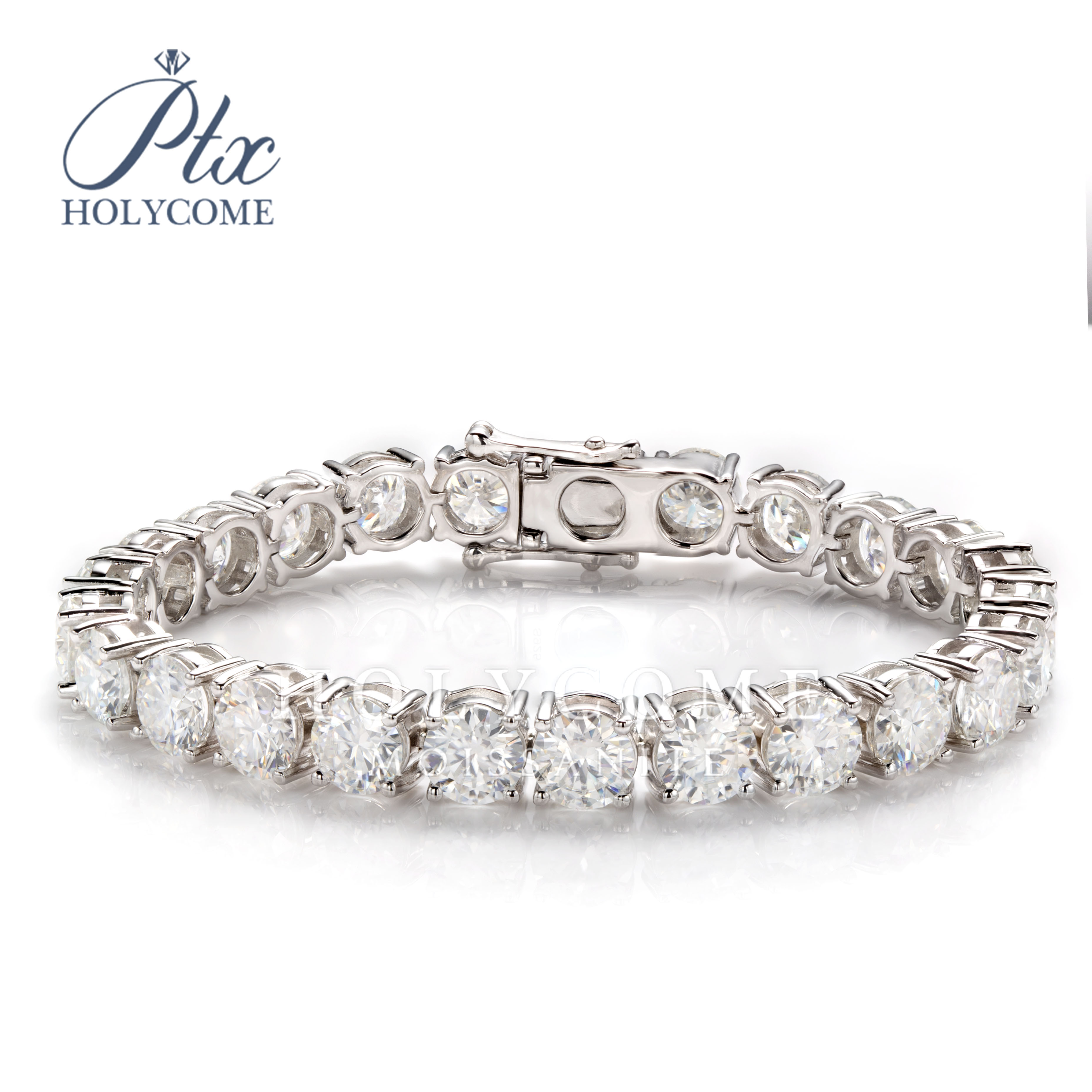
Eternity bands. A continuous row of small moissanites around the full finger is the classic bridesmaid and anniversary piece. Half-eternity bands (stones across the top half only) cost less and are more practical to resize, so they sell at a friendlier price point.
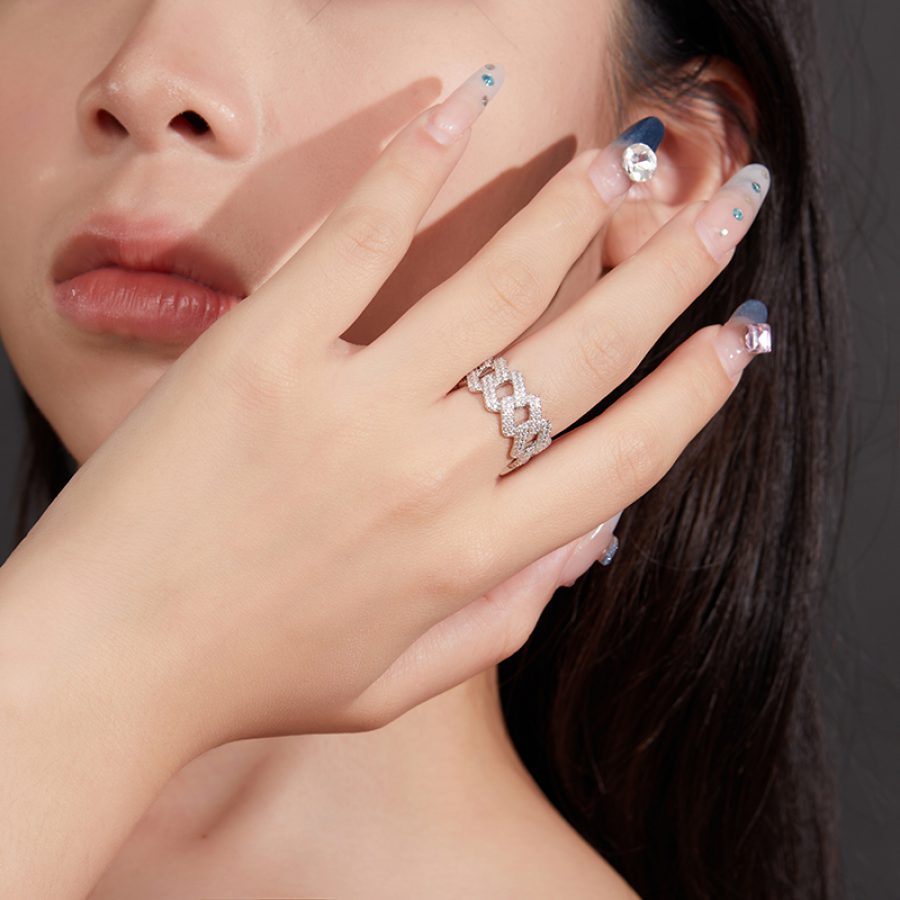
Pavé and channel bands. Tiny stones set in a row along a slim band add sparkle without a big center stone. These are the most profitable band style because the labor is modest and the perceived value is high.
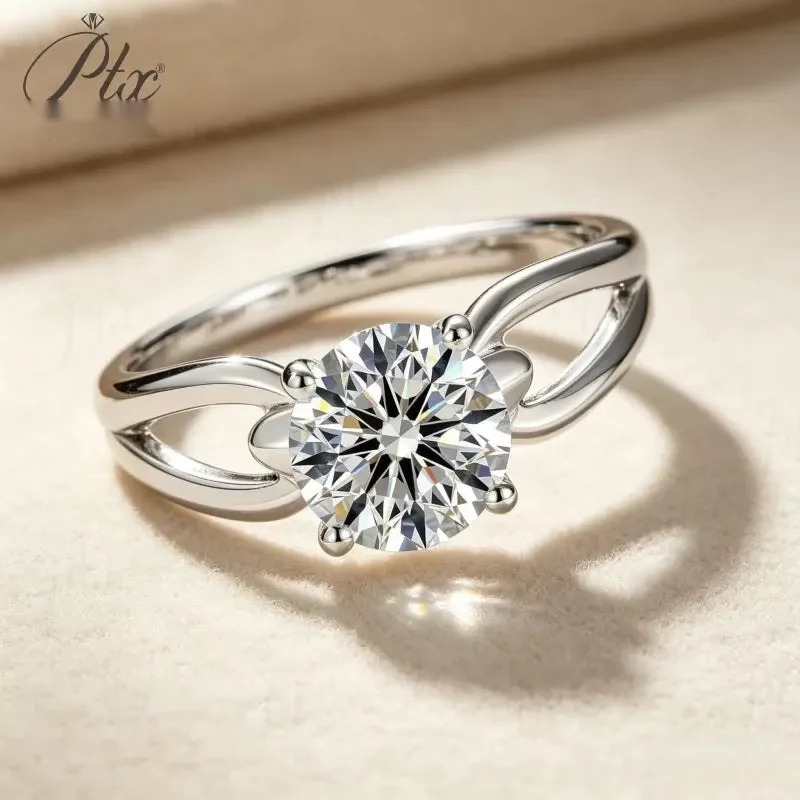
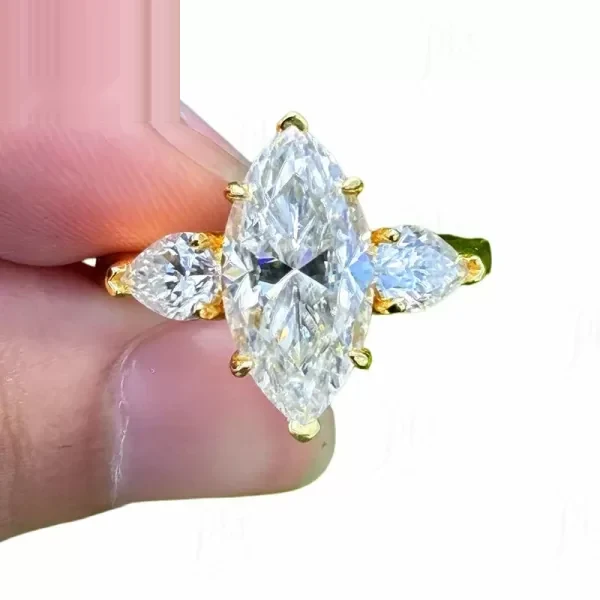
Curved or contoured bands. These are shaped to wrap around a solitaire or halo engagement ring so the two sit flush. They are essential if you already sell solitaire engagement rings, because a straight band will rock against a raised center stone.
Matching sets: the detail that prevents returns
When you stock engagement rings, stock bands that are designed to pair with them. That means the same metal tone (rose gold, yellow gold, or rhodium white), a compatible width, and a profile that meets the ring without a gap. If you sell a halo solitaire, offer both a straight pavé band and a curved band. Photograph the two together in your listings so customers understand the pairing. This is the moment where engagement ring inventory and band inventory cross-sell; treating them as separate SKUs leaves money on the table.
Sizing bands for wholesale
Bands come in more sizes than solitaires because men's hands are involved. For a women's band, hold sizes 6 through 8 in depth. For a men's band, hold 9 through 12. Half sizes help on women's eternity bands because a tight eternity ring cannot be resized once stones wrap the whole finger. Order a few half sizes on your first run and watch which ones move. Confirm with the factory whether a full-eternity band can be resized at all; many cannot, which makes accurate sizing at order time critical.
Metal base and plating decisions
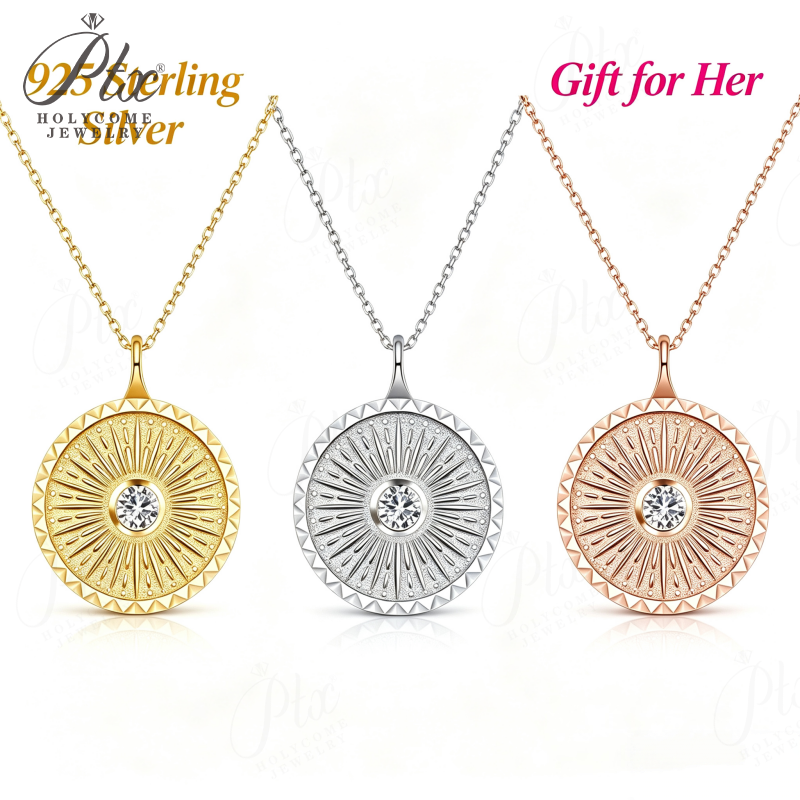
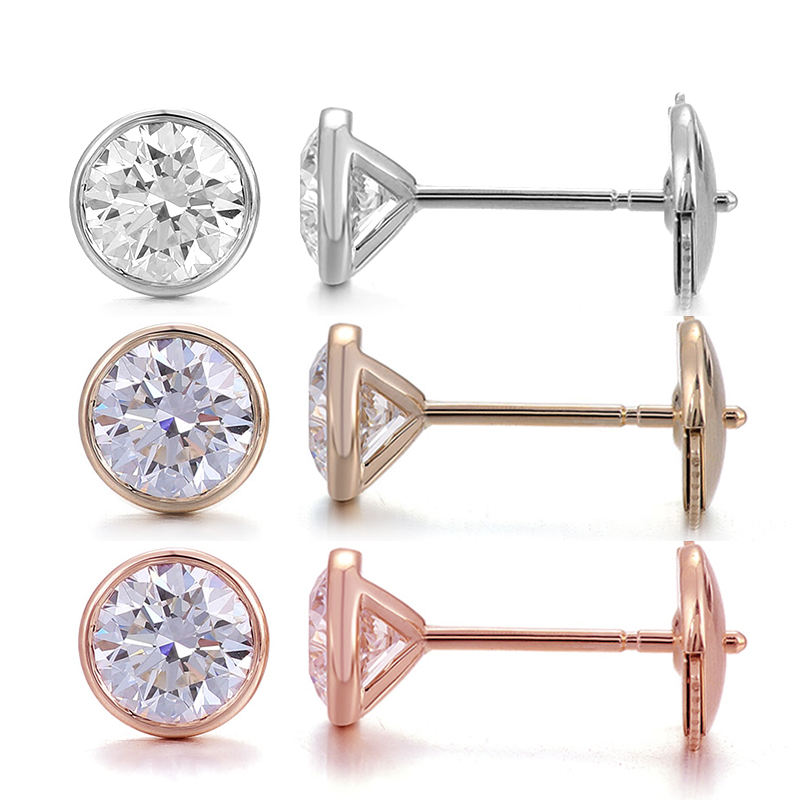
Like any plated fashion bridal piece, the base metal drives cost and longevity. Brass with a thick plating layer is your entry price tier. Sterling silver with rhodium sits in the middle and reads more premium. Stainless cores are gaining for men's bands because they resist wear and need no plating refresh. Match the base to your customer: a budget bridal buyer wants the brass tier, while a boutique shopper expects sterling. Keep the plating tone identical across a set, because a warm yellow band next to a white engagement ring reads as a mistake.
Pricing bands for margin
Because a band uses far less material than a center-stone ring, its margin percentage is usually healthier. Price it as an add-on rather than a hero SKU: offer a bundle discount when a customer buys the engagement ring plus band together. That raises the order total and reduces price resistance on the band. For half-eternity and pavé styles, your cost is mostly the small stones and setting labor, so compare landed costs across two factories before committing to a run. Our notes on selling moissanite jewelry and margins cover how to model bundle pricing.
Quality checks specific to bands
On bands, inspect the inside edges. A cheap band has sharp inner edges that dig into the finger after a day of wear; a finished band is rounded and smooth. On pavé and channel bands, run a fingernail across each stone to confirm none sits loose. Check that the plating on the inside of the band is as even as the outside, because that is the surface that touches skin and wears fastest. Run a sample on your own hand for a week before reordering at depth.
Seasonal timing
Bridal buying spikes in the run-up to engagement season (late fall through winter) and wedding season (spring and early summer). Place your band order early enough to land before those windows, because lead times on matched sets run longer than on standalone rings. If you are also planning marketing around new designs, the latest moissanite bridal trends can tell you which band profiles to feature first.
Moissanite wedding bands are not an afterthought to the engagement ring. Stock them as matched pairs, hold the right size range for both women and men, price them as a bundle add-on, and inspect the inner finish before you scale. Done right, the band is the easiest extra sale a bridal buyer makes all year.
For third-party reference, the Wikipedia article on moissanite details moissanite’s discovery, optical properties and use in jewellery.
Frequently Asked Questions
Is moissanite a good diamond alternative for retail buyers?
Yes for price-sensitive customers who want brilliance and hardness. Moissanite ranks 9.25 on the Mohs scale, holds up to daily wear and costs a fraction of a natural diamond of the same size, so it resells fast in bridal and fashion lines.
What is the minimum order for wholesale moissanite?
MOQ starts at 50 pieces per design for stock items. Custom cuts and private-label settings usually start at 100–300 pieces depending on the mold.
Do you provide certificates with moissanite stones?
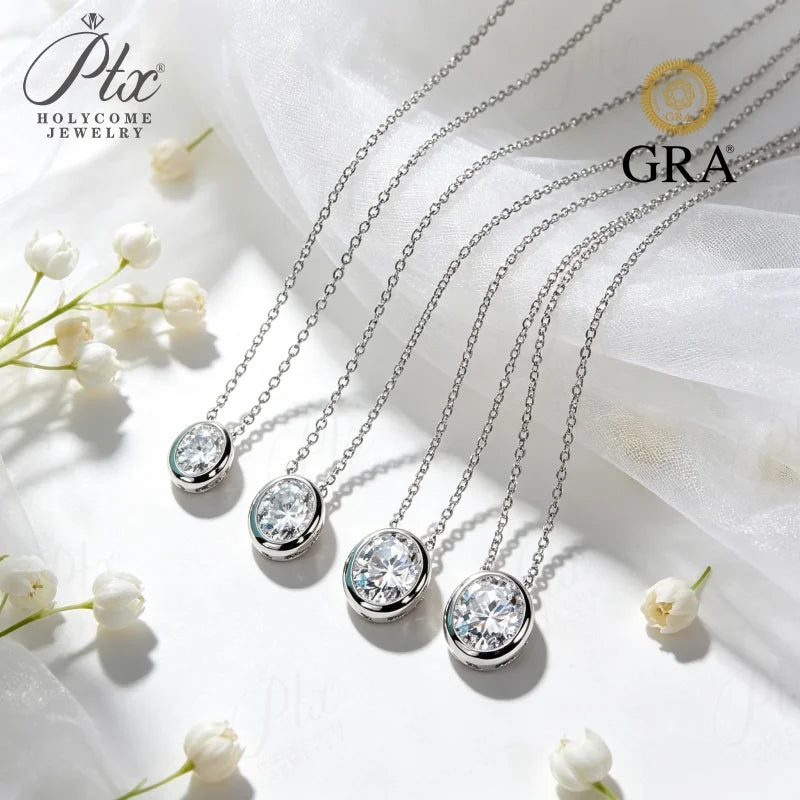
Yes. Every parcel ships with GRA or IGI documentation listing carat weight, color grade and cut. We recommend passing the certificate to your end customer for trust.
How long does sample and bulk production take?
Samples ship in 3–5 days. Bulk runs take 15–20 days under 500 pieces, and 25–30 days for custom work.