Wholesale Necklaces: Metal Type, Finish & Plating

Why Metal Type and Finish Disclosure Matters When Sourcing Necklaces
Necklaces are one of the highest-volume categories in US jewelry wholesale, and the single most common source of buyer disputes is undisclosed metal type or finish. When a supplier lists a necklace without stating whether it is 925 sterling silver, 10K solid gold, gold vermeil, or gold plated, the buyer inherits all of the downstream risk: customer complaints, chargebacks, and platform enforcement. Clear disclosure at the sourcing stage protects your margins and your reputation.
This article walks through the practical decisions a wholesale buyer faces when evaluating metal type and finish on necklaces, with concrete detail you can verify before placing an order.
The Four Metal Categories You Will Encounter
Most necklace listings fall into four distinct categories, and each carries different cost, durability, and labeling expectations. Understanding the differences lets you match product claims to what the item actually is.
925 Sterling Silver
Sterling silver necklaces contain 92.5 percent silver by law of the standard, with the remainder typically copper. Reputable suppliers stamp 925 or S925 on clasps or tags. For wholesale buyers, the key verification is a request for a material composition statement at the sampling stage. Sterling silver tarnishes over time, so finished pieces are often coated with rhodium or an anti-tarnish layer; ask whether the finish is applied and disclose it in your own listings.
Solid Gold: 10K, 14K, and 18K
Solid gold necklaces are alloyed through the entire cross-section, not just the surface. The karat mark (10K, 14K, or 18K) indicates gold content, and this must match the stamp on the piece. Solid gold carries the highest unit cost and is typically priced per piece with the price tied to metal weight and current gold rates. If a listing says solid gold, request the karat stamp detail and metal weight per piece in writing.
Gold Vermeil
Gold vermeil is a specific product: sterling silver base metal with a gold plating of defined thickness. Because the base is sterling silver rather than brass or copper, vermeil commands a higher price than ordinary plated goods. When you source vermeil necklaces, confirm both the base metal (925) and the plating thickness in your purchase terms. Selling vermeil as solid gold is a misrepresentation, and platform takedowns for this error are common in the US market.
Gold Plated
Gold plated necklaces use a base metal such as brass or copper with a gold layer on the surface. Plating thickness varies widely between suppliers, and thinner plating wears faster at contact points like clasps and chain links. Plated goods are the entry price point for the necklaces category and are well suited to fashion and trend-driven assortments. Disclose them as gold plated over brass or copper, never as solid gold.
How to Verify Claims Before Committing to Bulk
Disclosure is only as good as your verification process. A structured sampling step catches most mislabeling problems before they become bulk problems.
Request Written Specifications at Sampling
Sampling takes 7 to 10 days, and you should use that window to require a spec sheet for each necklace style. The sheet should state base metal, plating type and thickness if applicable, karat if solid gold, and stamp marks. Compare the spec sheet against the physical sample: weigh the piece, check the clasp stamp, and photograph the hallmarks for your records.
Use Third-Party Testing for High-Value Orders
For solid gold orders, or any order where metal content drives the price, independent assay testing of the sample is a reasonable step. The cost is small relative to a bulk order and gives you documented evidence that the karat claim holds. If a supplier resists testing on a solid gold claim, treat that as a signal to investigate further.
Confirm Stones Separately From Metal
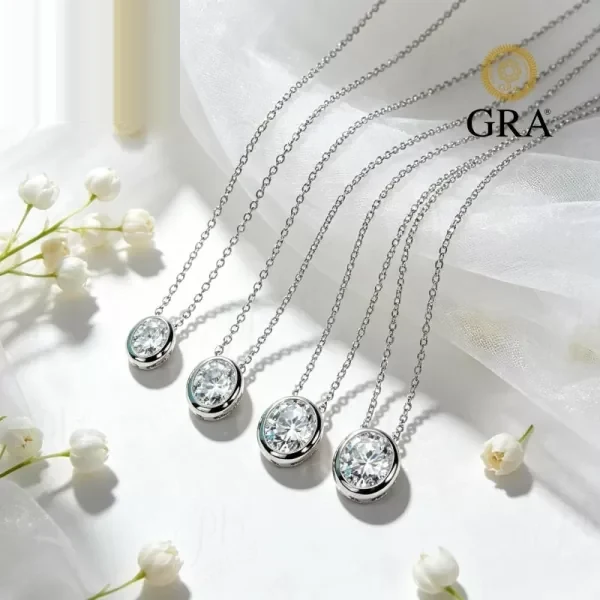
Many necklaces combine metal questions with stone questions. Moissanite is a lab-created diamond alternative and should be named as such in your listings; it is not a natural diamond. Graded stones in necklace center settings may come with GRA or IGI papers, which you should request and match to the stones at sampling. Loose stones are sold by the carat, so per-carat pricing should be documented alongside the metal spec.
Comparing Metal Options for Your Necklace Assortment
The table below summarizes the practical differences between the four common metal categories for necklaces, so you can plan a tiered assortment rather than guessing at what each price point means.
| Metal Type | Base Material | Durability Profile | Best Use Case |
|---|---|---|---|
| 925 sterling silver | 92.5 percent silver | Tarnishes, restorable | Everyday core assortment |
| 10K/14K/18K solid gold | Gold alloy throughout | Longest wear | Fine jewelry tier |
| Gold vermeil | Sterling silver base | Thicker plating wears slower | Mid-tier demi-fine |
| Gold plated | Brass or copper | Finish wears at contact points | Trend and fashion lines |
Use this comparison to build a three-tier necklace assortment: plated for trend drops, vermeil or sterling for core lines, and solid gold for your fine tier. Each tier gets its own disclosure language, which keeps your listings consistent and defensible.
Writing Accurate Product Listings for Necklaces
Once you have verified metal type and finish, the next task is translating that into listing language that US customers and marketplaces accept.
Name the Metal, Not a Vibe
Phrases like gold-tone or gold color are not metal disclosures. Name the true metal in the title or first bullet: 925 sterling silver, 14K solid gold, gold vermeil over sterling silver, or gold plated over brass. If the piece contains moissanite, label it as a lab-created diamond alternative rather than a diamond. Accurate naming reduces returns and builds repeat purchase behavior, which matters more in necklaces than in most categories because customers layer and stack pieces over time.
Document Finish and Care Information
Include the finish in your listing: rhodium-plated sterling silver, gold plated over brass, or polished solid gold. Pair the finish claim with a short care line describing what to expect, such as tarnish behavior for silver or wear patterns at clasps for plated chains. This is honest, reduces dispute volume, and signals professionalism to retail partners who resell your goods.
Keep Records Tied to Each Production Run
Bulk production takes 15 to 25 days after approval, and metal specifications can drift between runs if controls are loose. Keep the approved sample spec sheet on file and tie it to the purchase order. Ask your supplier to run three-stage quality control on the bulk order: incoming material inspection, in-process checks, and a pre-ship AQL inspection. Request the pre-ship inspection report so you have documentation that the shipped necklaces match the approved metal spec.
Pricing, Payment, and Logistics for Necklace Orders
Metal type drives price structure in the necklaces category, so it helps to know how the commercial terms work before you negotiate.
Sterling silver and plated necklaces are typically priced per piece, while solid gold necklaces are priced per piece with metal weight factored in, and loose stones are priced per carat. Minimums are flexible: stock styles have a 1 piece minimum, which makes sampling and market testing easy, while custom work requires 30 pieces.
Payment follows a standard structure: T/T with a 30 percent deposit and the 70 percent balance before shipment, and PayPal for sample orders, which gives you a lower-risk way to test a new supplier before committing to larger wire transfers.
On logistics, DDP delivery to the US takes 5 to 8 days, meaning duties and clearance are handled before the goods reach you. This matters for plated and vermeil orders where landed cost calculations are sensitive, because you get a single delivered price instead of managing brokerage separately.
Red Flags to Watch for in Necklace Listings
A few warning signs recur in the wholesale market, and recognizing them early saves time and money.
- Listings that say gold without specifying karat, vermeil, or plating.
- Solid gold prices that are far below the metal weight implied by the piece weight.
- Diamond claims on stones that are actually moissanite, a lab-created diamond alternative.
- Refusal to provide stamp photos or a written material spec at sampling.
- No quality control process described, or no pre-ship inspection offered.
Any one of these is worth a follow-up question; several together usually mean the supplier cannot support accurate disclosure at scale.
Order Terms for Wholesale Buyers
MOQ is 1 piece for stock styles and 30 pieces for custom work, and loose stones are sold by the carat. Sampling takes 7 to 10 days, and bulk production runs 15 to 25 days after the sample is approved. Pricing is quoted per piece or per carat depending on the item. Payment is T/T with a 30% deposit and the 70% balance before shipment, and PayPal is accepted for sample orders.
Frequently Asked Questions
What is the minimum order for necklace samples?
Stock necklace styles have a 1 piece minimum, so you can order a single sample of each style to verify metal type and finish. Sampling takes 7 to 10 days, and sample orders can be paid via PayPal. Custom necklace work requires a 30 piece minimum.
How do I confirm a necklace is really solid gold?
Check the karat stamp (10K, 14K, or 18K), request a written material spec with metal weight per piece, and consider independent assay testing on the sample. For bulk orders, ask that the pre-ship AQL inspection include verification that stamps match the purchase order spec.
Can graded stones be set into necklaces?
Yes, and graded stones come with GRA or IGI papers that you should request and match to the stones. Loose stones are sold by the carat, so pricing for stone-set necklaces will reflect carat weight alongside the metal cost.
How long does production and delivery take?
Bulk production takes 15 to 25 days after sample approval. DDP delivery to the US then takes 5 to 8 days, with duties and clearance handled before arrival. Plan your reorder cycle around these timelines, especially for core sterling silver lines.
What payment terms apply to bulk necklace orders?
Bulk orders are paid by T/T with a 30 percent deposit and the 70 percent balance before shipment. Sample orders can be paid via PayPal. Pricing is quoted per piece for finished necklaces or per carat for loose stones.
Build Your Necklace Program With Clear Metal Disclosure
Metal type and finish disclosure is not paperwork; it is the foundation of a necklace assortment that resists returns, disputes, and platform enforcement. Start with stock styles at a 1 piece minimum to verify specs, use the 7 to 10 day sampling window to lock down written material specifications, and scale into bulk with documented quality control and DDP delivery to the US in 5 to 8 days.
Browse available styles in our wholesale necklace product catalog, read more sourcing guidance in our jewelry wholesale blog, or contact our sales team to request samples and a written metal spec for your next necklace order.
Sources: Grading references: GIA gem education and GIA laboratory information.