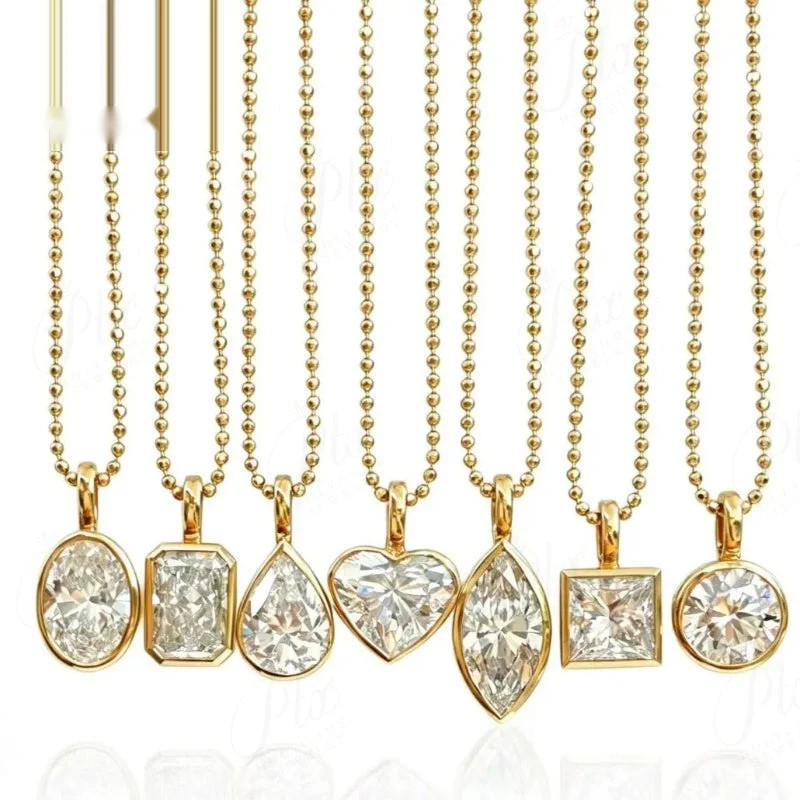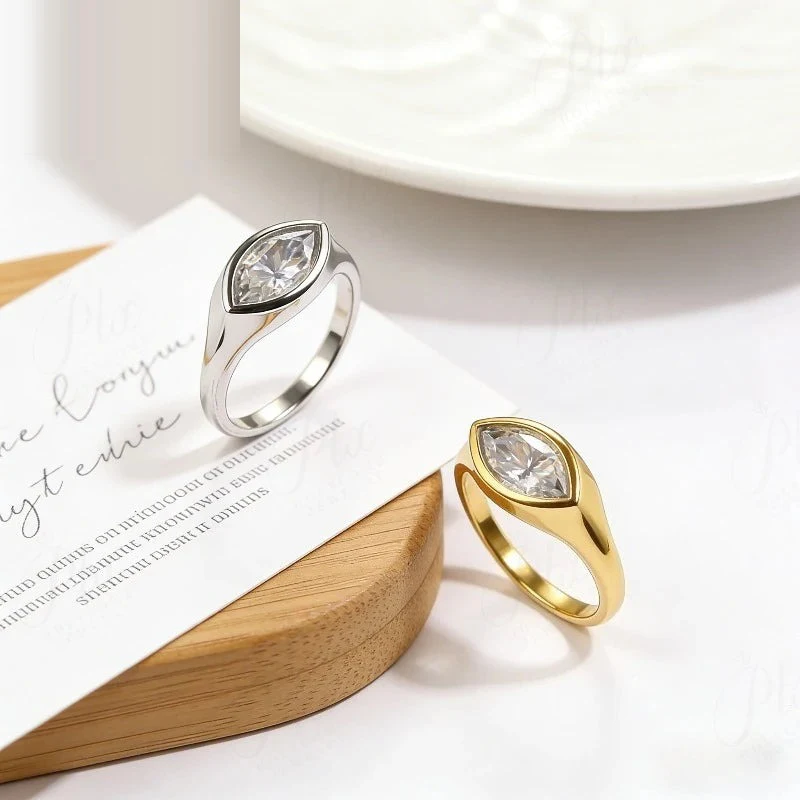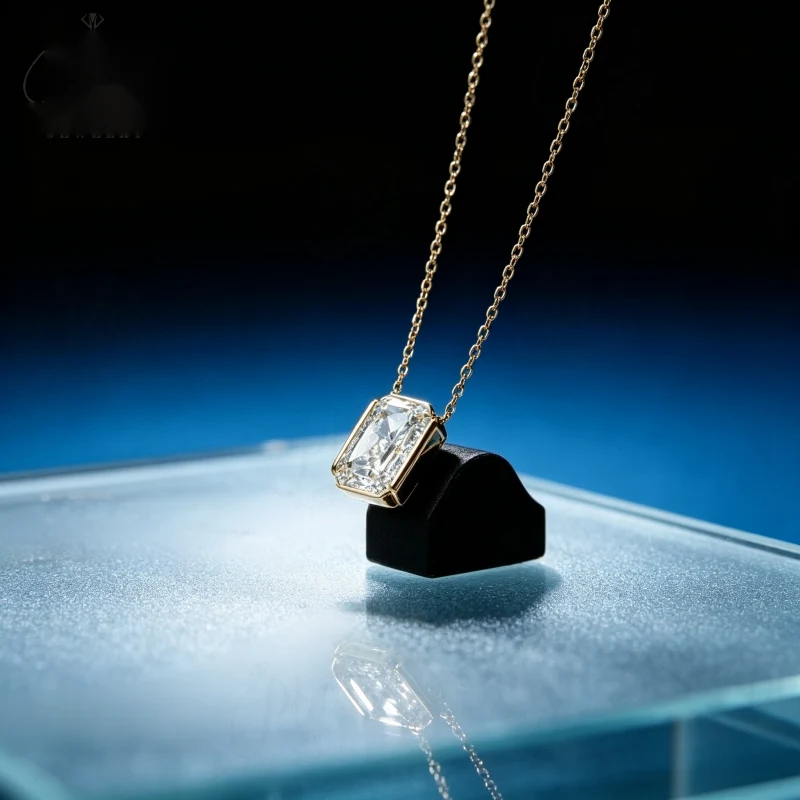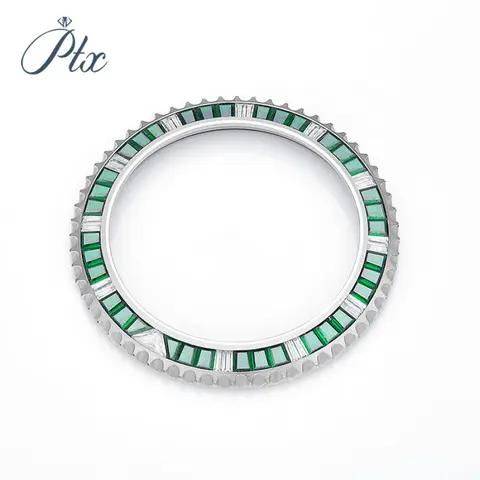
If you have browsed jewelry listings lately, you have seen "PVD-coated" attached to everything from rings to watch bands. It sounds like a marketing phrase, but it describes a real manufacturing process that genuinely changes how a piece of fashion jewelry wears. For wholesale buyers, understanding PVD matters because it justifies a higher price point, and because not every supplier who says PVD actually does it. Here is the plain-English version.
What PVD Actually Stands For
PVD means physical vapor deposition. In a vacuum chamber, a solid metal (often titanium, zirconium, or chromium, with a gold or nitride layer) is vaporized and bonded atom by atom onto the surface of the base part. The result is an extremely thin, extremely hard coating that grows out of the surface rather than sitting on top of it. This is different from standard electroplating, where metal is deposited through a liquid bath and sits more loosely on the base.
How It Differs From Electroplating
Electroplating is cheaper, faster, and works on complex shapes, but the layer is softer and wears through at high-friction points, think the back of a ring band, the edge of a bracelet clasp. PVD coating is harder, more scratch-resistant, and adheres better, so it holds up to daily wear, sweat, hand washing, and contact with lotion. The tradeoff: PVD equipment is expensive, so PVD pieces cost more wholesale, and the process is not ideal for every design. If you want the long-wear claim without the cost, many suppliers use PVD as a top layer over standard plating; the combination is common and worth asking about.
The Hypoallergenic Angle
Because PVD bonds tightly and does not wear through quickly, it acts as a barrier between the skin and the base alloy underneath. That means less nickel or other base metal leaching into the skin, which is why PVD pieces are often marketed as skin-friendly. This is not the same as a certified hypoallergenic material; if the underlying alloy still contains nickel, a deep scratch can expose it, but in practice, well-applied PVD reduces the irritation customers complain about. It pairs well with our guide to nickel, lead and cadmium limits.
Common PVD Colors
PVD is not just gold. The process produces a recognizable palette: bright gold, rose gold, black (gunmetal), and occasionally a soft champagne or bronze. Black PVD is one of the most popular, used on men's bands and modern unisex pieces because it looks matte and intentional rather than cheap. PVD colors tend to read slightly deeper and richer than standard plating, which is part of the premium feel customers notice. PVD also holds a very even finish across curves and corners, which is why it photographs so consistently on rings and watches; standard plating tends to look thicker on flat tops and thinner on edges.
Care Expectations
PVD is durable, not indestructible. It resists everyday scratches far better than plating, but a hard knock against a counter can still chip or nick it, and harsh chemicals (chlorine, bleach, jewelry dips) will damage it. The standard advice in our plating process explainer still applies: store pieces separately, wipe after wear, and avoid swimming in them. The difference is that a PVD piece, cared for, should look the same at one year as it did on day one, where a standard plated equivalent would already be thinning.
What to Ask Your Supplier
Not every listing labeled "PVD" is the real process. Ask three questions before you reorder: Is the PVD applied over a plated base, or directly onto the alloy? What is the coating thickness, in microns if they will tell you? And can they provide a wear-test sample or references? A supplier who knows their process answers quickly; one who hesitates is relabeling standard plating. Compare the spec sheet against your target retail price; PVD should command roughly 20 to 40 percent more per unit, and your customer should feel that difference.
When PVD Is Worth It
PVD makes sense for everyday pieces people wear daily: bands, chains, earrings that never come out. It is overkill for fast-fashion trend pieces that will be out of style in a season. If you are building a "forever fashion" sub-brand or a higher-priced everyday line, PVD is the spec that supports it. If you are selling low-price impulse earrings, standard plating keeps the math honest.
PVD is not magic, but it is a real upgrade. Buyers who learn to spot genuine PVD, ask the right supplier questions, and price it against a durability claim rather than a color claim, end up with fewer returns and customers who come back for the next piece that lasts.
For the legal text behind our material compliance, see the REACH Regulation (EC) No 1907/2006 on EUR-Lex.
Frequently Asked Questions
How do I verify a factory before placing a bulk order?
Request a production video, business license, export records and a paid sample run. A factory that accepts a 50-piece test order is usually a real manufacturer.
What payment terms do you offer?
30% T/T deposit with the balance against the bill of lading. This protects both sides on first orders and can move to net terms after a track record.
What is your normal reject rate?
3–5% under 10x loupe inspection for cast and set pieces. Defective units are replaced free in the next shipment.
Where is the factory located?
Wuzhou, Guangxi, China—the core lab-grown and moissanite manufacturing cluster. Shipments go via Guangzhou or Shenzhen ports.