Wholesale 925 Sterling Silver: Stone Grading & Color Consistency

Why Stone Grading and Color Consistency Decide Your 925 Sterling Silver Program
When a US wholesale buyer sources 925 sterling silver jewelry with moissanite or other lab-created stones, two factors determine whether the collection sells and reorders follow: how the stones are graded and whether the color stays consistent across every production run. A ring that sparkles in the sample can still disappoint customers if the matching pendant in the same order shows a different shade of white stone or a warmer plating tone.
This article walks through the practical grading paperwork, color control methods, and production checkpoints that keep a silver program uniform from the first sample to the tenth reorder.
What Stone Grading Means in a Wholesale Silver Order
Grading is the documented evaluation of a stone's color, clarity, and cut. For lab-created diamond alternatives set in 925 sterling silver, grading papers give your retail customers a reference they can trust and give you a baseline for reorders. Without documented grades, every new production batch becomes a gamble on whether the stones will look the same as the last batch.
GRA and IGI Papers
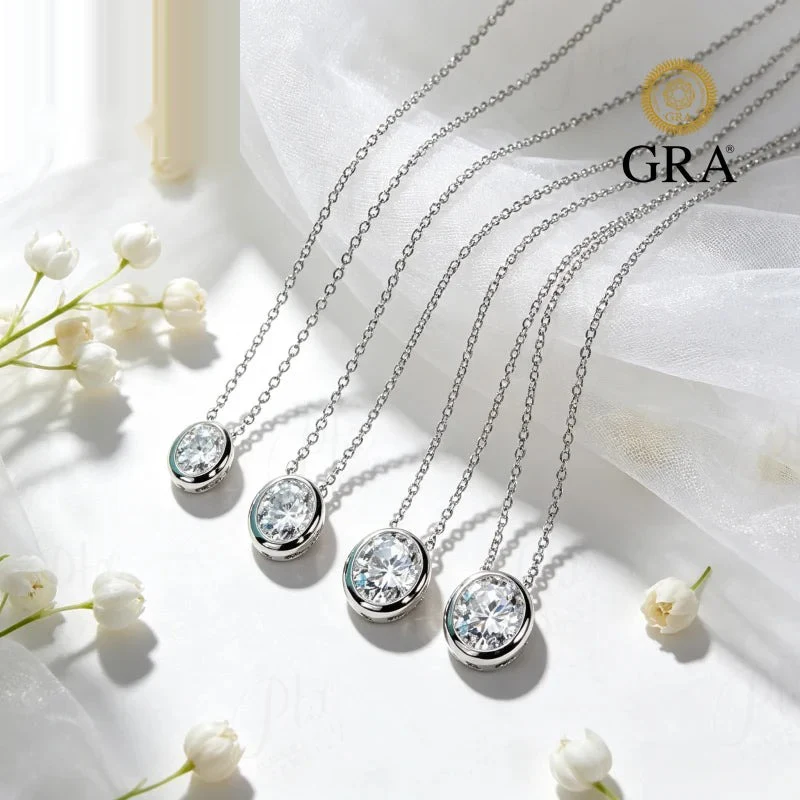
Graded stones in our silver categories come with GRA or IGI certificates. These documents record the stone's specifications so that a reorder can be matched against a known standard rather than a memory. When you request a quote, ask which paper accompanies each item; loose stones sold by the carat and finished pieces with graded stones can carry different documentation. Keeping copies of the grading papers with your purchase records makes future color matching straightforward.
Color Grades for Lab-Created Stones
Lab-created stones are graded on a color scale where the top grades indicate a colorless appearance. For wholesale silver jewelry, most US buyers select high color grades because customers expect a white, bright stone against the cool tone of sterling silver. Lower color grades can carry a faint tint, which may be acceptable in yellow gold settings but reads as inconsistent when paired across a silver collection.
Decide your color grade range before sampling begins and write it into the order specification.
Clarity and Cut Considerations
Clarity grading describes internal characteristics visible under magnification. Cut grading describes how well the facets return light. In 925 sterling silver settings, where the metal itself is bright white, a well-cut stone with a strong light return is what creates the perceived value at retail. Confirm the cut grade on the certificate and request photos of the actual stones under the same lighting your buyers will use in-store or online.
Color Consistency Across Metals and Stones
Color consistency covers two separate issues: the color of the stones and the color of the metal finish. Both must be controlled, and they interact. A bright white stone next to a warm-toned silver plating looks mismatched, even if each component is individually correct.
Metal Options on 925 Sterling Silver
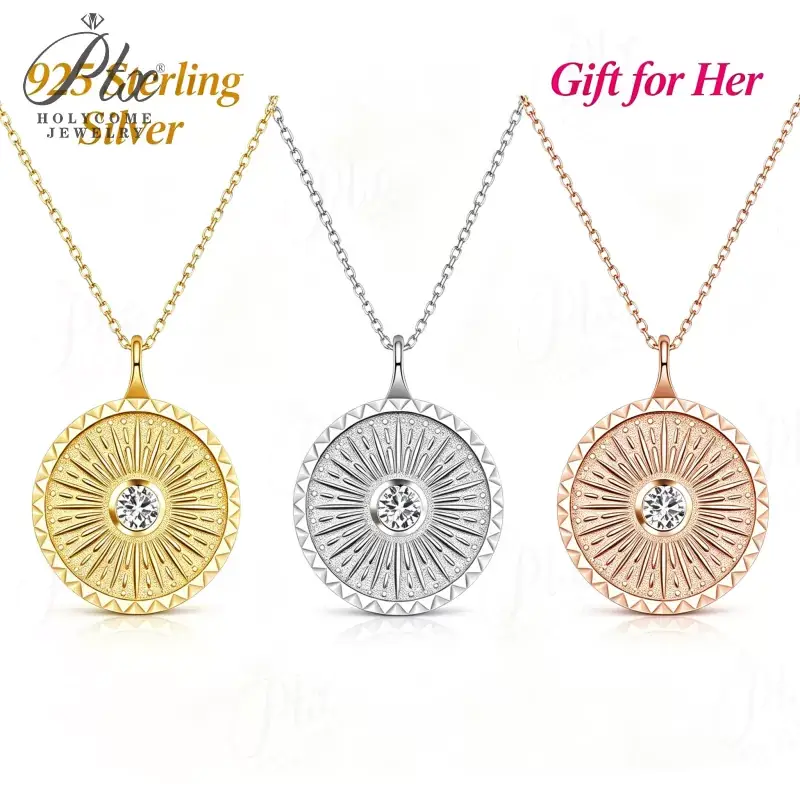
Our silver category offers 925 sterling silver in several finishes. The base metal in every case is 925 sterling silver; the finish options change the surface tone. Available treatments include rhodium plating for a bright white look, gold plating for a warm tone, and gold vermeil, which is a thicker gold layer over sterling silver.
If your collection also includes 10K, 14K, or 18K solid gold styles, note that vermeil and plated silver are distinct products, and we name the true metal on every listing so your product pages stay accurate.
Matching Plating Tone Across a Collection
Plating tone can shift between batches if the plating bath chemistry and timing are not controlled. To keep a silver collection uniform, we hold plating reference samples from the approved bulk run and check subsequent batches against them under standardized lighting. If you plan to reorder the same style across seasons, request that the approved sample's plating tone be archived as the reference. This step costs nothing extra and prevents the most common mismatch complaint from retail customers.
Stone-to-Stone Uniformity in Multi-Stone Pieces
Pavé and multi-stone settings amplify any grading variation, because several stones sit side by side. For these styles, we sort stones by grade before setting, so every stone in a single piece and across the batch falls within the agreed color range. Specify whether you want stones matched within each piece, across the batch, or both. Matching across the batch is standard for programs where customers buy a ring, earrings, and a pendant as a set.
How Sampling Locks In Your Color Standard
Sampling is where grading and color decisions become physical. Our sampling takes 7 to 10 days, and the approved sample becomes the reference for bulk production. Use the sample round to verify three things: the stone grade on the certificate matches the stone in hand, the plating tone matches your collection, and the photos you take of the sample match what production will deliver.
If you are unsure which color grade suits your market, order samples at two grade levels and compare them under retail lighting. Sampling costs far less than a bulk order with the wrong specification. For custom work, the minimum order quantity is 30 pieces, so confirming the grade and tone at the sample stage protects the whole run. Stock styles carry a minimum of 1 piece, which lets you test a style before committing to volume.
QC Checkpoints That Protect Consistency
Quality control for silver jewelry with graded stones runs at three stages. Incoming inspection verifies raw materials and loose stones against the specified grades before anything enters production. In-process checks confirm that setting and plating stay within the approved reference during assembly. The pre-shipment stage is an AQL inspection, a statistically based sampling method that checks finished pieces against the agreed acceptance criteria before packing.
Each stage has a distinct purpose. Incoming inspection catches off-grade stones before they are set, when replacement is cheap. In-process checks catch plating drift as it develops. The pre-ship AQL inspection is your last documented checkpoint before goods leave the factory, and it covers both workmanship and color match against the approved sample. Ask for inspection records with your shipment so you can trace any future claim back to a specific stage.
Production Timeline and Logistics for US Buyers
After sample approval, bulk production runs 15 to 25 days. Delivery to the US is on DDP terms, meaning duties and shipping are handled before the goods reach you, and transit takes 5 to 8 days. Build your reorder calendar around the combined window so that a best-selling silver style never sits at zero stock while a new batch is in production.
Pricing is quoted per piece for finished jewelry and per carat for loose stones. Payment follows T/T terms with a 30 percent deposit and the 70 percent balance before shipment; sample orders can be paid through PayPal. If you plan seasonal collections, place the deposit early enough that the 15 to 25 day production window plus 5 to 8 days of transit lands ahead of your retail launch dates.
A Practical Checklist for Your First Silver Order
Before requesting a quote, put your color and grading decisions in writing. The table below summarizes the specifications to confirm with your supplier at the quoting stage.
| Specification | What to Confirm | Why It Matters |
|---|---|---|
| Stone grade | Color and cut grade range, with GRA or IGI paper | Keeps reorders matched to the approved standard |
| Stone matching | Within piece, across batch, or both | Matters for sets and multi-stone styles |
| Finish type | Rhodium plated, gold plated, or gold vermeil on 925 | Accurate product naming and customer expectations |
| Plating reference | Approved sample archived as tone standard | Prevents drift between production batches |
| QC scope | Three-stage inspection ending with AQL | Documents quality before shipment |
With these five points confirmed, your order moves from quoting to sampling with no ambiguity, and the 7 to 10 day sampling window produces a sample that genuinely represents the bulk run. Buyers who skip the written specification usually rediscover the details during the pre-ship inspection, when changes are expensive.
Order Terms for Wholesale Buyers
MOQ is 1 piece for stock styles and 30 pieces for custom work, and loose stones are sold by the carat. Sampling takes 7 to 10 days, and bulk production runs 15 to 25 days after the sample is approved. Pricing is quoted per piece or per carat depending on the item. Payment is T/T with a 30% deposit and the 70% balance before shipment, and PayPal is accepted for sample orders.
Frequently Asked Questions
Do all stones in 925 sterling silver pieces come with grading papers?
Graded stones carry GRA or IGI papers, and the documentation available depends on the item. Loose stones sold by the carat and finished pieces with graded stones are quoted accordingly. Confirm at the quote stage which pieces in your order include papers.
How do you keep plating color the same on reorders?
The approved sample's plating tone is archived as the reference, and each new batch is checked against it under standardized lighting during in-process QC. If you reorder a style, tell us the original order reference so we pull the correct archived standard.
Can I order one piece to test before a bulk run?
Yes. Stock styles carry a minimum order quantity of 1 piece, so you can evaluate a finished item before committing to volume. Custom work requires a 30 piece minimum, which is why sampling that style first is the recommended path.
What is the difference between gold vermeil and gold plated silver?
Both start with 925 sterling silver, but vermeil carries a thicker gold layer than standard gold plating. They are separate products with separate pricing, and we name the finish accurately on every listing so your retail descriptions stay compliant.
How long does a full reorder cycle take?
Sampling runs 7 to 10 days, bulk production runs 15 to 25 days after approval, and DDP delivery to the US takes 5 to 8 days. A repeat order with an existing archived reference can often skip extended sampling, shortening the cycle.
Start Your Silver Program With a Clear Specification
Stone grading and color consistency are not details to fix later; they are decisions that belong in your first quote request. Send us your grade range, finish type, and stone matching requirements, and we will return a per piece or per carat quote with the matching GRA or IGI documentation.
Browse available styles in our product catalog, read more sourcing guidance on our wholesale jewelry blog, or reach the team directly through our contact page to start the sampling process for your 925 sterling silver collection.
Sources: Grading references: GIA gem education and GIA laboratory information.