925 Sterling Silver Wholesale: plating & care
Why 925 Sterling Silver Tarnishes and What It Means for Your Inventory
925 Sterling Silver tarnishes because the 7.5 percent alloy content, usually copper, reacts with sulfur and moisture in the air, and plating choices either slow that reaction or leave the silver exposed. For wholesale buyers, this makes plating a commercial decision as much as a design one: the finish you select determines how long pieces look sellable on a shelf, how customers perceive quality after a few weeks of wear, and how many returns or complaints your store absorbs.
Understanding the chemistry and the plating options lets you match each product line to the right finish instead of defaulting to whatever the factory suggests.
The tarnish reaction is straightforward. Silver sulfide forms on the surface when silver meets sulfur compounds from air pollution, rubber, certain fabrics, and even skin oils. Humidity accelerates it. Bare 925 Sterling Silver will show yellowing within weeks in a humid warehouse and darken further over months. Plating acts as a barrier, but not all barriers perform the same way, and the thickness of that barrier is the single biggest variable a buyer controls.
Plating Options for 925 Sterling Silver: A Wholesale Comparison
Most manufacturers offer three practical finishes on sterling silver bases: rhodium plating, gold plating, and e-coating, sometimes layered together. Each has different costs, different wear characteristics, and different care requirements downstream. The table below summarizes the choices you will typically weigh when placing a stock or custom order.
| Finish | Base Metal | Tarnish Resistance | Care Demand |
|---|---|---|---|
| Rhodium plated | 925 Sterling Silver | High | Low |
| Gold plated | 925 Sterling Silver | Moderate | Medium |
| Gold vermeil | 925 Sterling Silver | Moderate to high | Medium |
| Unplated silver | 925 Sterling Silver | Low | High |
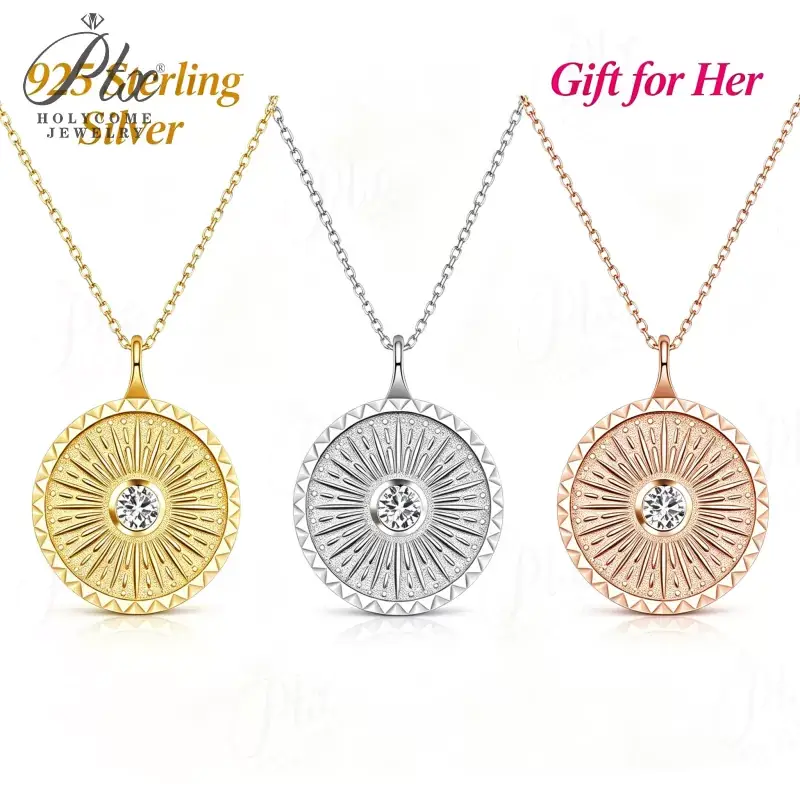
Rhodium plating remains the industry default for silver jewelry sold in the US market because it produces a bright white finish and resists tarnish far longer than bare silver. Gold plating over sterling is popular for trend-driven lines, while gold vermeil, which is a thicker gold layer over sterling silver by definition, sits at a higher price point and generally wears longer than standard plating.
Unplated sterling has a loyal market among customers who like the patina, but it demands the most from your retail staff and product pages.
Plating Thickness: The Number That Actually Matters
Plating quality is measured in microns, and this is where many wholesale disputes begin. A thin flash plating of under 1 micron will show wear at high-contact points, such as ring shanks and clasp edges, within weeks of daily wear. Plating in the 2.5 micron range or thicker holds up noticeably longer on surfaces that rub against skin and clothing.
When you request a quote, ask the factory to state the micron thickness in writing for both rhodium and gold finishes. This single specification shapes your replacement rate more than any other production detail on plated sterling.
Why Gold Vermeil Carries Different Expectations
Gold vermeil is plated sterling silver with a substantially thicker gold layer, which is why it occupies a distinct position in the US market and commands a higher retail price. Buyers should not confuse vermeil with standard gold plating, and your product listings must not either. For your inventory planning, treat vermeil as a mid-tier line: better wear life than flash plating, lower cost than solid 10K/14K/18K gold, and a care story you can explain clearly to customers.
How Tarnish Affects Wholesale Buying Decisions
Tarnish behavior should influence what you order, not just how you describe it. Three decisions in particular benefit from a tarnish-aware approach.
Match Finish to Product Category
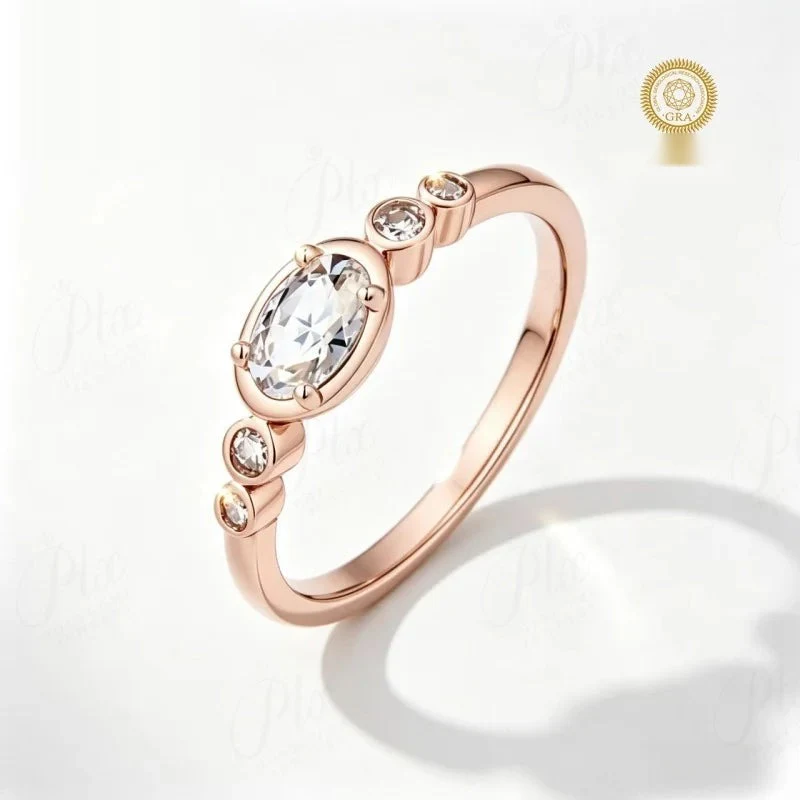
Rings and bracelets experience more abrasion than earrings and pendants, so a flash-plated ring will disappoint faster than a flash-plated pendant. A practical allocation looks like this: rhodium plating at confirmed thickness for rings and bangles, vermeil or heavier gold plating for everyday gold-tone lines, and unplated or lightly plated sterling only for artisan-style pieces where patina is part of the appeal. Earrings and necklaces can carry thinner plating with fewer consequences.
Factor Storage and Shipping into Your Order
Silver tarnishes in transit and in storage, and sealed plastic packaging with anti-tarnish strips reduces this substantially. Ask your supplier to pack stock orders with anti-tarnish bags or paper, and store bulk inventory in low-humidity conditions away from rubber bands and cardboard that release sulfur compounds. A shipment that sits in a humid warehouse for two months before it reaches a display case has already lost some of its shelf appeal, especially on unplated or thin-plated pieces.
Plan Care Messaging Into Your Retail Offer
Customers who understand how to care for plated sterling silver keep pieces looking good longer and return fewer items. Include a small care card with every order covering three basics: remove jewelry before swimming or showering, store pieces dry in a closed pouch, and clean gently with a soft polishing cloth rather than liquid dips, which can strip plating. If you sell online, put the same guidance on the product page.
This costs little and directly reduces complaints tied to early tarnishing.
Quality Control: What to Verify Before Bulk Production
Plating failures are far cheaper to catch before a bulk run than after. A disciplined sampling and inspection process protects you on both finish quality and base metal integrity.
Start with samples. Sampling takes 7 to 10 days, which gives you physical pieces to test for plating adhesion, color consistency, and finish durability before committing. For custom work, the minimum order is 30 pieces per style, and stock styles are available from 1 piece, with loose stones sold by the carat. Once samples are approved, bulk production runs 15 to 25 days.
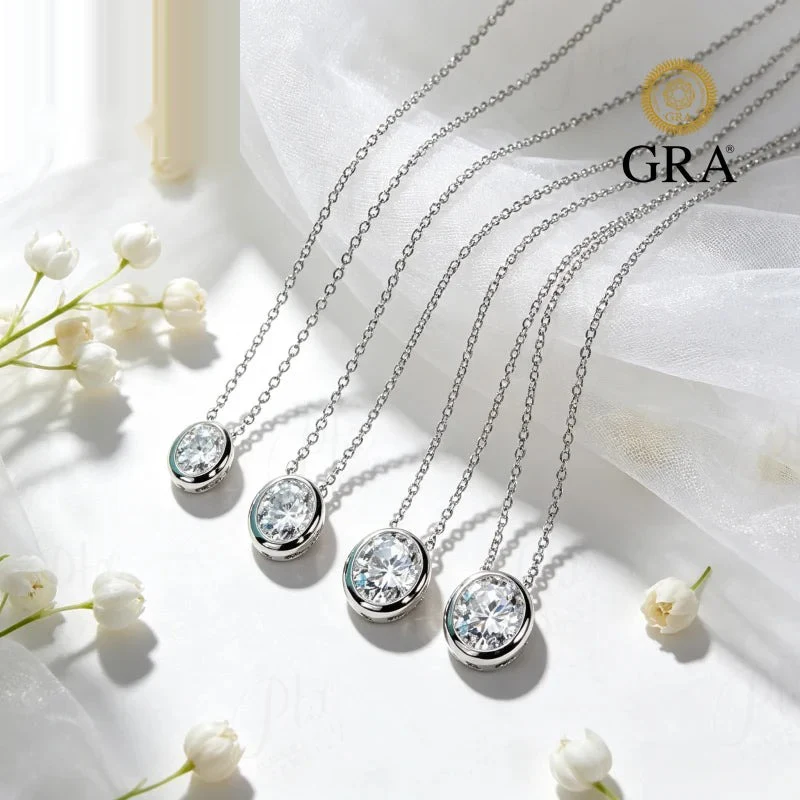
During production, a three-stage quality control process should be in place: incoming material inspection to confirm the sterling silver base meets the 925 standard, in-process checks during plating and assembly, and a pre-shipment AQL inspection that covers plating color, surface defects, and workmanship on finished goods. Ask for inspection reports with your shipment. Stones set in silver pieces should carry GRA or IGI certification papers where applicable, which also supports your product listings.
Logistics matter for plated goods as well. DDP delivery to the US takes 5 to 8 days, meaning the shipment arrives with duties handled and minimal dwell time in ports, which shortens the window where boxed silver sits in variable conditions.
Pricing and Payment Terms for Plated Silver Orders
Plated sterling silver is priced per piece, and thicker plating raises that piece price, so budget accordingly when you upgrade from flash plating to a heavier micron specification. Loose stones for silver settings are priced per carat. Standard payment terms are T/T with a 30 percent deposit and the 70 percent balance before shipment; sample orders can be paid through PayPal, which lowers the friction of testing new designs before a bulk commitment.
When comparing supplier quotes, put plating thickness, finish type, and packaging in the same comparison grid as price. A slightly higher per-piece cost with 2.5 micron plating and anti-tarnish packaging often beats a cheaper quote that produces higher replacement demand later.
Order Terms for Wholesale Buyers
MOQ is 1 piece for stock styles and 30 pieces for custom work, and loose stones are sold by the carat. Sampling takes 7 to 10 days, and bulk production runs 15 to 25 days after the sample is approved. Pricing is quoted per piece or per carat depending on the item. Payment is T/T with a 30% deposit and the 70% balance before shipment, and PayPal is accepted for sample orders.
Frequently Asked Questions
Does rhodium-plated sterling silver still tarnish?
It tarnishes far more slowly than bare silver because the rhodium layer blocks contact between air and the silver surface. However, plating wears thin at high-friction points over time, and once the base silver is exposed, tarnish can appear there. Thicker plating extends the interval before this happens.
What is the difference between gold plated and gold vermeil on sterling silver?
Both are gold layers over a 925 Sterling Silver base, but vermeil carries a substantially thicker gold layer by definition. Vermeil therefore wears longer and is priced and positioned as a higher tier. Your product descriptions should name the finish accurately rather than using the two terms interchangeably.
How should retailers store bulk silver inventory?
Keep pieces in sealed anti-tarnish bags or pouches, in a cool and dry space away from rubber, cardboard, and direct sunlight. Rotate stock so older pieces sell first, and inspect inventory periodically for early yellowing so pieces can be polished before they reach a customer.
Can customers clean plated silver with polishing cloth or liquid cleaner?
A soft polishing cloth is the safe option for plated finishes. Liquid dip cleaners are formulated for bare silver and can strip or dull plating, so they should not be recommended for rhodium or gold plated pieces. Mild soap, water, and gentle drying also work for routine cleaning.
What should I specify when ordering custom plated silver pieces?
State the base metal as 925 Sterling Silver, the finish type, the plating thickness in microns, and the packaging requirement in your purchase order. Confirm these details through physical samples during the 7 to 10 day sampling stage, then hold the factory to them at the pre-ship AQL inspection.
Build a Plated Silver Line That Holds Up on the Shelf
Tarnish is manageable once you treat plating as a specification instead of an afterthought. Confirm the base metal, lock in plating type and thickness, pack for storage and transit, and give your customers simple care guidance. Our catalog of finished pieces is ready to browse at 925 Sterling Silver jewelry products, and you can read more buying and care guidance on the wholesale jewelry blog.
When you are ready to test samples or discuss a custom plated order, reach out through our contact page and our team will walk you through sampling and bulk production timelines.
Sources: Grading references: GIA gem education and GIA laboratory information.