Wholesale Synthetic Stones: Stone Grading & Color Consistency

Why Grading and Color Consistency Decide Your Synthetic Stones Orders
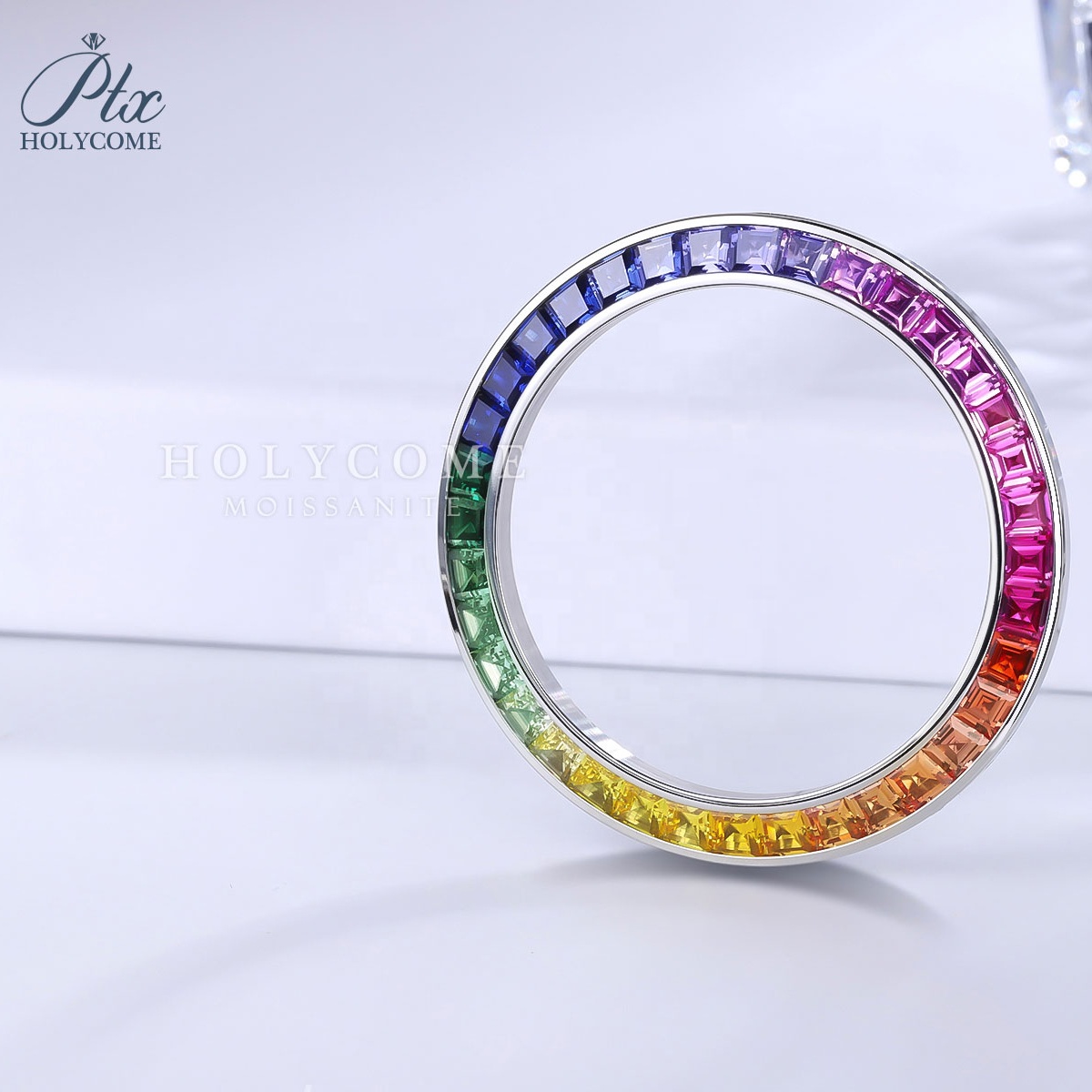
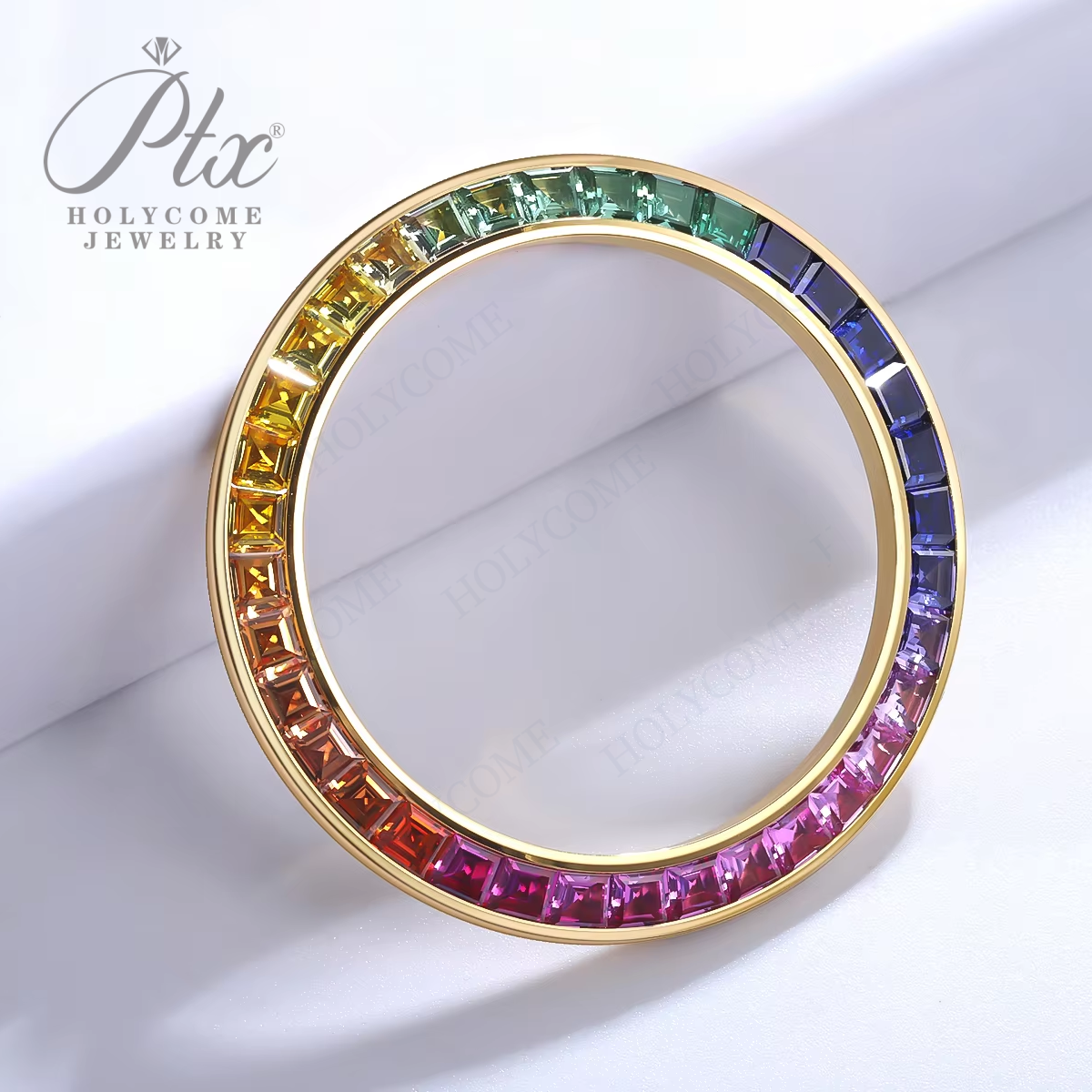
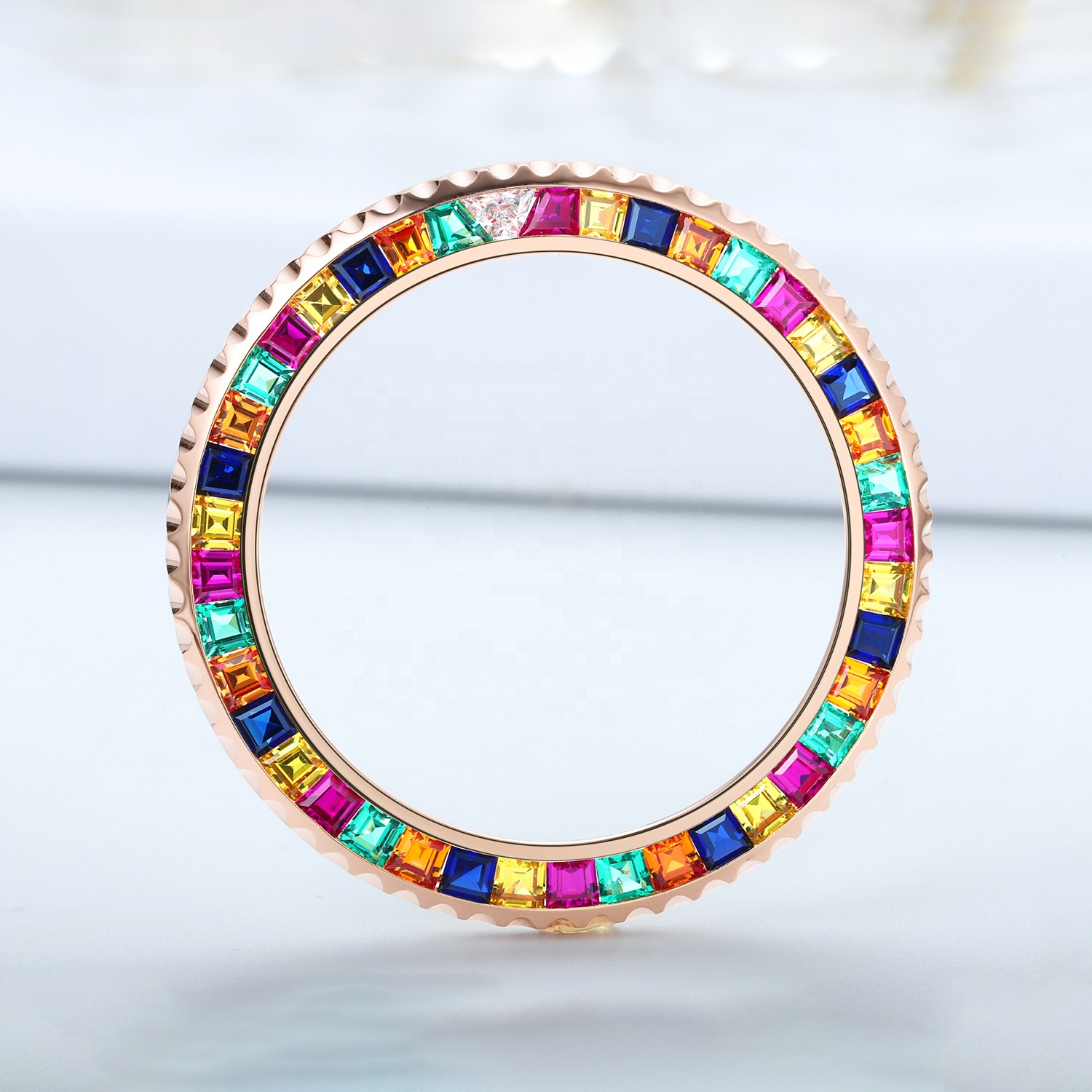
Synthetic Stones succeed or fail in wholesale on two things: how well each stone is graded and how closely the color matches across an entire lot. A buyer who orders 500 pieces of lab-created corundum expects parcel after parcel to look the same under store lighting, and that expectation can only be met when the supplier grades stones against documented standards and controls color at the sorting stage.
This article walks through the practical grading and color decisions you face as a wholesale buyer, from choosing certificates to approving a color master sample, so you can place orders with fewer surprises at receiving.
What Synthetic Stones Actually Are
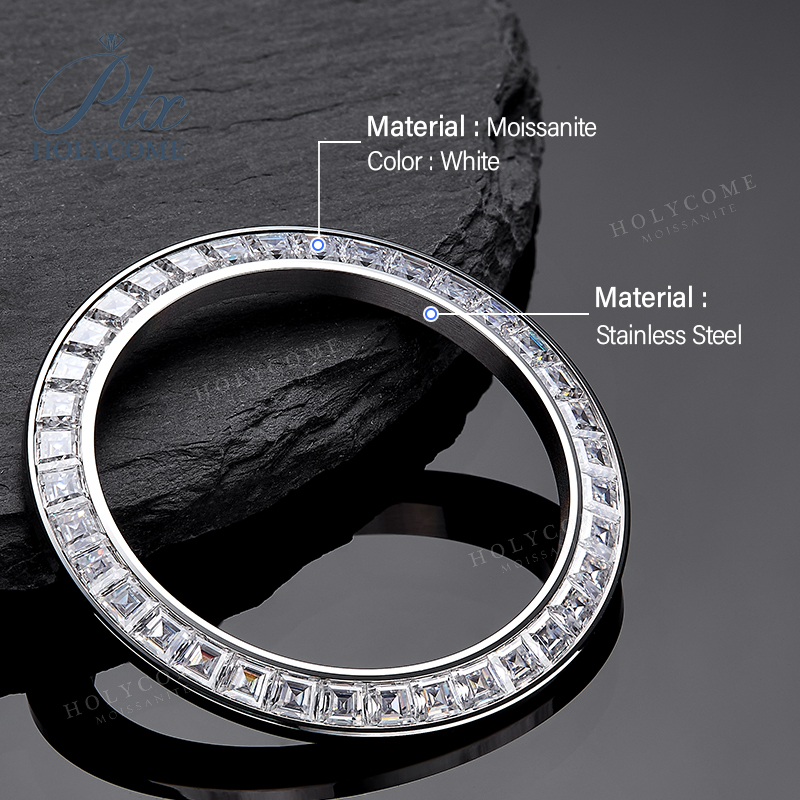
Synthetic Stones are lab-created gem materials grown to have the same chemical and optical properties as their natural counterparts. Lab-created sapphire and ruby are synthetic corundum, lab-created spinel is synthetic spinel, and moissanite is a lab-created diamond alternative grown as silicon carbide. None of these are natural stones, and none are imitations in the plastic sense; they are genuine synthetic crystals with measurable hardness, refractive index, and dispersion.
For a wholesale buyer, this matters because grading criteria carry over from natural gemology. Color is described by hue, tone, and saturation. Clarity is judged under magnification. Cut quality is checked against symmetry and proportion standards. The difference is that synthetics can be grown in larger, cleaner yields, so the grading conversation centers less on inclusions and more on color consistency between growth batches and cutting lots.
Grading Reports: GRA, IGI, and When You Need Them
Not every synthetic stone in a wholesale order needs a certificate, and paying for papers on low-value calibrated stones often wastes margin. The practical rule is to match the report to the price point and the sales channel.
We offer grading through two recognized laboratories for graded stones: GRA papers and IGI papers. IGI reports are widely recognized in the US market and are commonly requested for larger moissanite and lab-created stones sold with individual documentation. GRA papers serve buyers who want documentation at a lower cost point. Loose stones sold by the carat can be issued with either paper depending on the item and your requirements.
Calibrated Melee Versus Documented Feature Stones
Small calibrated stones used as accents, such as 1.5mm to 2.5mm rounds set around a center stone, are graded in-house through our three-stage QC process rather than sent to external labs. The volume makes per-stone certification impractical, and what the buyer actually needs is consistency across thousands of pieces. Feature stones, meaning center stones above roughly a carat or stones sold individually, are the candidates for GRA or IGI papers.
Deciding which stones in your SKU list get papers is one of the first sourcing decisions to settle.
What a Grading Paper Does and Does Not Tell You
A GRA or IGI report documents the characteristics of an individual stone: carat weight, dimensions, color grade, clarity grade, and cut details for certain shapes. It does not tell you whether the next 200 stones in the parcel will match it. That is a batch control question, and it is handled through master samples and lot sorting rather than through certificates. Buyers who understand this split between per-stone documentation and per-lot consistency tend to write much clearer purchase specifications.
Color Consistency: The Real Wholesale Challenge
Color mismatch is the most common complaint in Synthetic Stones sourcing. Stones grown in different batches can sit noticeably apart in tone or saturation, and when a jeweler sets stones from two different lots into the same piece, the difference becomes visible to the end customer. Preventing this requires controls at three points: growth batch selection, sorting against a master, and lot segregation through production.
Approving a Color Master Sample
Before bulk production begins, we produce a sample batch and you approve a master sample, either physically mailed to you or approved against documented photos under controlled lighting. That master becomes the reference for the entire order. Every stone in the bulk run is sorted against it, and stones outside the accepted tolerance are pulled. Sampling takes 7 to 10 days, which is the window where all color decisions should be locked down.
Changing a color specification after bulk production starts is costly, so treat the sampling stage as your single most important checkpoint.
Lot Segregation in Production
Once bulk production is underway, stones from one growth and cutting lot are kept separate from stones of another. We mark and pack by lot so that stones reaching your setting team or your retail shelves come from a single matched group. If you reorder months later, we match the new run against the master sample from your original order.
Buyers running ongoing programs, such as a permanent collection of tennis bracelets or stud earrings, should confirm this lot matching procedure in writing before the first order.
Lighting Conditions for Color Approval
Color looks different under north daylight, incandescent light, and retail LED cases. Synthetic corundum and spinel can shift slightly in appearance between light sources, and moissanite dispersion is more visible under spot lighting. When you approve a master sample, check it under the same lighting your customers will see, typically a mix of store LED and daylight.
Agree on a defined lighting condition with your supplier so that future approvals are compared on the same basis rather than shifting with whoever photographed the stones that week.
Tolerance Levels: What to Specify in Your Purchase Order
A purchase order that says "blue sapphire color" will produce disagreements. A purchase order that says "lab-created blue sapphire, tone and saturation to match approved master sample, tolerance of one grade step in tone across the lot" gives both sides a measurable standard. We recommend buyers define tolerance for three attributes: color match against the master, size tolerance on calibrated dimensions, and clarity tolerance by stone size.
The table below summarizes a typical specification structure you can adapt for your own orders.
| Attribute | Specification Example | Checked At |
|---|---|---|
| Color match | Within one grade step of master | Sorting and pre-ship |
| Size tolerance | Calibrated diameter plus or minus 0.03mm | Incoming and in-process |
| Clarity | Eye clean for stones over 3mm | Pre-ship inspection |
| Cut symmetry | Standard round brilliant proportions | In-process |
Once tolerances are agreed, they are enforced through inspection rather than through trust. Our QC runs in three stages: incoming inspection of rough and grown material, in-process checks during cutting and polishing, and a pre-ship AQL inspection on packed goods. Buyers are welcome to review AQL sampling levels before ordering so the acceptance standard is explicit on both sides.
Pricing, Order Size, and Payment Terms
Synthetic Stones are priced per piece for calibrated stones and per carat for loose stones sold by weight. The stock program carries a minimum order quantity of 1 piece for existing styles, which lets you test a new stone type or color before committing volume. Custom work, including custom cuts, custom colors matched to a Pantone or gem reference, and custom set jewelry, carries a 30 piece minimum order quantity.
Bulk production takes 15 to 25 days after sample approval, and DDP delivery to the US takes 5 to 8 days after shipment, so a realistic door-to-door timeline for a custom order runs roughly 4 to 6 weeks including sampling. Payment is by T/T with a 30 percent deposit and the 70 percent balance before shipment; sample orders can be paid through PayPal, which lowers the risk on your first trial order.
Balancing Price Point Against Documentation Cost
Because per-carat pricing scales with size, the relative cost of a grading paper falls as stones get larger. A practical approach is to certify feature stones individually and grade accent stones by lot inspection. This keeps documentation spending where it adds retail value while still holding every stone in the parcel to the same color tolerance against the master sample.
Planning Reorders Around Color Batches
If your program needs reorderable color, order enough quantity in the first run to cover a realistic sales horizon, or accept that a reorder may come from a new growth batch that matches the master within tolerance but is not identical. Buyers who sell matched sets, such as multi-stone earrings or graduated necklaces, should buy complete sets from a single lot at the time of the original order rather than attempting to match across lots later.
How We Hold Consistency From Order to Delivery
The workflow is straightforward. You select or request stones, we produce samples in 7 to 10 days, you approve the master sample and tolerances, and bulk production runs 15 to 25 days with color sorting against the master at every stage. Incoming, in-process, and pre-ship AQL inspections verify dimensions, color, clarity, and setting quality before packing.
Graded stones ship with GRA or IGI papers as agreed, and finished orders ship DDP to the US, arriving in 5 to 8 days after dispatch with duties handled, so your receiving team signs for goods without customs surprises.
This structure turns color consistency from a hope into a documented process. The master sample defines the target, the tolerances define the acceptable range, and the three-stage QC defines how the range is enforced. Buyers who formalize these three elements in their purchase orders see far fewer receiving disputes and far fewer mismatched-set complaints from their own customers.
Order Terms for Wholesale Buyers
MOQ is 1 piece for stock styles and 30 pieces for custom work, and loose stones are sold by the carat. Sampling takes 7 to 10 days, and bulk production runs 15 to 25 days after the sample is approved. Pricing is quoted per piece or per carat depending on the item. Payment is T/T with a 30% deposit and the 70% balance before shipment, and PayPal is accepted for sample orders.
Frequently Asked Questions
Do all synthetic stones come with a grading certificate?
No. Graded stones can be issued with GRA or IGI papers, which is typically reserved for feature stones and loose stones sold by the carat. Small calibrated accent stones are verified through our three-stage QC process instead, with consistency held against the approved master sample.
Can you match a color sample I send you?
Yes, for custom orders with a 30 piece minimum. We produce a sample run in 7 to 10 days for your approval, and the approved master sample then governs color sorting for the entire bulk production run.
What happens if a bulk lot does not match my master sample?
Stones outside the agreed tolerance are pulled during sorting and replaced from conforming material before the pre-ship AQL inspection. Because tolerances are written into the purchase order, the acceptance standard is objective rather than a matter of opinion at inspection.
What is the minimum order for testing a new stone color?
Stock styles can be ordered starting at 1 piece, so you can evaluate a color in person before scaling. Custom color work requires 30 pieces, with samples produced first so you approve the color before bulk production begins.
How is moissanite graded for color?
Moissanite is graded on a color scale comparable to the diamond grading scale, since it is a lab-created diamond alternative with similar visual characteristics. Larger moissanite stones sold by the carat can carry GRA or IGI papers documenting the color grade for each individual stone.
Start a Sample Order and Lock In Your Color Standard
If color consistency and grading documentation are holding back your stone program, the fastest way forward is a small sample order. Browse available stock and stone options in our product catalog, read more sourcing guidance on our wholesale jewelry blog, and reach our team through the contact page to request samples and a quotation. Sampling runs 7 to 10 days, sample orders can be paid via PayPal, and you approve the master color before any bulk production begins.
Sources: Grading references: GIA gem education and GIA laboratory information.