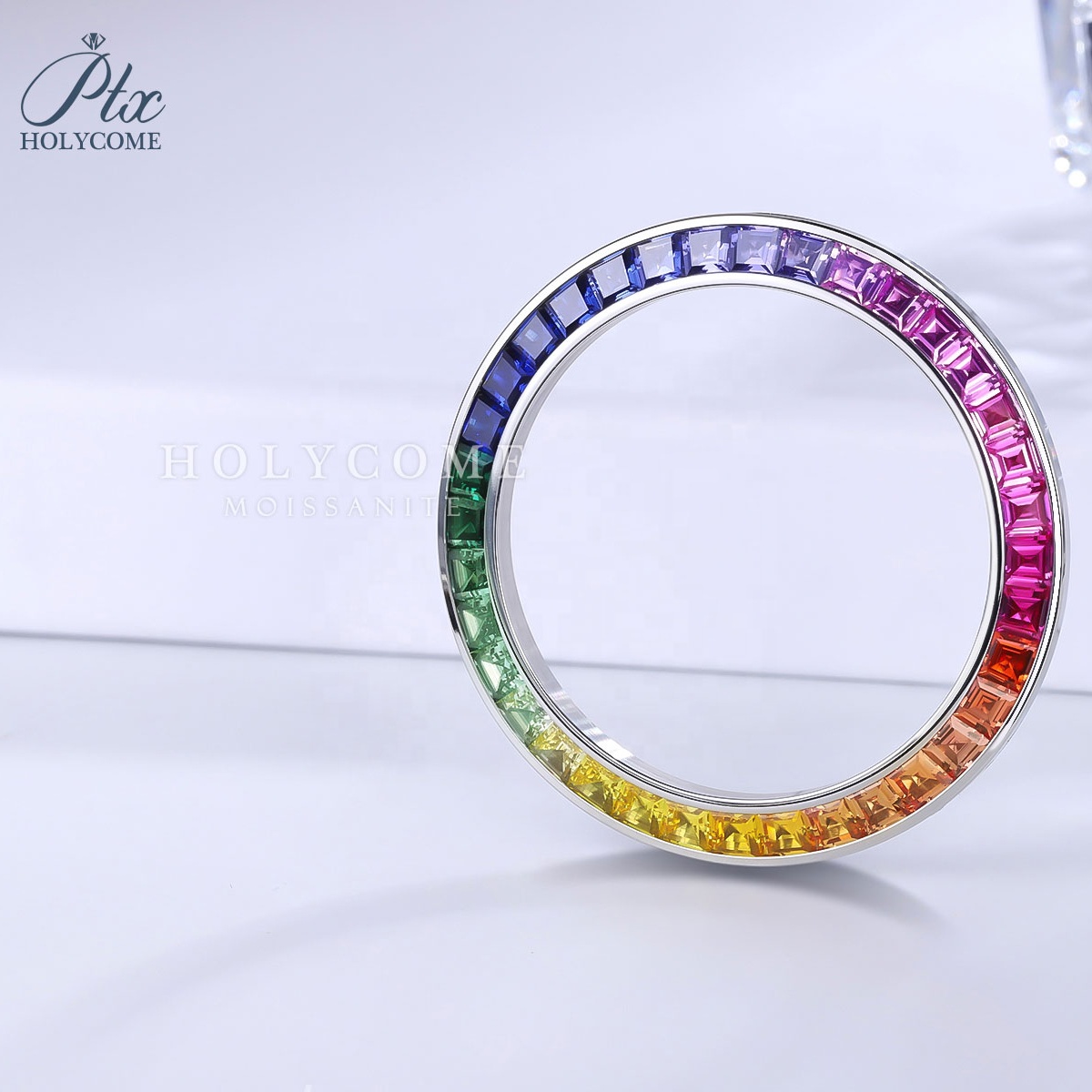
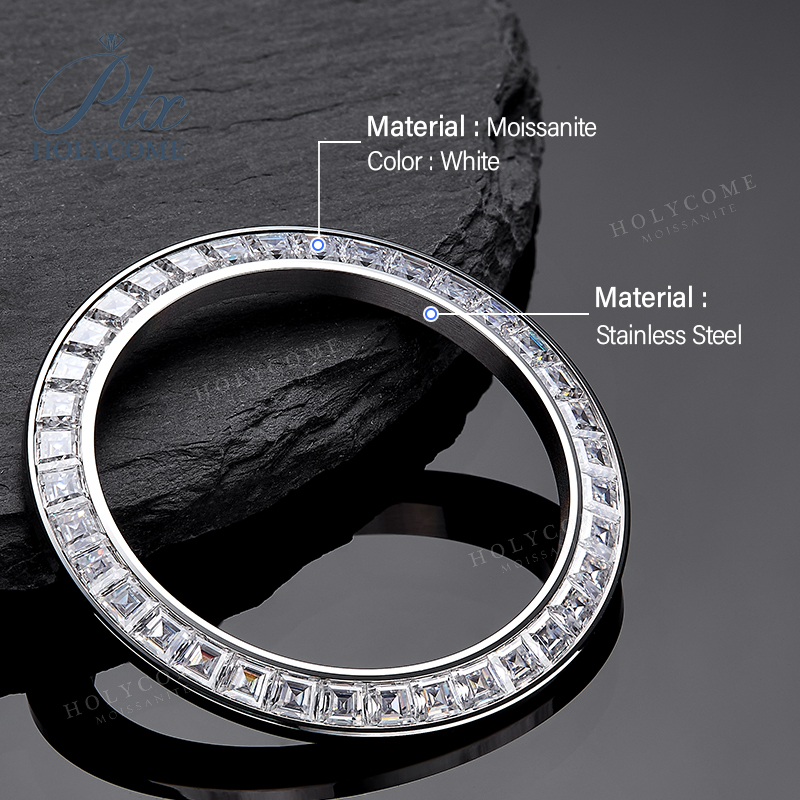
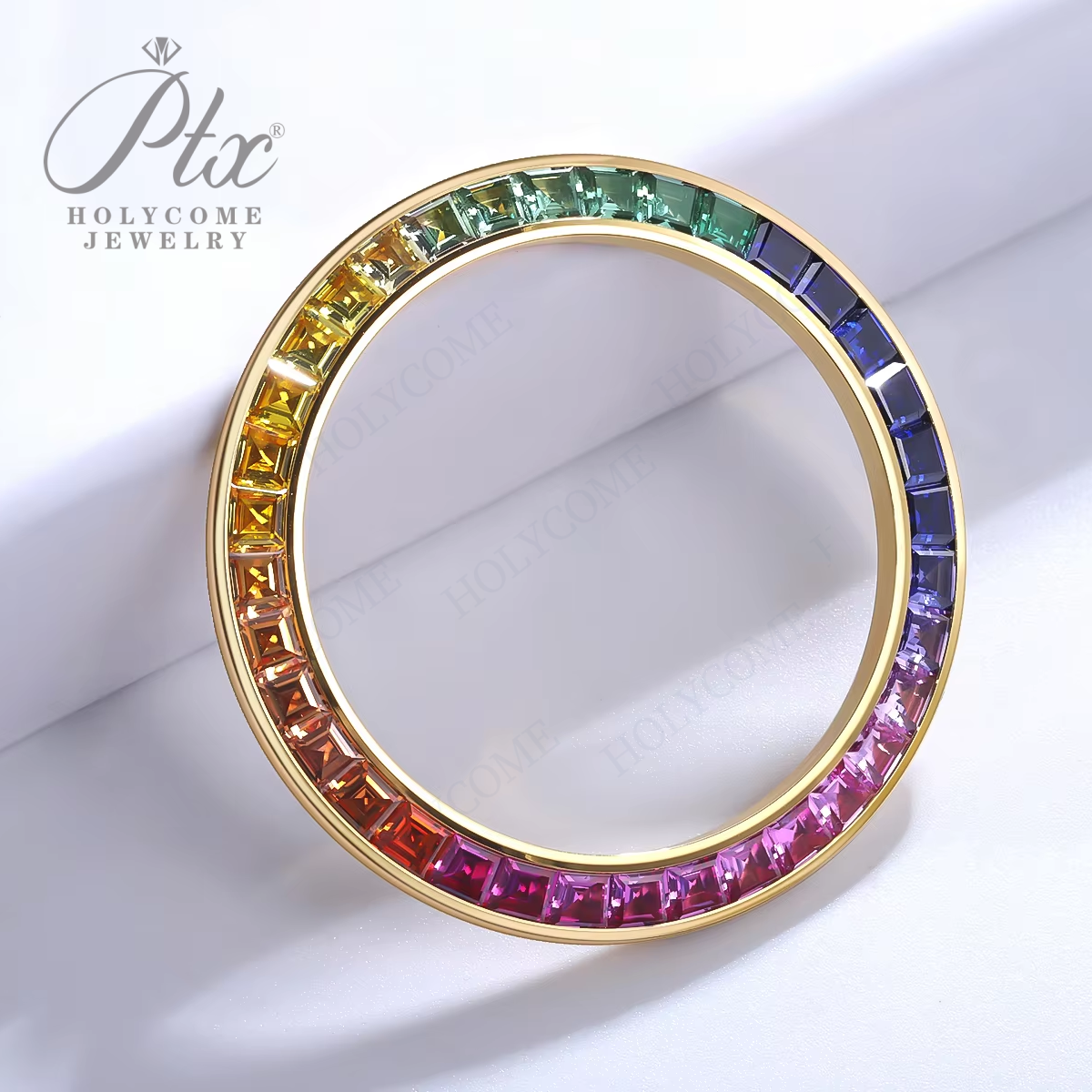
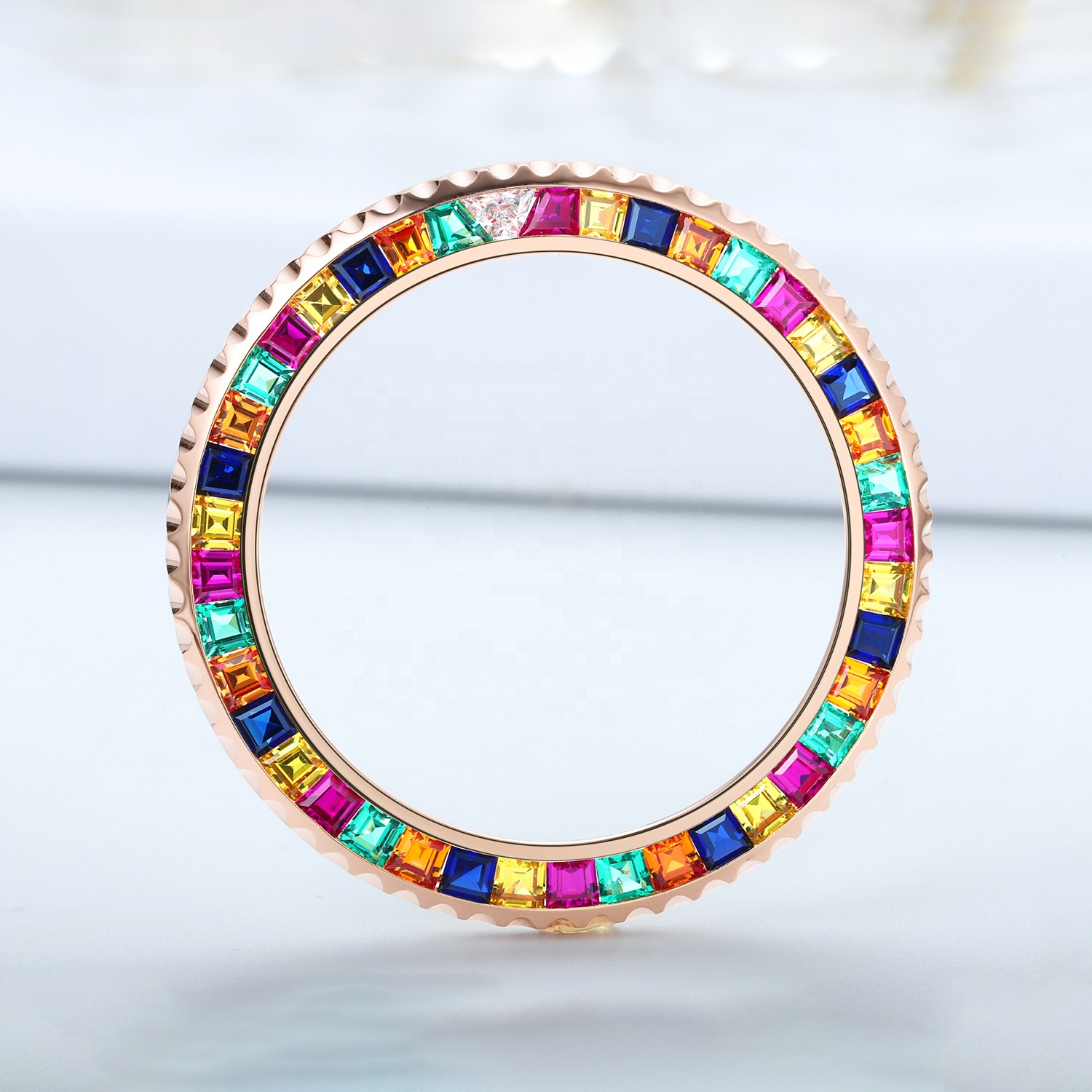
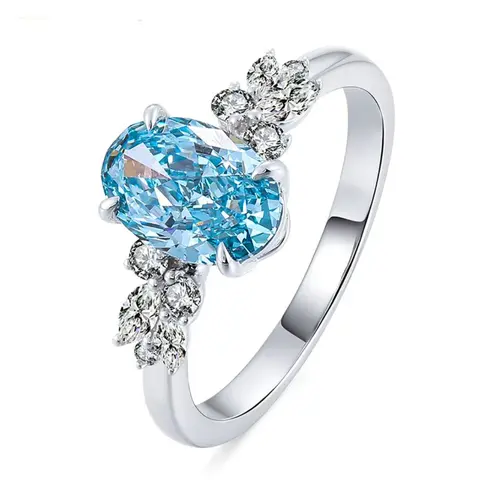
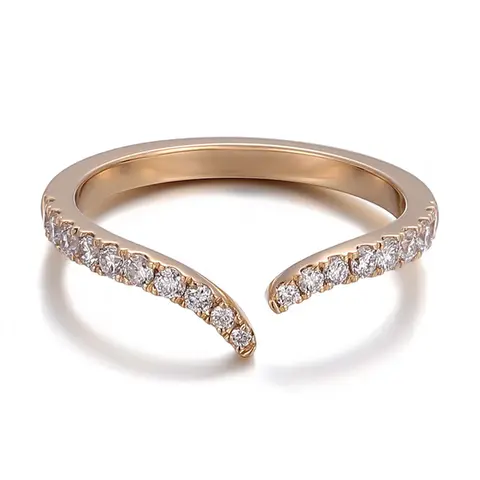
Synthetic Stones Wholesale: US labeling
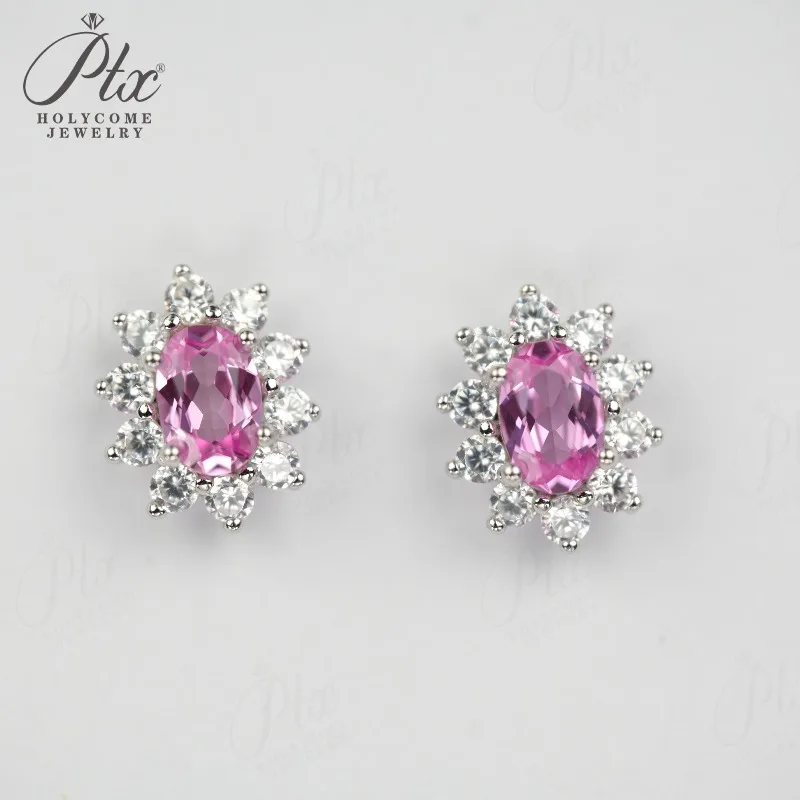
Why Hallmarking and Labeling Compliance Matters for Synthetic Stones
Synthetic Stones are lab-created gem materials that give wholesale buyers consistent color, clarity, and size at a fraction of the cost of mined stones, but selling them in the US means your hallmarks and product labels must describe exactly what the stone and metal actually are.
The Federal Trade Commission Jewelry Guides require that any reference to a diamond only apply to natural diamond, that lab-grown stones be described with the word laboratory-grown, laboratory-created, or synthetic, and that metal purity claims match the physical product. For a wholesale buyer, the practical decisions come down to three things: how the metal is marked, how the stone is described on invoices and product pages, and what documentation you can hand to a retailer or marketplace if they ask.
Get any of these wrong and you risk listing removals, chargebacks, or worse, a consumer complaint that escalates to a regulatory inquiry.
This article walks through the concrete compliance decisions you will face when importing Synthetic Stones set in silver or gold, how our factory marks and documents each order, and what you should ask any supplier before placing a bulk purchase. The rules are straightforward once you know them, but they are unforgiving, so it pays to build them into your product data from the first sample order.
The FTC Rules Wholesale Buyers Must Follow
Stone Disclosure for Lab-Created Gems
The FTC Jewelry Guides state that a diamond is a natural mineral, so Synthetic Stones may never be marketed as real or natural diamonds. If your product description mentions the word diamond, it must be immediately preceded by laboratory-grown, laboratory-created, or synthetic. Descriptions like diamond simulant are also acceptable for stones such as moissanite or cubic zirconia, but the safest practice is to name the material itself, for example synthetic moissanite or laboratory-created sapphire.
This applies to your website copy, Amazon or Etsy listings, packaging inserts, and even the verbal scripts your retail customers use.
Moissanite deserves a specific note. It is a lab-created diamond alternative with its own chemical identity, silicon carbide, and it is not a diamond of any kind. Marketing it as anything other than moissanite or a lab-created stone invites enforcement action. When we ship moissanite goods, the invoices and GRA or IGI grading papers already name the stone correctly, which you can carry straight into your own product data.
Metal Purity and Hallmarks
The metal carrying the stone must be named truthfully. The accepted designations are 925 sterling silver, 10K, 14K, or 18K solid gold, gold vermeil, and gold plated. Gold vermeil means a thick gold layer over sterling silver, and gold plated means a thinner layer over a base metal, so neither may be called solid gold in any listing or hallmark. A stamp of 925 is only lawful if the item is genuinely sterling silver.
If you order vermeil, the hallmark and the label should both say gold vermeil over 925 sterling silver, which keeps you clean on both the FTC Guides and marketplace metal policies.
US federal law does not mandate hallmarking on jewelry, but if you stamp a quality mark, it must be accurate, and many states add their own rules. Retail chains and major marketplaces routinely require a quality mark plus a maker's mark as a condition of stocking. We apply marks that match the certified metal composition, and we can add your registered maker's mark during production when you order custom work.
Documentation to Request Before You Order
Grading Papers for Loose and Set Stones
Not every lab-created stone needs paper, but center stones above the usual melee sizes benefit from it. We supply GRA or IGI papers for graded stones, which state the stone identity, carat weight, and quality characteristics. When a retail buyer or marketplace integrity team questions a listing, a grading paper from an independent laboratory ends the conversation quickly.
For smaller accent stones, ask for a lot-level material declaration instead, which is a signed statement of what the stones are and where they were produced.
Carat weight matters for labeling too. Loose stones are sold by the carat, and your invoices should match the actual weighed carat totals. Set stones should have the total carat weight disclosed on the product page, and if the mounting includes multiple stones, say so plainly rather than implying a single large center stone.
Invoice and Shipping Paperwork
Commercial invoices for US import should name the goods accurately, for example 925 sterling silver rings set with synthetic moissanite, with correct HTS codes and declared values. Understating value or mislabeling stone material on customs paperwork creates risk that no discount justifies. Our DDP delivery to the US takes 5 to 8 days, and the paperwork in that shipment mirrors what your customers will need for resale.
Keep a copy of every invoice and grading paper in a file per SKU, because if you ever face a claim, that file is your defense.
How Our Production and QC Support Compliance
Compliance starts with what physically leaves the factory, so our three-stage quality control process supports your labeling claims directly. Incoming inspection verifies raw metal composition and stone identity before assembly, in-process checks catch plating thickness and hallmark accuracy during production, and pre-ship AQL inspection confirms that finished goods match the order specification, including stamps and stone counts.
If an order of vermeil pendants shows a plating batch outside specification, the three-stage QC process catches it before shipment, not after your customers receive it.
For custom work, we confirm the exact hallmark text and label wording with you at the approval stage, so the mass production run matches your approved sample. Sampling takes 7 to 10 days and bulk production 15 to 25 days after approval, which leaves room to correct a stamp or revise a label draft without derailing your launch calendar.
Choosing the Right Metal and Stone Combination for US Retail
US consumers shop by price point and by how the product is described, so matching the metal and stone to your channel is a compliance decision as much as a merchandising one. Sterling silver with Synthetic Stones is the volume workhorse for online retailers, gold vermeil sits in the mid tier where the thicker gold layer over silver supports a higher price point, and solid 10K or 14K gold anchors your premium assortment.
The table below summarizes how the combinations are typically positioned and described.
| Metal | Typical Hallmark | Label Wording | Common Channel |
|---|---|---|---|
| 925 sterling silver | 925 | Sterling silver with synthetic stones | Online marketplaces |
| Gold vermeil | 925 plus plating note | Gold vermeil over sterling silver | Boutique retail |
| Gold plated | None or base metal mark | Gold plated base metal | Promotion lines |
| 14K solid gold | 14K or 585 | 14K solid gold with lab-created stones | Fine jewelry retail |
Whichever row you choose, the description on your product page must match the hallmark on the shank and the invoice in the box. Buyers who keep those three documents aligned pass marketplace audits with little friction, while misalignment between any two of them is the most common cause of listing takedowns we see from new wholesale accounts.
Practical Ordering Decisions for Wholesale Buyers
MOQ and Sampling Strategy
Stock styles carry a minimum order of 1 piece, so you can order a single sample to photograph, test, and review the hallmark before committing. Custom work requires a 30 piece minimum, which is the right point to lock in your maker's mark, label design, and packaging copy. We recommend ordering a sample of every SKU you intend to scale, checking the stamp against your intended listing text, and only then moving to bulk.
Sampling takes 7 to 10 days, so building a two-week validation window into your launch plan is realistic.
Payment Terms That Match Your Risk
For sample orders, PayPal keeps your cash exposure low while you validate compliance details. Once you move to bulk production, payment runs on T/T with a 30 percent deposit and the 70 percent balance before shipment. If you have not yet inspected a finished bulk run, ask for pre-ship photos from the AQL inspection before sending the balance, and confirm the hallmark and label text in those photos.
Pricing is quoted per piece for finished jewelry and per carat for loose stones, so your landed cost calculation should carry the same per-unit basis into your resale margin model.
Product Data Templates for Your Listings
The cleanest way to stay compliant at scale is a fixed data template per SKU. Each record should carry the stone identity with the word synthetic or laboratory-created, the metal designation exactly as hallmarked, the carat weight or total carat weight, and a reference to the available GRA or IGI paper where applicable.
Train your staff to copy from the template rather than write free-form descriptions, because the most frequent compliance failures come from a well-meaning copywriter shortening laboratory-created moissanite to moissanite diamond.
Common Compliance Mistakes and How to Avoid Them
The mistakes we see most often are predictable and avoidable. Calling moissanite a diamond in any form, stamping 925 on plated base metal, calling gold vermeil solid gold, omitting the word synthetic or laboratory-created before a stone name, and mismatching carat weights between invoice and listing are the five patterns that trigger most marketplace and regulatory problems. None of them require bad intent; they come from loose habits in product data.
A short internal checklist per SKU, reviewed against the physical sample and the grading paper, eliminates nearly all of them.
Another frequent gap is documentation retention. Buyers keep photos but lose invoices, or keep invoices but cannot locate the grading paper when a customer asks. Since our DDP shipments arrive in 5 to 8 days with full paperwork included, set up a folder per PO on the day the shipment lands and file everything before you photograph the goods. Two minutes per order saves weeks of scrambling later.
Order Terms for Wholesale Buyers
MOQ is 1 piece for stock styles and 30 pieces for custom work, and loose stones are sold by the carat. Sampling takes 7 to 10 days, and bulk production runs 15 to 25 days after the sample is approved. Pricing is quoted per piece or per carat depending on the item. Payment is T/T with a 30% deposit and the 70% balance before shipment, and PayPal is accepted for sample orders.
Frequently Asked Questions
Can I stamp my own brand mark along with the metal hallmark?
Yes. A registered maker's mark alongside the 925 or karat mark is standard practice and is required by many major retailers. For custom work at the 30 piece minimum, we can apply your mark during production; confirm the mark design at the sample approval stage so the bulk run matches.
Do all synthetic stones need a grading certificate?
No. Small accent stones typically ship with a lot-level material declaration instead. Center stones benefit from GRA or IGI papers, which give your retail customers independent confirmation of identity and carat weight.
How should I describe moissanite in my listings?
Call it synthetic moissanite, laboratory-created moissanite, or a lab-created diamond alternative. Do not use the word diamond on its own or pair it with natural or real, since the FTC reserves diamond for mined stones.
What wording is acceptable for vermeil and plated goods?
Gold vermeil must be described as gold vermeil over 925 sterling silver, and gold plated goods must be described as gold plated with the base metal named. Neither may be called solid gold under any circumstances.
Can I get DDP shipping with compliant paperwork?
Yes. DDP delivery to the US takes 5 to 8 days, and the commercial invoice names the metal and stone accurately for customs and resale. Keep a copy of each invoice with your SKU records.
Start Your Compliant Synthetic Stones Program
If you are building an assortment of Synthetic Stones for the US market, the fastest path is to order a sample, verify the hallmark and paperwork against your intended listing text, and then scale with confidence. Browse our current catalog in the product catalog to see stock styles available from a single piece, and read more buying guidance on the wholesale jewelry blog.
When you are ready to discuss custom hallmarks, maker's marks, or a bulk order with 30 piece minimums, reach out through our contact page and our team will respond with sampling timelines and pricing per piece or per carat.
Sources: Grading references: GIA gem education and GIA laboratory information.