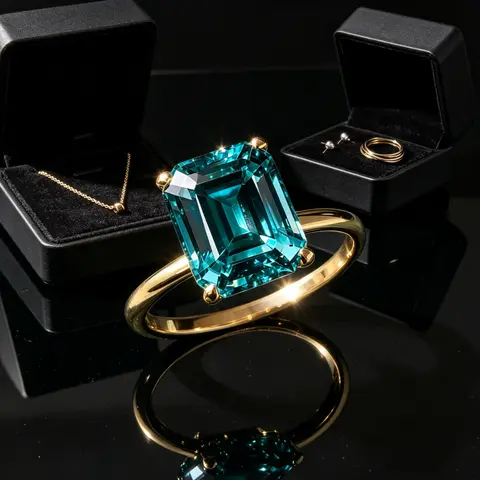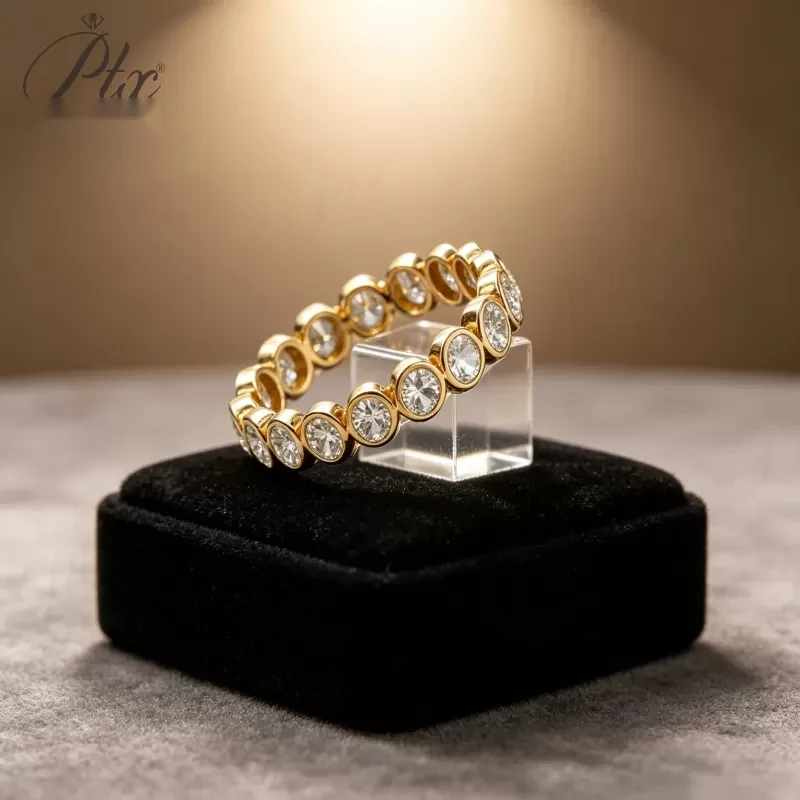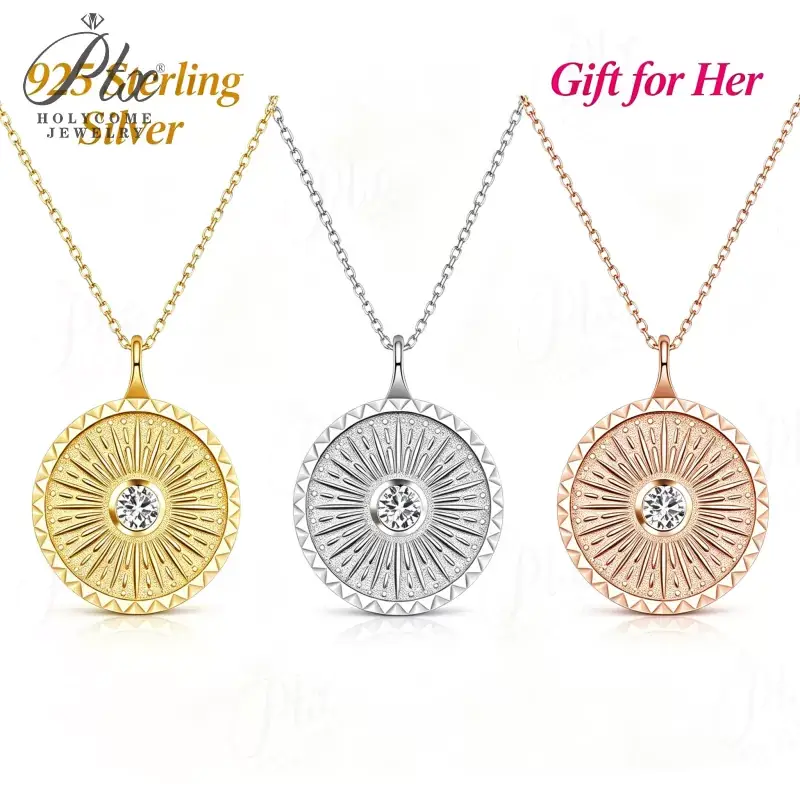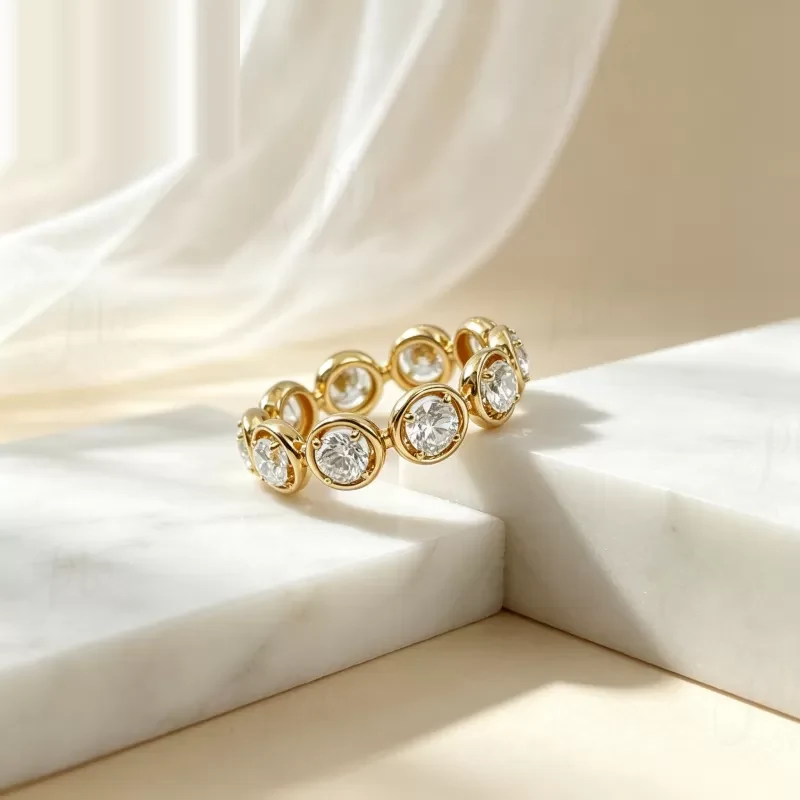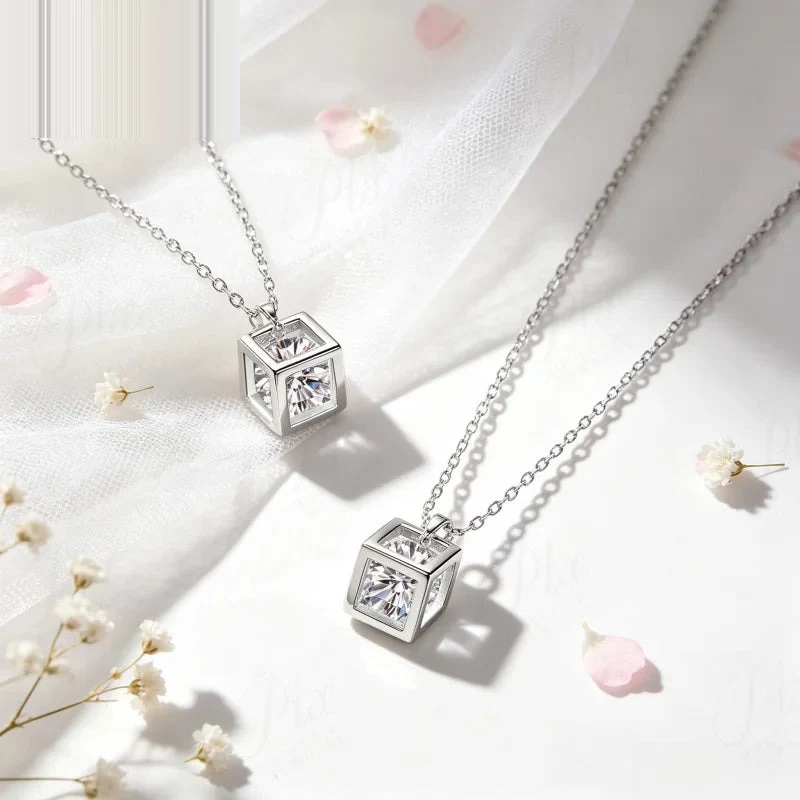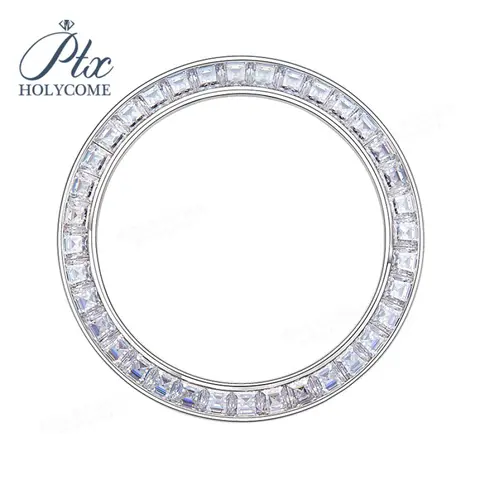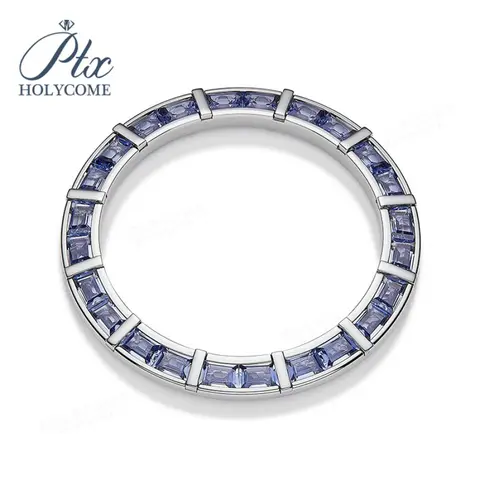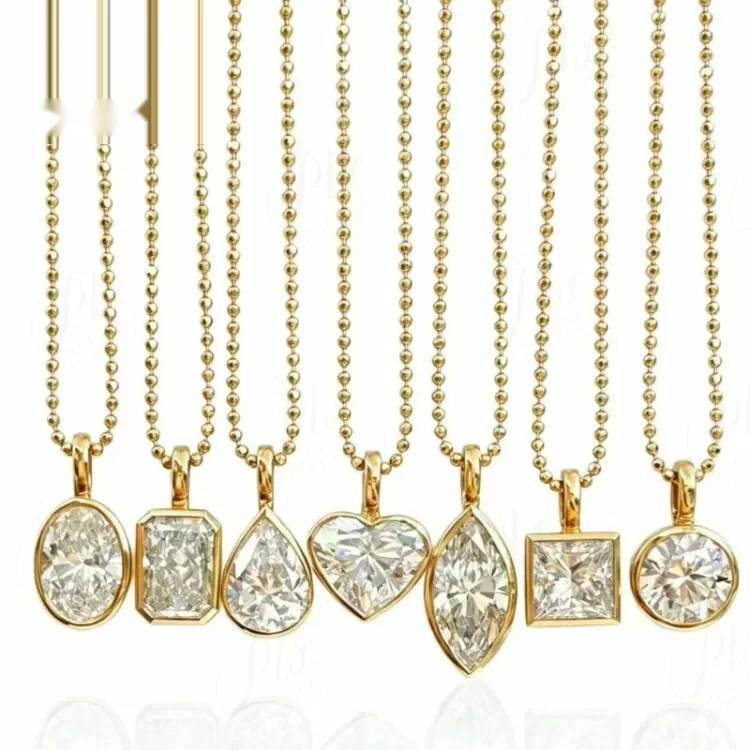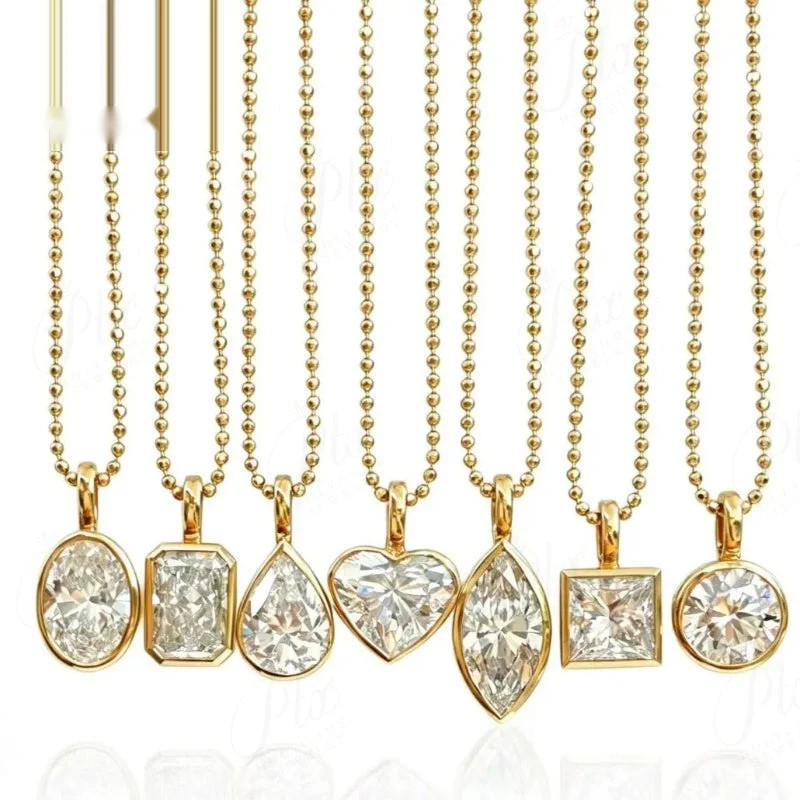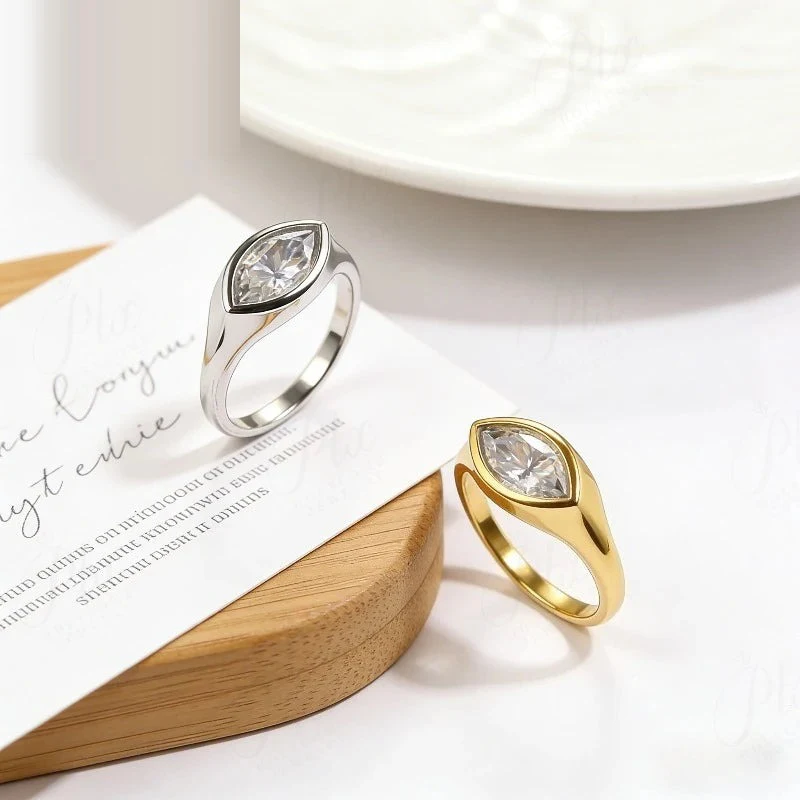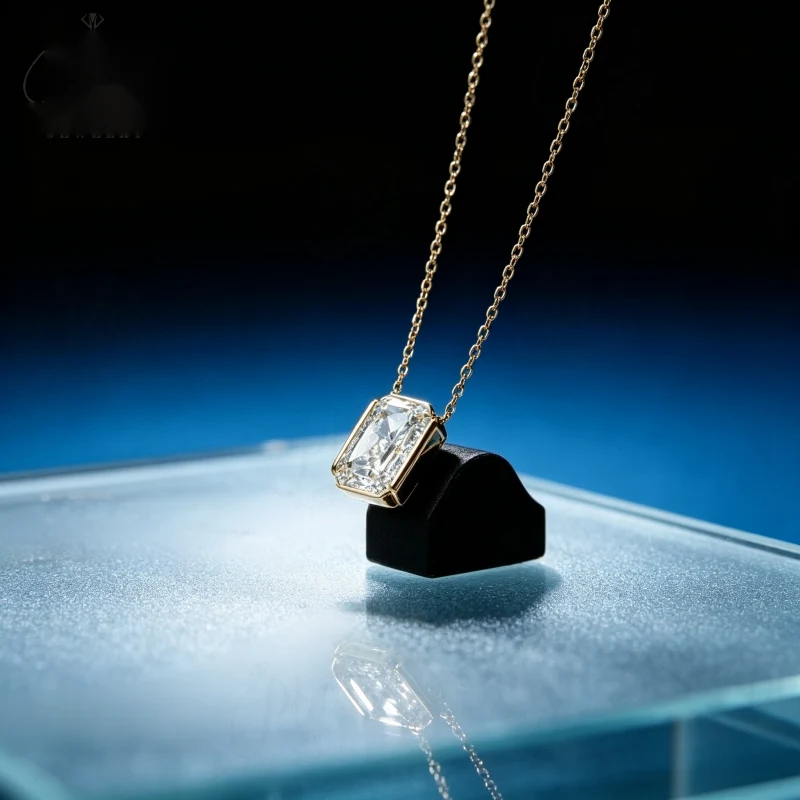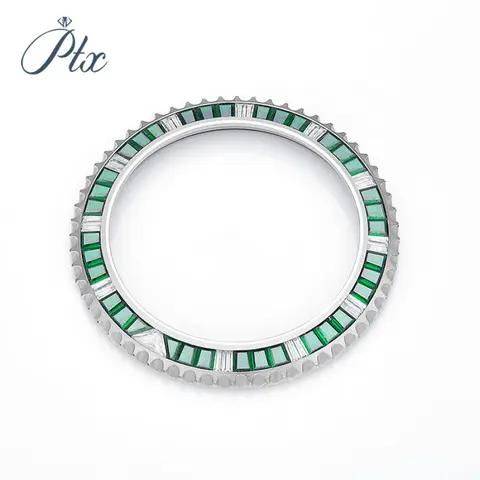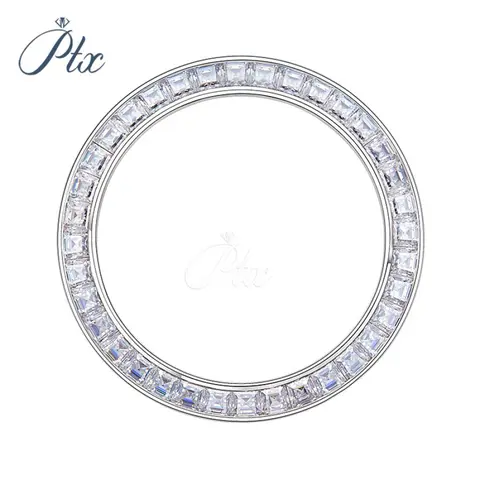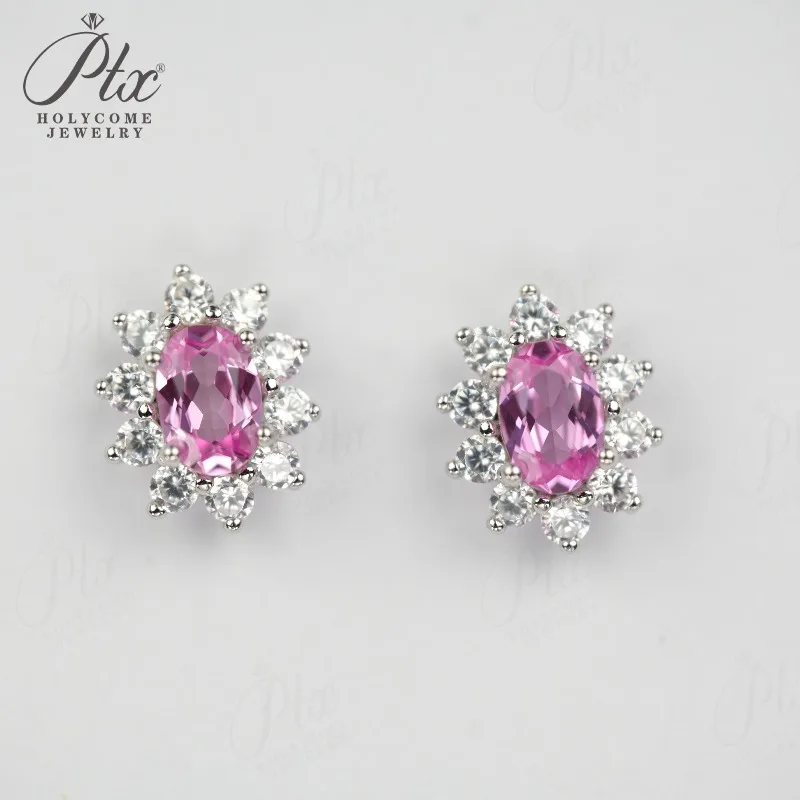
If you sell bridal jewelry or affordable luxury pieces, you have heard the word "moissanite (per Wikipedia)" more often over the last few years. Walk into any boutique that advertises engagement rings under $1,000, and a large share of the stones on the tray are moissanite. Yet many wholesale buyers still cannot explain exactly what it is, how it differs from diamond, or why customers keep coming back for it.
This guide breaks down moissanite in plain trade language: where it comes from, what it is made of, how it performs as a worn stone, and what it means for your buying decisions.
What moissanite actually is
Moissanite is a gemstone made of silicon carbide (SiC). It was first identified in 1893 by French chemist Henri Moissan inside a meteor crater in Arizona. Natural moissanite is extraordinarily rare, and almost all of it is microscopic. The material used in jewelry today is grown in controlled laboratories using a high-temperature growth process that produces colorless, near-colorless, and fancy-colored crystals, which are then cut and polished by hand.
From a customer's point of view, moissanite looks like a colorless diamond. Up close, it does not look like glass, cubic zirconia, or any of the imitations shoppers have learned to distrust. It has real weight, real optical depth, and a sparkle pattern that reads as high-end rather than costume.
How moissanite is made
Manufacturers grow silicon carbide crystals in specialized furnaces. The growth cycle takes weeks and produces a cylindrical crystal boule that is then sliced, cut, and faceted the same way diamond rough would be. Because the entire process happens indoors, producers can control color, clarity, and size with a precision that natural mining cannot match. A 2-carat equivalent round moissanite looks consistent from one stone to the next, which matters a great deal when you are restocking a best-selling style.
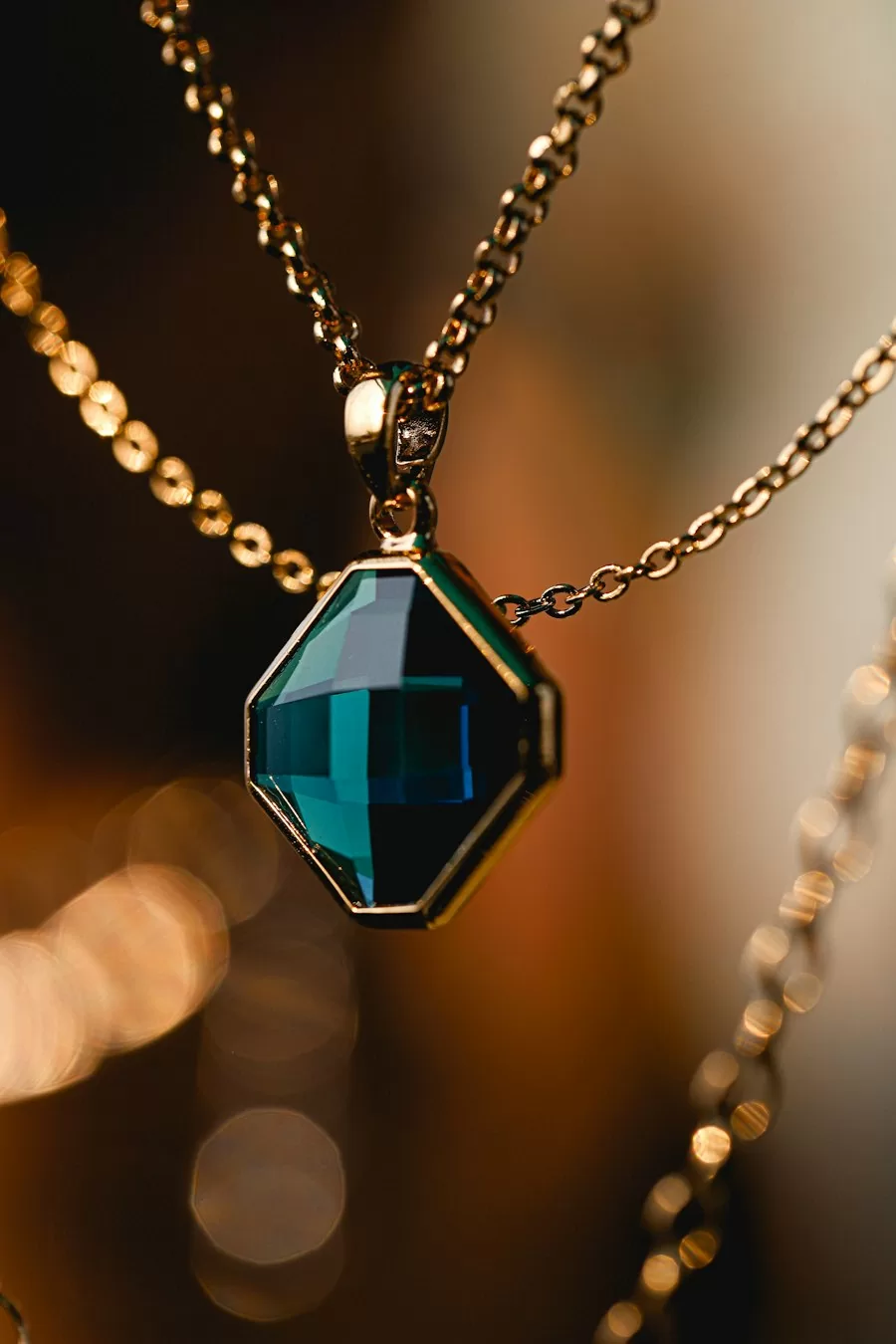
The numbers buyers should remember
Three properties drive moissanite's commercial story. First is hardness. On the Mohs scale, moissanite scores 9.25, behind diamond (10) but well ahead of sapphire (9), ruby, and nearly every other colored stone. That means a moissanite engagement ring can be worn every day without scratching the way a softer gem would.
Second is fire. Moissanite disperses light roughly 2.4 times more than diamond, which translates into visible flashes of rainbow color as the stone moves under light. This is the single biggest reason customers "feel" that moissanite looks more alive than a similarly sized diamond. It is also the reason some shoppers prefer it, and a smaller group prefers the quieter, whiter return of a diamond.
Third is price. Wholesale moissanite stones and finished rings typically cost a fraction of a comparable-looking diamond. That price gap is the entire business case for resellers: customers get a ring that reads as luxury on the hand, and you keep a healthy margin between factory cost and retail price.
Where moissanite sells best
Moissanite anchors three retail categories. The first is bridal: engagement rings, wedding bands, and anniversary gifts. The second is everyday fashion: studs, pendants, and stackable rings in 1 to 2 carat equivalents that customers can buy without saving for months. The third is gifting: promise rings, birthday gifts, and "just because" pieces that need to look impressive at a moderate price.
If you are building a catalog, start with the shapes that move fastest in your market. Round brilliant leads nearly every region, followed closely by oval, cushion, and pear. Emerald and asscher cuts have a smaller but steady following among buyers who want a more modern, architectural look.
Common buyer mistakes to avoid
The most frequent error is treating moissanite like a commodity. Not all moissanite is equal. Cut quality, color grading, and consistency across stones vary noticeably between factories. A poorly cut moissanite looks dull and glassy, and it will generate returns and negative reviews. Order samples, compare them side by side, and pay attention to how the stone faces up in natural light, not just under showroom bulbs.
The second mistake is under-explaining the stone to end customers. Moissanite is not a diamond, and it should never be sold as one. Position it honestly: a durable, ethically grown, diamond alternative with its own character. Customers who understand the product keep it for years and refer friends; customers who feel misled return it.
How to work with a moissanite manufacturer
When you are sourcing moissanite for resale, ask the factory about stone grading, plating thickness, ring sizing ranges, and lead times for repeat orders. A supplier that can ship a sample order in 7 to 10 days and restock your bestseller in 30 days is worth more than the one offering the lowest unit price. For more on what to look for, see our guide on choosing a moissanite jewelry supplier and our overview of custom jewelry manufacturing MOQs and pricing.
Moissanite is not a passing trend. It is a durable, scalable product category that gives resellers a genuine price-performance advantage. Buy it well, describe it honestly, and it will stay in your bestseller list for years.
Frequently Asked Questions
Is moissanite a good diamond alternative for retail buyers?
Yes for price-sensitive customers who want brilliance and hardness. Moissanite ranks 9.25 on the Mohs scale, holds up to daily wear and costs a fraction of a natural diamond of the same size, so it resells fast in bridal and fashion lines.
What is the minimum order for wholesale moissanite?
MOQ starts at 50 pieces per design for stock items. Custom cuts and private-label settings usually start at 100–300 pieces depending on the mold.
Do you provide certificates with moissanite stones?
Yes. Every parcel ships with GRA or IGI documentation listing carat weight, color grade and cut. We recommend passing the certificate to your end customer for trust.
How long does sample and bulk production take?
Samples ship in 3–5 days. Bulk runs take 15–20 days under 500 pieces, and 25–30 days for custom work.