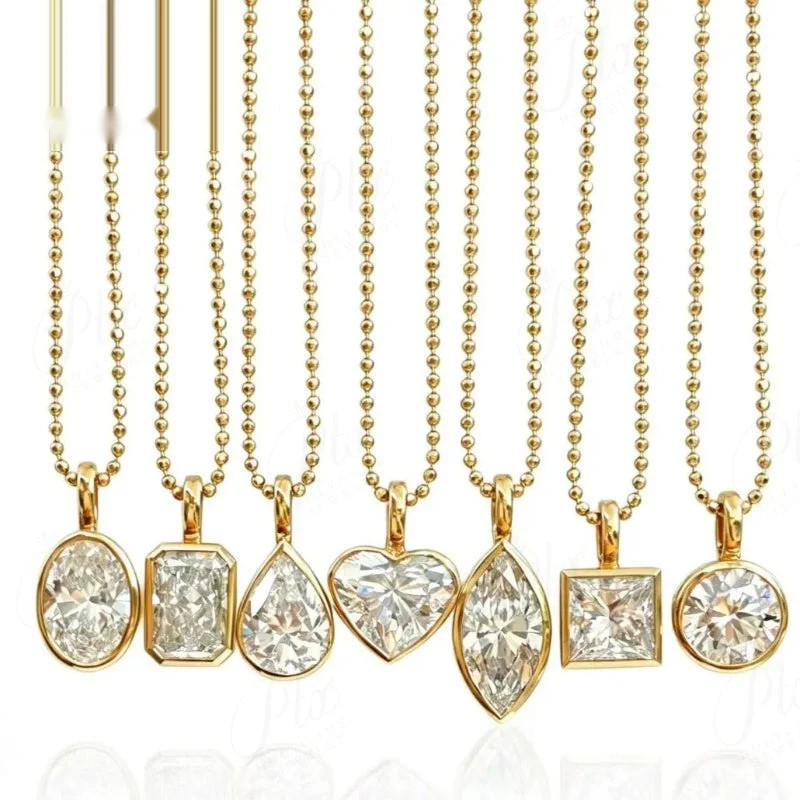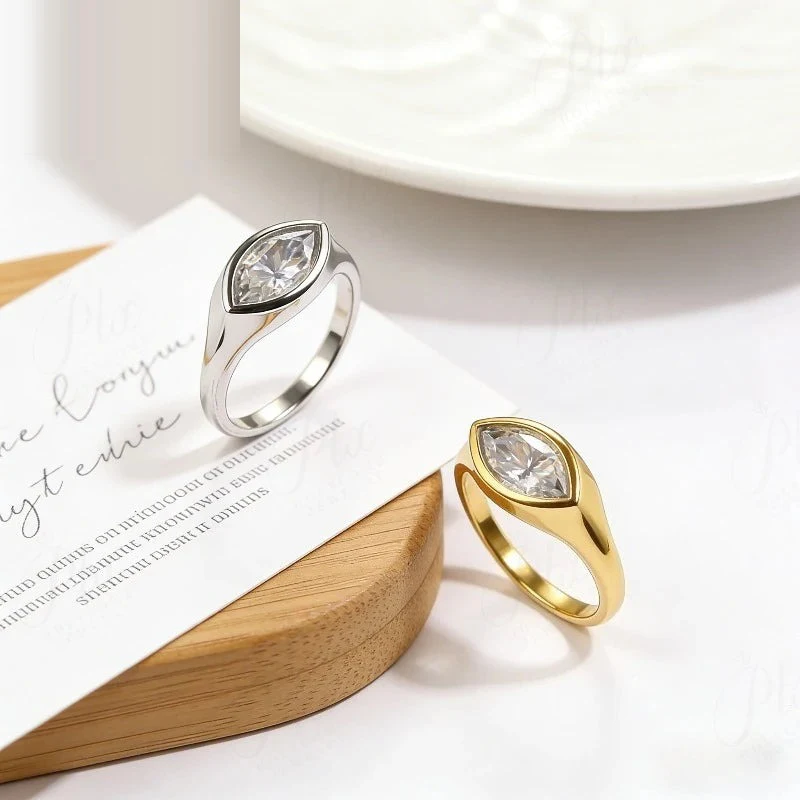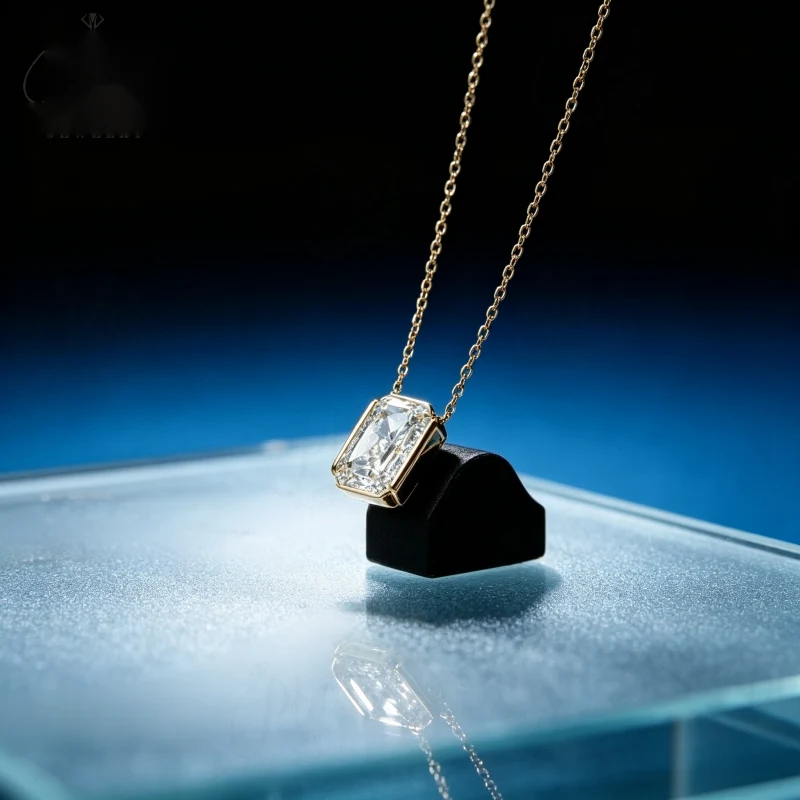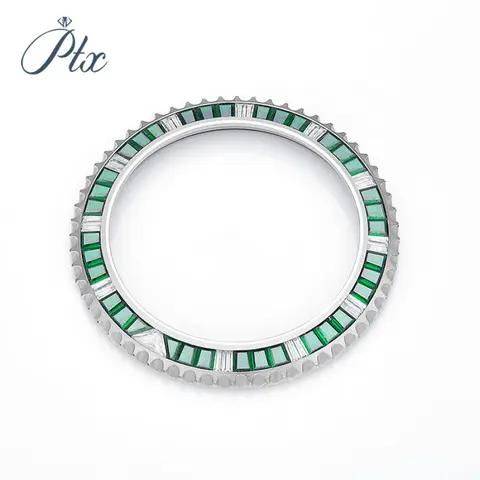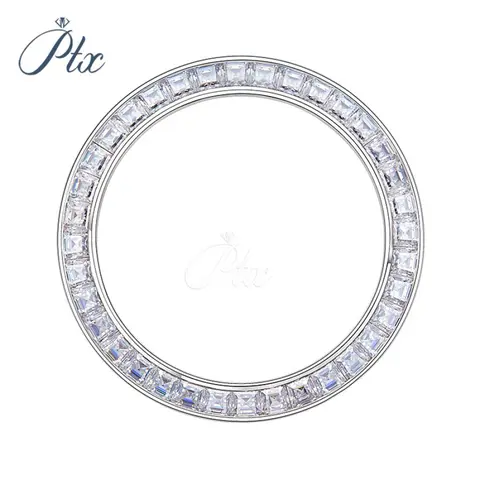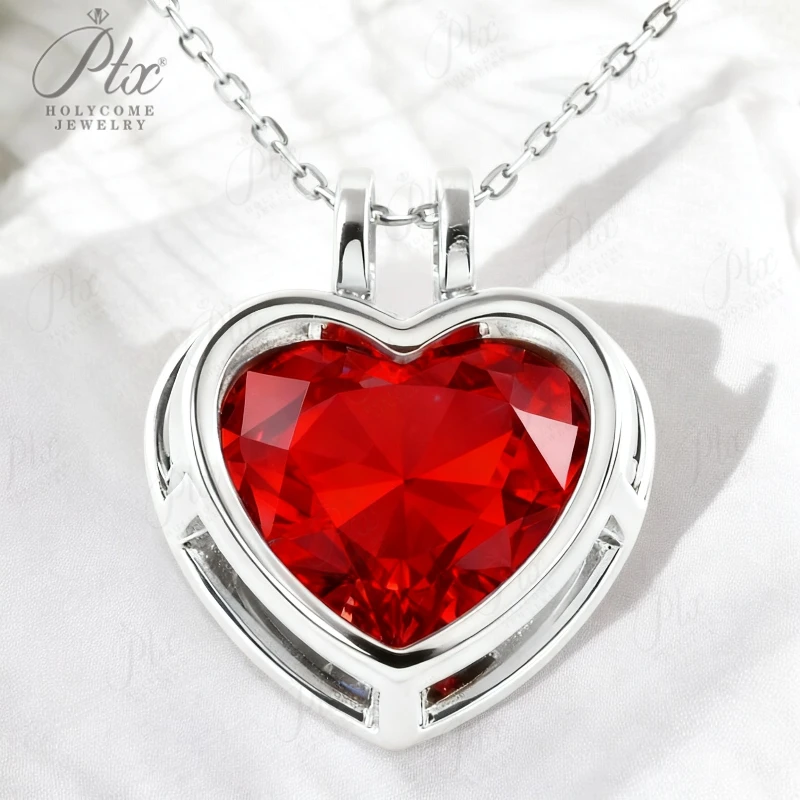
Almost every reseller has had the same complaint: a customer buys a gold-plated alloy ring, wears it for a month, and writes back saying the piece has gone dull, gray, or spotted. Usually the accusation is "it tarnished, it is low quality." The truth is more interesting. Tarnish on fashion jewelry is not a defect so much as a predictable chemical reaction, and once you understand it, you can set better buyer expectations and sell more pieces that last.
Tarnish is oxidation, not dirt
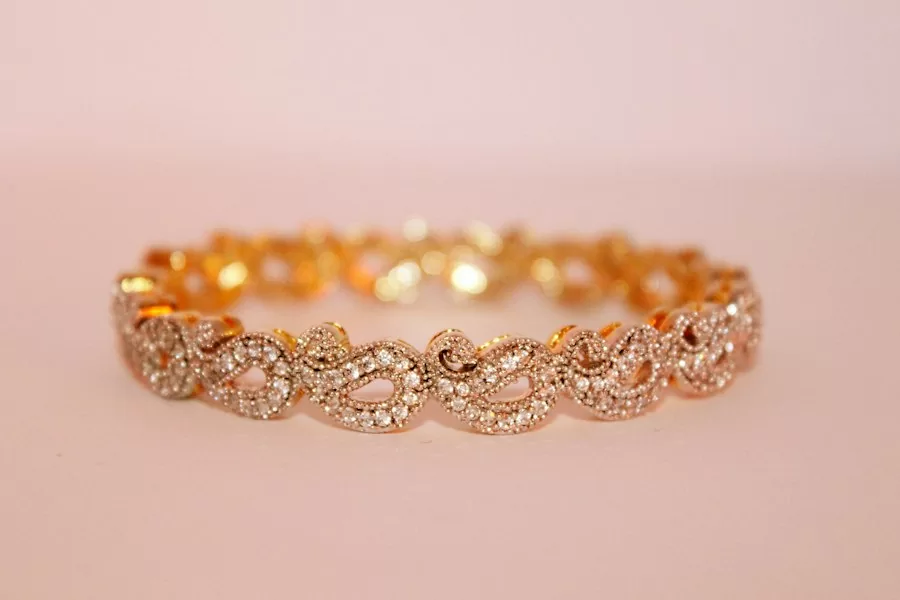
Most fashion jewelry is an alloy base—often brass, zinc alloy, or copper—coated with a thin plating of gold, rose gold, rhodium, or silver. Underneath that plating is a metal that reacts with the environment. When the surface is exposed to oxygen and trace compounds in the air, the metal atoms on the surface slowly combine to form a new layer of metal oxide or sulfide. That layer is what you see as a dulling, a gray cast, or a black-green film. It is the same process that turns a copper roof green or a silver spoon black, just compressed into a much thinner layer because the base metal is under plating.
The four main triggers
Sulfur in the air. Hydrogen sulfide and sulfur dioxide are present in urban air, near industrial areas, and even in some foods (eggs, onions, garlic) and materials (rubber, certain paper tissues). Silver-plated pieces react fastest, turning black at the contact points.
Skin chemistry and pH. Everyone's skin has a different pH and different moisture and oil output. Some people naturally sweat slightly acidic, and that sweat can dissolve plating faster and accelerate tarnish. Two customers can wear the exact same ring for the same weeks and get totally different results. This is why "it turned my finger green" is usually a skin-chemistry interaction with copper in the alloy, not a sign the piece is defective.
Cosmetics, perfume, and lotion. Sprays, creams, and hairsprays contain alcohols, silicones, and sulfates that sit on the plating and eat at it. Jewelry that is put on right after skincare or makeup comes off far sooner than jewelry that is put on last and taken off first.
Moisture and storage. Humidity is oxygen's sidekick. A damp bathroom drawer, a suitcase left by the window, or a jewelry box that breathes invites oxidation. Tarnish speeds up dramatically when air and moisture can both reach the metal.
Why the plating matters most
The single biggest factor in how long a piece looks new is not the base alloy, it is the thickness and quality of the plating. A cheap flash plating measured in microns will wear through in weeks, exposing the reactive base metal. A thicker, well-bonded plating (often described as 14K or 18K gold over a proper base, with a protective clear topcoat) takes much longer to break through. This is why buyers should ask suppliers about plating thickness rather than just "is it gold." Our breakdown of jewelry plating types goes deeper on what each finish actually means.
What actually slows tarnish
You cannot stop oxidation—you can only slow it. The habits that work:
- Put jewelry on last, after perfume, lotion, and hairspray have dried.
- Take it off before showering, swimming, sweating hard, or cleaning with bleach or ammonia.
- Wipe pieces with a soft dry cloth after each wear to remove skin oils.
- Store in a dry, airtight pouch or anti-tarnish strip, not on an open bathroom counter.
- Keep silver and brass pieces away from rubber bands and certain acidic paper.
For everyday guidance you can hand to customers, our fashion jewelry care guide lays out the routine in plain language.
How to talk about tarnish with buyers
Resellers who set expectations up front get fewer returns. Explain that plated fashion jewelry is designed to look great, not to be worn forever like solid gold. Recommend the care routine in the listing or on a care card. Customers who know what to expect treat tarnish as normal upkeep; customers who expect solid-gold durability treat it as a flaw. Small, honest copy changes reduce returns and build trust.
Tarnish is a chemistry story, not a quality mystery. Once you know the triggers—sulfur, skin pH, cosmetics, and moisture—and the real fix (thicker plating plus dry storage), you can source better pieces, set clearer expectations, and keep more happy wearers over time.
Rhodium plating, which gives white gold jewellery its bright finish, is covered in the Wikipedia article on rhodium.
Frequently Asked Questions
How do I prevent sterling silver from tarnishing in storage?
Use anti-tarnish bags with a sulfur absorber, keep humidity under 60% and avoid paper wrapping. Rhodium plating adds a further barrier on high-turn SKUs.
Is rhodium plating worth the added cost?
Yes for display and gift lines. It resists tarnish for 12–18 months and keeps shelf pieces bright, which reduces markdowns.
What purity do you supply?
925 sterling silver, stamped and hallmarked. Fine silver (.999) is available for beads and bullion-style pieces.
What is the MOQ and lead time?
50 pieces per design, samples 3–5 days, bulk 15–20 days.