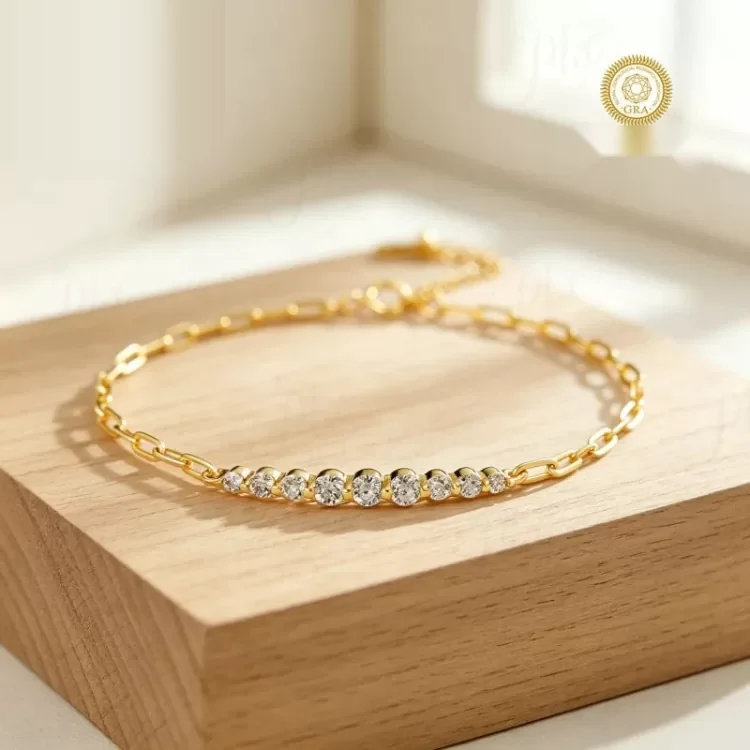
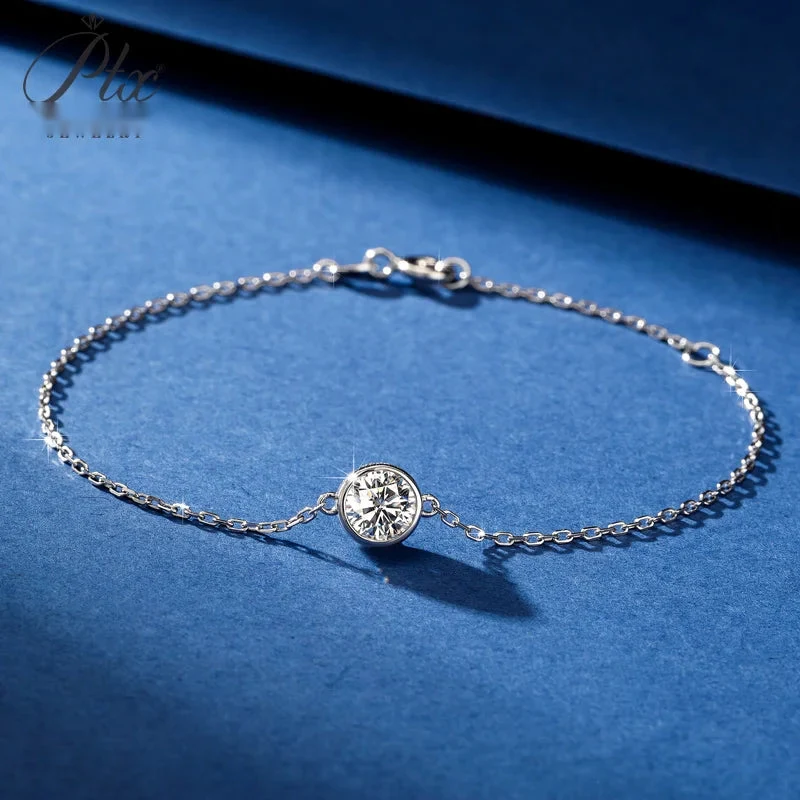
Wholesale Bracelets: Supplier Vetting & Audit Red Flags

Why a Bracelet Supplier Audit Matters Before You Place a Bulk Order
Bracelets are one of the highest-risk jewelry categories for wholesale buyers because they combine small metal components, clasps, stones, and plating that can each fail inspection in different ways. A supplier audit focused on bracelets helps you verify that a factory can actually deliver consistent quality at scale before you commit to an order.
This guide walks through the red flags to watch for when auditing a bracelet supplier, from MOQ and sampling behavior to quality control documentation and payment terms that signal whether a manufacturer is set up for professional B2B work.
Red Flags in Minimum Order Quantity and Pricing Structure
A legitimate bracelet manufacturer should be transparent about order minimums from your first conversation. Suspicious suppliers either refuse to state an MOQ or quote an unrealistically low one with no explanation of what it covers. Established factories typically work on two tracks: a 1 piece minimum for stock bracelet styles, so you can test market response, and a 30 piece minimum for custom bracelet work where tooling, molds, or stone setting are involved.
Loose stones are sold by the carat, which is standard for moissanite-set bracelets.
Vague or Ever-Changing Quotes
If a supplier sends a bracelet price list and then changes unit prices when you ask about bulk quantities, treat it as a warning sign. Professional manufacturers quote pricing per piece for finished bracelets or per carat for loose stones, and they hold those quotes through a defined quote validity period. Ask whether the quoted price includes the clasp, any plating layer, and stone setting labor. A quote that omits these components often inflates later.
No Distinction Between Stock and Custom Production
Suppliers who blur the line between stock and custom work are often middlemen reselling from another factory. A real manufacturer knows exactly which bracelet designs are in stock, which require new molds, and how the 30 piece custom minimum applies. Ask for photos of their production floor handling bracelets specifically, not just generic jewelry images.
Red Flags in Sampling and Lead Times
The sampling stage is where most supplier problems surface. A capable bracelet factory offers samples within 7 to 10 days, giving you time to check clasp strength, stone setting, plating thickness, and weight against your specification sheet. If a supplier cannot produce a sample in that window or pushes you straight to bulk production, they may be buying from a third party or hiding quality problems.
Sample Quality That Does Not Match the Spec Sheet
Compare the sample against every line of your specification: metal type, stone size, plating color, and clasp mechanism. Common bracelet defects to check include loose or misaligned stones, weak lobster clasps, uneven plating at solder joints, and links that snag. If the sample arrives with defects the supplier dismisses as normal, the bulk run will likely be worse, not better.
Bulk Timelines That Keep Slipping
Bulk production for bracelets should take 15 to 25 days after sample approval. A supplier who quotes a faster timeline may be skipping in-process quality checks; one who keeps extending the deadline may not have the capacity they claimed. Ask what stage your order is in at each check-in and request photos of the work in progress.
Red Flags in Material and Metal Claims
Metal misrepresentation is the most costly audit failure in the bracelet category. Every plated or vermeil bracelet must be named for what it is: 925 sterling silver, 10K/14K/18K solid gold, gold vermeil, or gold plated. If a supplier describes a gold plated bracelet as solid gold, or refuses to put the metal type in writing on the invoice, walk away.
The same discipline applies to stones: moissanite is a lab-created diamond alternative, and any supplier who markets it as a natural or real diamond is exposing your business to serious liability.
Missing or Non-Verifiable Stone Documentation
Graded moissanite stones should come with GRA or IGI papers. During your audit, ask to see sample certificates and verify that the report numbers on the stones in your sample match the paperwork. A supplier who cannot produce documentation for graded stones, or who offers only generic certificates with no issuing lab name, is a clear red flag for bulk orders.
Evasive Answers About Plating and Finish
Ask specifically what plating process is used on gold plated and gold vermeil bracelets, what base metal sits underneath, and how thickness is controlled. A factory with real capability will describe its plating line and inspection points for wear areas like clasp edges and link contact points. Vague answers such as "high quality plating" without process detail suggest the finishing is outsourced with no oversight.
Red Flags in Quality Control and Inspection Process
Auditing the quality control system tells you more about a supplier than any sample ever will. Mature manufacturers run a three-stage QC process: incoming inspection of raw materials and stones, in-process checks during bracelet assembly and stone setting, and a pre-ship AQL inspection on the finished lot. If a supplier can only describe a final visual check before packing, they lack the process control needed for consistent bracelet production at volume.
Use this comparison to separate structured manufacturers from high-risk suppliers:
| Audit Area | Professional Supplier | Red Flag Supplier |
|---|---|---|
| Metal naming | Sterling silver, solid gold, or plating stated in writing | Calls plated items solid gold |
| QC stages | Incoming, in-process, and pre-ship AQL inspection | Final visual check only |
| Sample timeline | 7 to 10 days with spec-matched sample | Pushes straight to bulk |
| Stone papers | GRA or IGI reports for graded stones | No verifiable certificates |
Run this audit before signing anything, and repeat the key questions at the sampling stage to confirm the answers hold up under pressure. Suppliers whose claims shift between the quotation and sampling rounds are the ones most likely to deliver a bulk lot below standard.
Red Flags in Payment Terms and Shipping Arrangements
Payment structure is one of the fastest ways to audit a supplier's professionalism. Standard B2B terms for jewelry manufacturing are T/T with a 30 percent deposit and the 70 percent balance before shipment, with PayPal accepted for sample orders. Be cautious of suppliers demanding the full balance upfront for a bulk order, or who have no mechanism at all for sample payments, since both suggest unstructured operations or outright fraud risk.
Unclear Delivery Terms for the US Market
Ask how finished bracelets reach your US warehouse. Established suppliers offer DDP delivery to the US taking 5 to 8 days, meaning they handle duties and customs clearance and you receive the goods without surprise fees. A supplier who quotes only vague ex-works pricing or cannot explain who pays import duties creates landed-cost uncertainty that can erase your margin on the entire bracelet program.
Communication Patterns That Signal Risk
Beyond documents and terms, watch how the supplier communicates. Red flags include: sales staff who cannot answer basic questions about bracelet construction, requests to move entirely to personal chat apps with no written record, refusal to video-call from the production floor, and invoices that list generic product names instead of the agreed metal and stone specifications. Each of these makes recourse harder if a bulk shipment arrives with defects.
Building Your Own Bracelet Supplier Audit Checklist
Turn the red flags above into a repeatable checklist you apply to every new bracelet source.
Your audit should confirm, in writing: the MOQ structure of 1 piece for stock styles and 30 pieces for custom work; sampling in 7 to 10 days; bulk production of 15 to 25 days after approval; pricing per piece or per carat; T/T payment with 30 percent deposit and 70 percent balance before shipment, with PayPal for samples; a documented three-stage QC process ending in pre-ship AQL inspection; GRA or IGI papers for graded stones; correct metal naming across 925 sterling silver, 10K/14K/18K solid gold, gold vermeil, and gold plated items; and DDP delivery to the US in 5 to 8 days.
A supplier who satisfies every line on that list is positioned to support a scalable bracelet program; one who fails even two or three lines deserves a second source.
Order Terms for Wholesale Buyers
MOQ is 1 piece for stock styles and 30 pieces for custom work, and loose stones are sold by the carat. Sampling takes 7 to 10 days, and bulk production runs 15 to 25 days after the sample is approved. Pricing is quoted per piece or per carat depending on the item. Payment is T/T with a 30% deposit and the 70% balance before shipment, and PayPal is accepted for sample orders.
Frequently Asked Questions
What is the minimum order for wholesale bracelets?
Stock bracelet styles carry a 1 piece minimum, which lets you test designs before scaling. Custom bracelet work requires a 30 piece minimum because it involves tooling and dedicated production. Loose stones for bracelet setting are sold by the carat.
How long do sampling and bulk production take?
Sampling takes 7 to 10 days from specification confirmation. Once you approve the sample, bulk production takes 15 to 25 days. Suppliers who cannot meet either window often lack in-house capacity.
What payment terms should I expect for bracelet orders?
Standard terms are T/T with a 30 percent deposit and the 70 percent balance paid before shipment. PayPal is accepted for sample orders. Terms that deviate significantly from this structure warrant closer due diligence.
How do I verify stone quality on moissanite bracelets?
Graded stones come with GRA or IGI papers, and you can match the report numbers against the stones in your sample. Request documentation before the bulk run and confirm the same grading applies to your production lot.
What does DDP delivery to the US mean for my landed cost?
DDP means the supplier covers duties and clearance, with delivery to the US in 5 to 8 days. Your quoted unit price reflects the final cost at your door, which simplifies margin planning on bracelet orders.
Source Audited Bracelet Suppliers and Start Sampling
If you are ready to work with a bracelet manufacturer that meets every checkpoint in this audit, start by browsing the range on our bracelet product catalog to review stock styles and stone options. For more guidance on evaluating jewelry suppliers and building wholesale programs, read the latest posts on our wholesale jewelry blog.
When you are prepared to request samples or a custom quote, reach out through our contact page and our team will respond with pricing and timelines for your bracelet program.
Sources: Grading references: GIA gem education and GIA laboratory information.