Wholesale Budget Earrings: Supplier Vetting & Audit Red Flags

Budget Earrings and the Supplier Audit: What Wholesale Buyers Should Check Before Ordering
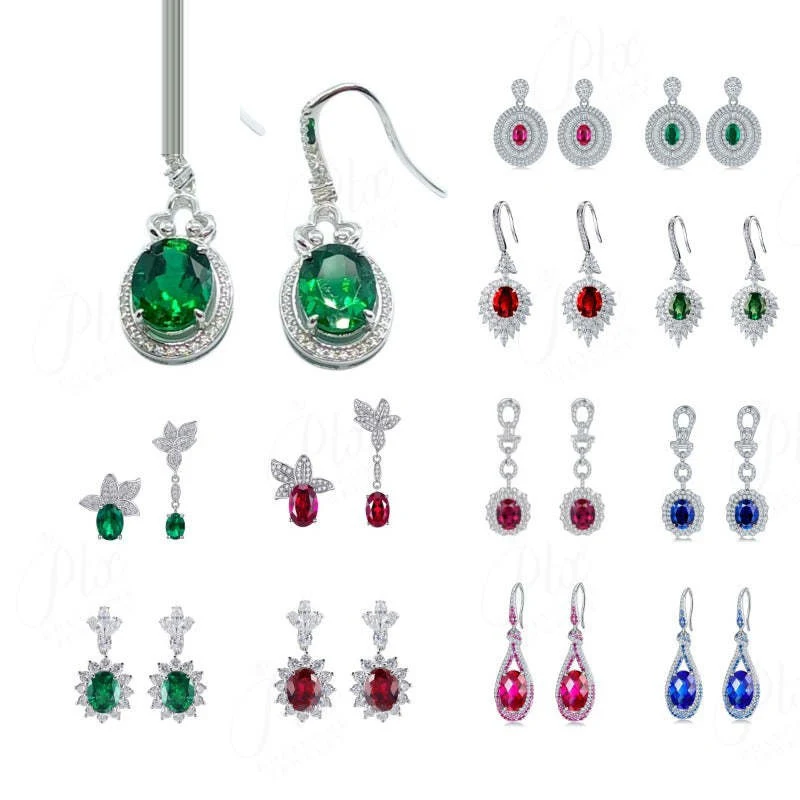
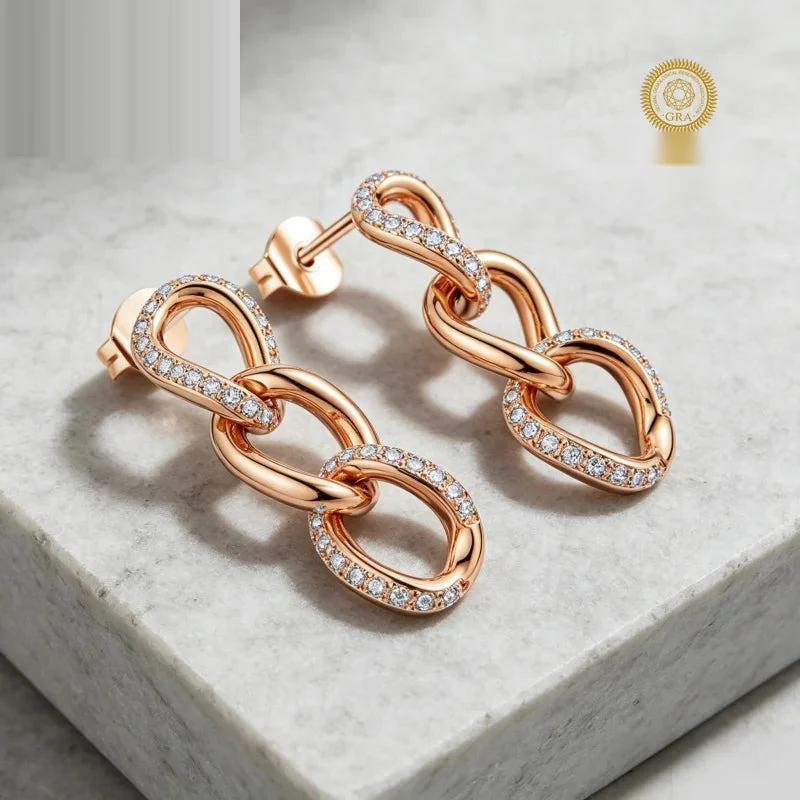
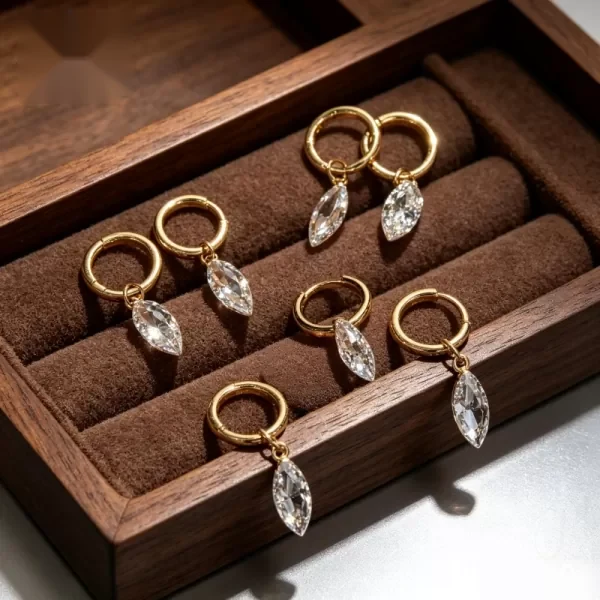
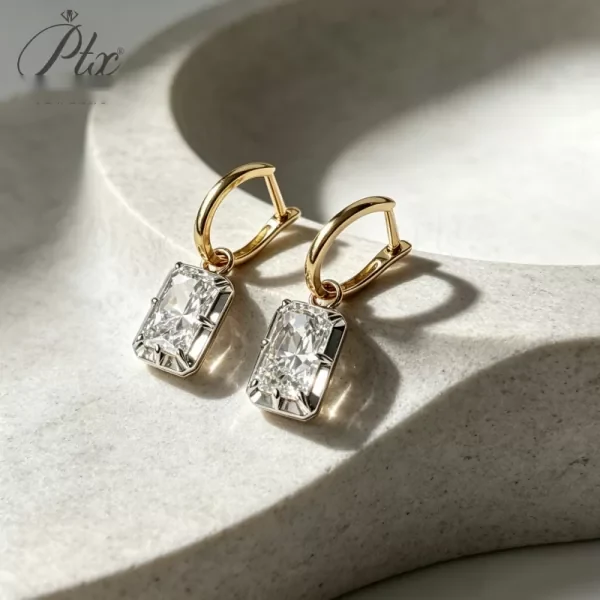
Budget earrings can be a profitable category for US retailers, but low unit prices often hide costly problems: mislabeled metals, loose stones without grading papers, and factories that cannot hold quality across a bulk run. The safest way to separate reliable suppliers from risky ones is a structured audit before you commit money.
This article walks through the red flags to look for when auditing a supplier of budget earrings, from metal disclosures and QC documentation to sampling timelines and payment terms, so you can order with confidence and protect your margin.
Why Supplier Audits Matter More in the Budget Earrings Category
Price pressure is the defining feature of budget earrings. When a supplier competes on cost, something is usually being trimmed: plating thickness, stone quality, inspection time, or transparency about materials. A buyer who skips the audit process often discovers these cuts only after stock arrives and customers start returning pieces.
An audit does not require an on-site visit to be useful. A remote audit built around documentation, samples, and a test order can surface most red flags within a couple of weeks. The goal is to verify three things: that the supplier describes materials honestly, that quality control actually happens at defined stages, and that production timelines and payment structures are stated clearly before you pay.
Red Flag: Vague Metal Descriptions
The most common audit failure in budget earrings is imprecise metal language. A trustworthy supplier names the base metal exactly: 925 sterling silver, 10K, 14K, or 18K solid gold, gold vermeil, or gold plated. Be cautious with phrases like "gold jewelry" or "luxury finish" that avoid stating whether the piece is solid gold, vermeil, or plated. Plated and vermeil pieces have a place in a budget assortment, but they must be sold to your customers as what they are.
Red Flag: No Paperwork on Stones
Moissanite is widely used in budget earrings as a lab-created diamond alternative, and it is a legitimate, attractive option when it is described accurately. Ask whether the stones are graded and whether papers are available. Reputable suppliers provide GRA or IGI papers on graded stones. If a supplier cannot produce a sample certificate, or claims the stones are "natural diamonds" at a low price, treat that as a serious warning sign and walk away.
Building a Remote Audit Checklist for Budget Earring Suppliers
A structured checklist keeps your audit consistent across multiple suppliers and gives you a written record if a dispute arises later. Focus on the items below before discussing price.
- Material disclosure in writing: exact metal type for every SKU, including base metal and finish.
- Stone documentation: GRA or IGI papers available for graded stones on request.
- QC process: a stated inspection flow covering incoming materials, in-process checks, and pre-shipment AQL inspection.
- Production timeline: stated sampling and bulk lead times in writing.
- Payment structure: standard terms disclosed up front, including deposit and balance split.
- Minimums: clear MOQ for stock styles versus custom work.
- Shipping terms: stated delivery method and transit time to your US warehouse.
Red Flag: No Three-Stage Quality Control
Ask the supplier to describe their inspection process in detail. A dependable manufacturer runs quality control at three stages: incoming inspection of raw materials and stones, in-process checks during production, and a pre-shipment AQL inspection before goods leave the factory. If a sales rep can only say "we check everything," ask which stage catches plating defects or loose stone settings. Vagueness here usually means inspection is informal, which is how a bad batch reaches your customers.
Red Flag: Unrealistic Timelines
Realistic production benchmarks help you spot inflated promises. Sampling for earrings typically takes 7 to 10 days, and bulk production runs 15 to 25 days after sample approval. If a supplier promises bulk output in a week, they may be skipping inspection steps or reselling another factory's stock without disclosing it. Either scenario puts your brand at risk.
Comparing Supplier Responses: A Quick Audit Scorecard
Once you have sent your checklist to two or three candidate suppliers, lay their answers side by side. The table below shows how responses compare against the audit standard.
| Audit Item | Acceptable Answer | Red Flag Answer |
|---|---|---|
| Base metal | Sterling silver, solid gold, vermeil, or plated named exactly | "Gold" or "premium alloy" with no detail |
| Stone papers | GRA or IGI papers for graded stones | No certificates or vague promises |
| QC stages | Incoming, in-process, pre-ship AQL | "We check everything" with no stages |
| Bulk lead time | 15 to 25 days after approval | Faster than industry norms, no detail |
| Payment terms | 30 percent deposit, balance before shipment | Full payment upfront for bulk |
Score each supplier on every row before moving to sampling. One weak answer can be clarified; three or more usually signals a supplier you should drop.
Payment Terms as an Audit Signal
Payment structure tells you how a supplier handles risk and how they expect the relationship to work. Standard wholesale terms for bulk production are T/T with a 30 percent deposit and the 70 percent balance paid before shipment. Sample orders are typically handled through PayPal, which gives the buyer an added layer of protection on small amounts.
Red flags appear in both directions. A supplier demanding full payment upfront for a bulk order is asking you to carry all the risk. On the other side, a supplier offering unusually long credit terms to a first-time buyer may be desperate for volume, which often correlates with quality problems. Stick with the market-standard split and treat deviations as questions to ask, not perks to accept.
Red Flag: Pricing That Avoids Units
Ask how pricing is quoted per item. Earrings are usually priced per piece, while loose stones are sold by the carat. If a supplier blends the two, or quotes a single price for a "finished pair with stones" without breaking out stone cost, you cannot compare offers accurately or verify the stone quality behind the price. Request itemized quotes and check the carat pricing against GRA or IGI documentation on the stones supplied.
Ordering Strategy: Use MOQ and Sampling to Test the Supplier
Your first order is part of the audit. Flexible minimums make this easy to run: a low MOQ on stock styles lets you place a small trial order, while custom work generally requires 30 pieces per design. Loose stones are available by the carat if you want to test stone quality separately from finished goods.
Structure the trial in three steps. First, order samples and check them against the material descriptions in writing, weighing pieces and confirming plating type where relevant. Second, approve the sample and place a small bulk order, then inspect the bulk goods against the approved sample when they arrive; consistency between sample and bulk is one of the strongest signals of a well-run factory. Third, document any defects with photos and see how the supplier responds before scaling up.
Red Flag: Bulk Goods That Do Not Match the Sample
Sample-to-bulk mismatch is the most expensive audit failure because it happens after money has moved. Protect yourself by keeping the approved sample, photographing it from multiple angles, and writing the specification (metal, stone type, plating color, dimensions) into the order confirmation. A supplier running proper in-process QC should be able to match the approved sample across a bulk run; if they cannot, their inspection claims were not real.
Shipping and Delivery: What a Well-Run Supplier Promises
Delivery terms complete the audit. For US-bound orders, DDP shipping that arrives in 5 to 8 days is a realistic, buyer-friendly standard: the supplier handles duties and clearance, and you receive landed stock at your door without surprise fees. Ask which carrier and service level applies, and confirm that DDP is the quoted term rather than DAP or FOB, which shift costs and paperwork to you.
If a supplier quotes unusually fast delivery combined with unusually low prices, revisit the timeline red flag from earlier. Speed is achievable, but only when production and inspection schedules are planned properly. Consistency across sampling, bulk lead time, and shipping estimates is what separates an organized manufacturer from a trading company improvising answers.
Order Terms for Wholesale Buyers
MOQ is 1 piece for stock styles and 30 pieces for custom work, and loose stones are sold by the carat. Sampling takes 7 to 10 days, and bulk production runs 15 to 25 days after the sample is approved. Pricing is quoted per piece or per carat depending on the item. Payment is T/T with a 30% deposit and the 70% balance before shipment, and PayPal is accepted for sample orders.
Frequently Asked Questions
How many samples should I order before committing to a bulk run?
Order samples of every SKU you plan to stock, plus one or two alternates, since sampling runs 7 to 10 days and is inexpensive relative to a bulk order. Check metal type, stone setting, plating color, and finishing on each piece. Approve only after the samples match the written specifications.
What is a reasonable MOQ for testing a new budget earrings supplier?
Stock styles typically carry a MOQ of 1 piece, which makes a trial order straightforward. Custom designs generally require 30 pieces per design. Start with stock styles at low quantity, then move to custom work once the supplier has proven consistency.
Should moissanite earrings come with certificates?
Graded stones should be accompanied by GRA or IGI papers, and you can request them during the audit. Moissanite is a lab-created diamond alternative and should be marketed that way, never as a natural diamond. Certificates give your customers confidence and protect you from mislabeling claims.
How do I verify plating claims without lab equipment?
Ask for the plating specification in writing, including base metal and finish name such as gold plated or gold vermeil. Compare bulk goods against your approved sample under consistent lighting and check for color and wear differences. Consistent results across a bulk run are a strong practical indicator of controlled plating quality.
What payment terms should I insist on for a first bulk order?
Standard terms are T/T with a 30 percent deposit and the 70 percent balance before shipment, while sample orders can be paid via PayPal. Avoid full upfront payment on bulk orders, and treat any deviation from the standard split as a discussion point. Get the terms into the order confirmation before transferring funds.
Run Your Audit, Then Build Your Budget Earrings Assortment
A supplier audit for budget earrings comes down to honest material naming, documented stone grading with GRA or IGI papers, a three-stage QC process with pre-ship AQL inspection, realistic lead times of 7 to 10 days for sampling and 15 to 25 days for bulk, standard payment terms, and DDP delivery to the US in 5 to 8 days.
A supplier who answers these questions clearly and consistently is worth a trial order; one who dodges them is costing you returns later. Start small, verify everything in writing, and scale only after bulk goods match your approved samples.
Browse our current earring catalog on the products page, read more buying guides on the wholesale jewelry blog, or request samples and quotes through our contact page to start your supplier audit today.
Sources: Grading references: GIA gem education and GIA laboratory information.