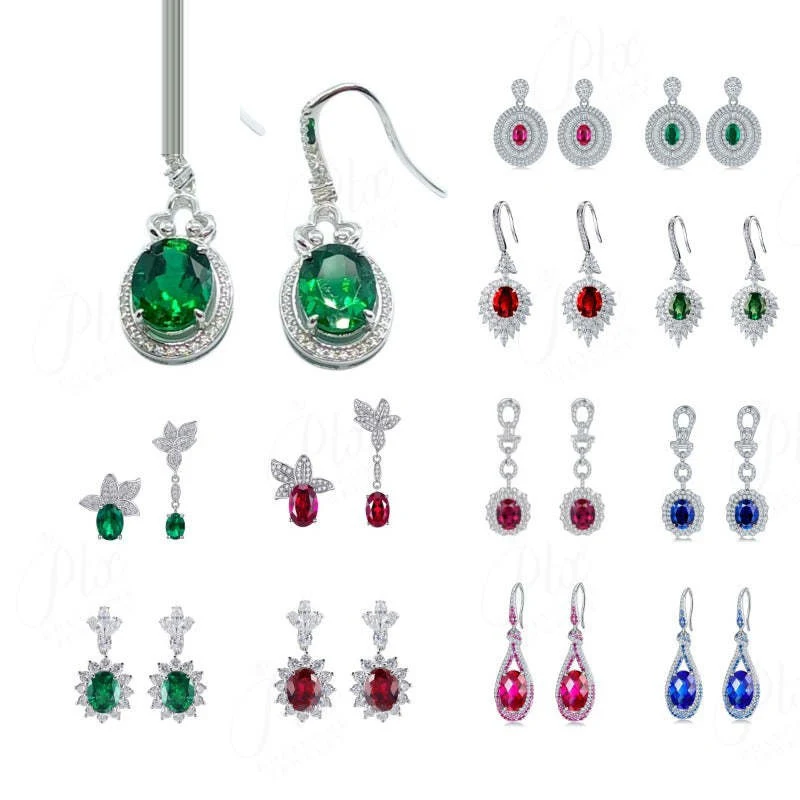
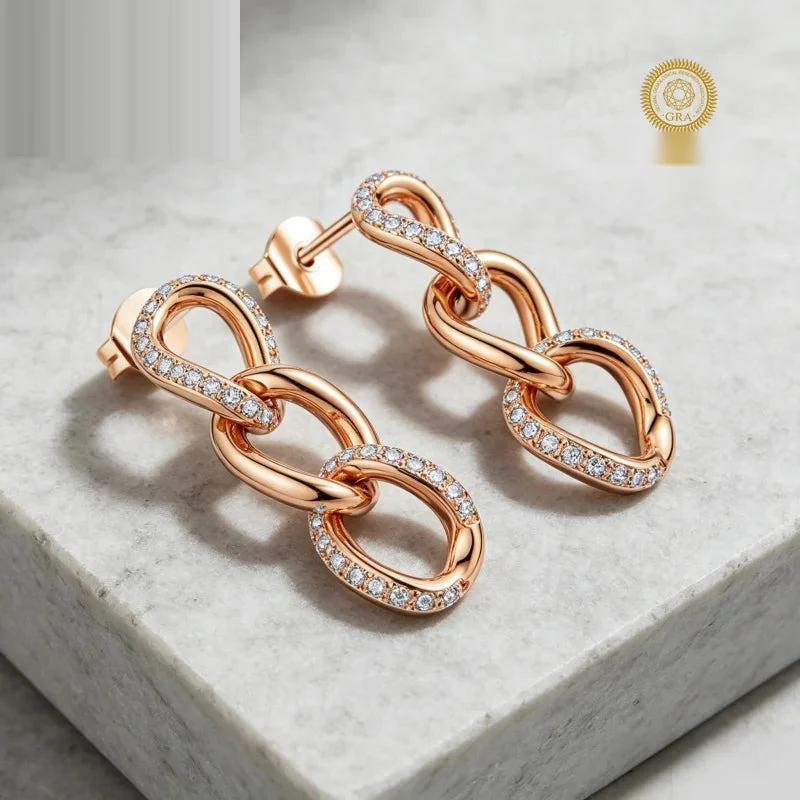
Wholesale Budget Earrings: Reorder Timing & Stock Depth

Budget Earrings: Planning Reorder Timing and Stock Depth for Steady Wholesale Sales
Budget earrings move faster than almost any other jewelry category on a wholesale floor, and the buyers who profit from them are the ones who treat reorder timing as a scheduling problem rather than a reaction. The short answer: place your first reorder when stock depth on a given style drops to roughly one third of your typical sell-through cycle, and keep your deepest stock in the styles that sell across seasons rather than trend pieces.
This article walks through how to calculate that trigger point, how production and delivery lead times fit into the calendar, and how to size your order so you are neither overstocked nor scrambling for replacements.
Why Stock Depth Matters More for Budget Earrings
Budget earrings occupy a specific position in a retailer's assortment. They are the entry-level purchase, the add-on item at the register, the gift that gets bought without much deliberation. That means volume is high and individual margin per unit is modest, so every stockout is a direct revenue leak that is hard to recover.
A customer who came in for a pair of gold vermeil hoops at an accessible price will not wait two weeks for a restock; she will buy elsewhere or skip the purchase entirely.
Stock depth, in wholesale terms, is the number of units you hold of a given style across its size and color variants. Because budget earrings are low-priced and high-turn, depth requirements differ from fine jewelry categories. A single-unit depth on a 925 sterling silver stud assortment is manageable when you can reorder 30 pieces at a time for custom work, or one piece for stock styles.
But depth on your top twenty sellers is what keeps the register selling while your reorder sits in production.
The practical rule most experienced buyers land on is a tiered depth approach. Tier one is your perennial styles: simple solitaire-style studs set with moissanite, small huggies, everyday hoops in 925 sterling silver. These should carry the deepest stock because demand is steady and style risk is low. Tier two is seasonal or occasion-driven pieces: heavier statement earrings for holiday gifting, lighter designs for spring.
Tier three is trend-based styles where you deliberately keep depth shallow and accept occasional stockouts as the cost of avoiding dead inventory.
Calculating Your Reorder Trigger Point
A reorder trigger point is the stock level at which you issue a new purchase order. Setting it requires three inputs: your average weekly sell-through for the style, the total lead time to get new stock on your shelf, and the safety buffer you want to hold against demand spikes.
Start with lead time, because it is the least flexible variable. For budget earrings ordered from an overseas manufacturer, sampling runs 7 to 10 days for new designs, though a reorder of an approved stock style skips sampling entirely. Bulk production takes 15 to 25 days after design approval. DDP delivery to the US adds 5 to 8 days.
Stacked together, a first-time custom order can run close to 40 days from decision to delivery; a reorder of an existing stock style compresses to roughly 20 to 33 days depending on production scheduling. Working with a 25-day planning window on reorders is a reasonable baseline.
Next, pull your weekly sell-through. If a sterling silver stud style sells 12 pairs per week across your locations, a 25-day lead time means you will sell approximately 43 pairs while waiting for replenishment. Your reorder trigger is therefore 43 units plus whatever safety stock you want to carry. A conservative buyer might add 30 to 50 percent on top, setting the trigger at roughly 60 units for that style.
The third consideration is variant balance. Budget earrings sell unevenly across sizes and plating colors, so depth at the style level can hide a stockout at the variant level. You might have 50 pairs of a huggie style in total but zero remaining in the gold color that drives most of the sales. Track sell-through per color and per size, not just per design, and set trigger points at the variant level for your tier one styles.
Building a Reorder Calendar That Fits Production Lead Times
Once your trigger points are set, the next discipline is calendar mapping. Buyers who wait for stockouts to trigger reorders lose the 20 to 33 days of replenishment time; buyers who schedule reorders against known demand peaks keep shelves full through them.
The most reliable structure is a quarterly planning cycle with monthly check-ins. Review tier one styles monthly and reorder against trigger points without hesitation. For tier two styles, work backward from the selling season. If your holiday selling period begins in early November, your reorder for holiday-weight budget earrings should be approved by late September to account for 15 to 25 days of production plus 5 to 8 days of DDP shipping.
That leaves margin for a pre-ship inspection without compressing your shelf-ready date.
Sampling deserves its own slot in the calendar. If you plan to add new budget earring designs alongside your reorders, order samples 7 to 10 days ahead of your bulk decision date. Treat sampling as a parallel process, not a sequential one, so sample approval does not add delay to the production clock.
Matching Order Size to Cash Flow and Storage
Stock depth decisions are also cash flow decisions. A deeper order per reorder reduces your ordering frequency and secures more production slots, but it ties up working capital and shelf space. A shallower order keeps cash liquid but increases your exposure to stockouts if demand shifts.
Payment terms shape this trade-off: a T/T structure with a 30 percent deposit and 70 percent balance before shipment means capital is committed early in the production cycle, so oversized orders carry more risk than they would under net payment terms. PayPal for sample orders keeps the trial stage low-commitment, letting you validate a new design before the larger T/T deposit.
The Role of Minimum Order Quantities in Depth Planning
MOQ structure directly determines how granular your depth can be. With a 1-piece MOQ on stock styles, you can top up a single variant of a fast seller without committing to a full run. That flexibility is valuable for variant-level gaps, such as restocking only the silver color of a two-color huggie.
The 30-piece MOQ on custom work applies when you want a design modified or produced to your specification, which is the right tool for tier one styles where you plan to hold deep stock over many reorder cycles. Loose stones sold by the carat matter here too: if you stock stud earrings graded with GRA or IGI papers, stone purchasing is a separate line in your depth plan, and stone lead time should be folded into the same reorder calendar.
Quality Checks as Part of the Reorder Cycle
Each reorder is a new production run, so quality verification repeats with every order. A three-stage QC process, covering incoming materials, in-process checks, and pre-ship AQL inspection, gives you checkpoints that fit naturally into the lead-time window. Build the pre-ship AQL inspection into your calendar explicitly: if inspection adds a few days before shipment, your effective lead time lengthens, and your trigger point should reflect that.
For budget earrings specifically, check plating consistency across color variants and stone setting security on stud styles, since these are the defect types that surface most in high-volume, low-price categories. Graded stones should arrive with their GRA or IGI papers matched to the lot.
A Sample Reorder Timing Table for a Budget Earrings Program
The table below illustrates how a buyer might map reorder decisions for a three-tier budget earrings program over one quarter. Adjust the numbers to your own sell-through data.
| Style tier | Stock depth target | Reorder trigger | Order frequency | Planning window |
|---|---|---|---|---|
| Tier one perennial studs | 8 to 12 weeks of sales | One third of depth | Every 4 to 6 weeks | 25 days plus buffer |
| Tier two seasonal designs | 6 to 8 weeks of sales | Pre-season approval | Twice per year | 40 days before season |
| Tier three trend pieces | 3 to 4 weeks of sales | Half of depth | Opportunistic top-ups | Reorder only if trending |
The pattern worth noticing is that deeper stock and longer planning windows go together. Tier one styles justify the capital because demand is predictable, while tier three styles stay shallow precisely because the reorder itself carries style risk. Buyers who flatten these tiers into a single depth policy tend to end up overstocked on trend pieces and understocked on perennial sellers.
Common Reorder Mistakes in the Budget Earrings Category
The most frequent error is treating budget earrings as a set-and-forget category. Because individual units are inexpensive, buyers sometimes assume stockouts cost little, but the lost sales accumulate across weeks of empty pegs. The second mistake is reordering the style without checking variant-level depth, which produces a restock that arrives heavy in slow colors. The third is ignoring the pre-ship inspection window when calculating lead time, which quietly turns a 25-day plan into a 30-day reality.
A fourth mistake worth flagging: consolidating all reorder volume into a single annual purchase. Bulk production of 15 to 25 days makes two or three well-spaced reorders per year more responsive than one large buy, particularly under a T/T payment structure where the 70 percent balance is due before shipment. Spreading orders spreads both the capital commitment and the demand risk.
Communicating Reorder Plans With Your Supplier
Suppliers schedule production more reliably for buyers who share their reorder cadence. If you know your tier one styles will need replenishment every five weeks, telling your supplier allows them to reserve production capacity and material, which shortens your effective lead time toward the low end of the 15 to 25 day range.
For custom work at the 30-piece MOQ, sharing seasonal plans early also lets the supplier order loose stones by the carat in advance, avoiding delays tied to stone availability. Pricing per piece or per carat depending on the item means your supplier can quote refresh cycles accurately when the reorder scope is known in advance.
Reviewing Depth Data After Each Cycle
Depth planning improves only if it is reviewed. After each quarter, compare planned sell-through against actual for each tier, and adjust trigger points accordingly. Styles that consistently hit reorder trigger points early should graduate to a deeper depth target; styles that sit past their trigger point without selling should move down a tier. This quarterly review keeps your budget earrings assortment aligned with real demand rather than last year's assumptions.
Order Terms for Wholesale Buyers
MOQ is 1 piece for stock styles and 30 pieces for custom work, and loose stones are sold by the carat. Sampling takes 7 to 10 days, and bulk production runs 15 to 25 days after the sample is approved. Pricing is quoted per piece or per carat depending on the item. Payment is T/T with a 30% deposit and the 70% balance before shipment, and PayPal is accepted for sample orders.
Frequently Asked Questions
How early should I reorder before a holiday selling season?
Work backward from your shelf-ready date: allow 15 to 25 days for bulk production, 5 to 8 days for DDP delivery to the US, and a few days for the pre-ship AQL inspection. For a season starting in early November, approve the order by late September. Order samples 7 to 10 days earlier if new designs are involved.
Can I reorder just one variant of a budget earring style?
Yes, for stock styles the MOQ is 1 piece, so you can top up a single color or size that has sold through. Custom work requires a 30-piece MOQ, so variant-level top-ups work best on existing approved designs rather than modified ones.
How does payment timing affect my reorder schedule?
Bulk orders use T/T with a 30 percent deposit and 70 percent balance before shipment, so capital is committed early in the production window. Sample orders can use PayPal, keeping the trial stage lighter. Plan your cash flow so the balance payment aligns with the pre-ship stage of each reorder.
Do graded stones change my reorder lead time?
Studs and other designs using graded stones require GRA or IGI papers, and stone sourcing is a separate step in production. Confirm stone availability with your supplier before approving the bulk order, and fold any extra stone lead time into your reorder trigger calculation.
How deep should stock go on a brand-new budget earring design?
Start shallow. Order samples first, then a modest first production run even if it means paying per piece at higher unit pricing. Once two to three months of sell-through data confirms demand, move the style into your tier one depth policy with regular reorders.
Build a Reorder System That Keeps Your Budget Earrings Selling
Reorder timing and stock depth are the two levers that separate a budget earrings program that hums from one that lurches between stockouts and overstock. Set trigger points at the variant level, map reorders against a 20 to 33 day replenishment window for stock styles, and keep your deepest inventory in the perennial designs that sell every week of the year.
Review your depth data quarterly, communicate your cadence to your supplier, and let sampling and staged payment terms keep the risk manageable on new designs.
If you are ready to build or refine your budget earrings replenishment program, browse our current wholesale earring catalog to review stock styles and custom options, read more planning guides on our wholesale jewelry blog, or contact our sales team to discuss reorder schedules, sampling, and pricing for your next purchase order.
Moissanite is a lab-created diamond alternative, not a natural diamond; listings and customer-facing copy should describe it that way.
Sources: Grading references: GIA gem education and GIA laboratory information.