Wholesale Earrings: Sourcing Checklist for Buyers

Wholesale Earrings Sourcing: A Practical Checklist for US Buyers
Earrings remain one of the fastest-moving categories in jewelry wholesale, and buyers who succeed with them source systematically rather than opportunistically. This article gives you a complete wholesale sourcing checklist for earrings, covering minimum order quantities, metal and stone decisions, sampling, quality control, payment terms, and shipping logistics. Work through each item before you commit to a bulk order, and you will avoid the most common and expensive mistakes in this category.
Start With the Right Supplier Profile
Not every manufacturer is a good fit for earrings. The category demands precision at small scale: posts must align, clasps must close reliably, and stone settings on small pavé surfaces need tight tolerances. When you evaluate potential partners, look for these markers.
- A manufacturer that specializes in moissanite jewelry and lab-created stones, with GRA or IGI certification available on graded stones.
- Clear documentation of metal composition, whether 925 sterling silver, 10K, 14K, or 18K solid gold, gold vermeil, or gold plated base metal.
- A stated three-stage quality control process covering incoming materials, in-process checks, and pre-shipment AQL inspection.
- Low barriers to entry, such as a 1 piece minimum on stock styles, so you can test designs before scaling.
Ask each candidate supplier to describe how they handle earring-specific defects such as mismatched pairs, loose backs, or stones that sit unevenly in a halo. A factory that answers with concrete inspection steps is a far safer bet than one that only talks about design capability.
Minimum Order Quantities: Test Before You Commit
Use the 1 Piece Minimum to Validate Demand
Stock styles carry a 1 piece minimum, which means you can buy singles, photograph them, test customer response, and compare finishes across suppliers before placing any bulk order. This is the least risky way to enter the earrings category or to audit a new factory. Treat your first sample purchase as a paid audition of the supplier's craftsmanship, and buy the same stock style from two or three factories so you can compare them side by side.
Plan the 30 Piece Custom Threshold
Custom work, including your own designs, modified settings, or branded finishes, requires a 30 piece minimum. Before you design anything, confirm that your projected sell-through justifies that quantity, and confirm the factory can replicate your approved sample consistently across all 30 pieces. Loose stones are sold by the carat, so calculate stone cost separately when your custom design calls for specific carat weights.
Ask the factory to quote per piece for the setting work and per carat for the stones, then combine the two figures into a realistic landed cost.
Build a Simple Cost Model Per Pair
Because earrings are sold in pairs but often priced per piece, clarify early whether a quoted price covers one piece or one pair. A small spreadsheet that captures metal type, stone carat weight, setting complexity, and packaging will keep quotes comparable across suppliers. Pricing is quoted per piece or per carat depending on the item, so normalize every quote to a per-pair basis before you compare.
Materials: Name the Metal Correctly
The biggest compliance risk in the earrings category is mislabeling metal. Vermeil and plated earrings are not solid gold, and marketing them as such creates legal exposure in the US market. Build your product copy around the true composition of each style.
Match Metal Choice to Your Price Tier
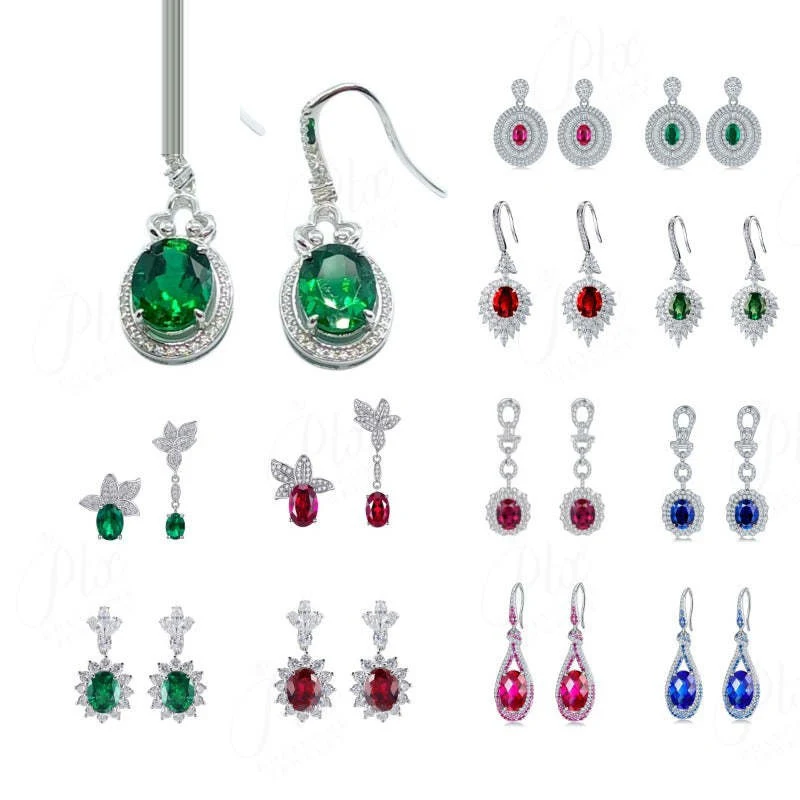
Gold plated 925 sterling silver works well for trend-driven earrings at accessible price points. Gold vermeil, a thicker gold layer over sterling silver, supports a mid-tier position. Solid gold in 10K, 14K, or 18K serves fine jewelry customers and supports higher price points. Moissanite, a lab-created diamond alternative, pairs well with every tier and offers strong visual performance at a fraction of the cost of mined stones.
Describe it exactly that way on your product pages, never as a natural diamond.
Document Stone Certification
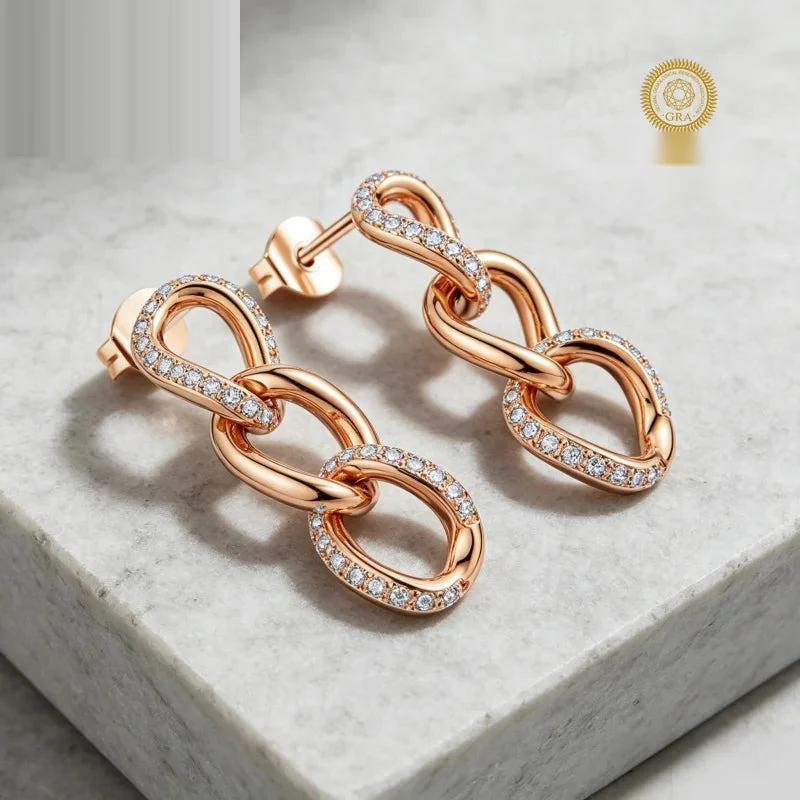
If your earrings feature graded moissanite stones, request GRA or IGI paperwork with each shipment. Certification supports the claims on your product pages and gives your retail customers documented assurance. Confirm at the sampling stage whether the factory provides certificates per stone or per batch, and write that requirement into your purchase agreement so there is no ambiguity at the pre-shipment stage.
The Sampling Stage: Where Deals Are Won or Lost
Sampling takes 7 to 10 days. Do not compress this stage, because it is your last low-cost chance to catch problems before production. Evaluate every earring sample against a written checklist rather than a general impression.
- Post alignment: both earrings should hang evenly, with posts centered and straight.
- Backs and clasps: backs must grip firmly, and lever backs or hooks must close fully.
- Stone setting: check for stones that sit unevenly, gaps under the gallery, or visible glue lines.
- Weight and comfort: note the weight per pair, since heavy statement earrings can drive returns.
- Finish quality: inspect polish under bright light and check plating thickness on edges and around posts.
- Pair matching: compare the two earrings directly for color, stone size, and drop length.
If the sample falls short, request one revision round and re-evaluate against the same list. If the second sample still misses, move on. The 7 to 10 day sampling cycle is short enough that switching factories costs less than fighting quality problems after bulk production begins.
Quality Control: Verify the Three-Stage Process
A serious manufacturer runs a three-stage quality control program: incoming inspection of materials, in-process checks during production, and a pre-shipment AQL inspection on finished goods. Ask each supplier to explain what happens at each stage and what happens when a defect is found.
What to Ask Before Bulk Production
Before approving a bulk order of earrings, ask three questions. First, what AQL level is used for the pre-shipment inspection on this order? Second, can you receive photo documentation of the pre-shipment inspection before the balance payment is released? Third, how are stones verified against GRA or IGI certificates at the incoming stage? Written answers to these questions tell you whether the three-stage process is a real operating procedure or a line in a brochure.
Plan Your Own Receiving Check
Even with a strong factory QC program, plan a receiving check on your side. Open cartons in sequence rather than only the top box, weigh a random selection of pairs against the approved sample, and test closures on a percentage of units. If the order includes loose stones purchased by the carat, verify carat weights and match them to the accompanying GRA or IGI papers before you accept the shipment.
Payment Terms and Shipping Logistics
Understand the Standard Payment Structure
Bulk orders run on T/T terms with a 30 percent deposit and the 70 percent balance due before shipment. Sample orders can be paid through PayPal, which offers a lower-risk way to start the relationship. Budget cash flow accordingly: you will need the deposit at order confirmation, and the balance before the goods leave the factory, so the full production cost lands before you sell a single pair.
Confirm Timelines in Writing
Bulk production takes 15 to 25 days after sample approval. Combine that with the 7 to 10 day sampling window and you have roughly a month from first inquiry to goods in motion, so build earring launches around those lead times rather than assuming stock is immediately available for custom work. Stock styles with the 1 piece minimum can ship faster, which is another reason to validate demand on stock designs first.
For US delivery, DDP shipping takes 5 to 8 days. DDP means the supplier handles duties and the goods arrive with no surprise customs charges on your side, which simplifies landed-cost math considerably. Confirm DDP status in writing on the purchase order, along with the carrier and tracking handoff point.
Your Earrings Sourcing Checklist at a Glance
The table below condenses the decisions above into a sequence you can follow order by order. Keep it in your supplier onboarding folder and run through it before every new earrings program.
| Checklist Item | What to Confirm | Typical Detail |
|---|---|---|
| Stock styles | Minimum order quantity | 1 piece per stock style |
| Custom designs | Minimum order quantity | 30 pieces per custom program |
| Sampling | Timeline and evaluation | 7 to 10 days, written checklist |
| Bulk production | Lead time after approval | 15 to 25 days |
| Payment terms | Method and schedule | T/T, 30 percent deposit, 70 percent before shipment |
| Sample payment | Lower-risk method | PayPal for sample orders |
| Quality control | Documented three-stage QC | Incoming, in-process, pre-ship AQL |
| Stone certification | Grading papers | GRA or IGI with shipment |
| US delivery | Terms and transit | DDP, 5 to 8 days |
Run this sequence on every new earrings supplier, and repeat the sampling and QC items even for repeat orders, since factories change materials and staff over time. Consistency of process is what separates reliable partners from occasional good shipments.
Frequently Asked Questions
Can I order a single pair of earrings to test a design?
Yes. Stock styles carry a 1 piece minimum, so you can order one pair to inspect quality and test demand before scaling. Custom designs require a 30 piece minimum because they involve dedicated tooling and setup work.
How long does the full process take from sample to delivery?
Sampling takes 7 to 10 days, bulk production takes 15 to 25 days after sample approval, and DDP delivery to the US takes 5 to 8 days. Plan roughly five to six weeks end to end for a custom earrings program, less for stock styles.
How are moissanite stones certified?
Graded stones come with GRA or IGI papers, which document the stone's characteristics. Confirm at the sampling stage whether certificates are issued per stone or per batch, and include the requirement in your purchase agreement.
What payment methods are available?
Bulk orders use T/T with a 30 percent deposit and the 70 percent balance paid before shipment. Sample orders can be paid by PayPal, which keeps the initial stage low risk while you evaluate the factory.
Which metal should I choose for my first earrings collection?
Many buyers start with 925 sterling silver, either gold plated or gold vermeil, to keep entry costs manageable while validating designs. Once you know which styles sell, move your strongest performers into 10K, 14K, or 18K solid gold with graded moissanite stones for a fine jewelry tier.
Ready to Source Your Earrings Collection?
Working through this checklist takes an afternoon and saves months of remediation later. When you are ready to put it into practice, browse the available styles on the wholesale earrings product catalog to shortlist stock designs and stone options, then read more sourcing guidance on the wholesale jewelry blog to sharpen your buying process.
When you have a shortlist, request samples and a quote through the supplier contact page and start the 7 to 10 day sampling cycle with your checklist in hand.
Order Terms for Wholesale Buyers
MOQ is 1 piece for stock styles and 30 pieces for custom work, and loose stones are sold by the carat. Sampling takes 7 to 10 days, and bulk production runs 15 to 25 days after the sample is approved. Pricing is quoted per piece or per carat depending on the item. Payment is T/T with a 30% deposit and the 70% balance before shipment, and PayPal is accepted for sample orders.
Sources: Grading references: GIA gem education and GIA laboratory information.