Wholesale Fashion Necklaces: Reorder Timing & Stock Depth

Reorder Timing and Stock Depth: The Two Decisions That Decide Fashion Necklace Profit
Fashion necklaces succeed at wholesale when a buyer knows two numbers: when to place the next purchase order and how many units to hold in each style. Order too late and a fast seller goes dark during peak weeks; order too deep and cash sits in slow colors and short chains that may never clear.
This guide walks through the practical reorder timing and stock depth decisions US wholesale buyers face on Fashion Necklaces, using concrete lead times, minimums, and delivery windows that apply when working with an overseas production partner.
The buyer who treats every necklace style as a forecast rather than a one-time purchase keeps the same design selling week after week while competitors wait on restocks. The sections below break the work into a repeatable calendar: confirm samples, trigger bulk at the right sell-through level, set depth by style tier, and read color-level signals before writing the order.
How Lead Times Shape the Reorder Calendar
Every reorder decision starts with the clock. If you do not know your lead times, you cannot know your reorder point. For a typical overseas jewelry supplier, the timeline breaks into three stages, each with a fixed duration that belongs in your planning spreadsheet.
Sample Stage: 7 to 10 Days
Before any reorder of a new style, the design needs confirmation. Sampling runs 7 to 10 days, and sample orders can be paid through PayPal, which keeps the transaction small and simple while you evaluate the piece in person. The practical move is to sample one season ahead. If you want a new pendant style selling in October, the sample should be approved by late August, leaving room for bulk production and delivery before your retail window opens.
Bulk Production: 15 to 25 Days After Approval
Once a sample is approved, bulk production takes 15 to 25 days. That range is the backbone of your reorder math. If a style sells through its stock in four weeks, trigger a reorder when roughly half the order remains, not when shelves are empty.
Waiting until sell-out means a gap of two to five weeks with no product on hand, and in fashion jewelry a gap usually becomes a lost style rather than a paused one, because your retail accounts fill the space with another supplier.
DDP Delivery to the US: 5 to 8 Days
Delivery to the US under DDP terms takes 5 to 8 days. DDP means the supplier handles duties and shipping to your door, which simplifies landed-cost math because there is no separate brokerage step to estimate. Add this 5-to-8-day window to the 15-to-25-day production time and you get a total restock cycle of roughly 20 to 33 days after approval.
That combined number is the minimum buffer you should hold above your current stock position for every style you plan to reorder.
Setting Stock Depth by Style Tier
Stock depth is the number of units you hold per style, and often per color within a style. Not every necklace deserves the same depth. Most experienced buyers sort their Fashion Necklaces assortment into three tiers and apply a different reorder rule to each. This prevents the two most common mistakes: uniform shallow depth that starves best sellers, and uniform deep depth that buries cash in unproven designs.
The framework below is a starting point you can adjust to your own sell-through data and open-to-buy budget.
| Style Tier | Typical Depth | Reorder Trigger |
|---|---|---|
| Core best sellers | Deep stock across colors | At half sell-through |
| Seasonal styles | Moderate, one season only | At two thirds sold |
| Test styles | One to two pieces | Reorder only after data |
The low minimum structure makes this framework practical. MOQ is 1 piece for stock styles, so a test tier costs almost nothing to establish and lets you see real customer response before committing depth. Custom work requires 30 pieces per style, so move a design into the custom tier only after test sales justify a 30-unit commitment.
Loose stones, when a design calls for set stones, are sold by the carat and planned separately from finished-piece depth, since carat pricing follows a different calculation than per-piece pricing.
Reading Sell-Through Signals Before You Reorder
Timing triggers only work if the underlying data is clean. A weekly sell-through review, even a simple one, gives you the numbers you need to place purchase orders with confidence instead of instinct.
Weekly Units per Style
Track units sold per week for each style. Consistent velocity makes the math direct: units on hand divided by the weekly rate gives weeks of cover. If weeks of cover drops below your combined lead time of 20 to 33 days, the purchase order should already be written or in approval. Buyers who review weekly catch the problem one full cycle earlier than buyers who review monthly, which is often the difference between a clean restock and a stockout.
Color and Chain Length Performance
Necklaces sell unevenly by color and length. If gold tones outsell silver tones two to one in your doors, deepen gold and let silver drain rather than reordering the style at uniform depth. The same applies to chain length: a 45-centimeter chain may turn three times faster than a longer statement length in the same collection. Depth per color matters more than total depth per style, so ask your supplier to quote per color and order accordingly.
Suppliers price per piece or per carat depending on the item, so color-level quotes give you clean numbers to work with.
Return and Quality Signals
Sell-through is only half the signal. Watch return rates and customer comments for plating wear on gold plated pieces, clasp failures on heavier pendants, or tarnish complaints on 925 sterling silver items stored in humid regions. A style with strong sales but rising returns should have its depth reduced while you and the supplier address the root cause.
Three-stage QC covers incoming materials, in-process checks, and pre-ship AQL inspection, so repeatable quality issues are worth raising directly with the factory rather than absorbing at retail.
Payment Terms and Cash Flow in the Reorder Cycle
Stock depth decisions are cash decisions. Even a correctly timed order can strain cash flow if payment terms are not planned into the calendar. Most suppliers in this category work on T/T terms with a 30 percent deposit and 70 percent balance before shipment, with PayPal available for sample orders. That structure means the full cost of a bulk order lands before the goods ship, and the goods themselves arrive 5 to 8 days later under DDP delivery.
Plan reorders so the 70 percent balance for one cycle does not collide with the 30 percent deposit for the next. A buyer running three tiers simultaneously often staggers production starts by one to two weeks, which spreads deposits and balances across the month instead of stacking them. This is also a reason to keep test-tier depth at one or two pieces: those orders stay small enough for PayPal and never touch the T/T schedule at all.
Planning Depth Across Seasons and Channels
Building a Seasonal Order Ladder
For seasonal collections, work backward from the retail launch date. Subtract 5 to 8 days of DDP transit, then 15 to 25 days of bulk production, then 7 to 10 days of sampling, and you have the date your first inquiry must go out. A holiday launch in mid-November points to a sample request no later than early September.
The same ladder works for spring launches and for mid-season replenishment of core styles, and writing these dates down once per season removes most reorder stress.
Depth Differences by Sales Channel
The same style may need different depth depending on where it sells. A single e-commerce operation can hold thinner depth because one warehouse serves all demand, while a buyer supplying multiple retail doors needs enough per-color depth to cover every door's allocation without splitting a single restock across accounts. Buyers who ship to other resellers should also confirm whether their own resale agreement affects how they document and price the goods.
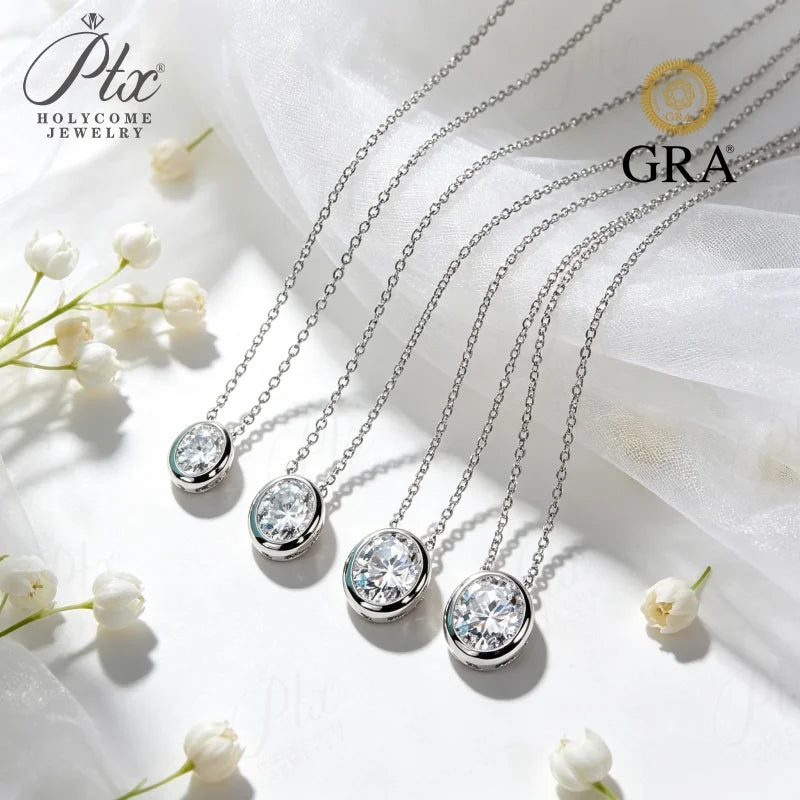
One more note for US retail channels: moissanite stones used in some necklace designs are a lab-created diamond alternative and should be described to your customers exactly that way, not as natural diamonds, which keeps product copy accurate across your listings.
When to Promote and When to Protect
Depth strategy includes knowing when to sell down. A seasonal style with eight weeks of cover left in late season should be promoted to clear, not reordered. A core best seller with the same cover should be reordered and protected from discounting, because margin on a proven style compounds across the year. Make this call style by style at your weekly review rather than applying one rule to the whole necklace category.
Building the Reorder System Step by Step
Putting it together, a workable system fits on one page. First, classify every active style into core, seasonal, or test tier, and assign depth and a trigger to each. Second, record the lead times: 7 to 10 days for samples, 15 to 25 days for bulk production after approval, and 5 to 8 days for DDP delivery to the US. Third, run a weekly sell-through review covering units, color performance, and returns.
Fourth, stagger payment obligations so the 30 percent deposit and 70 percent balance cycles do not collide. Fifth, review the tier assignments each season, promoting test styles that earned a 30-piece custom run and retiring styles that missed their triggers twice.
None of this requires sophisticated software. A spreadsheet with on-hand units, weekly velocity, weeks of cover, and next-order status covers the job for most small and mid-size wholesale programs. What it does require is discipline: the reorder point is only useful if the buyer acts on it the week it is crossed.
Buyers who build that habit find that Fashion Necklaces stop being a guessing category and become one of the more predictable lines in the assortment, because the short product cycle gives fast, clear feedback on every decision.
Order Terms for Wholesale Buyers
MOQ is 1 piece for stock styles and 30 pieces for custom work, and loose stones are sold by the carat. Sampling takes 7 to 10 days, and bulk production runs 15 to 25 days after the sample is approved. Pricing is quoted per piece or per carat depending on the item. Payment is T/T with a 30% deposit and the 70% balance before shipment, and PayPal is accepted for sample orders.
Frequently Asked Questions
When should I place a reorder for a fast-selling necklace style?
Trigger the reorder when roughly half the stock is sold for core best sellers, or at two thirds sold for seasonal styles. Total restock time runs about 20 to 33 days, combining 15 to 25 days of bulk production with 5 to 8 days of DDP delivery to the US. Placing the order at half sell-through keeps the style on shelves through the full cycle.
Can I test a new necklace style without committing to depth?
Yes. MOQ is 1 piece for stock styles, so you can buy one or two units of a design and observe real customer response before deepening. Sampling takes 7 to 10 days and can be paid by PayPal, keeping the cost and paperwork light. Move to the custom tier only after the data supports a 30-piece commitment.
What is the difference between custom and stock ordering?
Stock styles carry a 1-piece minimum, which suits testing and small replenishment. Custom work requires 30 pieces per style and follows the full path of sampling, bulk production of 15 to 25 days after approval, and pre-ship AQL inspection. Custom pieces also carry the three-stage QC process from incoming materials through in-process checks to pre-shipment.
How do payment terms affect my stock depth plan?
Bulk orders run on T/T with a 30 percent deposit and 70 percent balance before shipment, so the full order cost lands before the goods ship. Stagger production starts across styles so deposits and balances do not stack in the same month. Sample orders can stay on PayPal, which keeps test-tier spending separate from your bulk cash flow.
How are stones in necklace designs priced?
Finished pieces are priced per piece, while loose stones are sold by the carat, so designs with set stones are quoted on the carat basis for the stone portion. Graded stones come with GRA or IGI papers for verification. Ask for color-level quotes when a design runs in multiple tones so your depth plan matches the actual per-color cost.
Next Steps for Your Necklace Program
If your current reorder process relies on memory and empty shelves, start with the weekly sell-through review and one reorder trigger per style tier. When you are ready to build the assortment, browse the current catalog in the products catalog of fashion necklaces and jewelry collections to identify stock styles you can test at a 1-piece minimum.
For more buying frameworks, lead-time planning guides, and category-level advice, read the wholesale jewelry buying blog and apply the seasonal order ladder to your next launch. When you have a shortlist of styles to sample or a custom design to quote, reach out through the supplier contact page to request samples and quotes, and the sampling process of 7 to 10 days can begin the same week.
Sources: Grading references: GIA gem education and GIA laboratory information.