Wholesale Fashion Necklaces: Sourcing Checklist for Buyers

Wholesale Sourcing Fashion Necklaces: A Practical Checklist for US Buyers
Fashion necklaces are one of the fastest-moving categories in the US wholesale jewelry market, and sourcing them well comes down to a disciplined checklist rather than luck. This article walks through the practical decisions a wholesale buyer faces: defining the product spec, choosing materials honestly, setting order quantities, verifying quality control, arranging payments and logistics, and confirming compliance language before you place a purchase order.
Use it as a working document for your next buying trip or supplier review, whether you are stocking a retail chain, an e-commerce catalog, or a private label program.
Start With a Written Product Specification
The most common sourcing failure is starting conversations with suppliers before the product itself is defined. A written specification protects you on price, quality, and delivery, and it gives every prospective factory the same basis for quoting. Before you contact a supplier for fashion necklaces, put the following in writing.
Define the Style and Construction
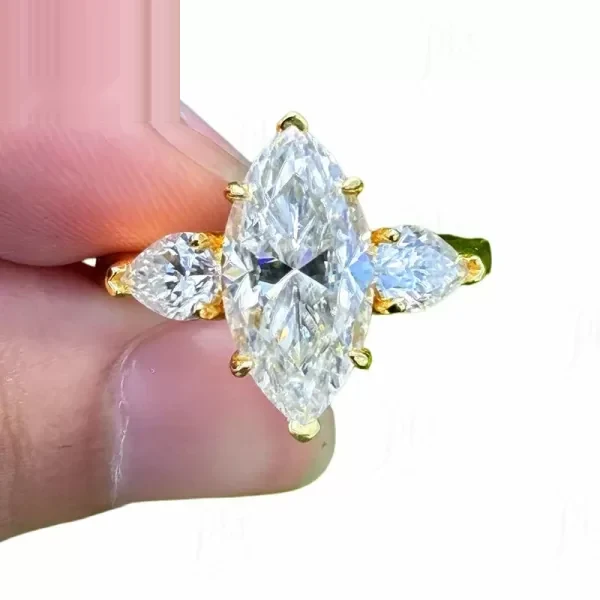
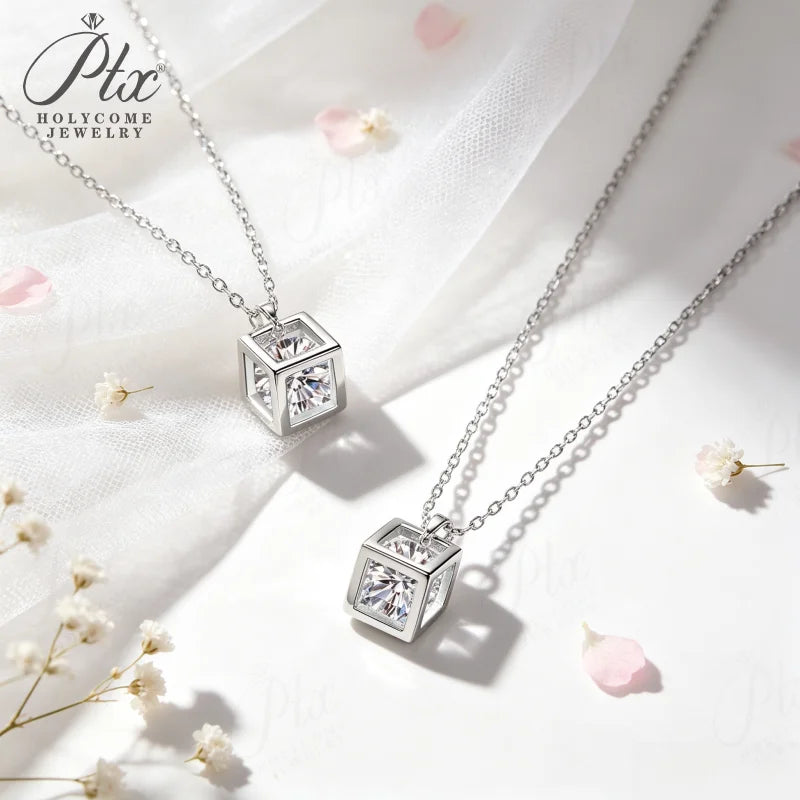
Describe each necklace by silhouette (chain, pendant, choker, lariat, layered set), length in inches, clasp type, and overall weight range. If the design includes stones, state whether they are natural, lab-created, or simulants such as moissanite, and note the expected size range. For fashion pieces without fine jewelry construction, say so explicitly; this keeps quotations realistic and avoids paying fine jewelry prices for fashion construction.
Name the Metal Accurately
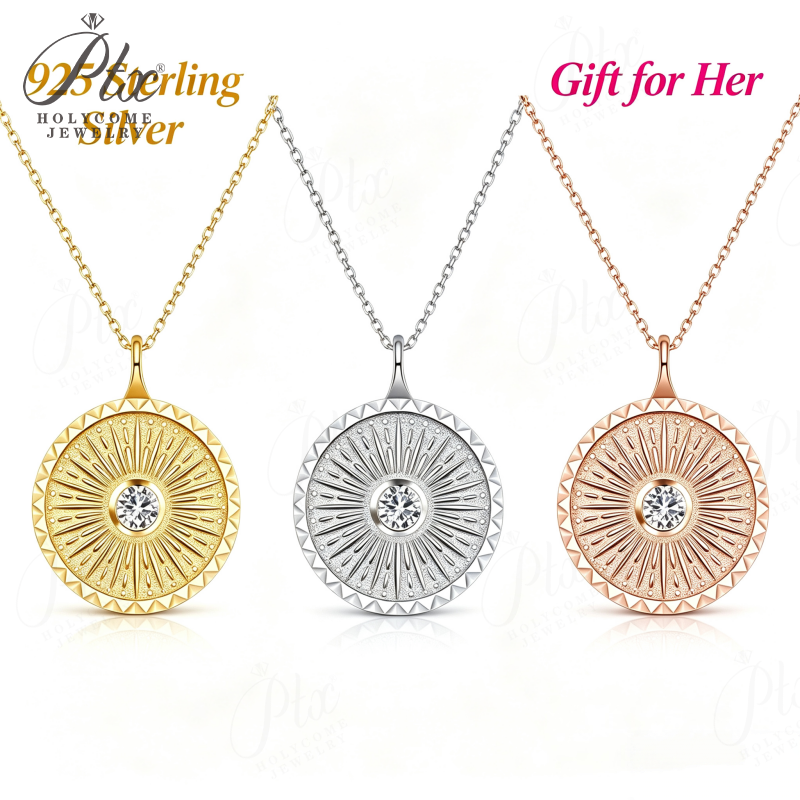
Every supplier conversation should use the true metal name: 925 sterling silver, 10K, 14K, or 18K solid gold, gold vermeil, or gold plated. These are not interchangeable. Gold vermeil requires a sterling silver base with a substantial gold layer, while gold plated pieces use a base metal with a thin plating. If your catalog copy and your purchase order do not match the actual metal, you invite returns, chargebacks, and regulatory complaints.
Ask each supplier to confirm the base metal and plating thickness in writing, and keep that confirmation on file with the product spec.
Set Order Quantities Before You Negotiate
Minimum order quantities shape your entire sourcing strategy, so confirm them early. For stock styles, a minimum of 1 piece is common, which lets you test a design in the market before committing to volume. For custom work, the typical minimum is 30 pieces per style. Loose stones, when your design calls for them, are sold by the carat rather than by the piece, which changes how you budget a pendant program.
Test Stock Styles With Small Orders
Because stock styles carry a 1 piece minimum, you can build a sample assortment across dozens of designs without heavy capital outlay. A practical approach is to order one or two pieces of each candidate style, evaluate them against your spec, and only then commit to repeat volume. This keeps inventory risk low and gives you real product in hand for photography and sell-through testing.
Plan Custom Runs Around the 30 Piece Minimum
Custom work at 30 pieces per style suits private label programs and exclusive designs where differentiation justifies the larger commitment. Before approving a custom order, confirm tooling costs, whether molds remain your property, and how reorders are handled once the tooling exists. A clear answer to those three questions prevents disputes later.
Build Lead Times Into Your Buying Calendar
Timing errors cost more than price errors in this category. Sampling takes 7 to 10 days, and bulk production runs 15 to 25 days after approval. That means a custom necklace program typically needs more than a month from sample approval to goods ready, before any shipping time is added. Work backward from your launch or restock dates and build in buffer for revisions, because a second sample round restarts the clock.
For stock styles the calendar is simpler: goods in hand ship quickly, and delivery to the US under DDP terms takes 5 to 8 days. Even so, seasonal programs such as holiday assortments should be locked in months ahead, since popular styles sell through at the factory level and your preferred variants may be backordered.
Use the Price Comparison Table Correctly
When you collect quotes from several suppliers, standardize the comparison so you are looking at like-for-like numbers. Pricing is quoted per piece for finished necklaces and per carat for loose stones, so a mixed basket needs two separate comparisons. The table below is a simple structure you can replicate in your own sourcing file.
| Spec Item | What to Confirm | Typical Answer |
|---|---|---|
| Metal | Base metal and plating | Sterling silver or gold plated |
| Pricing basis | Per piece or per carat | Per piece for finished items |
| MOQ | Stock versus custom | 1 piece stock, 30 custom |
| Sampling | Time and payment method | 7 to 10 days, PayPal |
| Bulk lead time | Days after approval | 15 to 25 days |
Once the table is filled, differences between suppliers become visible: one may quote lower per piece but slower sampling, another may charge more but offer DDP delivery included. Decide which trade-offs matter for your channel before you award the order, not after.
Verify Quality Control in Three Stages
A supplier's quality claims mean little until you know where inspection happens. A three-stage system covers the risks that matter most in fashion necklaces, and you should ask each candidate factory to describe its own version of it.
Incoming Material Inspection
Check that raw materials, including chains, findings, stones, and plating baths, are inspected on arrival against the purchase specification. In fashion jewelry, plating batch variation and inconsistent chain gauge are the two defects most often traced back to lax incoming inspection. Ask what happens when a batch fails and who has authority to reject it.
In-Process Checks
During assembly, in-process checks catch clasp defects, stone setting problems, and length variations before value is added. For necklace programs specifically, ask how pull strength on clasps and solder joints is tested, since these are the failure points that generate customer returns. A supplier who measures in-process defect rates and shares them is far more credible than one who only inspects at the end.
Pre-Shipment AQL Inspection
Before shipment, a pre-ship AQL inspection samples finished goods against an agreed acceptance quality limit. Confirm which AQL level applies to your order, whether you may attend or send a third party to witness the inspection, and what remedy applies if the lot fails. Put these points in the purchase order itself so they are enforceable, not just conversational.
Handle Payments and Logistics With Standard Terms
Payment and shipping terms are where new buyers lose margin, so standardize them from the first order. The prevailing structure is T/T with a 30 percent deposit and the 70 percent balance before shipment. For sample orders, PayPal is common and practical, because it keeps small transactions fast and traceable. Avoid inventing alternative structures on your first order; deviations from these terms should be a deliberate, documented decision.
On logistics, DDP delivery to the US takes 5 to 8 days, with the supplier handling duties and customs clearance so your landed cost is predictable. DDP is the cleanest option for buyers without an import compliance team, because it removes surprise brokerage charges. Confirm in writing that the quoted DDP price includes duties, and reconcile it against your per piece pricing so margins hold after landed cost.
Get Certification Papers for Graded Stones
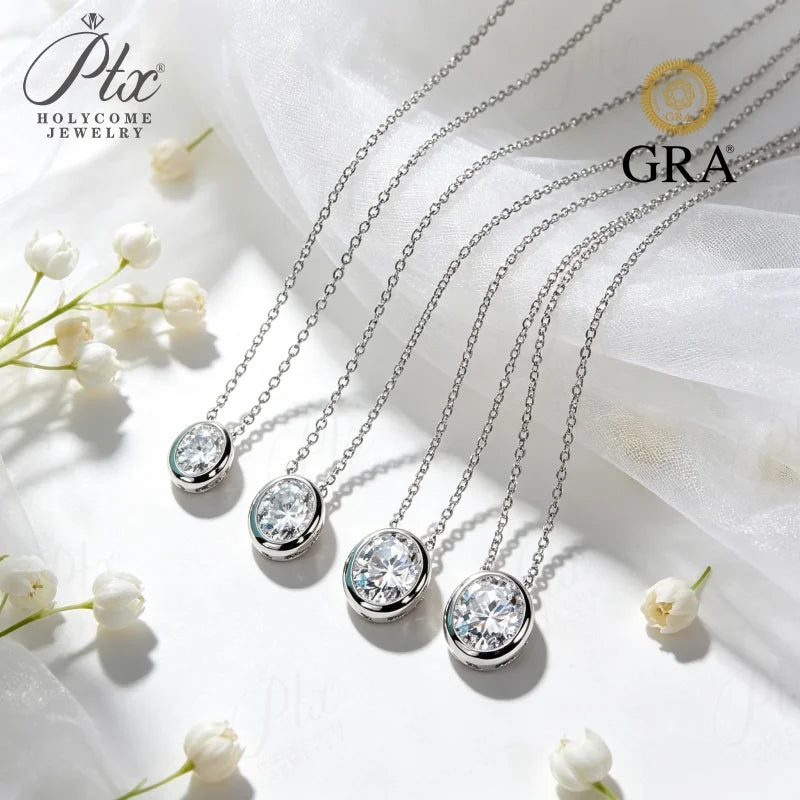
If your necklace program includes graded stones, request certification papers from GRA or IGI for each stone. These documents describe the stone's characteristics and support accurate product listing. Match the certificate numbers to the physical stones at receiving, and keep scanned copies linked to your SKU records so any future audit or customer inquiry can be answered from your own files.
Keep Marketing Language Compliant
Compliance language is part of sourcing, not an afterthought. Moissanite is a lab-created diamond alternative and must never be described as a natural or real diamond. Plated and vermeil pieces must never be called solid gold in listings or catalogs. Remove absolute claims from your copy, since words promising permanence create return and complaint exposure that sourcing teams end up paying for. Review your product descriptions against the supplier's material confirmations every season, because constructions can change between production runs.
Order Terms for Wholesale Buyers
MOQ is 1 piece for stock styles and 30 pieces for custom work, and loose stones are sold by the carat. Sampling takes 7 to 10 days, and bulk production runs 15 to 25 days after the sample is approved. Pricing is quoted per piece or per carat depending on the item. Payment is T/T with a 30% deposit and the 70% balance before shipment, and PayPal is accepted for sample orders.
Frequently Asked Questions
What is the minimum order for fashion necklaces?
Stock styles carry a 1 piece minimum, so you can test a single unit of any design. Custom work requires 30 pieces per style. Loose stones are priced by the carat rather than by the piece.
How long does sampling and bulk production take?
Sampling runs 7 to 10 days. Bulk production takes 15 to 25 days after sample approval, and US delivery under DDP terms adds 5 to 8 days.
How are payments structured for wholesale orders?
Bulk orders use T/T with a 30 percent deposit and the 70 percent balance before shipment. Sample orders are commonly paid through PayPal, which keeps small transactions simple.
What quality control should I expect from a supplier?
Look for a three-stage system: incoming material inspection, in-process checks during assembly, and a pre-ship AQL inspection on finished goods. Ask which AQL level applies and whether you can witness the final inspection.
How should moissanite be described in my listings?
Describe it as a lab-created diamond alternative. It should never be presented as a natural or real diamond, and your supplier's material confirmation should match your catalog wording exactly.
Move From Checklist to Purchase Order
A sourcing checklist only pays off when it turns into clean purchase orders, and the steps above cover the decisions that matter: written specs, honest metal naming, confirmed MOQs of 1 piece for stock and 30 pieces for custom, 7 to 10 day sampling, 15 to 25 day production, three-stage QC with pre-ship AQL, GRA or IGI papers where stones are graded, and T/T terms of 30 percent deposit with the balance before shipment.
If you are ready to put this checklist to work, browse current designs in our wholesale necklace catalog, read more buying guides on our jewelry sourcing blog, or request samples and quotes through our supplier contact page.
Sources: Grading references: GIA gem education and GIA laboratory information.