Wholesale Fashion Necklaces: Metal Type, Finish & Plating

Why Metal Type and Finish Disclosure Matters When Sourcing Fashion Necklaces
When you buy fashion necklaces for wholesale, the single most important line on any product sheet is the metal type and finish disclosure. Fashion necklaces can be made from 925 sterling silver, 10K, 14K, or 18K solid gold, gold vermeil, or gold plated base metals, and each option carries a different price point, durability profile, and resale story.
Buyers who fail to verify the exact metal construction often end up with customer complaints, high return rates, and listings that violate platform rules on product descriptions.
This guide walks through the practical decisions a US wholesale buyer faces when evaluating metal type and finish on fashion necklaces: how to read a supplier spec sheet, which disclosures regulators and marketplaces expect, how finishing methods affect wear life, and what to confirm before you place a bulk order.
The Core Metal Options in Fashion Necklaces
Every fashion necklace falls into one of a few metal categories. Understanding the differences helps you match products to your customer base and price them accurately.
925 Sterling Silver
Sterling silver is 92.5 percent pure silver combined with other metals for hardness. It is a precious metal, so you can market it as such, and it appeals to buyers who want genuine silver at a mid-range price. Sterling silver will develop patina over time and may tarnish, so listing copy should mention basic care guidance. For wholesale programs, confirm that the supplier stamps or marks 925 where the design allows.
10K, 14K, and 18K Solid Gold
Solid gold necklaces are priced per gram and karat, and they carry the strongest resale value. 10K gold is harder and more affordable, 14K balances durability and gold content, and 18K offers a richer yellow tone with softer wear characteristics. When a supplier quotes solid gold, ask for the karat stamp and the gram weight per piece so you can calculate landed cost per necklace with precision.
Gold Vermeil
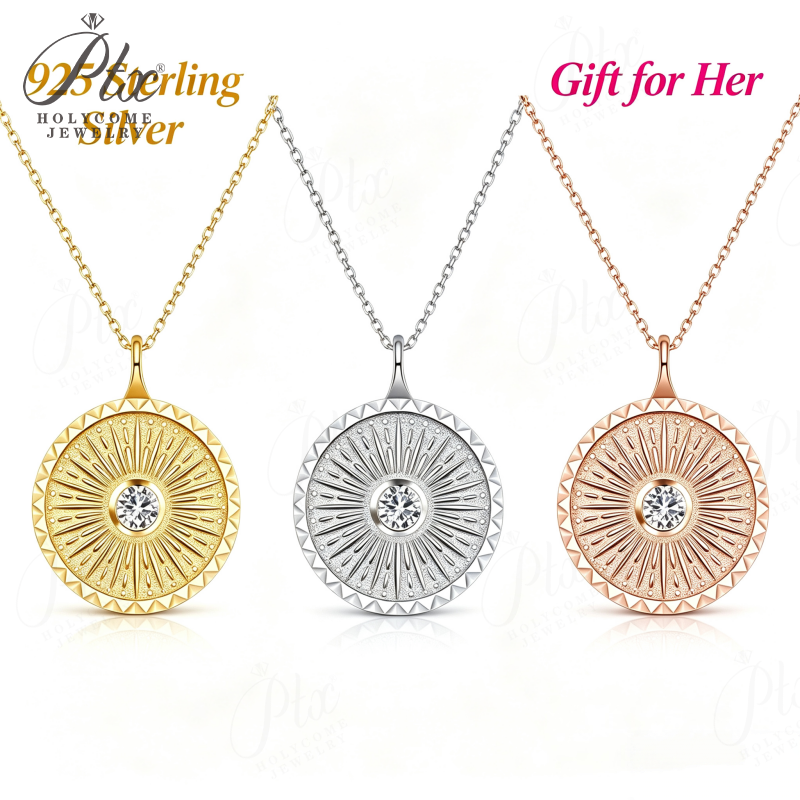
Gold vermeil is a thick gold layer deposited over a sterling silver base. Under US trade practice, vermeil generally means a substantial gold plating over sterling silver, which distinguishes it from standard plating over brass or steel. Vermeil gives you a marketing middle ground: a precious metal base with a gold appearance. Your disclosure should read as gold vermeil over 925 sterling silver, not solid gold.
Gold Plated Fashion Necklaces
Gold plated pieces use a thin gold layer over a base metal such as brass or stainless steel. This is the volume driver in most fashion necklace programs because it keeps unit cost low and allows trend-driven designs. The disclosure requirement is strict: the item is gold plated, never solid gold. Plating thickness, measured in microns, is the key variable to request from your supplier, since thicker plating correlates with longer wear life.
How to Read a Supplier Spec Sheet for Finish Details
A usable spec sheet should state four things without ambiguity: the base metal, the plating metal, the plating thickness in microns, and any protective topcoat such as e-coating. If a supplier writes only gold necklace or gold finish, treat that as a red flag and request clarification in writing before sampling. Vague finish language is the most common cause of disputes between wholesale buyers and manufacturers.
Ask specifically whether the plating is applied by electroplating or PVD. PVD plating is known for stronger adhesion and better resistance to wear and sweat, which matters for everyday necklace designs like paperclip chains and herringbone styles. Electroplating offers more color flexibility, including vintage-tone and two-tone finishes, but wear life depends heavily on thickness and topcoat quality.
Comparing Metal and Finish Options at a Glance
The table below summarizes the main options you will encounter when building a fashion necklace assortment. Use it as a checklist when reviewing supplier quotes.
| Option | Base Metal | Correct Disclosure | Typical Positioning |
|---|---|---|---|
| Sterling silver | 925 silver | 925 sterling silver | Mid-price core assortment |
| Solid gold | 10K/14K/18K gold | Solid gold with karat mark | Premium and fine programs |
| Gold vermeil | 925 silver | Gold vermeil over sterling silver | Premium fashion tier |
| Gold plated | Brass or steel | Gold plated, plated thickness noted | Volume and trend styles |
Whatever option you choose, the disclosure on your product page must match the supplier spec sheet word for word. Keep both documents on file for each SKU, since marketplace compliance teams increasingly ask sellers to substantiate metal claims.
Matching Metal Choice to Your Channel and Price Point
Your sales channel should drive the metal decision more than design preference does. Different channels carry different expectations around longevity, certifications, and returns.
Ecommerce and Social Selling
For dropship-style and social commerce programs, gold plated fashion necklaces dominate because trend cycles move fast and unit economics matter. Focus on plating thickness and a quality topcoat, and write product copy that sets honest expectations: plated pieces are fashion items, not fine jewelry. Clear disclosure reduces returns driven by disappointment over wear.
Boutique and Retail Partners
Physical boutiques often want a tiered wall: sterling silver and gold vermeil as the core, with a few solid gold pieces for anchor customers. Retail buyers also value consistent stamping and clean packaging, so confirm mark placement during sampling. A tiered assortment lets the same boutique serve different budgets without confusing metal claims.
Corporate Gifting and Private Label
For private label and gifting programs, custom work usually starts at 30 pieces per style, while stock styles can be ordered at 1 piece for sampling. Use the sampling stage to verify the finish in person: check clasp strength, plating coverage on the back of pendants, and how the chain feels against skin. These details determine whether the piece reads as premium once your logo is attached.
Quality Control and Documentation for Finish Claims
Finish claims should be backed by an inspection process, not just supplier promises. A three-stage QC system covers incoming material inspection, in-process checks during production, and pre-shipment AQL inspection. Pre-ship AQL inspection is where finish defects surface: color inconsistency between batches, plating bubbles, exposed base metal on pendant backs, and tarnish spots on silver pieces.
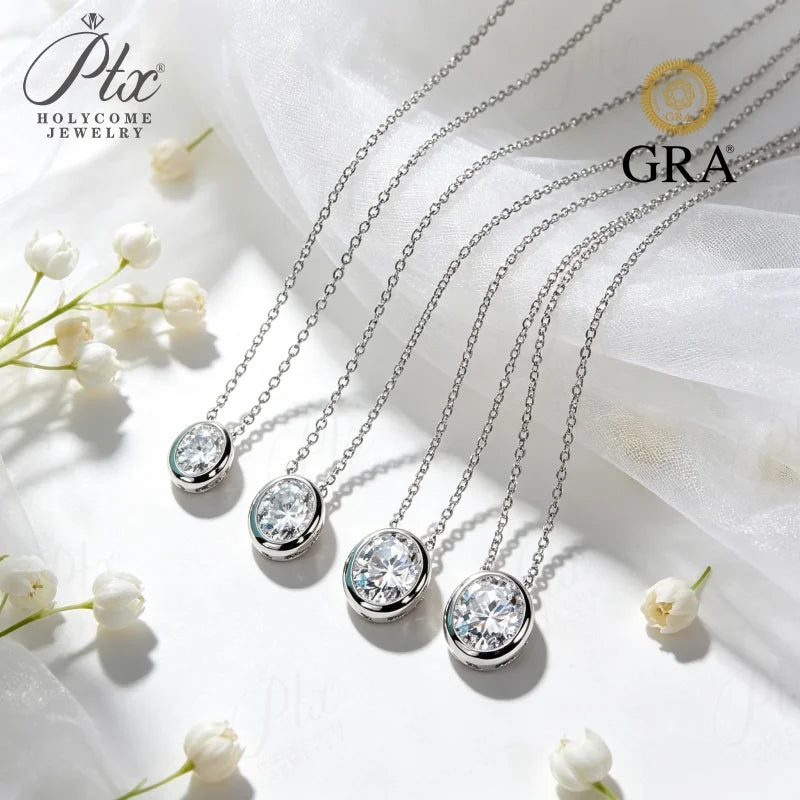
For necklaces set with stones, request grading documentation. GRA papers or IGI certificates apply to graded stones, and including them with orders supports your product storytelling and reduces disputes. Ask whether certificates are issued per stone or per batch, and how they are referenced on invoices.
Logistics, Payment, and Lead Times for Necklace Orders
Practical sourcing terms shape how you plan inventory around metal programs. Sampling for fashion necklaces takes 7 to 10 days, which gives you time to verify finish quality before committing. Bulk production runs 15 to 25 days after approval, so build that window into launch calendars, especially for holiday assortments.
Payment terms are typically T/T with a 30 percent deposit and the 70 percent balance before shipment; sample orders can be paid via PayPal, which lowers the barrier for first-time trial orders. Pricing is quoted per piece for finished necklaces and per carat for items priced by loose stones, so clarify the basis in every quote.
Shipping to the US on DDP terms takes 5 to 8 days, meaning duties are handled and your landed cost is predictable, an advantage when calculating margins on plated versus solid metal programs.
Building a Disclosure-Backed Necklace Assortment
The strongest wholesale assortments pair honest metal disclosure with clear tiering. A common structure is a volume layer of gold plated trend pieces, a mid layer of 925 sterling silver, and a premium layer of gold vermeil and solid gold anchors. Every SKU carries the same four data points: base metal, plating metal and thickness, stamp or mark status, and care guidance. This discipline pays off in fewer returns, cleaner marketplace listings, and buyer trust that compounds over seasons.
Before you scale any necklace program, walk through the finish checklist with your manufacturer during sampling, request written confirmation of plating specs, and align your QC checkpoints on plating and stamping. Suppliers who document their metal and finish details clearly are easier to build long-term programs with, and your product pages become easier to defend.
Frequently Asked Questions
How should I word metal disclosures on my product listings?
Use the exact construction: gold plated over brass, gold vermeil over 925 sterling silver, 925 sterling silver, or solid 14K gold. Avoid umbrella terms like gold necklace without a qualifier, since regulators and marketplaces read unsubstantiated gold claims strictly.
What plating thickness should I ask for on fashion necklaces?
Request the micron figure in writing and compare it across supplier quotes for the same design. Thicker plating with a protective topcoat generally extends wear life, which matters for pieces worn daily like chains and layered sets.
Can I order a sample before committing to bulk production?
Yes. Stock styles can be ordered at 1 piece for evaluation, and custom work typically starts at 30 pieces per style. Sampling takes 7 to 10 days, so you can verify finish, stamping, and clasp quality before approving bulk production.
Do moissanite accents on necklaces come with certification?
Graded stones use GRA or IGI papers, which document the stone characteristics. Moissanite is a lab-created diamond alternative, so your listings should describe it as moissanite rather than as a natural diamond.
How do payment and shipping terms work for wholesale necklace orders?
Bulk orders are paid by T/T with a 30 percent deposit and the 70 percent balance before shipment, while sample orders can use PayPal. DDP delivery to the US takes 5 to 8 days, with duties handled so your landed cost stays predictable.
Start Your Fashion Necklace Program
If you are ready to build a fashion necklace assortment with clear metal and finish documentation, browse available styles and materials on our product catalog to review stock and custom options. For more sourcing guidance on plating specs, tiered assortments, and QC workflows, read the latest articles on our wholesale jewelry blog.
When you have a shortlist, request a quote and sampling plan through our contact page and our team will respond with pricing per piece, lead times, and finish documentation for your review.
Order Terms for Wholesale Buyers
MOQ is 1 piece for stock styles and 30 pieces for custom work, and loose stones are sold by the carat. Sampling takes 7 to 10 days, and bulk production runs 15 to 25 days after the sample is approved. Pricing is quoted per piece or per carat depending on the item. Payment is T/T with a 30% deposit and the 70% balance before shipment, and PayPal is accepted for sample orders.
Sources: Grading references: GIA gem education and GIA laboratory information.