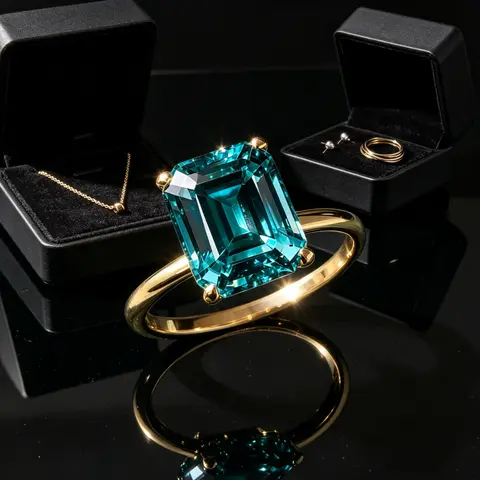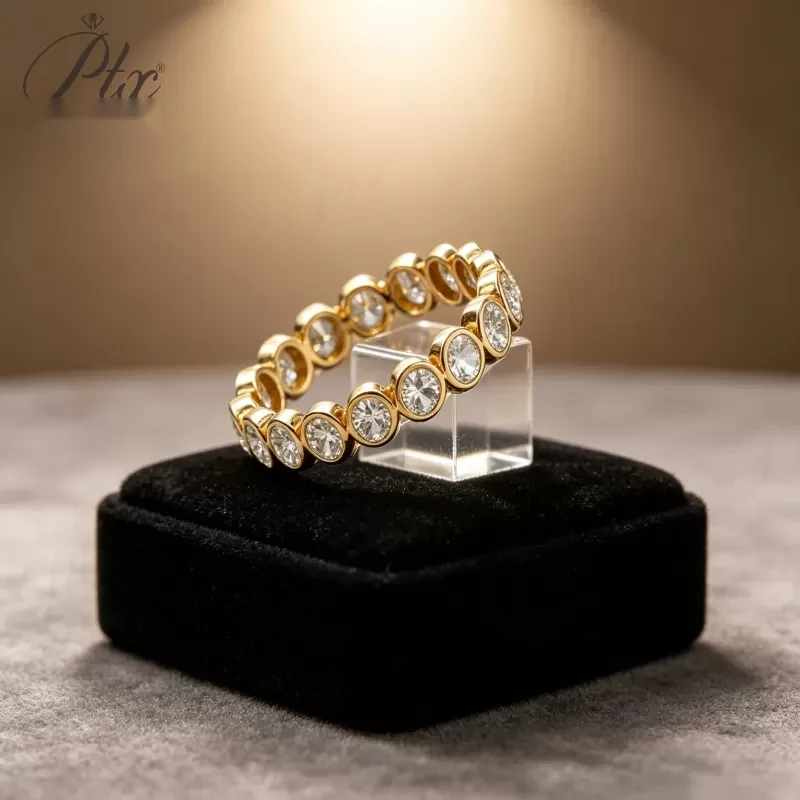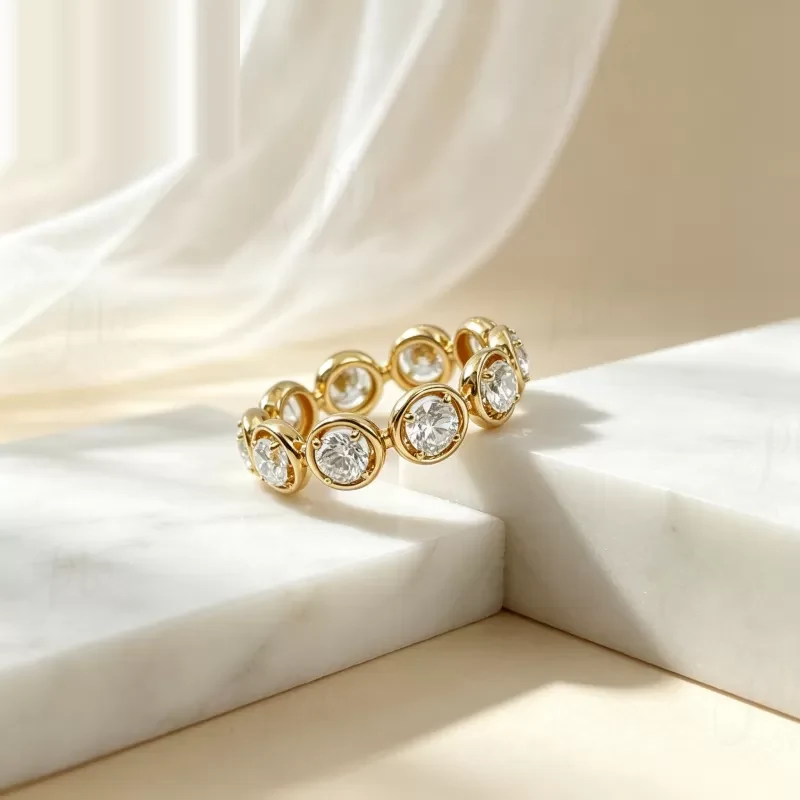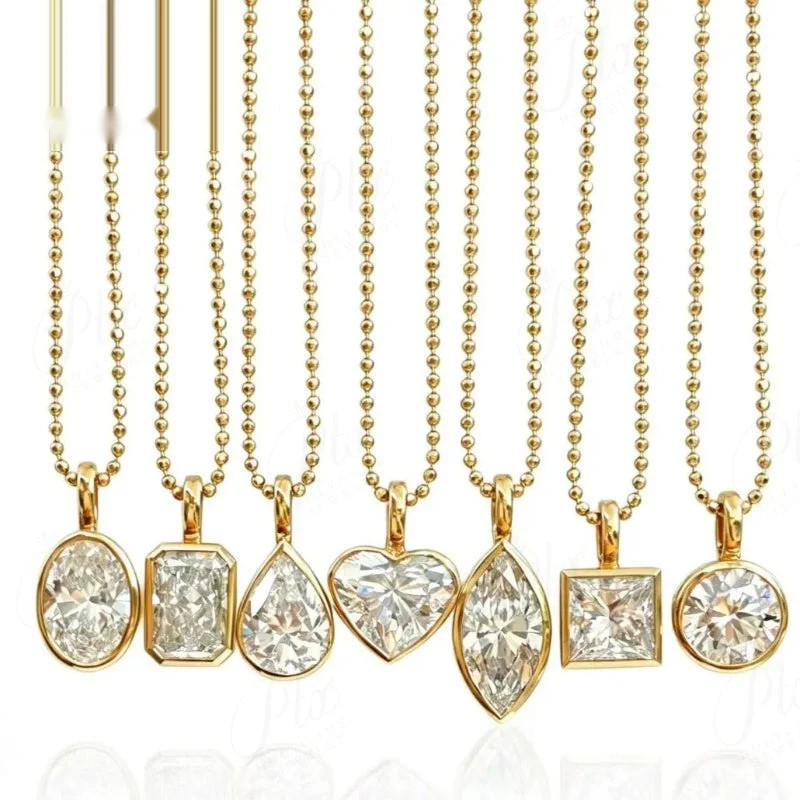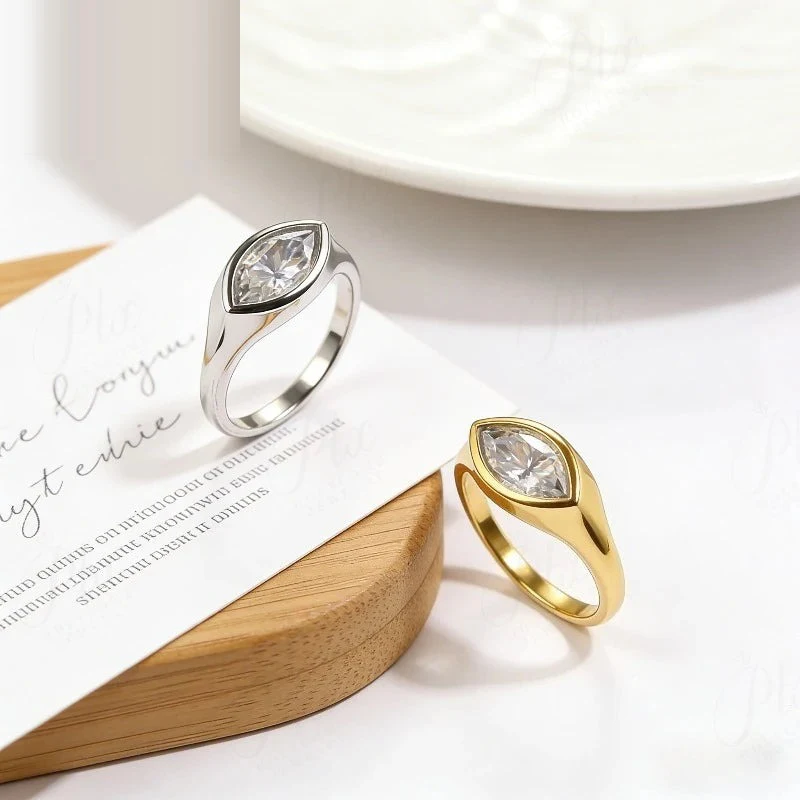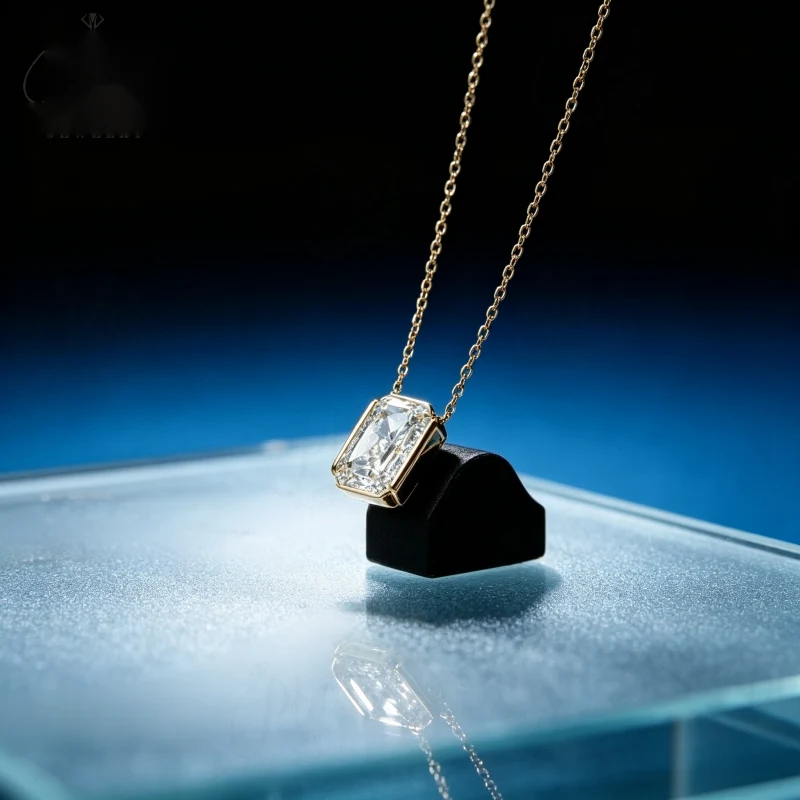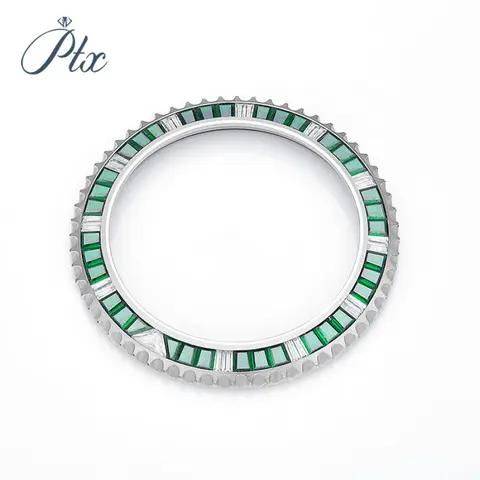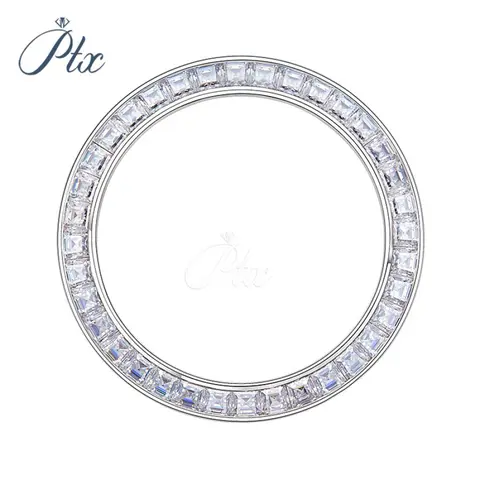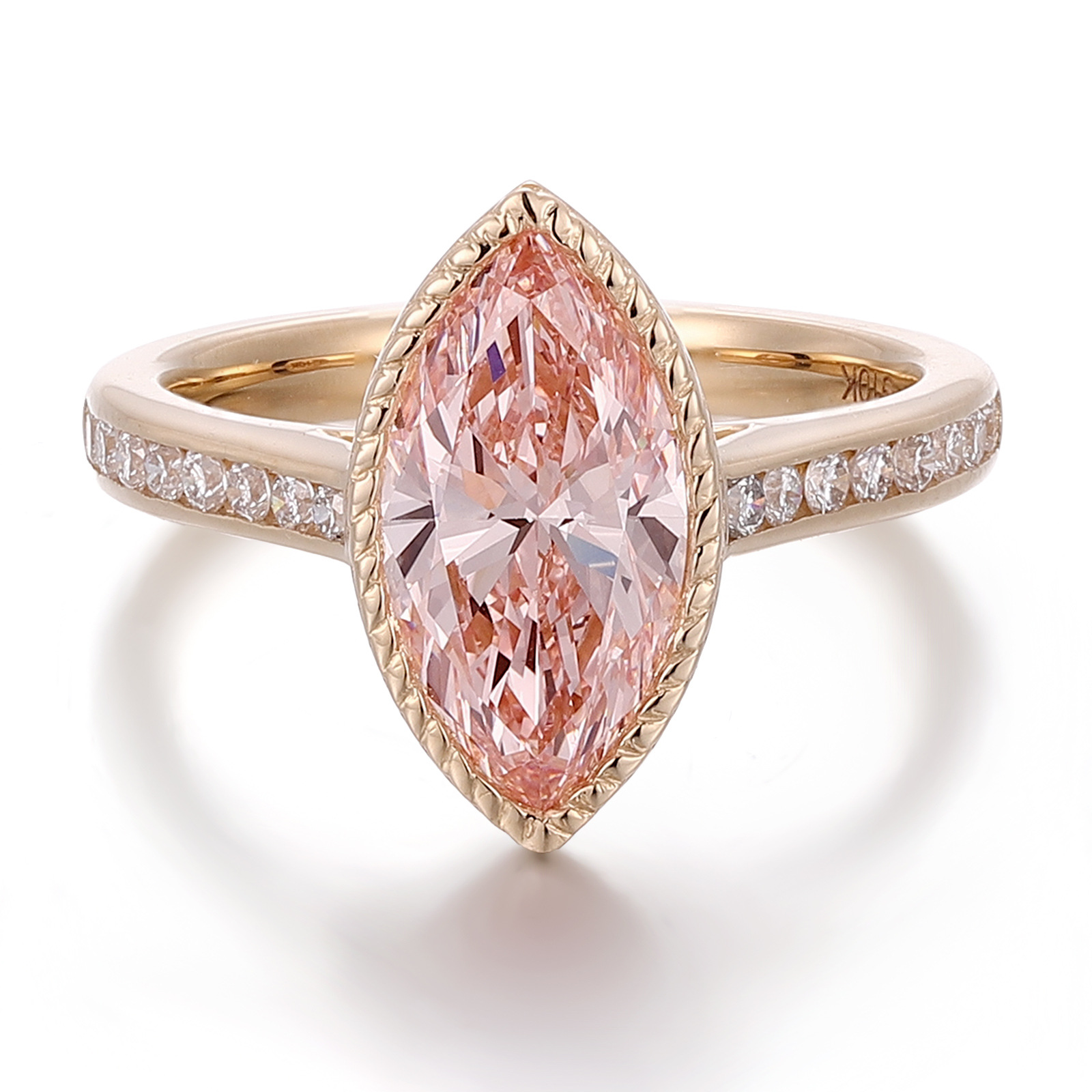
When customers ask whether moissanite is "tough enough" for daily wear, they are really asking about hardness. Hardness determines how well a gemstone resists scratches from the dust, keys, hand lotion, and accidental bumps that real life puts jewelry through. For resellers, being able to explain durability in plain language removes a common objection and supports confident purchases.
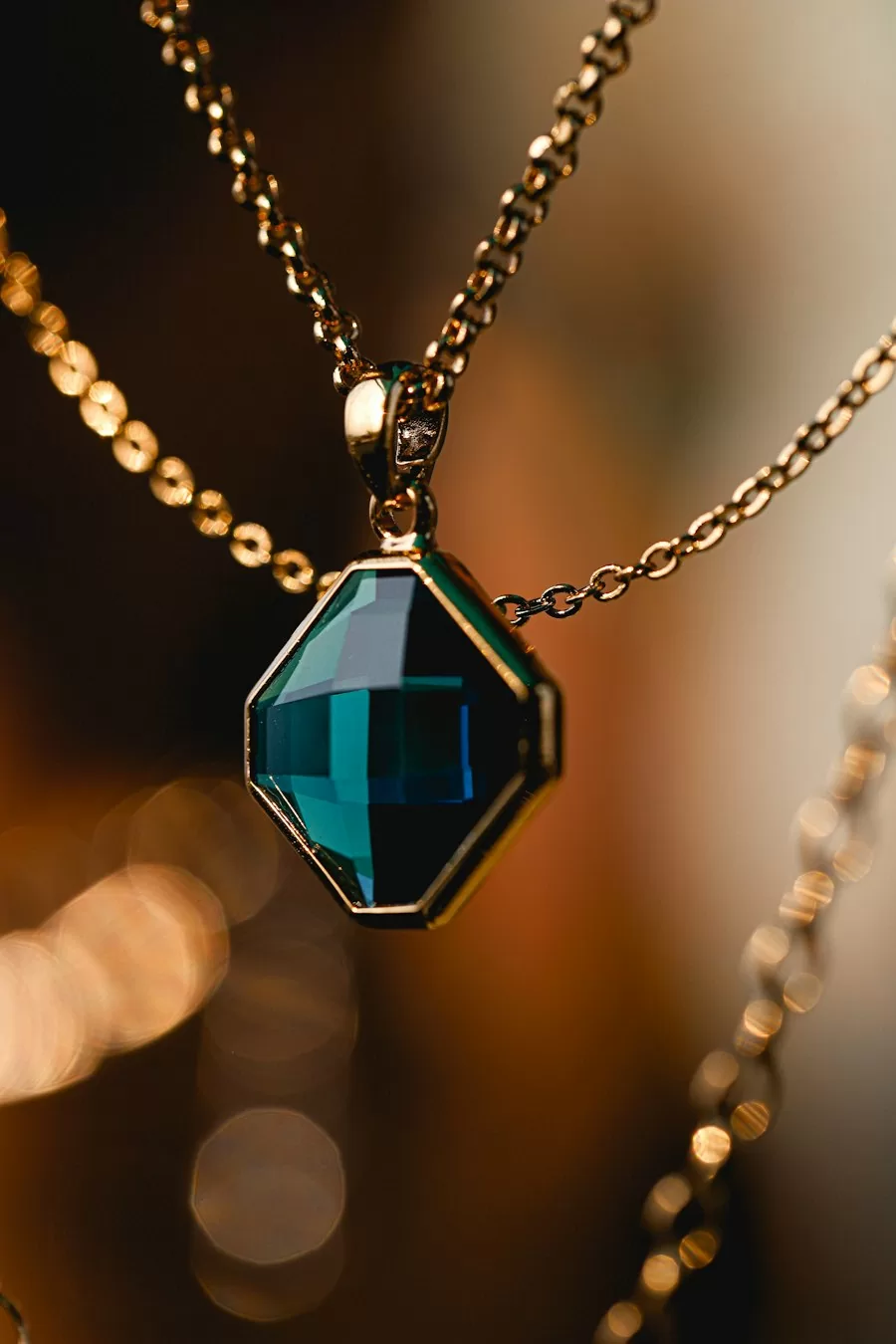
What the Mohs Scale Actually Measures
Developed by Friedrich Mohs in 1812, the Mohs scale ranks minerals from 1 (talc) to 10 (diamond) by scratch resistance. It is an ordinal scale, not a linear one: a diamond at 10 is not "twice as hard" as apatite at 5, it is dramatically more resistant. What matters for jewelry is simple: any stone below a 7 on the Mohs scale will gradually scratch from ordinary household dust, which is mostly quartz at 7. Stones above a 7 hold a polish and stay clear under normal use.
Where Moissanite Sits
Moissanite registers at approximately 9.25 on the Mohs scale. That places it second only to diamond (10) among commonly used gemstones, and noticeably above sapphire and ruby (9), which themselves sit well above most other colored stones. Lab-created moissanite is extremely consistent in this regard because it is grown under controlled conditions rather than mined from varying deposits.
For context, cubic zirconia lands around 8 to 8.5, and most fashion crystal or glass pieces sit between 5 and 6. That gap is real: a CZ ring that looks brilliant on day one can look cloudy within months of pocket carries, while a moissanite piece in the same setting will keep its edges and polish for years.
Hardness Is Not the Same as Toughness
A common mistake is conflating hardness with brittleness. Hardness measures scratch resistance; toughness measures resistance to chipping and cleavage. Moissanite is hard, but it is not indestructible. A sharp, direct blow against a hard surface can chip any faceted stone, including moissanite, especially along the pavilion edges where the girdle is thin.
This is why setting quality matters as much as the stone itself. A well-set moissanite stone with protective prongs or a bezel edge absorbs impact far better than a stone exposed on all sides. When you source moissanite jewelry from a manufacturer, ask how stones are secured and whether the setting covers vulnerable edges. That detail protects both your customer and your reviews.
What This Means for Everyday Wear
For engagement rings, wedding bands, tennis bracelets, and stud earrings, moissanite holds up extremely well. Daily tasks like typing, washing dishes, and carrying groceries will not scratch the stone. What will dull its appearance over time is not scratching but buildup: lotion, soap residue, skin oils, and perfume film on the surface reduce sparkle.
Teach your customers that a gentle weekly wash with warm water, a drop of mild dish soap, and a soft brush restores brilliance faster than any polishing cloth. Because moissanite is so hard, it does not need special polishing pastes or ultrasonic caution the way some softer gems do. This low-maintenance profile is itself a selling point for busy buyers who want a ring that looks good without obsessive care.
How to Talk Durability With Buyers
Honesty builds long-term resale. When a customer asks if moissanite scratches, the accurate answer is: it resists scratching far better than nearly every gemstone except diamond, but it can chip under a hard impact, just like any stone. Avoid claiming it is "unbreakable" or "scratch-proof"—no natural or lab-grown stone earns those words. Instead, frame moissanite as a daily-wear gemstone that maintains its brilliance with minimal care, which is exactly what most buyers actually want to hear.
Understanding the Mohs scale also helps you merchandize. Place moissanite pieces in your "everyday wear" and "bridal" sections rather than in fashion-costume areas, because the durability story justifies a price tier that alloy jewelry simply cannot reach.
Comparing Moissanite to Common Alternatives
When a buyer puts moissanite next to a cubic zirconia piece in your display, the difference is not just hardness. CZ scratches dull over months, and that dullness reads as cheapness even if the stone never cracks. Moissanite holds its polish, which means a customer who buys a moissanite piece from you in January is still posting photos of it looking fresh in December. That repeat-purchase cycle is worth more than any single sale. Sapphire sits at 9 on the Mohs scale and is nearly as hard, but it carries a price tag and color limitations that moissanite simply does not. For buyers who want durable, clear, affordable sparkle, moissanite occupies a niche nothing else fills cleanly. Knowing the numbers behind that claim lets you sell with confidence instead of guessing.
The International Gem Society moissanite guide explains how moissanite performs in daily wear compared with diamond.
Authoritative References
For buyers who need to verify the technical and regulatory basis of this guide, the following independent institutions publish authoritative reference data:
- ISO 9001 Quality Management - the international standard for consistent production quality.
- Wikipedia: Jewellery - manufacturing processes, materials and global trade background.
Related reading: Factory Moissanite Inventory: Stock Shapes Buyers Should Know, Moissanite vs Sapphire: Mohs Hardness Comparison, Understanding Alloy Jewelry: Materials, Grades and What Buyers Should .
Frequently Asked Questions
Is moissanite a good diamond alternative for retail buyers?
Yes for price-sensitive customers who want brilliance and hardness. Moissanite ranks 9.25 on the Mohs scale, holds up to daily wear and costs a fraction of a natural diamond of the same size, so it resells fast in bridal and fashion lines.
What is the minimum order for wholesale moissanite?
MOQ starts at 50 pieces per design for stock items. Custom cuts and private-label settings usually start at 100–300 pieces depending on the mold.
Do you provide certificates with moissanite stones?
Yes. Every parcel ships with GRA or IGI documentation listing carat weight, color grade and cut. We recommend passing the certificate to your end customer for trust.
How long does sample and bulk production take?
Samples ship in 3–5 days. Bulk runs take 15–20 days under 500 pieces, and 25–30 days for custom work.