Wholesale Rings: Plating Thickness & Tarnish Care

Why Plating Choice Determines How Rings Perform in the US Market
Rings are the highest-touch category in any jewelry lineup, and plating quality is the single biggest factor in whether wholesale buyers see returns, complaints, or repeat orders. A plated ring that tarnishes within weeks of daily wear will generate customer service issues that cost more than the piece itself. This guide walks through the practical decisions US wholesale buyers face when sourcing plated and vermeil rings, from base metal selection to care instructions that reduce returns.
Understanding the Base Metal Beneath the Plating
Plating is only as durable as the metal underneath it. When you source rings, ask your supplier to name the base metal in writing, and make sure your product listings do the same. The base metal affects weight, skin reaction risk, and how long the plating holds up under friction and moisture.
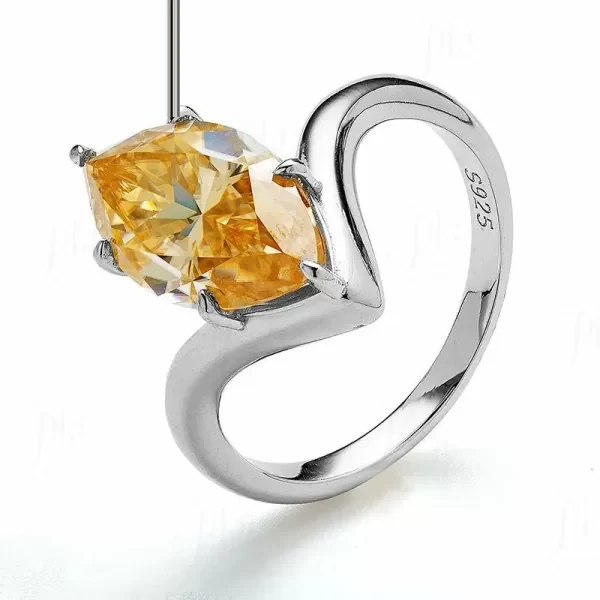
925 Sterling Silver as a Base
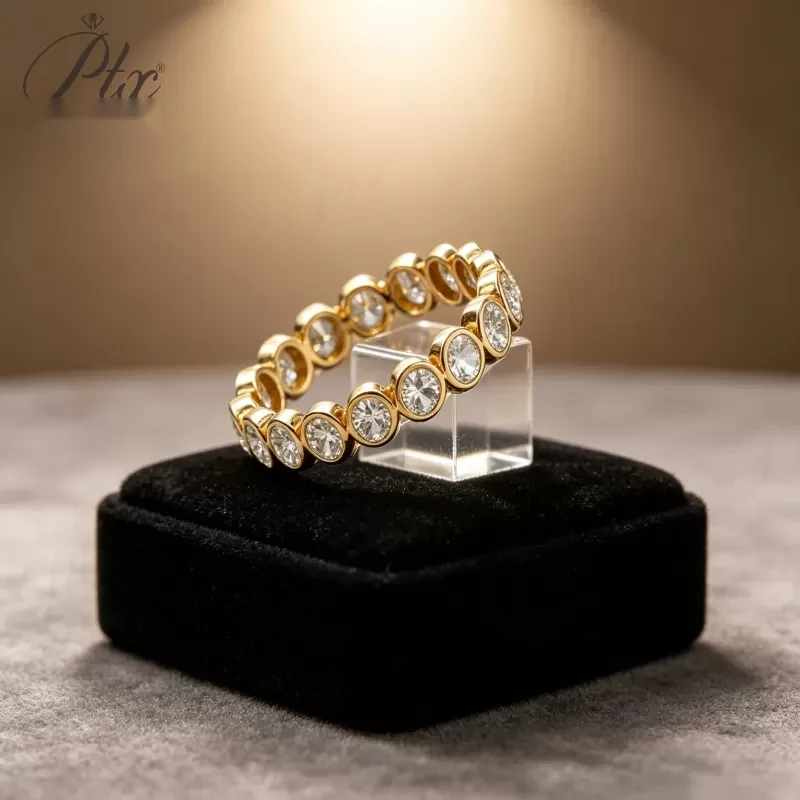
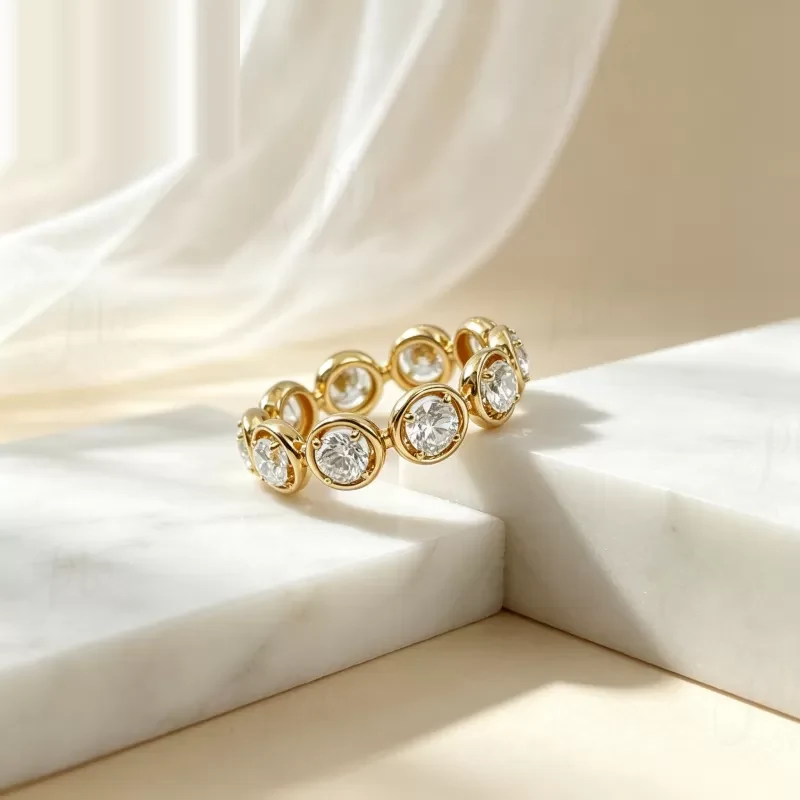
Sterling silver beneath gold plating is the standard for gold vermeil, which by definition requires a sterling silver core and a thicker gold layer than standard plating. Vermeil rings cost more than plated brass or steel equivalents, but they hold up better against tarnish because the base metal does not react as aggressively as copper alloys. For mid-tier US retail programs, vermeil offers a defensible middle ground between plated fashion rings and solid gold.
Brass, Copper Alloy, and Stainless Steel Bases
Brass and copper-based bases are common in entry-level plated rings because they are inexpensive and easy to cast. The tradeoff is that these metals contain copper, which migrates through thin plating over time and causes discoloration at the surface. Stainless steel bases resist corrosion well but are harder to cast in detailed designs and weigh more, which matters for comfort-fit bands. Either choice can work commercially, but the plating thickness and sealant quality need to be stronger over reactive bases.
Plating Thickness and What Suppliers Should Disclose
Plating thickness is measured in microns, and flash plating under 1 micron wears through quickly on ring shanks, which take constant friction. Ask suppliers to state micron thickness for gold plating and vermeil, and treat reluctance to disclose it as a warning sign. A gold vermeil ring should carry a plating layer measurably thicker than standard plating, and your supplier should be able to confirm this on request.
When writing product copy, name the metal accurately: gold plated or gold vermeil, never solid gold, unless the piece is 10K, 14K, or 18K solid gold.
The Tarnish Mechanism: What Actually Happens to Plated Rings
Tarnish on plated rings comes from two directions. First, the base metal can react with sulfur and moisture and push discoloration through pores in the plating layer. Second, the plating itself wears thin from abrasion against skin, clothing, and other rings, exposing base metal. Sweat with high acidity accelerates both processes, which is why the same ring can look new on one customer and dull on another within the same month.
Clear coats and e-coatings slow this process by sealing the surface, but they add their own failure mode: once the sealant scratches through, wear concentrates at that point. For wholesale buyers, the practical takeaway is that no plating system eliminates tarnish, so the goal is choosing construction and care guidance that extends wear life and keeps customers satisfied.
Building a Ring Program Around Wear Expectations
Your catalog should set accurate expectations by tier. Position plated fashion rings as seasonal or occasion pieces, vermeil as extended-wear pieces, and solid gold as lifetime-tier product. Mixing these without clear labeling is the most common cause of negative reviews in the rings category.
Matching Product Tier to Sales Channel
Marketplace sellers handling high-volume, low-price rings generally do better with plated brass and honest care instructions. Boutique and subscription programs benefit from vermeil on sterling silver, where the higher unit cost is justified by longer wearable life. Before committing to an order, request samples and wear-test them yourself for a couple of weeks, checking the inside of the shank where wear shows first.
Writing Care Instructions That Reduce Returns
Every plated or vermeil ring you ship should include simple care guidance: remove before swimming, showering, or applying lotions; store dry in a sealed pouch; wipe with a soft cloth after wear. These instructions are inexpensive to print and measurably reduce tarnish complaints. Suppliers can often include care cards in bulk shipments if you ask during order confirmation, so add it to your production notes rather than treating it as an afterthought.
Sourcing Considerations: QC, Sampling, and Lead Times
Plating quality varies between production runs, so your supplier's quality control process matters as much as the initial sample. Look for a three-stage QC structure: incoming material inspection, in-process checks during plating and assembly, and a pre-shipment AQL inspection before goods leave the factory. Ask which stage catches plating thickness and adhesion issues, and request records for your order.
Sampling for rings runs 7 to 10 days, which gives you time to wear-test plating adhesion before approving bulk production. Bulk production takes 15 to 25 days after sample approval. Plan your buying calendar around these windows, especially if you are timing ring inventory for Q4 or Valentine's Day, when the category peaks in the US.
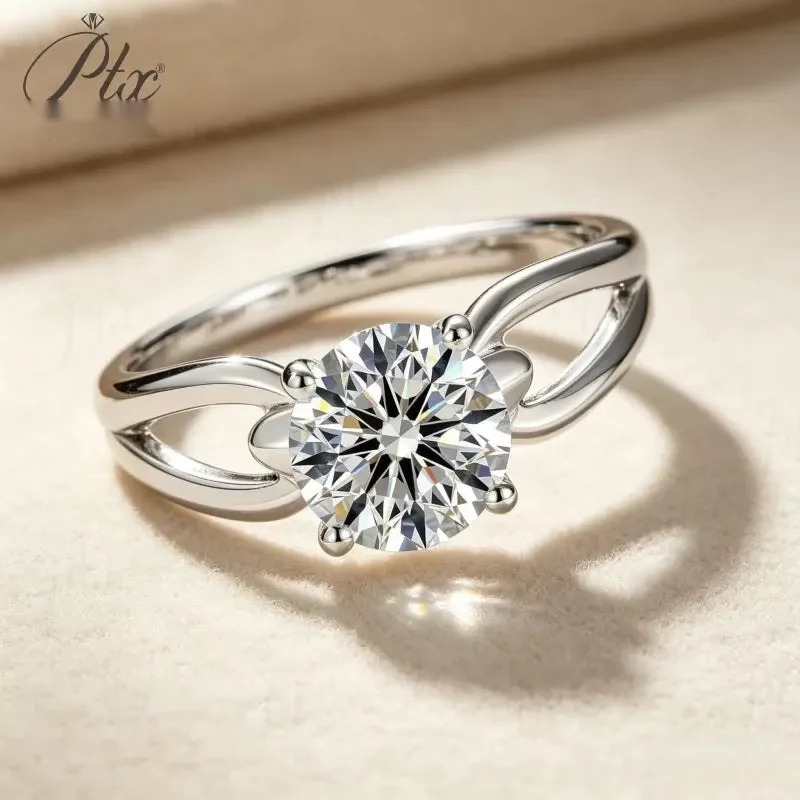
Pricing is quoted per piece for finished rings, and loose stones used in ring settings are sold by the carat. For stone-set rings, request grading papers, with GRA or IGI certification available for graded stones, so you can verify what you are paying for before the stones are set.
Comparing Ring Construction Options at a Glance
The table below summarizes the tradeoffs between common ring constructions sold to US wholesale buyers. Use it as a starting point for matching product tier to your channel and price point.
| Construction | Tarnish Resistance | Typical Positioning | Care Demands |
|---|---|---|---|
| Gold plated brass | Lowest; wear shows first at shank | Fashion and seasonal rings | High; dry storage needed |
| Gold plated stainless steel | Moderate; stable base metal | Everyday fashion rings | Moderate |
| Gold vermeil on 925 silver | Stronger; thicker gold layer | Premium fashion tier | Moderate |
| 10K/14K/18K solid gold | Highest; no plating to wear | Fine jewelry programs | Low |
Whichever construction you choose, keep your marketing language consistent with the build. A gold plated ring marketed with vermeil-level durability language will underdeliver, and a vermeil ring marketed as solid gold creates compliance risk with US regulators and marketplaces alike.
Payment, Shipping, and Order Logistics for Ring Orders
For production orders, standard terms are T/T with a 30 percent deposit and the 70 percent balance paid before shipment. Sample orders can be paid through PayPal, which lowers the barrier for testing new ring styles before committing to bulk. Shipping to the US runs on DDP terms and takes 5 to 8 days, meaning duties and delivery are handled through the quoted terms rather than surprise broker fees on arrival.
MOQ structure is friendly to testing: 1 piece for stock styles and 30 pieces for custom work, with loose stones sold by the carat. This lets you trial a plated ring against a vermeil version of the same design in small quantities before scaling the winner.
Order Terms for Wholesale Buyers
MOQ is 1 piece for stock styles and 30 pieces for custom work, and loose stones are sold by the carat. Sampling takes 7 to 10 days, and bulk production runs 15 to 25 days after the sample is approved. Pricing is quoted per piece or per carat depending on the item. Payment is T/T with a 30% deposit and the 70% balance before shipment, and PayPal is accepted for sample orders.
Frequently Asked Questions
How long does plating last on wholesale rings?
It depends on plating thickness, base metal, and how often the ring is worn and exposed to water. Flash-plated rings may show wear within weeks of daily use, while thicker plating over sterling silver holds up noticeably longer. Wear-test samples before bulk ordering to set realistic expectations for your listings.
Is gold vermeil the same as gold plated?
No. Vermeil requires a 925 sterling silver base with a thicker gold layer than standard plating, so it generally resists wear better. Both are plated products, and both should be labeled as such rather than described as solid gold.
Can customers shower while wearing plated rings?
Repeated water and soap exposure accelerates plating wear and can push discoloration through thin layers. Advising customers to remove rings before showering, swimming, and applying lotions is the cheapest way to reduce tarnish complaints and returns.
What QC should I expect on a plated ring order?
A structured supplier runs three inspection stages: incoming materials, in-process checks during production, and a pre-shipment AQL inspection. Ask which stage verifies plating adhesion and thickness, and confirm this before approving bulk production.
What is the minimum order for custom ring designs?
Custom work starts at 30 pieces, while stock styles can be ordered at 1 piece. Sampling takes 7 to 10 days and bulk production 15 to 25 days after approval, so plan launches around that timeline.
Start Testing Ring Styles Before Your Next Season
Plating tarnish is manageable when you match construction to channel, verify base metal and plating thickness in writing, and ship care instructions with every order. Browse available styles in our ring catalog and product collection, read more sourcing guidance on the wholesale jewelry blog, or contact our sales team to request samples and a quote for your next ring program.
Sources: Grading references: GIA gem education and GIA laboratory information.