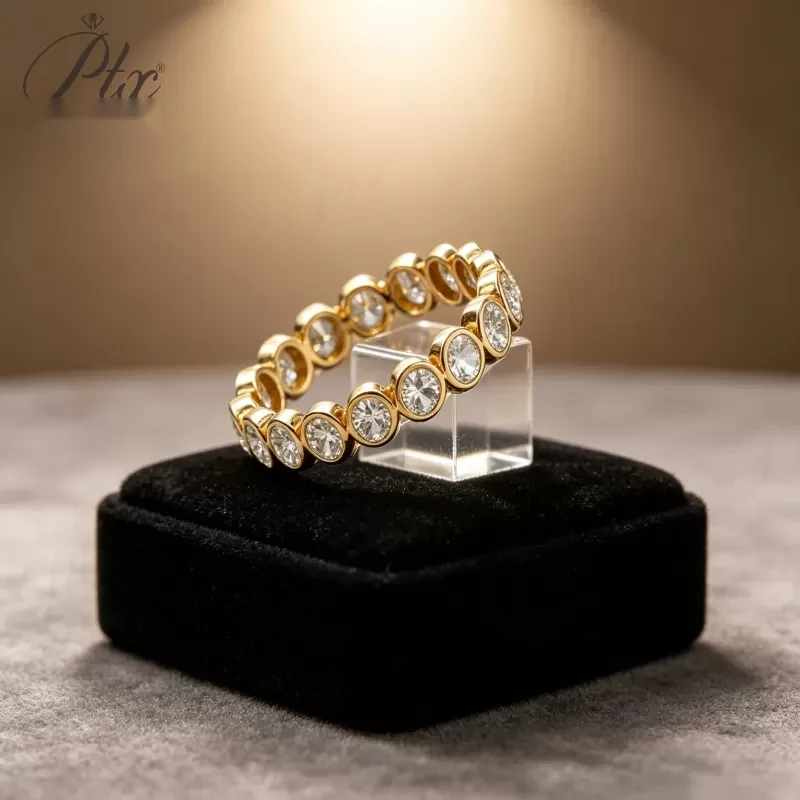
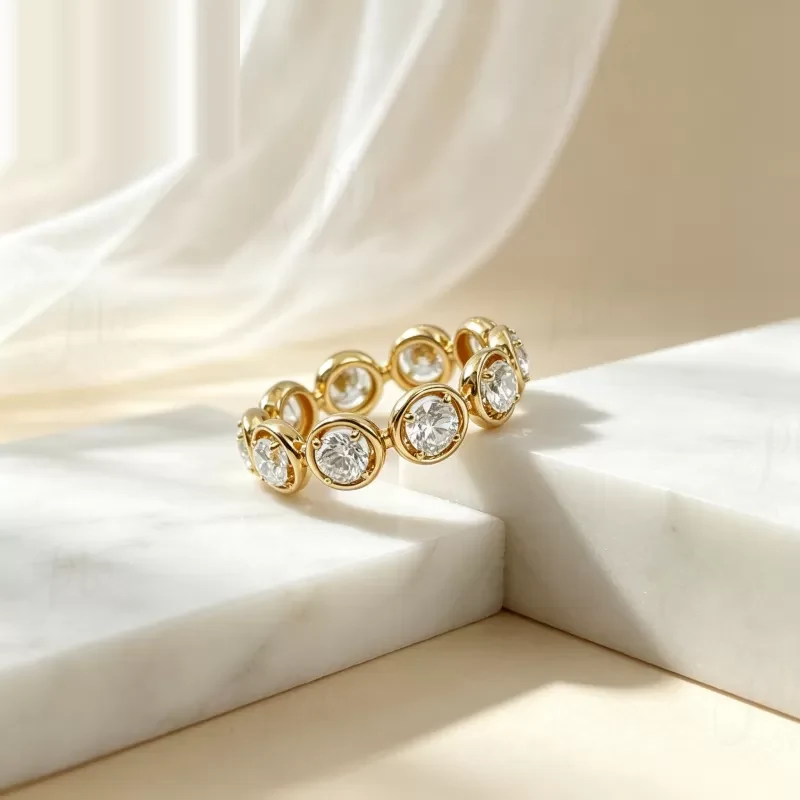
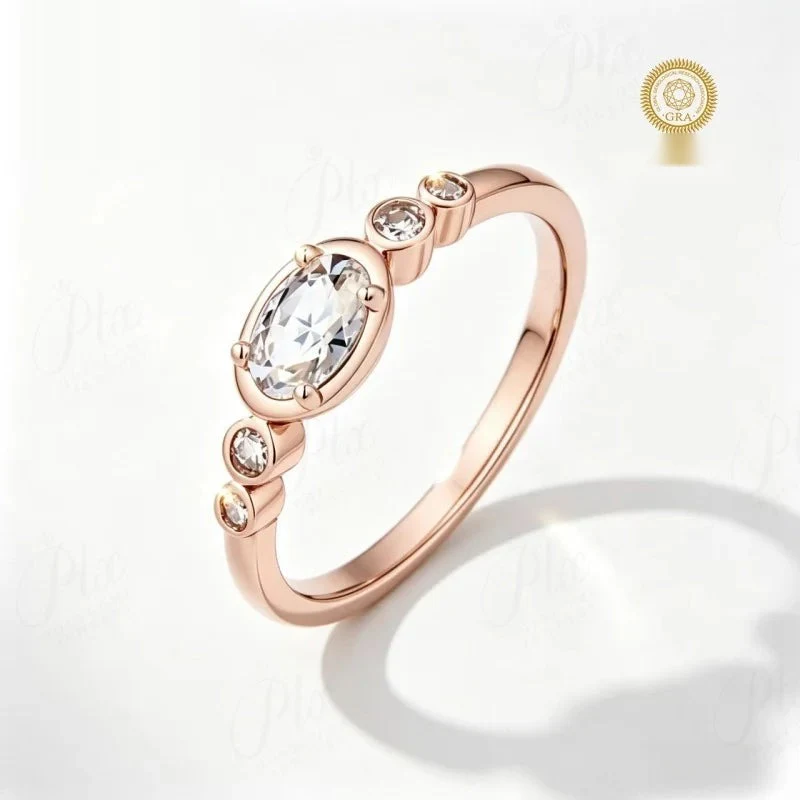
Wholesale Rings: Incoming QC & Pre-Ship Inspection

Why Quality Inspection Matters for Wholesale Rings
Rings endure more handling, resizing, and daily wear than nearly any other jewelry category, which is why incoming quality control and pre-ship inspection should sit at the center of your wholesale buying process. A batch of rings that looks good in photos can still arrive with loose stones, thin plating, or out-of-tolerance sizing, and those defects only surface after your customers have handled the pieces.
A supplier with a documented three-stage inspection process gives you a way to catch problems before the goods leave the factory, not after they reach your warehouse.
This article walks through what those inspection stages actually cover, what documents you should ask for, and how inspection fits into the wider order process from sampling to delivery. The goal is to give you a checklist you can hold any supplier to, whether you are ordering a single stock piece or a custom production run.
The Three-Stage QC Process Explained
A credible supplier does not wait until the end of production to check quality. Rings move through three distinct checkpoints, and each one catches a different class of defect.
Stage One: Incoming Material Inspection
Before a single ring is set or polished, the raw materials get checked. For rings, that means verifying the metal stock matches the order specification: 925 sterling silver, 10K, 14K, or 18K solid gold, gold vermeil, or gold plated brass. The inspector confirms metal purity documentation, checks loose moissanite stones against their GRA or IGI grading papers, and measures carat weights. Stones sold by the carat are weighed individually at this stage.
Catching a mismatched stone parcel or wrong metal stock here costs little to fix; catching it after setting costs a full production cycle.
Stage Two: In-Process Inspection
During production, inspectors check rings at the critical stages: after casting or stamping, after stone setting, and after plating or polishing. This is where prong alignment, stone seat security, band thickness, and plating thickness get measured. For custom work, in-process checks also confirm that engraving, sizing, and design details match the approved sample. A defect found at the setting stage can often be reworked; the same defect found at final inspection may scrap the piece entirely.
Stage Three: Pre-Ship AQL Inspection
The final gate is a pre-shipment inspection conducted to AQL standards. The inspector pulls a random statistical sample from the finished batch and checks it against your acceptance criteria: stone security, plating consistency, stone color match across the batch, sizing accuracy, polish, and packaging. For rings, batch color consistency matters especially, since customers often buy multiple pieces from the same drop.
You receive the inspection report before the balance payment is due, which gives you negotiating power: if the batch fails, you can request rework or rejection before the 70 percent balance is released.
What the Pre-Ship Inspection Should Cover for Rings
Not all AQL inspections are equal. When you specify your requirements, make sure the checklist covers the items below, because these are the defects that generate the most wholesale returns in the ring category.
- Stone security: prongs tested for tightness, bezels checked for gaps or lifting.
- Metal verification: stamp accuracy for 925, 10K, 14K, or 18K markings.
- Plating condition: even color, no peeling, no exposed base metal at edges.
- Sizing tolerance: ring sizes measured against the ordered US size range.
- Surface finish: polish quality, scratches, pits, and solder marks.
- Packaging: individual bags, tags, and quantity count against the packing list.
The table below summarizes how each inspection stage maps to the defects it is designed to catch, so you can align your acceptance criteria with the supplier's checkpoints.
| Inspection Stage | Timing | Key Checks | Defects Caught |
|---|---|---|---|
| Incoming QC | Before production | Metal purity, stone papers, carat weight | Wrong materials, off-grade stones |
| In-Process | During production | Setting, plating, band dimensions | Loose stones, thin plating, misaligned prongs |
| Pre-Ship AQL | Before shipment | Random sample against acceptance criteria | Batch inconsistencies, finish and sizing faults |
Use this table when you brief a new supplier. If any stage is missing from their process, treat that as a signal to ask more questions or request third-party inspection at your own cost.
How Inspection Fits Into Ordering and Payment
Inspection checkpoints connect directly to the commercial terms of your order, so it pays to understand the full sequence before you commit. The flow differs slightly depending on whether you are buying stock styles or custom work.
Sampling and Approval for Rings
Sampling takes 7 to 10 days, and this is your first quality checkpoint. For stock styles, the minimum order is 1 piece, so you can order a physical sample of the exact ring you plan to buy in volume. For custom work, the minimum order is 30 pieces, and the approved sample becomes the reference standard for in-process and pre-ship inspection. Sample orders can be paid through PayPal, which keeps the upfront risk low while you evaluate the supplier's workmanship.
Bulk Production and the Payment Schedule
Once the sample is approved, bulk production takes 15 to 25 days. Payment follows a T/T structure: a 30 percent deposit to start production and the 70 percent balance before shipment. This structure is designed to work alongside the pre-ship AQL inspection. The report is generated after production is complete but before you send the balance, so you can review the results and confirm the batch meets your criteria before releasing the final payment.
Pricing is quoted per piece for finished rings or per carat for loose stones.
Delivery and Documentation
After the batch passes inspection and the balance clears, DDP delivery to the US takes 5 to 8 days. Keep your inspection report, GRA or IGI papers, and packing list on file, since these documents support your own resale claims and help resolve any transit damage claims with the carrier.
Practical Decisions Every Ring Buyer Faces
Beyond the process itself, wholesale buyers make several judgment calls that shape inspection outcomes. Knowing where the real risks lie helps you allocate attention and budget.
Should You Inspect Stock Orders Differently From Custom Orders?
Yes, in practice. Stock rings ordered at 1 piece minimums are low-risk, so a standard AQL check is usually enough. Custom runs at 30 pieces or more carry design risk: the finished product can drift from the approved sample in stone size, plating tone, or band profile. For custom work, ask for mid-production photos at the setting stage and specify that the approved sample is the binding reference for the pre-ship inspection.
How Do You Verify Moissanite Stones in the Batch?
Graded stones come with GRA or IGI papers, and the incoming inspection should match each stone or parcel to its documentation. Ask the supplier to confirm carat weights against the papers at both incoming and pre-ship stages. Loose stones are sold by the carat, so weight verification protects the value of the order directly. If you buy ungraded stones, agree in advance on the color and clarity range you will accept.
What Defects Are Most Common With Rings Specifically?
Loose stones from inadequate prong tension are the most frequent ring defect, followed by plating wear at high-contact points such as the inside of the band and around the setting. Sizing errors also appear regularly when a run covers multiple US sizes, so ask the inspector to measure every size in the sample rather than only the most common ones.
Order Terms for Wholesale Buyers
MOQ is 1 piece for stock styles and 30 pieces for custom work, and loose stones are sold by the carat. Sampling takes 7 to 10 days, and bulk production runs 15 to 25 days after the sample is approved. Pricing is quoted per piece or per carat depending on the item. Payment is T/T with a 30% deposit and the 70% balance before shipment, and PayPal is accepted for sample orders.
Frequently Asked Questions
What happens if my ring order fails the pre-ship inspection?
You review the AQL report and photos before releasing the 70 percent balance. You can request rework of defective pieces, a re-inspection, or rejection of the failed batch. Because the balance is due before shipment, the payment structure keeps the decision in your hands.
Can I order a sample before committing to bulk production?
Yes. Stock styles have a minimum order of 1 piece, so you can sample exactly what you plan to resell. Custom work requires a 30 piece minimum for bulk, but the sampling stage of 7 to 10 days lets you approve the design first.
Are the moissanite stones graded?
Graded stones are supplied with GRA or IGI papers, which document their characteristics as lab-created diamond alternatives. The papers are verified during incoming inspection so the stones in your rings match their documentation.
How long does the full order cycle take?
Sampling takes 7 to 10 days, bulk production takes 15 to 25 days after sample approval, and DDP delivery to the US takes 5 to 8 days. Plan roughly 4 to 7 weeks from sample approval to stock on your shelf, depending on the production window.
What payment methods are accepted?
Sample orders can be paid via PayPal. Bulk orders use T/T with a 30 percent deposit and the 70 percent balance before shipment, released after you review the pre-ship inspection results.
Build Your Ring Program on Verified Quality
Incoming QC and pre-ship inspection are what separate a repeatable wholesale program from a series of one-off gambles. When a supplier commits to three documented inspection stages, GRA and IGI stone documentation, and an AQL report you review before releasing the balance, you can scale your ring assortment with a clear view of what is arriving at your door.
Review the full catalog of rings and other categories in our wholesale product catalog, read more buying guides like this one in our jewelry wholesale blog, and start a conversation about sampling or a custom run through our contact page.
Sources: Grading references: GIA gem education and GIA laboratory information.