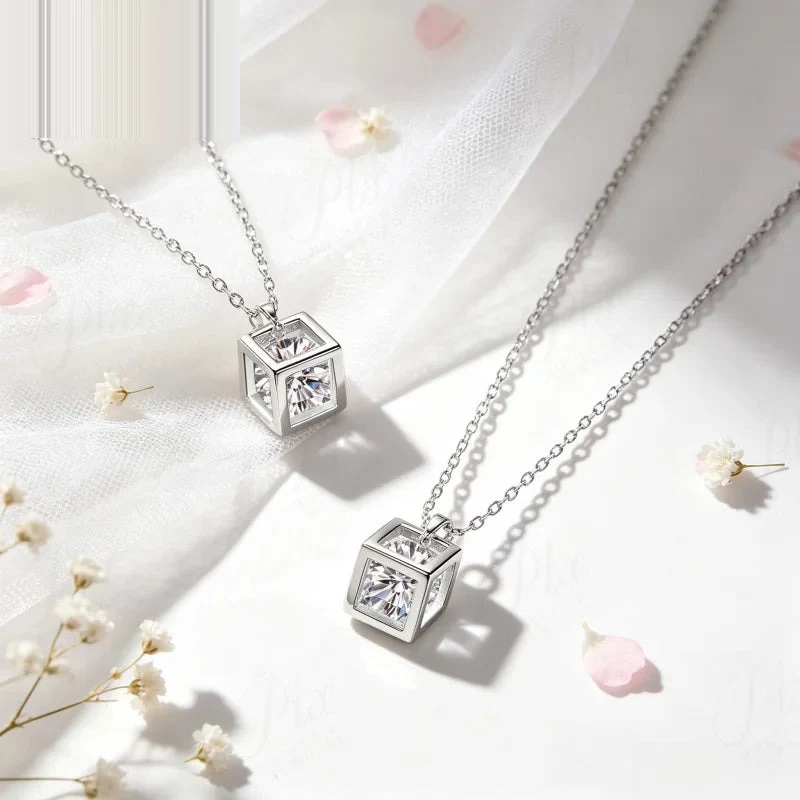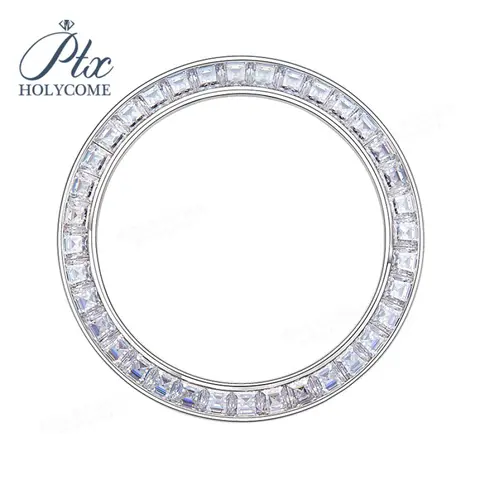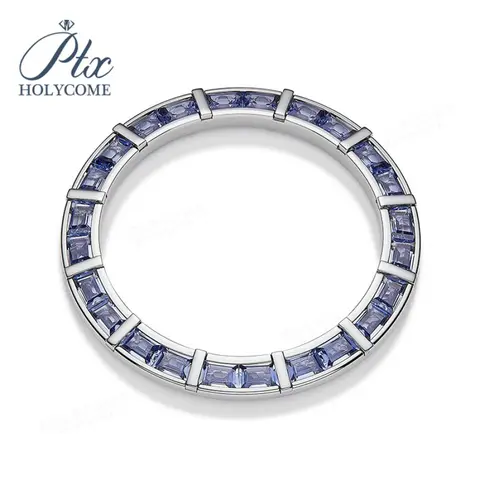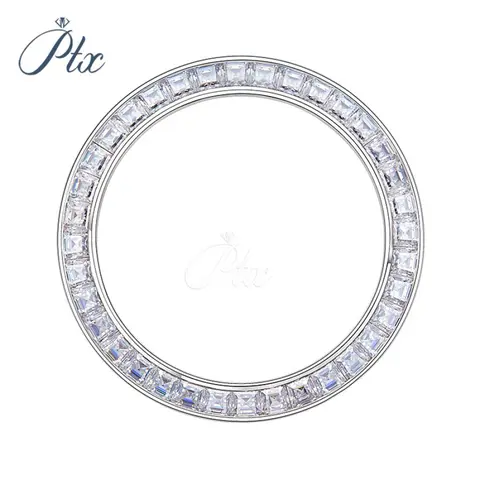
When customers picture a moissanite ring, they usually picture a round stone. But shape is one of the biggest levers you control as a buyer, and it changes three things at once: how the stone flashes, how long the finger looks, and how much a given carat weight actually costs. This guide compares the cuts wholesale buyers stock most often so you can build a shape range that matches your market.
Round brilliant
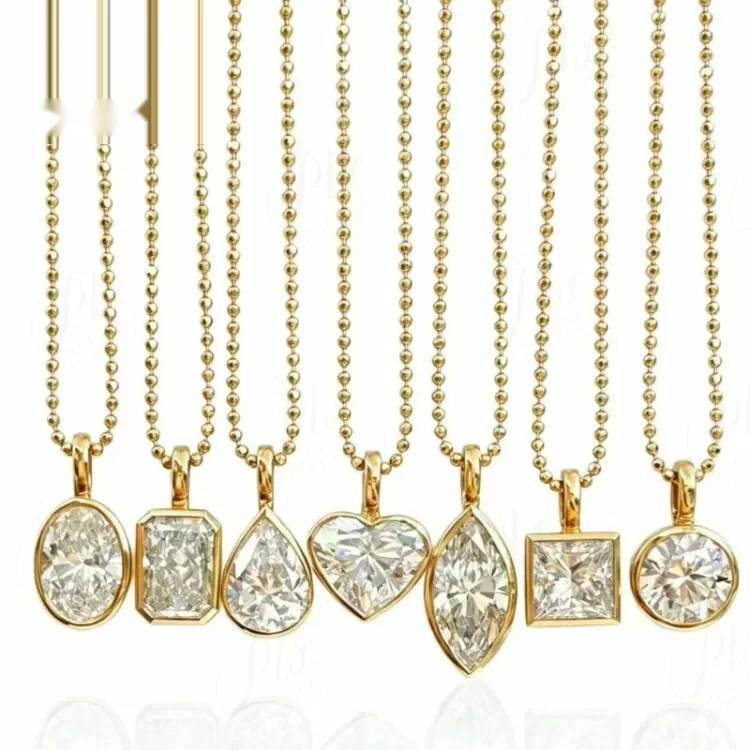
The round brilliant is the default for good reason. Its 57 or 58 facets are optimized for light return, so it shows the strongest, most balanced sparkle of any shape. Round stones are also the most expensive per carat equivalent because roughly half the rough is lost to cut a circle cleanly. For a bridal or promise-ring customer who wants the classic diamond look, round is the safest stock. It suits short and long fingers equally and photographs neutrally. If a customer is comparing against a diamond, a well-cut round is the easiest shape to defend side by side.
Oval
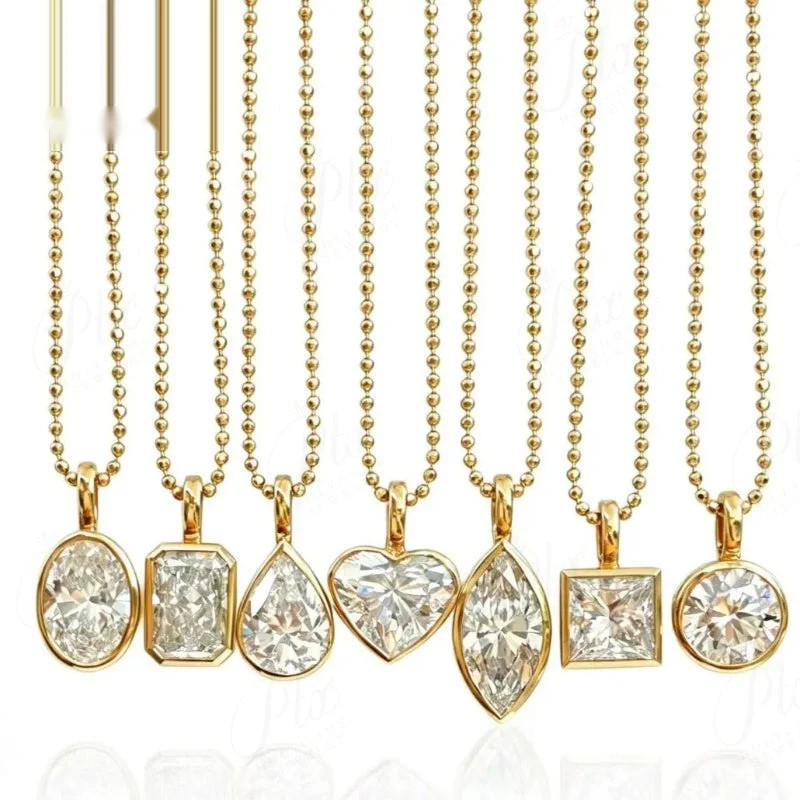
Oval is the fashion shape that has kept climbing. Its elongated silhouette makes the finger look slimmer and longer, and it reads larger on the hand than a round of the same carat weight. Oval moissanite usually costs a bit less per carat than round, which makes it a strong value tier. Watch for a tilted or uneven bow-tie dark area across the center in lower-grade ovals; a well-cut oval minimizes it. Stock oval for the younger, style-driven buyer and for customers who want size without spending to a big round.
Cushion
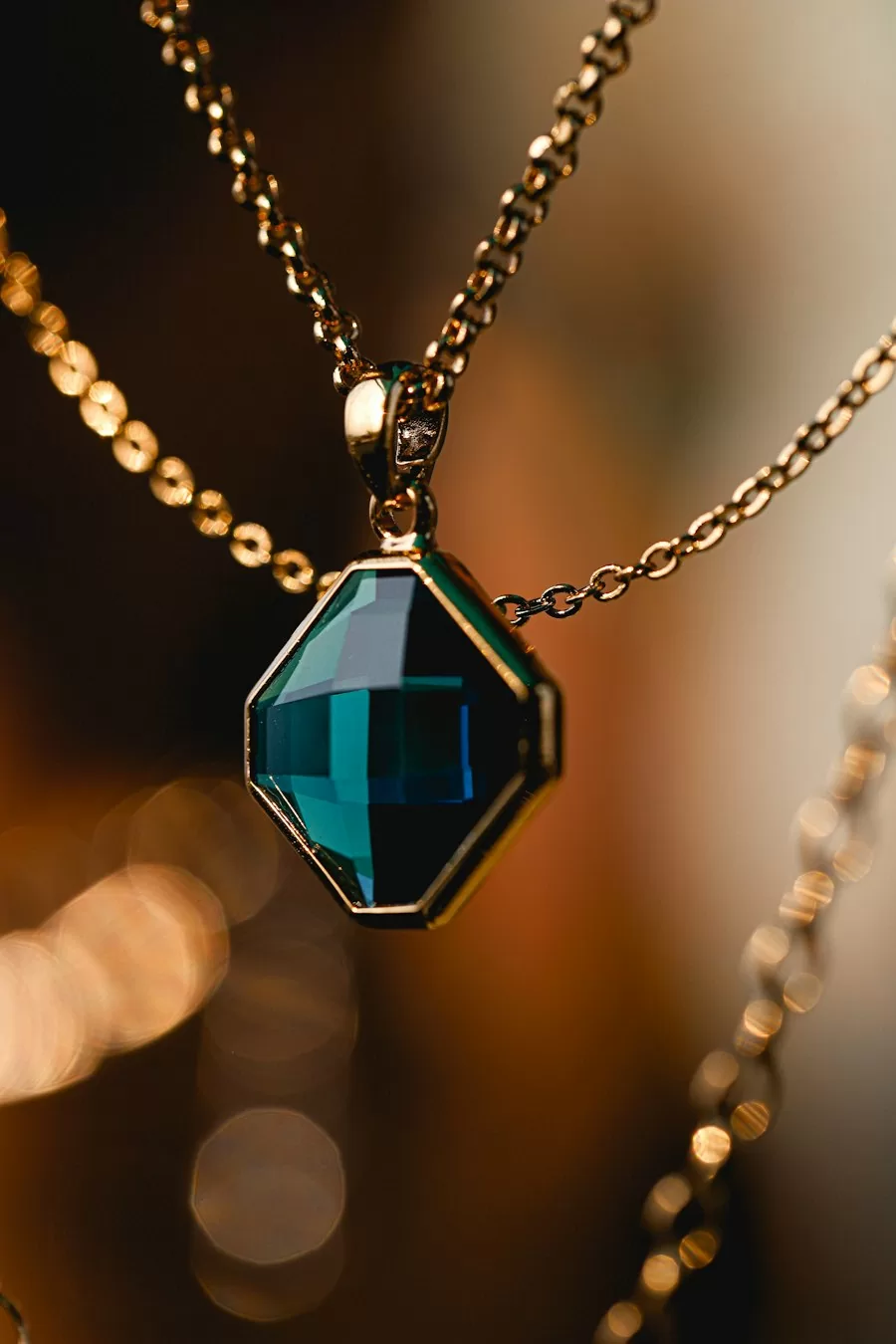
The cushion cut is a square or rectangular stone with rounded corners, and it sits between classic and vintage. It flashes broader, softer blocks of light rather than the sharp pinpoints of a round, which many buyers describe as warmer. Cushion works especially well in halo and three-stone settings and pairs naturally with a vintage or Art Deco look. It tends to flatter wider hands and shorter fingers. In wholesale terms, cushion is a reliable second shape to add once round sells through, because it attracts customers who have already decided they do not want a plain circle.
Emerald and princess
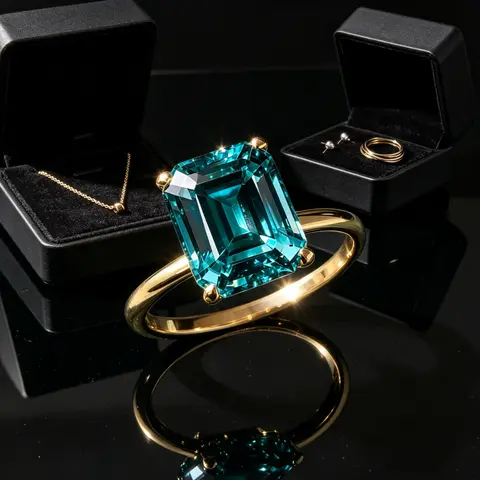
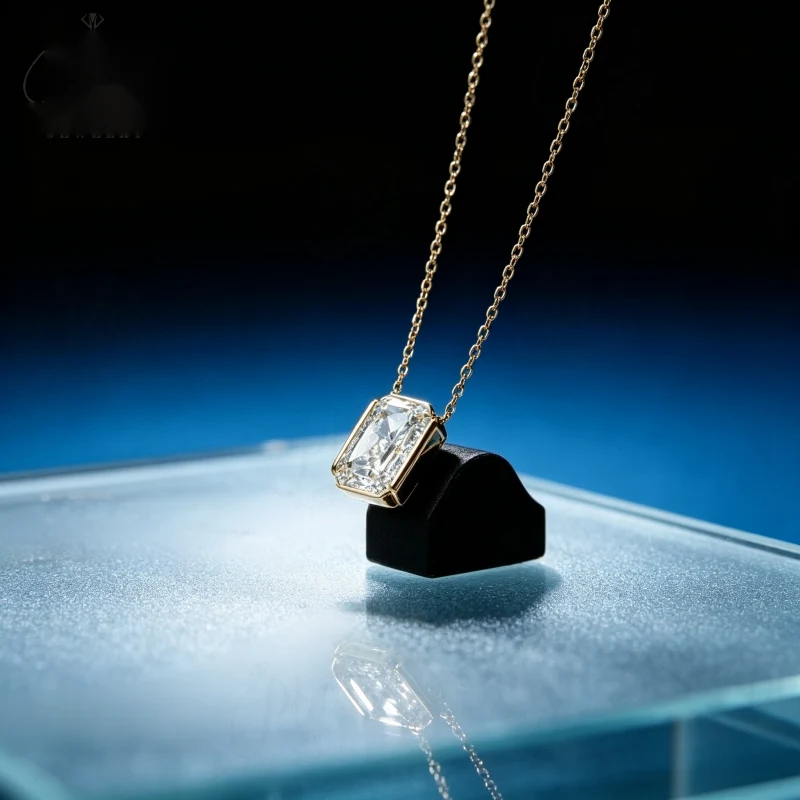
Princess is a square, pointed-corner cut with strong sparkle and a modern feel; it tends to suit angular, geometric settings and masculine or gender-neutral designs. Emerald cut, with its step facets and open center, shows clarity more than fire, so the stone must be exceptionally clean to look right. These two are niche shapes. Stock them shallowly as a contrast in a display rather than as core inventory, and only after your round, oval and cushion basics are moving.
Pear, marquise and heart
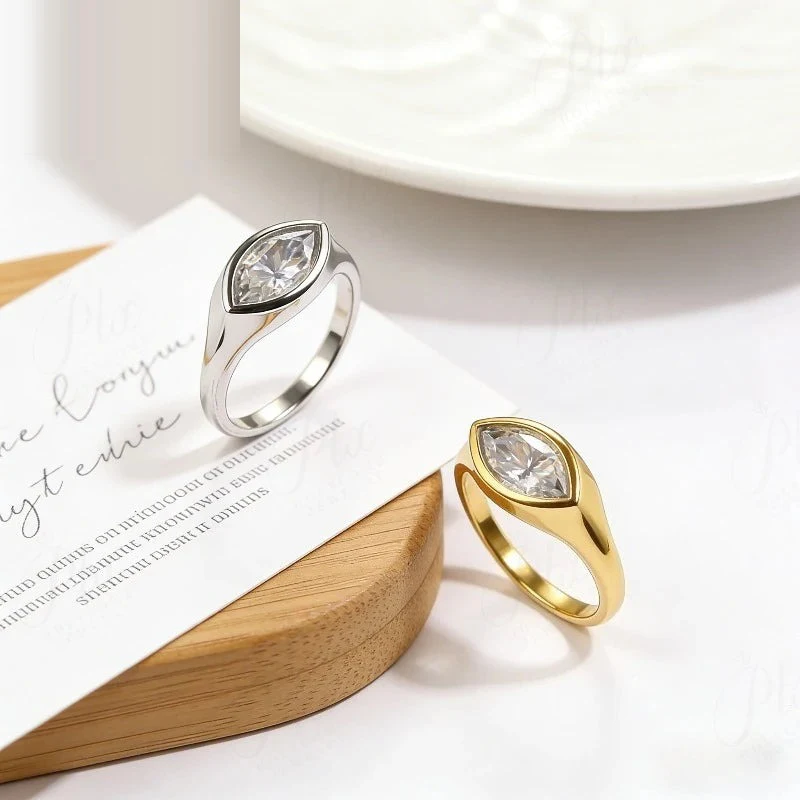
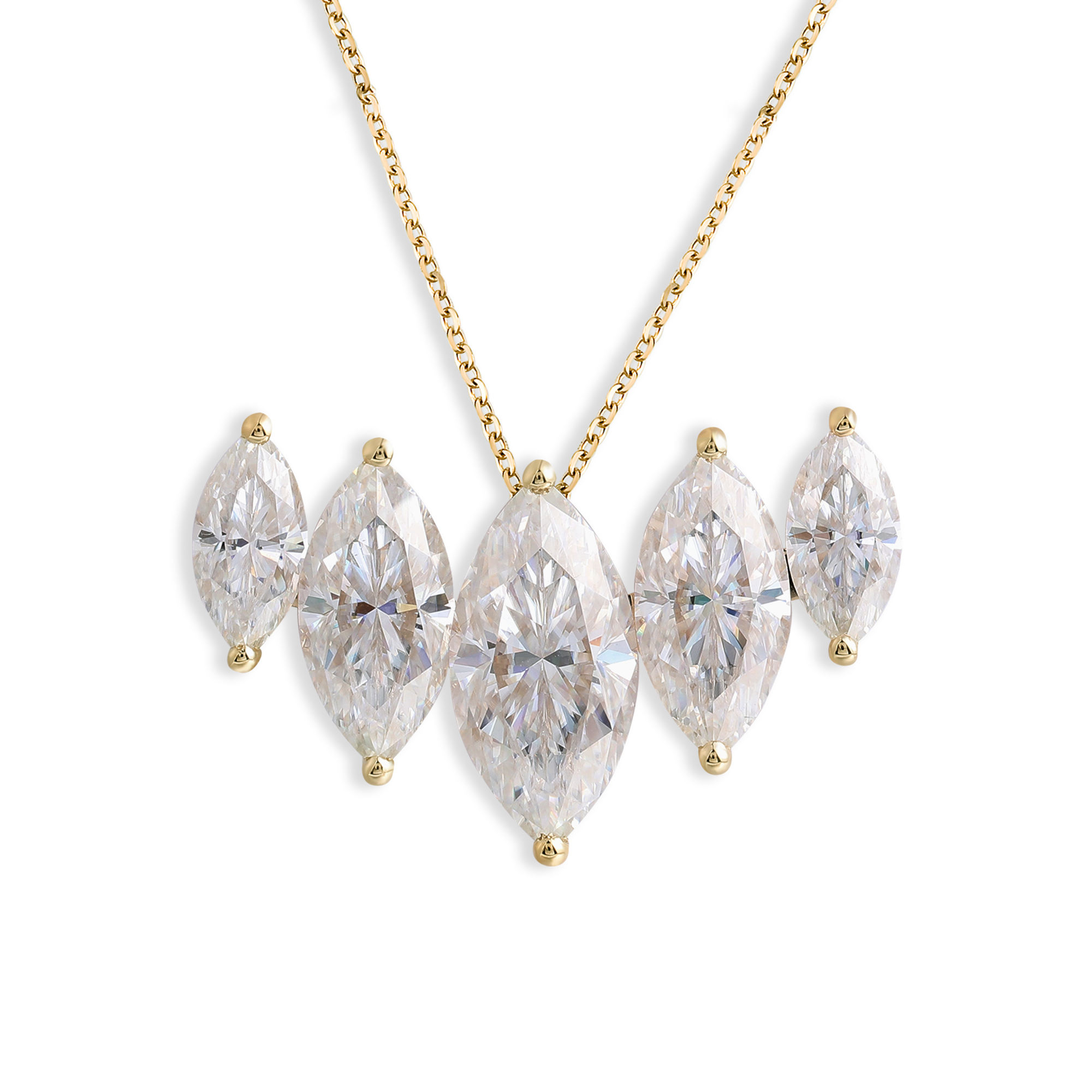
Pear and marquise are strong length-makers for slender fingers and have a vintage, red-carpet flavor. Heart is a statement gift shape that spikes around Valentine's and anniversary seasons. These are seasonal and emotional buys, not everyday stock. Keep them as limited, pre-holiday additions rather than permanent depth.
How shape affects your buying decisions
First, price per carat equivalent runs roughly round highest, then oval and cushion, then the more niche shapes. Second, on the hand, elongated shapes (oval, pear, marquise) flatter short fingers, while round and cushion balance wider hands. Third, shape changes the setting. A round stone needs a setting built for a circle; an oval halo is a different tooling cost. If you are building a bridal wholesale line, start with round and oval as your top two, then add cushion once those reorder cleanly.
To judge what you are actually buying, ask the supplier for the stone's color and clarity grade per shape rather than a blanket statement. Our notes on moissanite color, clarity and cut explain how the grade moves with shape. Remember that the same written grade can look different in an oval than in a round, because the eye catches inclusions differently across facet patterns.
Which shapes should you stock?
For most resellers, a practical opening order is sixty percent round, twenty-five percent oval, and fifteen percent cushion, with one small display of princess and a seasonal run of heart or pear. That mix covers the widest customer base without overcommitting to a slow niche. Adjust after ninety days of sell-through data: if your oval rings outpace rounds, shift the ratio next order.
Shape is the easiest styling lever in a moissanite assortment. Start with the three workhorse cuts, price them by the real per-carat cost of each, and let your own sell-through data tell you where to add depth next season. When customers ask which shape is "the best," the honest answer is that no shape wins on every hand. The right stock plan gives you all three, priced and merchandised so the buyer can match the stone to their own finger and their own taste rather than being forced into a default round.
Independent background on moissanite — how its hardness and refractive index compare with diamond — is documented in the Wikipedia article on moissanite.
Frequently Asked Questions
Is moissanite a good diamond alternative for retail buyers?
Yes for price-sensitive customers who want brilliance and hardness. Moissanite ranks 9.25 on the Mohs scale, holds up to daily wear and costs a fraction of a natural diamond of the same size, so it resells fast in bridal and fashion lines.
What is the minimum order for wholesale moissanite?
MOQ starts at 50 pieces per design for stock items. Custom cuts and private-label settings usually start at 100–300 pieces depending on the mold.
Do you provide certificates with moissanite stones?
Yes. Every parcel ships with GRA or IGI documentation listing carat weight, color grade and cut. We recommend passing the certificate to your end customer for trust.
How long does sample and bulk production take?
Samples ship in 3–5 days. Bulk runs take 15–20 days under 500 pieces, and 25–30 days for custom work.