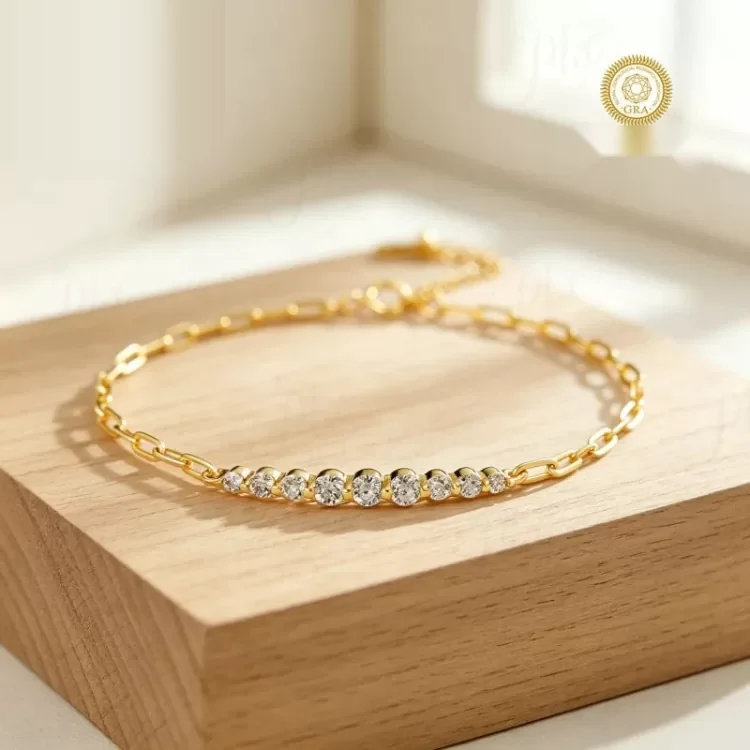
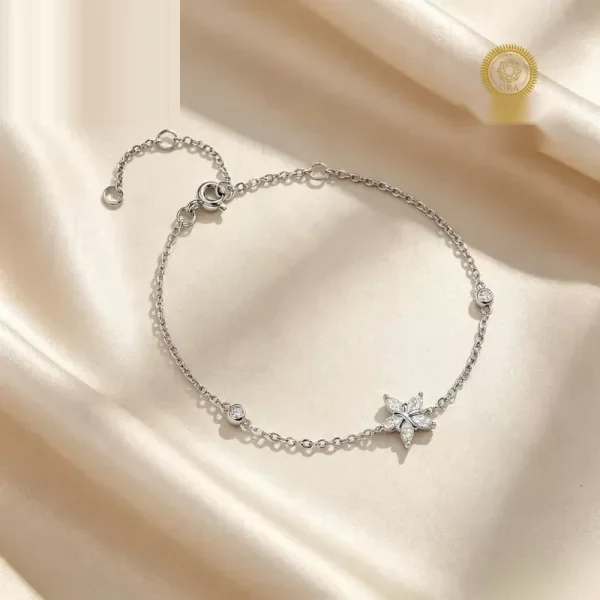
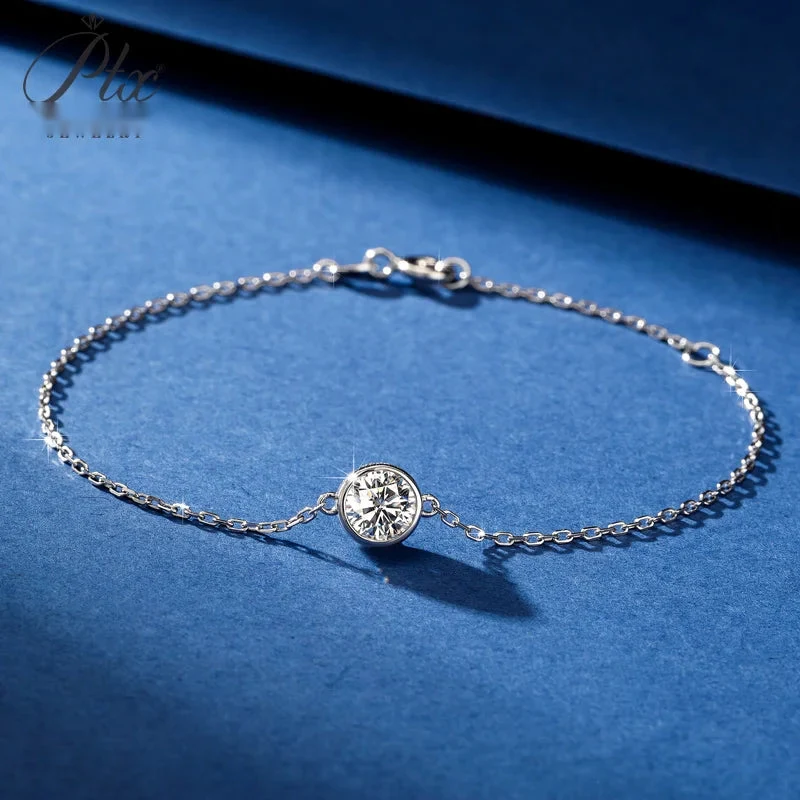
Wholesale Bracelets: Retail-Ready Packaging & Branding

Why Packaging Decides How Your Bracelets Sell at Retail
Packaging and retail readiness are among the most overlooked cost and margin factors when sourcing wholesale bracelets for the US market. A bracelet that arrives in a plain poly bag needs handling, re-boxing, and often re-inspection before it can sit on your shelf or ship to a customer, while a bracelet that arrives in a fitted box with a care card can move straight from carton to display.
This article walks through the practical decisions a wholesale buyer faces on packaging: what to confirm before ordering, how to match packaging depth to your sales channel, what custom branding requires, and how to plan timelines and quality checks so the presentation holds up from factory floor to customer hands.
What Retail-Ready Means for Bracelets
Retail ready does not have a single industry-wide definition, so the first step is to get specific with your supplier. Ask what arrives standard with each bracelet and what counts as an add-on. The answers shape both your landed cost per unit and the labor your team spends on receiving.
Standard Inclusions Versus Paid Add-Ons
Most wholesale bracelets ship in individual protective sleeves or small stock boxes, but branding, inserts, and gift presentation usually cost extra. Before approving a purchase order, confirm these points in writing:
- Whether each bracelet arrives in an individual box or pouch, and whether that is included in the quoted per-piece price
- Custom logo printing on boxes, cards, or pouches, including minimum quantities and any setup fees
- Care instruction cards, since 925 sterling silver, gold vermeil, and gold plated pieces each need different handling guidance
- Barcodes or SKU labels applied at the factory if your retail operation scans inventory at receiving
- Interior cushioning or fitted inserts so stones and clasps do not shift during transit
Getting these details confirmed early prevents the common situation where a buyer assumes gift boxes are included and discovers the gap only when the carton arrives.
Packaging Needs Vary by Bracelet Material
Material choice changes the packaging conversation in concrete ways. A 925 sterling silver bracelet can tarnish in humid storage or long transit, so anti-tarnish inserts or sealed pouches are worth requesting. Bracelets set with moissanite, a lab-created diamond alternative, benefit from display boxes that position the stones to catch light, since sparkle drives impulse purchases at the counter. Solid gold bracelets in 10K, 14K, or 18K resist tarnish but still need scratch protection, particularly pieces with high-polish finishes.
Gold vermeil and gold plated bracelets need soft interiors that will not abrade the plated surface. Match the packaging spec to the metal and stone so the presentation survives your supply chain, not just the factory floor.
Matching Packaging Depth to Your Sales Channel
Not every bracelet needs full gift packaging, and over-packaging adds cost per unit that quietly erodes margin. The right level depends on where and how you sell. The table below gives a practical starting framework.
| Sales Channel | Packaging Level | Typical Extras | Main Consideration |
|---|---|---|---|
| Online store | Fitted gift box | Branded insert card | Unboxing experience on camera |
| Retail counter | Display tray plus box | Logo presentation card | Shelf appeal and security |
| Market or pop-up stall | Padded pouch | Simple care card | Speed and durability at checkout |
| Gift or subscription | Box with ribbon | Personalized note option | Perceived value per unit |
Use this framework as a baseline, then adjust for your price point. A 14K solid gold tennis bracelet justifies heavier presentation than a gold plated fashion bangle, and your packaging spend should reflect that gap. Buyers who standardize on one packaging level across an entire catalog often over-spend on entry-level pieces or under-deliver on fine jewelry.
Custom Branding and Minimum Quantities
Custom-printed packaging usually carries its own minimum, separate from the jewelry itself. Stock bracelet styles can be ordered in quantities as low as 1 piece, which suits testing a design before committing. Custom bracelet work requires 30 pieces per style, a quantity that often aligns naturally with a matching custom packaging run for a capsule collection.
Loose stones, if you are sourcing separately for local setting, are sold by the carat and fall outside the bracelet packaging discussion, but the same branding questions apply to any finished pieces you assemble.
Questions to Ask Before Approving Packaging Artwork
Custom packaging adds lead time and cost, so gather the facts before signing off on artwork:
- What is the minimum quantity for printed boxes or pouches, and can leftover packaging stock be used on future bracelet orders?
- Which printing methods are available, such as hot foil stamping, embossing, or offset print, and how does each hold up to handling?
- What is the charge for artwork setup, and who owns the printing plates or dies after the first run?
- Can packaging for a mixed order be consolidated so different bracelet styles share one box size, reducing your packaging inventory?
Suppliers differ on these points, so treat packaging as a negotiation topic with the same seriousness as piece pricing. Consolidating to one or two box sizes across a bracelet line reduces the number of SKUs you must reorder and simplifies restocking.
Labeling and Compliance Details for US Retail
US retail resale brings labeling expectations that are easier to satisfy at the factory than after receipt. Metal purity should be marked accurately: pieces in 925 sterling silver, 10K, 14K, or 18K solid gold should carry the appropriate stamp, and vermeil or gold plated bracelets should be described as such on any tags or cards, never presented as solid gold.
Product descriptions on insert cards should describe moissanite as a lab-created diamond alternative rather than using language that implies natural diamond origin. Confirming that factory-applied tags match your online listings prevents confusion at the returns desk and keeps your catalog descriptions consistent with the physical product.
Timelines, Production, and Quality Control for Packaged Bracelets
Packaging affects both lead time and inspection, so plan it into your calendar rather than treating it as an afterthought. Sampling for bracelets takes 7 to 10 days, and bulk production takes 15 to 25 days after approval. If custom printed boxes are part of the order, ask whether packaging production runs in parallel with jewelry production or after it, because sequential production can push your delivery date out. Clarify this at the sampling stage.
How Packaging Fits Into the QC Process
Quality control should extend to the packaging itself, not just the jewelry. A three-stage process covers this well: incoming inspection of materials, in-process checks during production, and a pre-ship AQL inspection on finished goods. For packaged bracelets, the pre-ship stage is where you want the inspector to verify that each bracelet sits correctly in its box, that printed logos match approved artwork, that care cards are included, and that barcode labels scan correctly.
Ask your supplier to include packaging checkpoints in the pre-ship AQL inspection and to share photographic evidence before shipment authorization.
Graded stones carry their own documentation, with GRA or IGI papers accompanying applicable pieces. Decide whether those papers ship inside the retail box, which adds perceived value for the end customer, or separately in your back-of-house files, which keeps retail boxes slimmer. Either approach works; the key is deciding deliberately and telling the supplier.
Shipping and Delivery Planning for Retail-Ready Bracelets
Packaged bracelets take up more carton space than bulk-packed pieces, which affects freight cost and case quantities. When comparing quotes, ask for carton dimensions and gross weights for the packaged configuration, not just the bare jewelry. DDP delivery to the US takes 5 to 8 days, with duties and freight handled to your door, which simplifies landed-cost math.
Payment terms follow a standard structure: T/T with a 30 percent deposit and the 70 percent balance before shipment, while PayPal is available for sample orders. Build the deposit and balance schedule into your cash-flow planning alongside the production timeline.
Receiving is the final packaging checkpoint. When cartons arrive, spot-check a sample from each style for box condition, insert fit, and label accuracy before the goods are put away. Damage discovered at receiving is far easier to resolve than damage discovered at the point of sale, and a consistent receiving routine protects your retail presentation standard across every order.
Order Terms for Wholesale Buyers
MOQ is 1 piece for stock styles and 30 pieces for custom work, and loose stones are sold by the carat. Sampling takes 7 to 10 days, and bulk production runs 15 to 25 days after the sample is approved. Pricing is quoted per piece or per carat depending on the item. Payment is T/T with a 30% deposit and the 70% balance before shipment, and PayPal is accepted for sample orders.
Frequently Asked Questions
Do custom boxes require the same 30 piece minimum as custom bracelets?
Custom packaging usually carries its own minimum quantity, which the supplier confirms per printing method and box style. Stock bracelet styles can be ordered starting from 1 piece, so a common approach is to test the bracelet with stock packaging first and move to custom boxes once the design proves itself. Ask for the packaging minimum in writing with your bracelet quote.
Can I mix bracelet styles in one custom packaging order?
Often yes, if the styles fit a shared box size or tray layout. Consolidating styles into one or two box sizes reduces setup fees and simplifies your packaging inventory. Confirm fit with a physical sample before bulk production, since bracelet width and clasp height vary between designs.
How do I protect sterling silver bracelets during storage and shipping?
Request anti-tarnish inserts or individually sealed pouches inside the retail box. Store cartons in a dry environment and avoid leaving packaged silver in hot delivery vehicles for extended periods. Including a care card that explains tarnish prevention also reduces customer service questions after the sale.
Does packaging add time to the standard production lead time?
It can, depending on whether packaging production runs in parallel with jewelry production. Bracelet sampling takes 7 to 10 days and bulk production takes 15 to 25 days after approval, and custom printed boxes may extend that window if produced sequentially. Ask the supplier to confirm the packaging schedule when you approve the sample.
What should appear on the insert card inside each bracelet box?
Useful contents include your brand mark, a short care section matched to the metal, and accurate material wording such as 925 sterling silver, gold vermeil, or a note that moissanite is a lab-created diamond alternative. Keep the wording consistent with your online listings. Accurate language on the card supports smooth retail resale and fewer disputes.
Get Started With Retail-Ready Wholesale Bracelets
Packaging and retail readiness are decided at the quotation stage, not after goods arrive, so raise them early with your supplier and treat them as part of the product rather than an accessory to it. Browse the current bracelet catalog and stock styles in the wholesale product collection, then read more buying guides on sourcing, QC, and presentation in the wholesale jewelry blog.
When you are ready to discuss custom packaging, sampling, or a bulk bracelet order, reach out through the supplier contact page
Sources: Grading references: GIA gem education and GIA laboratory information.