Wholesale Bracelets: Incoming QC & Pre-Ship Inspection

Why Incoming QC and Pre-Ship Inspection Define Bracelet Quality at Scale
Bracelets fail wholesale differently than rings or pendants. A bracelet is a moving assembly of clasps, links, and settings, so defects that look minor at incoming inspection become returns at retail. For wholesale buyers, the two checkpoints that matter most are incoming QC, which catches bad materials before they enter production, and pre-ship inspection, which catches assembly problems before cartons leave the factory.
This article explains how a bracelet program should be inspected at both ends, what documents you should receive, and how to build a sampling and inspection routine that protects your margin on every Bracelets order.
What Incoming QC Covers for Bracelet Components
Every bracelet starts as parts: chains, clasps, jump rings, charms, and loose stones. Incoming QC is the stage where the factory verifies that each part matches the approved specification before assembly begins. For a 925 sterling silver bracelet, this means checking that the base metal and plating thickness match the agreed spec. For gold vermeil or gold plated bracelets, it means confirming the vermeil or plated designation is accurate and never represented as solid gold.
For 10K, 14K, or 18K solid gold styles, incoming QC verifies karstamps and metal composition against purchase documentation.
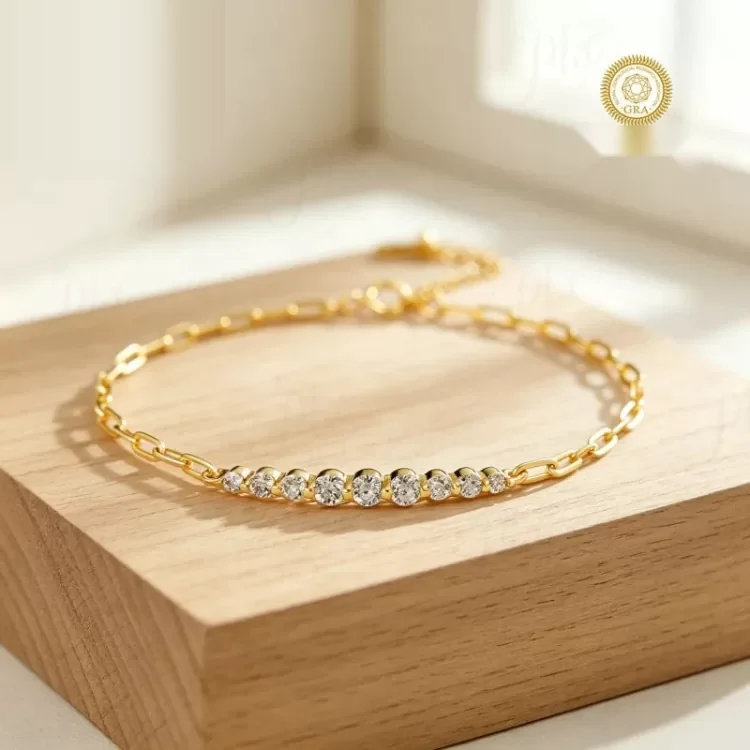
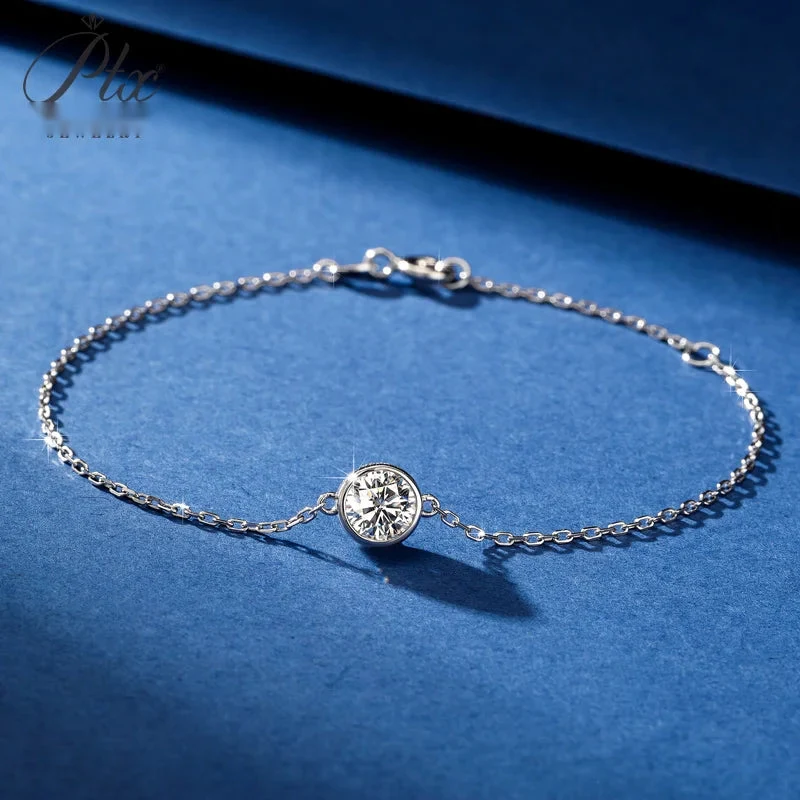
Stone verification is equally important. Moissanite is a lab-created diamond alternative and should be documented as such on every certificate. Graded stones in bracelet center settings should arrive with GRA or IGI papers, and incoming QC confirms that the stone on the desk matches the certificate it came with. Loose stones sold by the carat are checked for weight and grade at this stage, because once a stone is set into a bracelet link, correcting an error becomes expensive.
The Incoming QC Checklist for Bracelet Materials
- Verify metal type and plating spec against the purchase order, whether 925 sterling silver, vermeil, gold plated, or solid gold.
- Match each graded stone to its GRA or IGI certificate number before setting.
- Check clasp spring tension and jump ring closure on sample parts, since these are the two most common bracelet failure points.
- Record lot numbers for chains and clasps so any later defect can be traced to a specific incoming batch.
How Pre-Ship Inspection Works on Bracelet Orders
Pre-ship inspection is the final gate before shipment. On bracelet orders, this typically follows AQL sampling: the inspector pulls a random portion of finished pieces from packed cartons and checks them against the approved golden sample. Because bracelets have moving parts, the inspection focuses on functional tests that static products do not need. The inspector opens and closes each clasp repeatedly, tugs the chain to confirm solder joints hold, and checks that charms and stones sit securely in their settings.
Visual checks at this stage include plating consistency across the full length of the bracelet, stone alignment in channel or prong settings, and polish quality inside link crevices where polishing wheels struggle. Any lot that fails AQL goes back for rework or replacement, and a second inspection follows before release. This is the checkpoint that protects you from opening a container of bracelets with stiff clasps or open jump rings.
Functional Tests Every Bracelet Should Pass Before Packing
- Clasp cycle test: open and close the clasp several times to confirm smooth action and secure lock.
- Pull test on links and solder joints to confirm the chain holds under normal handling stress.
- Stone security check on each setting, confirming prongs or channel walls grip the stone without movement.
- Length and weight check against the approved sample, since bracelet length errors are a frequent wholesale complaint.
Incoming QC Versus Pre-Ship Inspection: A Side-by-Side View
Buyers often treat the two checkpoints as one activity, but they catch different defects at different costs. Incoming problems are cheap to fix; pre-ship problems are costly because the bracelet is fully assembled and sometimes already packed.
| Checkpoint | When It Happens | What It Checks | Typical Defect Caught |
|---|---|---|---|
| Incoming QC | Before production starts | Parts, metals, loose stones, certificates | Wrong plating spec or mismatched GRA papers |
| In-process QC | During assembly | Solder joints, stone setting, link alignment | Open jump rings, loose settings |
| Pre-ship AQL | After packing, before release | Random packed samples against golden sample | Stiff clasps, plating variation, length errors |
Reading the table left to right shows the logic of the three-stage system. A defect caught at incoming QC costs the price of a clasp. The same defect caught at pre-ship costs a reworked bracelet, a delayed shipment, and possibly a missed launch date. This is why serious suppliers will not release a bracelet order that skipped the incoming stage.
Building Inspection Requirements Into Your Bracelet Purchase Order
Inspection standards only protect you if they are written into the order. Your purchase order should state the AQL level you expect at pre-ship, the golden sample reference, and the certificate requirement for graded stones. It should also name the metal precisely: 925 sterling silver, 10K, 14K, or 18K solid gold, gold vermeil, or gold plated. Vague metal descriptions are the single biggest source of dispute in jewelry wholesale, and bracelets are no exception.
Key Terms to Put in Writing Before Production
- AQL acceptance level for the pre-ship inspection, agreed before bulk production begins.
- Certificate requirement: GRA or IGI papers for graded stones, and moissanite described accurately as a lab-created diamond alternative.
- Photographic report requirement, so you receive images of pulled samples before the balance payment is released.
- Disposition rule for failed lots: rework, replacement, or cancellation, decided in advance rather than during a dispute.
How Sampling, Production Timing, and Inspection Fit Together
Inspection checkpoints sit inside a production timeline, so you should plan orders around them. Sampling takes 7 to 10 days, which gives you a physical reference for the golden sample used at pre-ship. Bulk production takes 15 to 25 days after sample approval, and the pre-ship AQL inspection happens in the final days of that window.
If a lot fails, expect the rework to add time, which is one more reason to schedule bracelet orders with a buffer before your retail season.
Payment structure is tied to inspection as well. Standard terms are T/T with a 30 percent deposit and the 70 percent balance before shipment, which means your final payment should follow a passed pre-ship inspection, not precede it. For sample orders, PayPal is available and keeps early-stage risk low.
On the logistics side, DDP delivery to the US takes 5 to 8 days after release, so a failed inspection caught before shipment rarely costs you a delivery date if you planned with margin.
Practical Questions to Ask a Bracelet Supplier About QC
- Who performs the AQL inspection, and will I receive the report and photos before releasing the balance?
- How are graded stones matched to their GRA or IGI certificates during incoming QC?
- What is the rework process if a pre-ship lot fails, and how long does it add to the 15 to 25 day production window?
- Can golden samples be retained at the factory for repeat bracelet orders so standards stay consistent?
Pricing, MOQ, and How Inspection Protects Your Bracelet Margin
Bracelet pricing is quoted per piece, and loose stones are quoted per carat. Minimum order quantities are flexible: 1 piece for stock styles and 30 pieces for custom work. At small quantities, inspection overhead matters more, because a single defective bracelet represents a larger share of the order. This is why stock-style bracelet orders, even single-piece ones, still pass through the same three-stage QC.
Custom orders of 30 pieces benefit even more, since tooling and settings are built once and a defect in that build affects the entire run.
The commercial case for disciplined inspection is straightforward. Bracelet returns at retail concentrate around clasps, broken links, and lost stones, which are exactly the failure modes pre-ship inspection is designed to catch. A buyer who requires a photographic AQL report before releasing the 70 percent balance shifts the cost of defects back to the factory, where they belong. Over a season of Bracelets purchases, that difference shows up directly in your net margin.
Order Terms for Wholesale Buyers
MOQ is 1 piece for stock styles and 30 pieces for custom work, and loose stones are sold by the carat. Sampling takes 7 to 10 days, and bulk production runs 15 to 25 days after the sample is approved. Pricing is quoted per piece or per carat depending on the item. Payment is T/T with a 30% deposit and the 70% balance before shipment, and PayPal is accepted for sample orders.
Frequently Asked Questions
What happens if a bracelet lot fails the pre-ship AQL inspection?
The lot is rejected and sent back for rework or replacement, followed by a second inspection before release. Your 70 percent balance is not paid until a passed inspection report confirms the order meets the approved golden sample. Planning production with a buffer absorbs the rework time.
Do graded stones in bracelets come with certificates?
Yes. Graded stones use GRA or IGI papers, and incoming QC matches each stone to its certificate before setting. Moissanite is documented accurately as a lab-created diamond alternative on all paperwork.
Can I order a single bracelet to test quality before bulk?
Yes. Stock bracelet styles carry an MOQ of 1 piece, and sample orders can be paid by PayPal. The piece you receive reflects the same incoming QC and pre-ship inspection standards applied to bulk runs.
How long does the full bracelet process take, sample to delivery?
Sampling takes 7 to 10 days, bulk production takes 15 to 25 days after approval, and DDP delivery to the US takes 5 to 8 days after shipment release. Add a few days of buffer for a possible re-inspection if a lot needs rework.
How is the metal in a bracelet described on documents?
By its true type: 925 sterling silver, 10K, 14K, or 18K solid gold, gold vermeil, or gold plated. Plated and vermeil pieces are never represented as solid gold on invoices or product documentation.
Start Your Bracelet Program With Inspection Standards Built In
A bracelet order is only as good as the checkpoints behind it. When you are ready to source, browse our bracelet product catalog to review stock styles and stone options, read more factory-floor guidance in our jewelry wholesale blog, and request golden samples or a quote through our contact page. Bring your inspection requirements to the first conversation, and we will build them into the purchase order from day one.
Sources: Grading references: GIA gem education and GIA laboratory information.