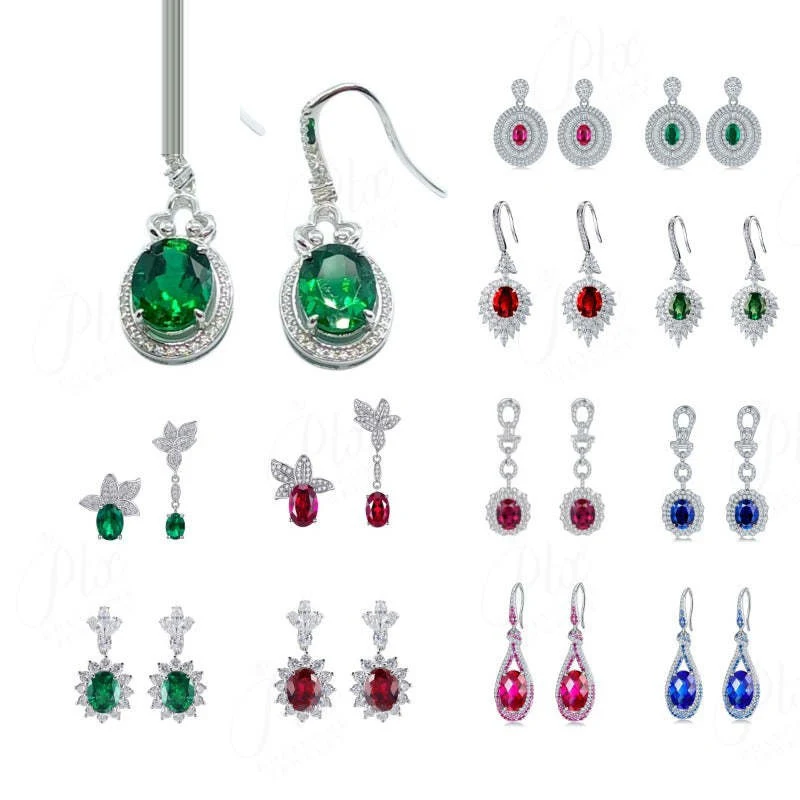
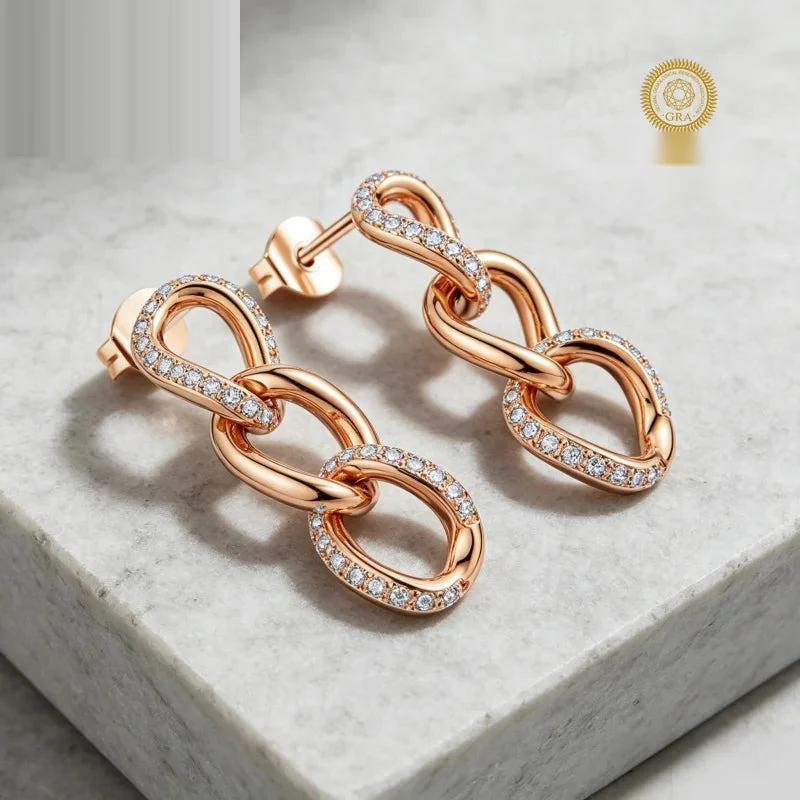
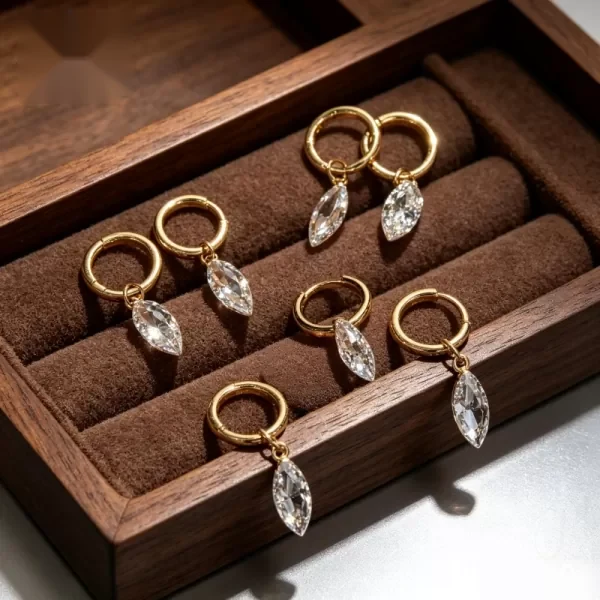
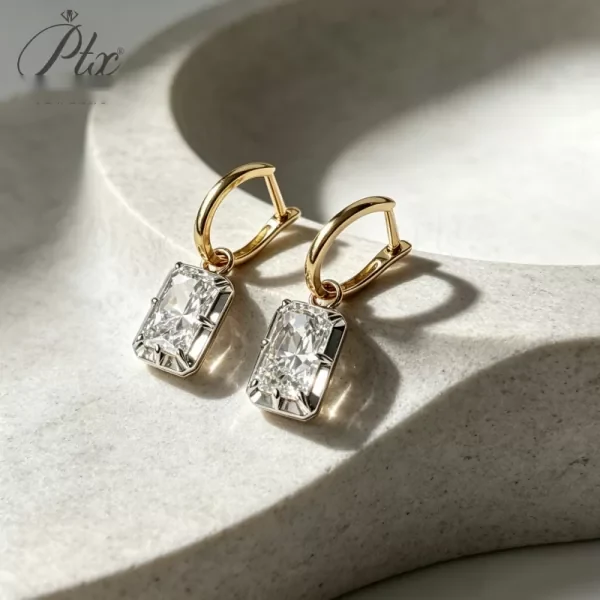
Wholesale Earrings: Plating Thickness & Tarnish Care

Why Plating Tarnish Matters for Wholesale Earring Buyers
Plated earrings tarnish because their thin metal layer wears away and exposes the base metal underneath, which then reacts with air, moisture, and skin oils. For wholesale buyers, this matters twice: tarnish drives customer returns and reviews, and the choice of plating thickness and base metal determines how well earrings hold up in daily wear.
This article explains how tarnish happens, which base and plating combinations work for different price points, and how to care for and communicate about plated jewelry so your earring assortment keeps selling after it leaves your shelf.
What Causes Plated Earrings to Tarnish
Most fashion earrings are made from a base metal such as brass or 925 sterling silver, then finished with a gold or rhodium plating. Plating is a layer measured in microns, and that layer is the only barrier between the base metal and the environment. When the layer wears thin, oxygen and sulfur compounds reach the base metal and oxidation begins. Brass darkens and can leave green marks on skin; silver develops a black tarnish film.
Several factors accelerate the process on earrings specifically:
- Sweat and body chemistry, since earrings sit directly against skin all day.
- Humidity and air exposure in storage, especially in coastal or tropical climates.
- Contact with perfume, hairspray, lotions, and cleaning products.
- Friction from clothing, hair, and phone screens that wears the plating surface.
- Improper polishing with abrasive cloths that strip the plated layer.
Because earrings sit close to the face, visible tarnish shows up faster and matters more to shoppers than it does on a bracelet worn under a sleeve. Your plating decision is therefore a product-quality decision, not just a cost decision.
Choosing Base Metals and Plating for Your Earring Program
The right combination depends on your price point, your customer's sensitivity to wear, and your brand positioning. A buyers-market overview helps frame the trade-offs:
| Finish Option | Tarnish Resistance | Best For |
|---|---|---|
| Gold plated on brass | Low to moderate | Trend-driven, seasonal assortments |
| Gold vermeil on 925 sterling silver | Moderate | Premium fashion lines |
| Thicker gold plating | Higher | Everyday wear programs |
| Solid 10K/14K/18K gold | Does not plate-wear | Fine jewelry collections |
| Rhodium on 925 sterling silver | Higher | Classic studs and hoops |
A thicker plated layer costs more per piece but extends the wearable life of the earring and reduces returns. Gold vermeil, which is gold plating over 925 sterling silver, offers a middle path: the silver base gives the piece intrinsic metal value and better hypoallergenic behavior than brass, while the gold layer provides the color your customers want.
Plated Earrings Versus Solid Gold Earrings
Solid gold earrings in 10K, 14K, or 18K do not rely on a plated layer for their color, so they do not tarnish the way plated pieces do; they may dull slightly and benefit from cleaning, but they never expose a base metal. The trade-off is cost per piece and weight, which matters for shipping.
Many wholesale buyers carry both: solid gold for core studs and huggies, plated or vermeil for larger statement earrings where solid gold weight would be impractical.
Matching Plating to Customer Expectations
Set expectations in your product copy. Plated earrings are fashion jewelry and need care; vermeil and thicker plating last longer under the same conditions; solid gold is the low-maintenance option. Buyers who describe finishes accurately see fewer disputes than those who use vague terms. Never label plated or vermeil pieces as solid gold, since that misrepresentation creates compliance risk and erodes trust with retail partners.
How to Prevent Tarnish Before It Starts
Prevention begins with the finish you specify at the factory and continues through storage and retail handling. Three practical controls make a measurable difference:
Specify Plating Thickness and Sealing at Production
When you order custom earring work, ask your manufacturer for a stated plating thickness in microns and an anti-tarnish sealing treatment on the finished surface. A e-coat or lacquer seal slows contact between the plated layer and sweat or air. Confirm these specifications in writing before bulk production begins, and request samples so you can compare wear behavior before committing.
Store Stock Correctly
Keep earring inventory sealed in small poly bags with anti-tarnish strips, away from direct sunlight and humid stockrooms. Rotate displays so pieces under store lighting for months are not the same pieces sold last. For wholesale buyers, inspect older stock periodically and re-bag anything showing early dulling before it reaches a retailer.
Handle With Clean, Dry Hands
Skin oils transfer to the plating during handling and begin the reaction cycle. Warehouse and store staff should handle earrings by the packaging where possible, and polishing should be limited to a soft, dry, non-abrasive cloth.
Care Instructions Your Retail Customers Can Use
Clear care instructions reduce returns and support your retail partners. Provide the following guidance with every plated earring order:
- Put earrings on after applying perfume, lotion, and hairspray, and remove them before showering or swimming.
- Wipe earrings with a soft, dry cloth after wear to remove skin oils and residue.
- Store pairs separately in sealed bags to limit air exposure and prevent scratching between pieces.
- Remove plated earrings before sleeping, exercising, or cleaning with household chemicals.
- For vermeil and sterling silver bases, use a silver polishing cloth sparingly; avoid abrasive compounds.
You can adapt this list into a care card printed with your brand. Buyers who include care cards report that customers better understand normal wear on plated finishes, which lowers refund requests tied to tarnish expectations.
Communicating Wear Expectations to Retailers
If you sell to boutiques or chain stores, equip their staff with the same information. A one-page summary covering finish type, expected wear under daily use, and cleaning steps helps store associates answer customer questions accurately. This also protects your relationships, because a retailer whose customers understand the product is a retailer that reorders.
Quality Control and Logistics for Plated Earring Orders
Tarnish resistance is a production-quality issue as much as a materials issue. Our factory runs a three-stage QC process: incoming inspection of base metals and plating chemicals, in-process checks during plating and assembly, and a pre-ship AQL inspection that catches surface defects, plating blisters, and color inconsistencies before cartons are sealed. Stones set in earrings are graded with GRA or IGI papers where applicable, so your retail partners can document what they are selling.
Ordering is straightforward. Stock earring styles carry a minimum order of 1 piece, which lets you test wear and color before scaling. Custom earring work requires 30 pieces per design. Loose stones for earring settings are sold by the carat, and pricing is quoted per piece or per carat depending on the item. Sampling takes 7 to 10 days so you can evaluate plating thickness and finish on physical pieces; bulk production runs 15 to 25 days after sample approval.
Payment is by T/T with a 30 percent deposit and 70 percent balance before shipment, with PayPal available for sample orders. Delivery to the US under DDP terms takes 5 to 8 days, so a plated earring program can move from spec to store shelf in roughly one month.
Testing Samples Before You Commit
Use the sample stage to test real-world wear. Wear the samples, expose them to humidity, and wipe them with your standard polishing cloth. Comparing two plating thicknesses side by side on sample pairs gives you evidence for the specification that fits your price point, rather than guessing from a catalog description.
Order Terms for Wholesale Buyers
MOQ is 1 piece for stock styles and 30 pieces for custom work, and loose stones are sold by the carat. Sampling takes 7 to 10 days, and bulk production runs 15 to 25 days after the sample is approved. Pricing is quoted per piece or per carat depending on the item. Payment is T/T with a 30% deposit and the 70% balance before shipment, and PayPal is accepted for sample orders.
Frequently Asked Questions
How long does plating on earrings typically last?
It depends on plating thickness, base metal, and how often the earrings are worn and cared for. Thicker plating over a 925 sterling silver base generally holds color longer than a thin layer over brass. Care habits such as wiping after wear and sealed storage extend the wearable life significantly.
Can tarnished plated earrings be restored?
Light dulling can often be improved with a soft dry cloth, but once the plated layer wears through and the base metal shows, re-plating is the only real fix. That is why prevention, through thicker plating and proper storage, is more economical than restoration for wholesale stock.
Is gold vermeil better than gold plated for earrings?
Gold vermeil is gold plating over 925 sterling silver, so it combines a precious-metal base with a gold finish. Compared with gold plating over brass, vermeil generally offers better wear behavior and a more premium positioning. It is not solid gold, and product copy should say so clearly.
What is the minimum order for custom plated earrings?
Custom earring work requires 30 pieces per design, while stock styles can be ordered starting from 1 piece. This lets you trial a stock design for tarnish performance and customer response before investing in a custom run.
How should I store earring inventory in a humid climate?
Seal each pair in a small poly bag with an anti-tarnish strip, keep stock out of direct sunlight, and avoid open display storage for long periods. Rotate older stock forward and inspect it for early dulling so compromised pieces are caught before sale.
Build a Plated Earring Program That Holds Up
Tarnish is manageable when you control the variables: specify plating thickness and sealing at production, sample and test before bulk, store and handle stock correctly, and give retail customers care instructions that set accurate expectations. Whether you are sourcing stock studs at low minimums or building a custom earring line, our team can walk you through finish options, sampling, and DDP delivery to the US in 5 to 8 days.
Browse our current designs in the earrings product catalog, read more buying guides on the wholesale jewelry blog, or start a sampling conversation through our contact page.
Sources: Grading references: GIA gem education and GIA laboratory information.