Wholesale Earrings: Custom OEM & Private Label Workflow

Custom OEM and Private Label Earrings: How the Wholesale Workflow Actually Works
Custom OEM and private label earrings let you sell jewelry under your own brand without running a factory, and the workflow comes down to five stages: design brief, sampling, approval, bulk production, and delivery. For US wholesale buyers, the practical questions concern minimums, timelines, quality control, and paperwork — and each of those has a clear answer before you commit budget. This guide walks through the decisions you will face at every stage of building a branded earrings program.
Decisions to Make Before Requesting a Quote
Buyers often send a reference photo and ask for a price, then get frustrated when the quote comes back vague. A factory can only price what it fully understands. Before contacting a supplier about earrings, lock down these details:
- Base metal and finish: 925 sterling silver, 10K/14K/18K solid gold, gold vermeil, or gold plated
- Stone type and carat weight: moissanite, a lab-created diamond alternative, sold by the carat
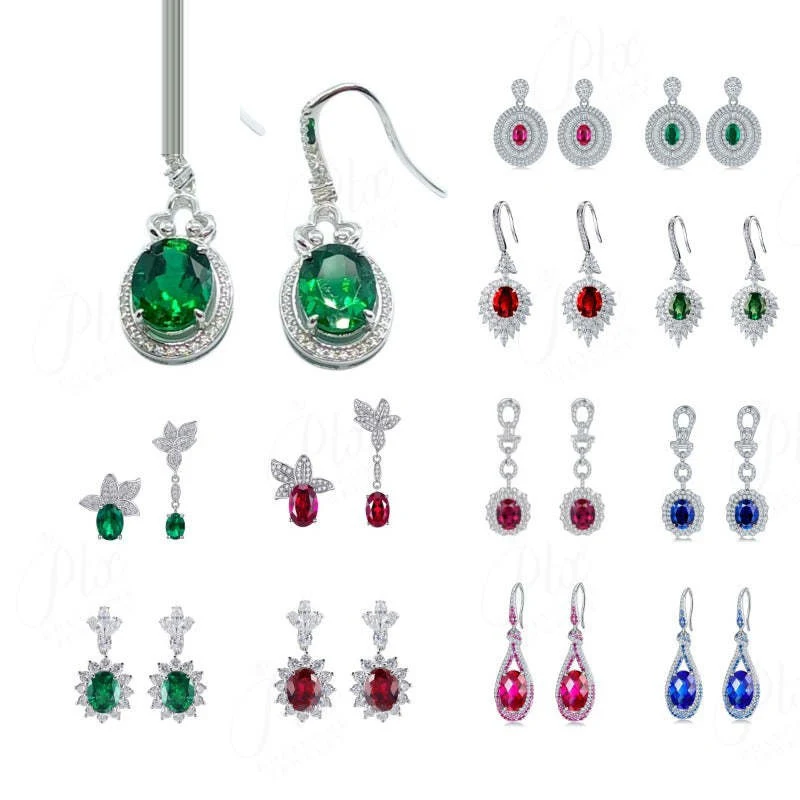
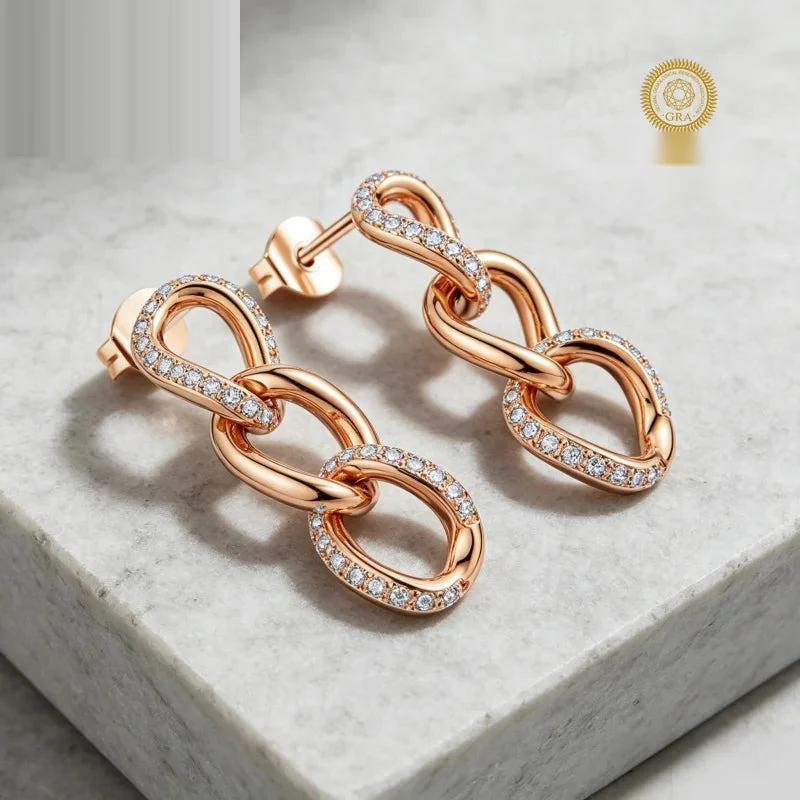
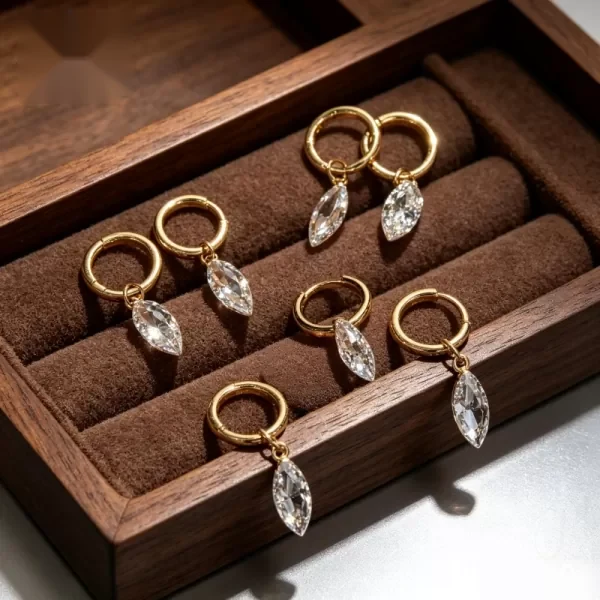
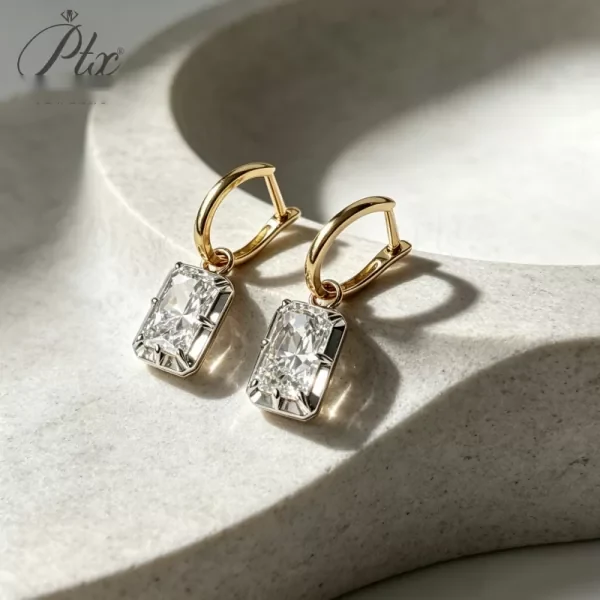
- Earring format: studs, hoops, drops, huggies, or climbers
- Branding requirements: stamp, laser engraving, custom cards, or branded packaging
- Target retail price band, which works backward into your landed cost ceiling
Being specific at this stage shortens the sampling cycle dramatically. A brief that names the metal, stone size, and finish spec can move straight into engineering. A vague brief will bounce between your team and the factory for days before anyone can quote a number.
Stock Styles Versus Fully Custom Designs
The minimum order quantity differs sharply between the two paths. Stock styles carry an MOQ of 1 piece, which means you can test a design in your market before committing to volume. Fully custom work — your own molds, your own sizing, your own finish specification — requires 30 pieces per style. Loose stones are priced by the carat, so a design using larger moissanite stones will be quoted differently than one set with melee-size stones.
A common buyer strategy is hybrid: launch with customized stock styles carrying your branding on a proven silhouette, then move top sellers into fully custom production once sales data supports the 30-piece commitment.
Private Label Branding Elements
Private label goes beyond a stamped logo. Decide early which elements you want, because each affects tooling and unit cost:
- Stamp or laser mark on the post, clutch, or inner hoop surface
- Custom printed cards with logo, sizing, and care instructions
- Branded pouches or boxes
- Hang tags with barcode or SKU fields
Send your logo as vector artwork. A raster file pulled from your website will slow down sampling and often needs redrawing, which adds days you did not plan for.
The Sampling Stage: 7 to 10 Days
Once your brief is clear, sampling takes 7 to 10 days. During this window the factory engineers the earring, sets the stones, applies the finish, and adds any branding. Sample orders can be paid through PayPal, which keeps the commitment small while you evaluate the work.
Evaluate samples against your written specification, not against a mental image. Check the post solder joint, clasp tension on hoops, stone setting symmetry, plating color against your reference, and the legibility of your mark. Photograph samples next to your reference images and send consolidated feedback — one round of detailed notes beats three rounds of scattered comments.
Bulk Production: 15 to 25 Days After Approval
After you approve the golden sample, bulk production runs 15 to 25 days. The range depends on order size, stone availability in the carat weights you specified, and how many finishing steps your design requires. Solitaire studs move faster than pavé-set drops; gold vermeil adds a plating step that gold plated pieces also require but solid gold does not.
Build your calendar backward from your sell-in date. If a buyer needs earrings on the shelf for a November launch, sampling plus production plus transit means approvals should happen well before September. Rushing the sample approval stage is where branding errors slip through, and reprinting cards or redoing engraving after bulk is far more expensive than catching it on the sample.
Pricing, Payment Terms, and Landed Cost
Earrings are priced per piece or per carat depending on the item. Stud pricing follows the stone weight, so a pair set with one-carat-total moissanite is quoted per carat, while hoop styles without stones are quoted per piece. Your quote should separate metal cost, stone cost, labor, and branding so you can see where the money goes and adjust the spec if needed.
Payment terms follow a standard structure: T/T with a 30 percent deposit to start production and the 70 percent balance before shipment. Sample orders can run through PayPal. The deposit structure means your cash outlay is staged — you fund sampling and the deposit first, and the balance only when the goods are finished and inspected.
Quality Control You Should Expect
A three-stage QC system should be part of any OEM program. Incoming materials inspection catches bad metal stock or stones before they enter production. In-process checks catch setting and plating problems while the goods can still be reworked. Pre-shipment AQL inspection samples the finished lots against an accepted quality limit, giving you a statistical basis for accepting or rejecting the shipment.
Ask which stage covers your branding elements specifically. A misprinted card or a blurred engraving is a defect just as much as a loose stone, and it should be caught at pre-ship inspection, not by your customer.
Paperwork and Delivery to the US
Graded moissanite stones come with GRA or IGI papers, which matter for items you sell as certified stones. Confirm at the quote stage whether grading papers are included per stone or per lot, because that affects both cost and how you present the product on your own product pages.
Shipping to the US runs on DDP terms with delivery in 5 to 8 days. DDP means the seller handles duties and import clearance, so your landed cost is predictable and you avoid surprise brokerage bills. For buyers new to importing, DDP removes most of the customs paperwork burden; for experienced importers with their own brokerage, confirm the incoterms in writing before the deposit is paid.
The table below summarizes the key parameters of a typical custom earrings program so you can align internal stakeholders before you start:
| Stage | Timeline | Minimum | Payment |
|---|---|---|---|
| Sampling | 7 to 10 days | 1 piece, stock styles | PayPal accepted |
| Bulk production | 15 to 25 days | 30 pieces, custom | T/T, 30% deposit |
| Balance payment | Before shipment | Per order | T/T, 70% balance |
| DDP delivery to US | 5 to 8 days | Per shipment | Included in terms |
Share this timeline with your merchandising and finance teams early. Most delays in OEM programs come from approval bottlenecks on the buyer side, not from the factory floor, so knowing when each signature is needed keeps the whole chain moving.
Common Mistakes First-Time OEM Buyers Make
Several avoidable errors show up repeatedly among buyers launching their first private label earrings collection:
- Skipping the spec sheet and relying on reference photos alone
- Approving samples over email descriptions instead of inspecting physical units
- Ordering a full 30-piece custom run before testing demand with 1-piece stock styles
- Forgetting to confirm GRA or IGI paperwork for graded stones at the quote stage
- Leaving packaging design until after bulk production has started
None of these are technical problems — they are process problems. A disciplined workflow with written specs, physical sample review, and staged payments protects both sides of the transaction.
Frequently Asked Questions
What is the minimum order for custom earrings?
Custom work requires 30 pieces per style, while stock styles can be ordered at 1 piece. Loose stones are sold by the carat and priced separately from the setting. This structure lets you validate a design cheaply before committing to a custom run.
How long does the whole process take from brief to delivery?
Sampling takes 7 to 10 days and bulk production runs 15 to 25 days after you approve the sample. DDP delivery to the US then takes 5 to 8 days. Realistic door-to-door time is roughly four to six weeks, plus your own internal approval time.
Can I put my own brand on stock earring styles?
Yes. Private label branding — stamps, engraving, cards, and packaging — can be applied to stock styles ordered from 1 piece. Fully custom molds and designs kick in at the 30-piece threshold. Many brands mix both approaches in one collection.
What documents come with graded stones?
Graded moissanite stones use GRA or IGI papers. Confirm at the quotation stage whether papers are issued per stone or per lot. Keep this in writing so your product pages and the accompanying paperwork match.
What are the payment terms for bulk orders?
Bulk orders run on T/T with a 30 percent deposit and the 70 percent balance before shipment. Sample orders can be paid via PayPal. The staged structure means you inspect finished goods before releasing the balance.
Start Your Custom Earrings Program
The OEM and private label workflow rewards buyers who arrive with clear specs, staged expectations, and a defined calendar. Browse the current range on our wholesale earrings product catalog to see stock styles you can brand from a single piece, read deeper guides on stones, metals, and sourcing in our jewelry wholesale blog, and request a sampling quote through our contact page for OEM and private label inquiries.
A short, specific brief is all it takes to get your first 7-to-10-day sample underway.
Sources: Grading references: GIA gem education and GIA laboratory information.