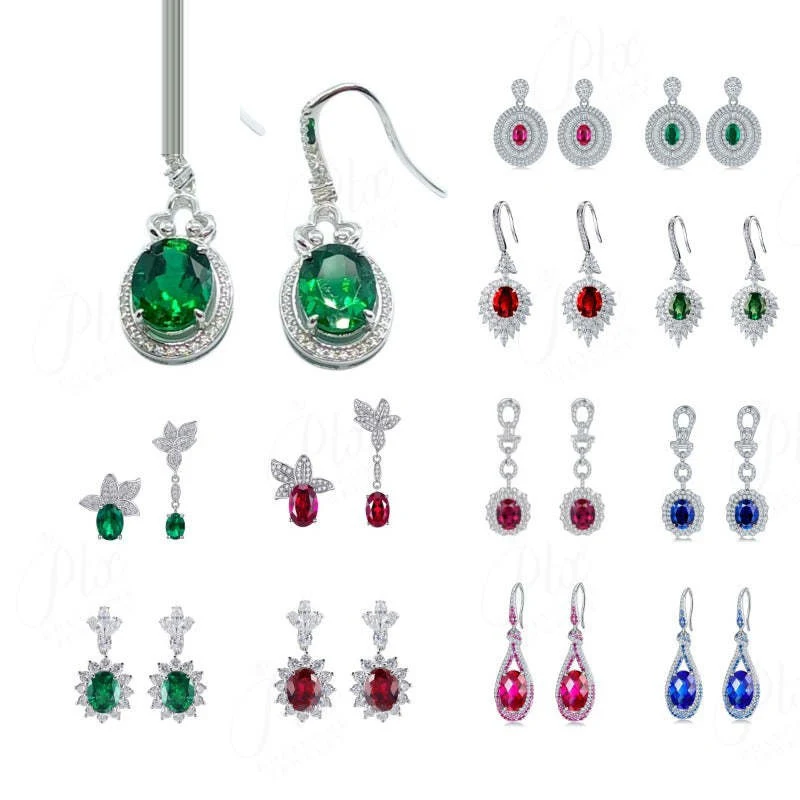
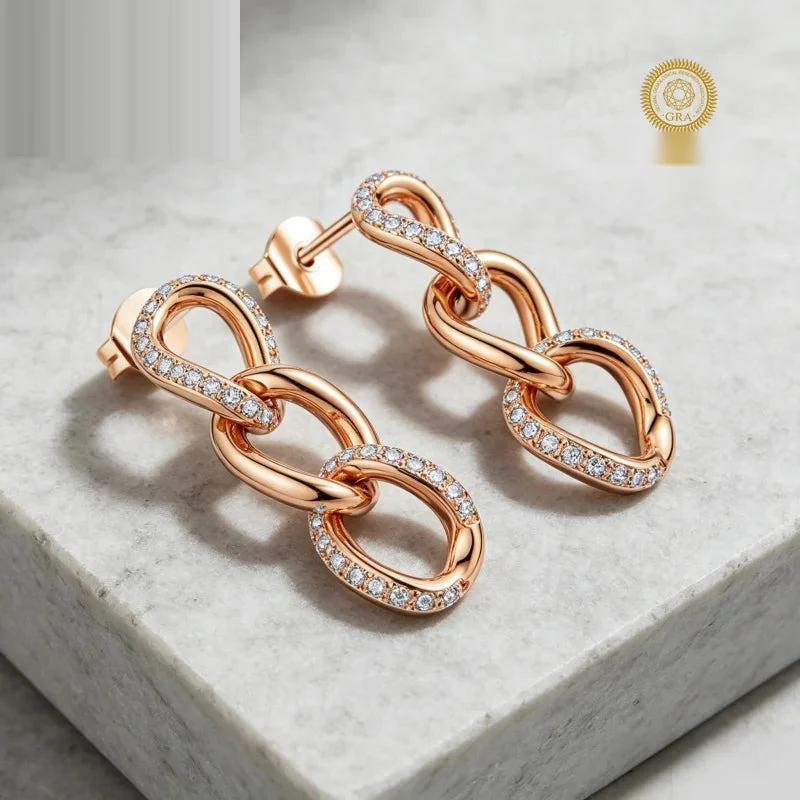
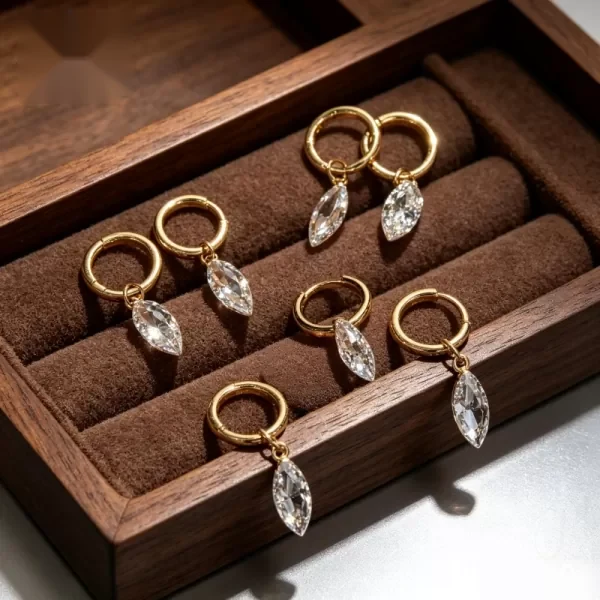
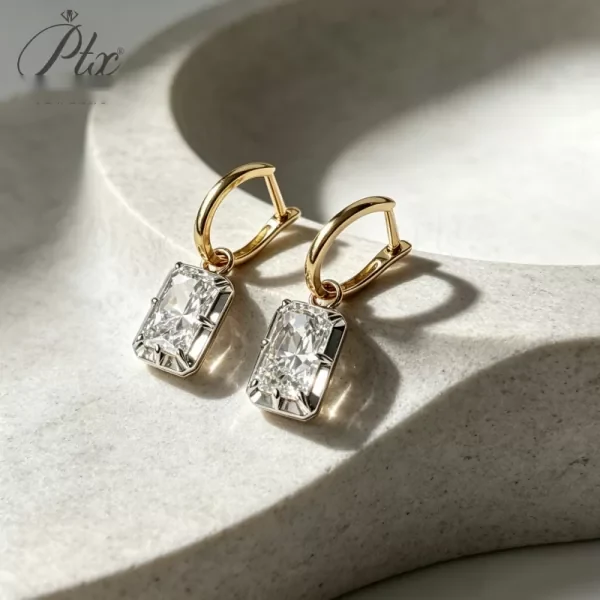
Wholesale Earrings: Incoming QC & Pre-Ship Inspection

Why Quality Control Matters Most for Wholesale Earrings
Earrings sit closer to the wearer's skin than almost any other jewelry category, which means defects that would be minor on a pendant become returns on a pair of studs. For a US wholesale buyer, the two checkpoints that protect your margin most are incoming QC and pre-ship inspection. Incoming QC catches problems before production even starts, and the pre-ship AQL inspection is your last chance to reject a batch before it leaves the factory.
This article explains how both stages work for earrings, what to check at each step, and how to build these checkpoints into your buying process so defective stock never reaches your warehouse or your customers.
The Three-Stage QC System Behind Every Pair of Earrings
A reliable supplier does not treat quality control as a single final check. For earrings, quality is verified at three distinct stages: incoming inspection of raw materials and components, in-process checks during assembly, and a pre-ship AQL inspection on finished goods. Understanding each stage helps you ask the right questions and hold your supplier accountable.
Stage One: Incoming QC on Stones and Metal
Before a single earring is assembled, the components are inspected as they arrive at the factory. For moissanite earrings, this means verifying that loose stones match the order specification for carat weight, color grade, and cut quality. Graded stones should arrive with GRA or IGI papers, and incoming QC confirms that the stone in the packet matches the certificate.
For the metal side, incoming QC checks that 925 sterling silver stock is correctly stamped and that 10K, 14K, or 18K solid gold matches the karat on the purchase order. Gold plated and gold vermeil components are inspected for plating thickness and base metal quality, since plated posts and hooks are the most common failure point on budget earrings.
Stage Two: In-Process Checks During Assembly
During production, inspectors check stone setting tension, post alignment, and clasp function on a sampling basis. Earrings are produced in pairs, so in-process QC also verifies that both earrings in a pair match in stone size, color, and drop length. A pair with a half-millimeter difference in stone diameter may pass a casual look-over but will generate customer complaints once it is worn.
Stage Three: Pre-Ship AQL Inspection
The final gate is the pre-ship AQL inspection, performed on finished, packed goods selected at random from the batch. AQL sampling follows a defined acceptance quality limit: inspectors pull a statistically representative sample, classify each defect as critical, major, or minor, and the batch passes or fails based on the number of defects found. For earrings, inspectors typically check stone security by pull-testing settings, confirm post straightness, verify pair matching, and inspect packaging.
If the batch fails, it is reworked and re-inspected before shipment is allowed. You can request the AQL inspection report before releasing the 70 percent balance, which ties your final payment directly to documented quality.
What Incoming QC Should Catch Before Earring Production Starts
Many earring defects trace back to components that were never checked on arrival. A batch of moissanite melee with mixed color grades, or a shipment of sterling silver posts that are actually a lower silver content alloy, will produce a finished batch that cannot pass final inspection. When incoming QC is done properly, the factory documents the following checks on arrival:
- Loose moissanite stones verified by carat weight and matched to GRA or IGI papers where grading applies
- Sterling silver components checked for correct 925 composition and stamping
- Solid gold in 10K, 14K, or 18K confirmed against the karat specified on the order
- Gold plated and vermeil findings checked for plating thickness and base metal specification
- Earring backs, clasps, and hooks tested for function before they enter assembly
Ask your supplier how they document incoming QC. A factory that keeps component-level inspection records can trace a defective earring back to a specific lot of posts or stones, which matters if you need to limit the scope of a rework rather than scrap an entire batch.
Pre-Ship AQL Inspection for Earrings: A Practical Checklist
The pre-ship inspection is the checkpoint you have the most control over as a buyer. Because it happens on packed goods before DDP delivery to the US, a failed inspection costs the supplier time, not you. Use a written checklist so expectations are unambiguous.
Defect Classifications Buyers Should Understand
In AQL language, a critical defect is one that makes the earring unsafe or unusable, such as a missing post or a sharp edge. A major defect is visible or functional enough that a retail customer would likely return it, such as a visibly mismatched pair or a stone set off-center. A minor defect is a small blemish an end customer might not notice. The AQL standard sets maximum allowed counts for each category in the sample.
As a buyer, you can negotiate a stricter AQL level for earrings than the factory default, especially for solid gold styles where unit value is higher.
Earring-Specific Inspection Points
Earrings fail in ways rings and chains do not. Build these items into your pre-ship inspection requirements:
- Stone security: settings pull-tested so stones do not loosen in transit or during wear
- Pair matching: both earrings checked side by side for stone size, color, and drop length
- Post and hook integrity: posts straight, hooks closed, backs grip securely
- Metal verification: 925 stamps on sterling silver, correct karat marks on solid gold
- Documentation: GRA or IGI papers packed with the correct graded stones
- Packaging: pairs sealed together, protected against scratching during DDP shipping
Request photo or video documentation from the inspection. Many suppliers will film the pull-test on a sample of settings, which gives you confidence in stone security without traveling to the factory.
How QC Ties Into Sampling, Timelines, and Payment
Quality control is not a standalone step; it is connected to how you order, how long production takes, and when you pay. For earrings, sampling runs 7 to 10 days, and bulk production runs 15 to 25 days after you approve the sample. The approved sample becomes the physical quality standard that both incoming QC and the pre-ship AQL inspection are measured against. Keep your approved sample reference in the purchase order.
Payment structure reinforces the inspection. Standard terms are T/T with a 30 percent deposit and the 70 percent balance before shipment. PayPal is available for sample orders, which lowers your risk while you evaluate quality. In practice, this means the pre-ship AQL inspection report is your trigger to release the balance: you review the report, confirm the batch passed, and then pay. Suppliers confident in their QC will offer this workflow without hesitation.
Pricing for earrings is quoted per piece, while loose stones are priced per carat. When you compare quotes between suppliers, ask what QC each quote includes. A slightly higher per-piece price that covers a documented three-stage QC process and GRA or IGI papers on graded stones often costs less than a cheaper quote that arrives with a return rate you absorb.
Comparing QC Expectations Across Earring Materials
Not all earring materials carry the same inspection risks. The table below summarizes where quality problems typically appear by material, and what QC should focus on at incoming and pre-ship stages.
The differences are easiest to see side by side:
| Material | Incoming QC Focus | Pre-Ship Focus |
|---|---|---|
| Moissanite on 925 silver | Stone grade vs GRA papers | Setting tension, pair match |
| Moissanite on solid gold | Karat verification, stone grade | IGI papers, stamp accuracy |
| Gold vermeil | Plating thickness, 925 base | Plating finish, post security |
| Gold plated styles | Base metal and plating spec | Finish consistency, clasp function |
After reviewing the table, the takeaway is straightforward: the higher the material value, the more documentation matters at incoming QC. Solid gold and graded moissanite styles justify karat and certificate checks on arrival, while plated styles depend more heavily on plating and finish checks closer to shipment.
Building QC Requirements Into Your Earring Purchase Order
Inspection standards only protect you if they are written down. A well-structured purchase order for earrings should state the material and karat or silver content explicitly, name the stone and grading documentation expected, reference the approved sample, specify the AQL level for the pre-ship inspection, and state that the 70 percent balance is released after a passed inspection report.
It should also confirm DDP delivery to the US within 5 to 8 days so the logistics window is clear alongside the quality terms.
Common Buyer Mistakes on Earring QC
Buyers new to importing earrings tend to make the same errors. Avoiding these will save rework cycles and disputed shipments:
- Approving a sample and never referencing it in the bulk purchase order
- Ordering gold vermeil but receiving language that blurs into solid gold; insist on the true metal name on all documents
- Paying the 70 percent balance before reviewing the pre-ship AQL report
- Skipping pair-matching requirements, which are unique to earrings among jewelry categories
- Accepting a verbal QC summary instead of a written inspection report
Working With Custom Earring Orders
Custom work carries a 30 piece minimum order, which raises the stakes on quality control since rework cost is spread across a larger batch. For custom earrings, put extra weight on the incoming QC stage: confirm the custom components, stone sizes, and metal stock before assembly begins, because a component error discovered after setting is far more expensive to fix than one caught on arrival.
Ask for a photo checkpoint at the start of production so you can confirm components match your design file before the full batch is assembled.
Order Terms for Wholesale Buyers
MOQ is 1 piece for stock styles and 30 pieces for custom work, and loose stones are sold by the carat. Sampling takes 7 to 10 days, and bulk production runs 15 to 25 days after the sample is approved. Pricing is quoted per piece or per carat depending on the item. Payment is T/T with a 30% deposit and the 70% balance before shipment, and PayPal is accepted for sample orders.
Frequently Asked Questions
Can I inspect earrings myself instead of relying on the factory QC?
You can request the full pre-ship AQL inspection report and photo documentation, and many buyers also inspect on arrival in the US. Since DDP delivery takes 5 to 8 days, plan a receiving inspection window into your workflow. If you find defects on receipt, the pre-ship report becomes the reference document for resolving the claim.
What happens if an earring batch fails the pre-ship AQL inspection?
A failed batch is reworked and re-inspected before shipment. This can add time to the 15 to 25 day production window, which is one reason to build buffer into your restocking schedule. The 70 percent balance stays unpaid until the re-inspection passes.
Do moissanite earrings come with grading papers?
Graded stones ship with GRA or IGI papers, and incoming QC verifies that each stone matches its certificate. Not every stone in every style is graded, so confirm in your purchase order which sizes and qualities include papers.
How does sampling relate to the final inspection standard?
Your approved sample becomes the benchmark the pre-ship AQL inspection measures against. Keep the sample reference number on the purchase order, and hold onto your physical sample so you can compare it against delivered goods.
What is the minimum order for earrings?
Stock styles have a 1 piece minimum, which makes it easy to test quality before committing to volume. Custom earring work requires a 30 piece minimum. Loose stones for setting are sold by the carat.
Get Started With QC-Backed Earring Supply
Strong quality control is what separates a dependable earring supplier from an expensive lesson. When your supplier runs documented incoming QC, in-process checks, and a pre-ship AQL inspection, and ties your final payment to a passed report, defective stock stops being your problem to absorb. Start small with a stock pair or a sample order, review the inspection documentation, and scale once the process proves itself.
Browse available styles in our earrings product catalog, read more sourcing guidance on our wholesale jewelry blog, or request a quote and sample through our contact page.
Moissanite is a lab-created diamond alternative, not a natural diamond; listings and customer-facing copy should describe it that way.
Sources: Grading references: GIA gem education and GIA laboratory information.