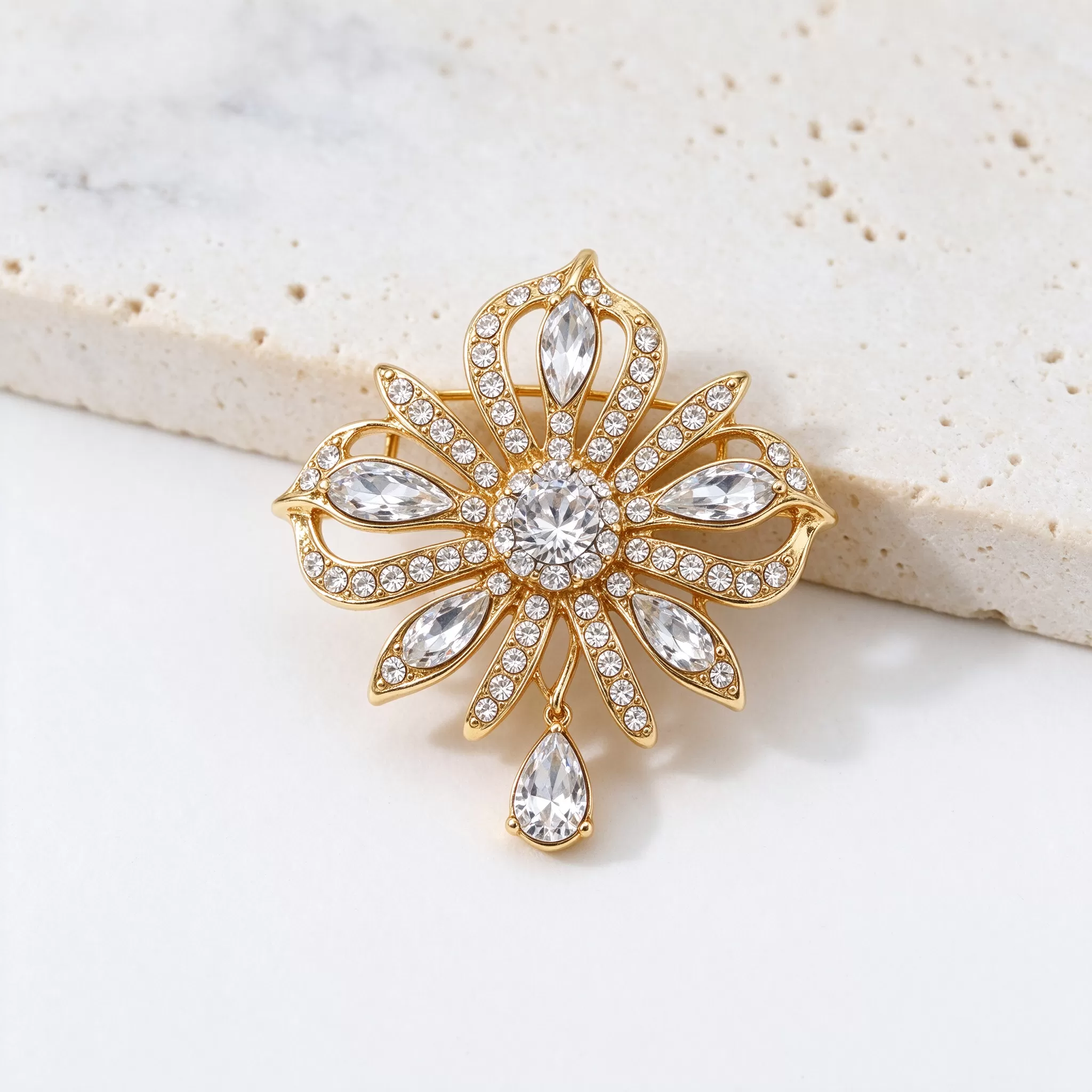
A brooch on a plain blazer is the fastest way to make a cheap jacket look considered. That is why tailoring pins, lapel pins and coat brooches are showing up in menswear windows, womenswear boutiques and even corporate uniform catalogs. If you buy or sell fashion jewelry, understanding how brooches are actually worn on tailored clothing is the difference between a tray of pins that sits unsold and a display that drives repeat purchases. This guide covers the styling rules your customers ask about, the lapel-pin formats that sell best, and how to merchandise them so they move.
Most buyers stock brooches but never explain how to wear them. That omission costs sales. A customer who cannot picture a pin on her own jacket will put it back. The listings and display cards that win are the ones that answer the styling question before the customer asks it. By the end of this guide you will know what to stock, how to describe it, and how to arrange it so customers can see the look.

The three placement rules customers want to know
Most customers never learned where a brooch goes, which is why they stand in front of the mirror unsure. If your product descriptions and display cards answer this, conversion rises immediately. The good news is that the rules are simple, and you can print them right on the backing card.
The left lapel, just above the buttonhole
The classic placement is on the left lapel of a jacket, roughly in line with the buttonhole, with the pin angled slightly outward. This comes from menswear tailoring and it works for women's blazers too. A single statement brooch here reads polished and intentional. This is the default position you should show first in every product photo, because it is the one most customers will reach for.
The waistcoat or waistline
On a waistcoat, cardigan or dress, a brooch at the V of the neckline or at the waist seam draws the eye inward and lengthens the torso. Floral and enamel bar pins work best here because they sit flat against the fabric. This placement is popular with customers who wear knitwear and dresses rather than structured jackets, and it is worth mentioning in your descriptions because it opens the category to a customer who thought she did not own a lapel.
The shoulder or collar
For a more fashion-forward look, a smaller pin sits on the collar point or near the shoulder seam of a coat. This is where the animal and insect brooches perform well, because they read as a small accent rather than a centerpiece. It is also the placement that younger customers use on denim and leather jackets, where a single hero pin would look too formal.
One pin vs. a cluster: how to merchandise both
Customers wear brooches in two distinct ways, and your range should cover both. The first is a single hero piece: one bold brooch on a monochrome blazer. The second is a cluster: two or three smaller pins grouped on a lapel, collar or chest pocket, the way stylists pin denim jackets and trench coats. If you only stock large statement pieces, you miss the cluster customer. If you only stock small pins, you miss the one-and-done gift buyer.
A practical buying split is roughly sixty percent hero pieces and forty percent small accents. The hero pieces carry the margin; the small accents drive add-on sales at the counter. Merchandise them on the same board so the customer can imagine combining a $18 floral with two $8 accents. That single visual suggestion lifts the average order more than any discount code.
Print a small placement diagram on the display board itself. A simple line drawing of a blazer with the left lapel circled removes the guesswork and lets a customer self-serve. The buyers who hesitate are almost always hesitating because they are unsure where the pin goes, not because they dislike the piece. Once that barrier is removed, conversion on the whole tray rises. This is a free change that costs you nothing but a printed card.
Matching metal to the garment's hardware
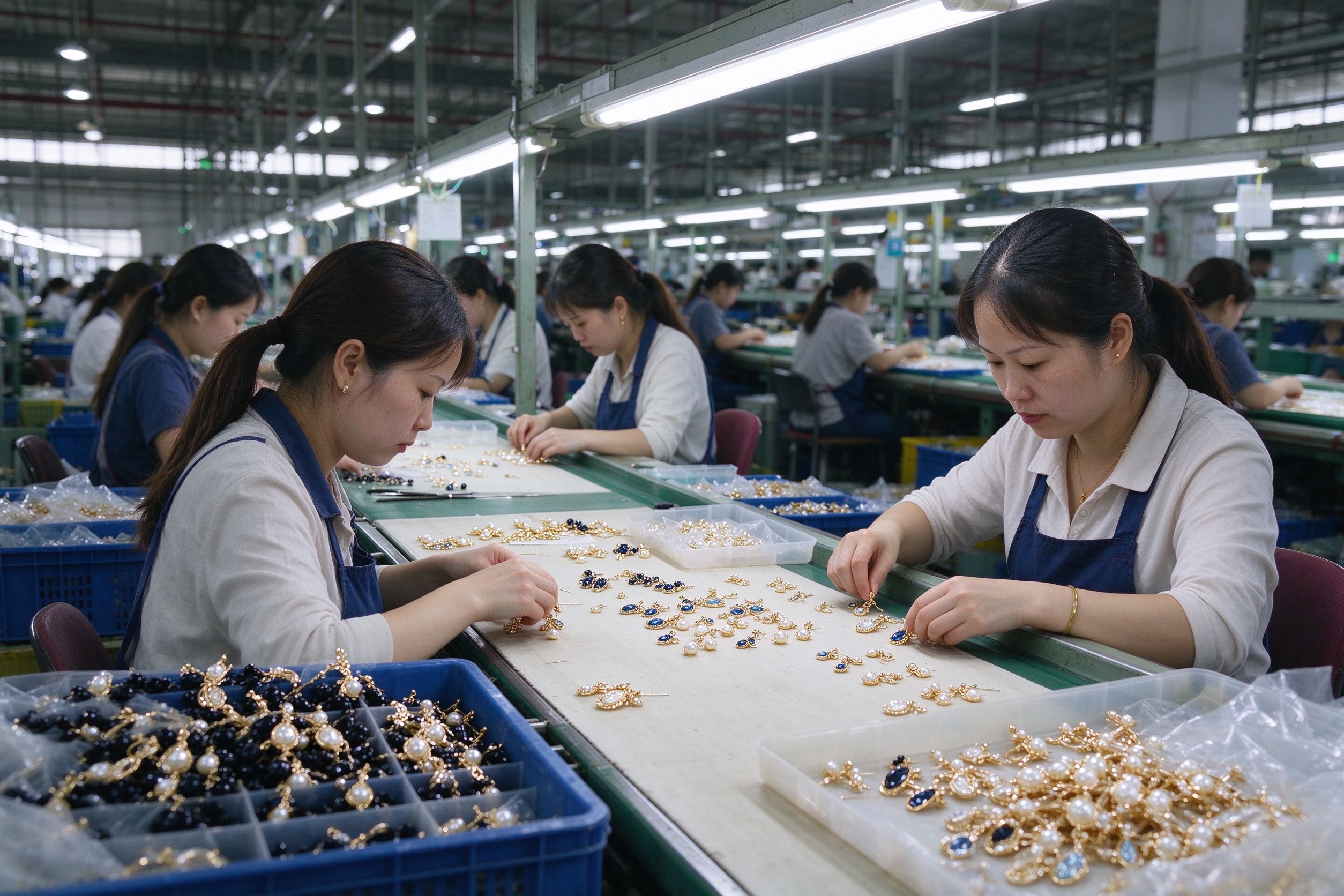
One of the easiest ways to make a brooch look expensive is to match its metal finish to the existing hardware on the jacket. A gold pin looks wrong next to silver trouser buttons, and vice versa. When you stock, offer each popular shape in both a gold-tone and a rhodium (silver) finish. This small choice doubles the number of customers who can wear the piece with what they already own. Factories in Wuzhou can produce the same casting in both finishes from the same mold at almost no extra tooling cost, so there is no reason to force a buyer to choose only one tone.
- Gold-tone plating pairs with brass, copper and gold buttons.
- Rhodium or antique-silver plating pairs with nickel, pewter and matte silver hardware.
- Black plating is a neutral that works with leather and structured wool.
- Rose gold works with blush, camel and cream tailoring.
- Always show both finishes in the listing photos.
Fabric matters: which pins work on what cloth
Not every brooch works on every fabric. A heavy stone-set pin will sag on a lightweight linen blazer and leave holes. A tiny enamel pin looks lost on a heavy wool overcoat. When you write your product descriptions, tell the customer which weight of garment each piece suits. This reduces returns and makes the piece feel considered. It also lets a customer self-select: the buyer who only owns linen shirts knows to pick the lightweight bar pin rather than the stone-set hero.
Light fabrics: silk, linen, fine knit
Choose lightweight cast pins under ten grams, with a sharp but fine pin stem. Avoid large stone clusters that pull the fabric down. Enamel bars and small floral shapes are ideal. On fine knits, warn customers that a brooch may leave small holes; a safety-bar clutch rather than a sharp stem is the kinder option for jersey.
Medium fabrics: cotton twill, flannel, suiting wool
This is the sweet spot. Most hero brooches, scarf rings and animal pins sit perfectly here. This is where your best-sellers will live, because most customers own at least one cotton or wool-blend blazer. Weight and size recommendations in this zone are straightforward.
Heavy fabrics: wool coats, leather, denim
Use larger, more substantial pieces. A bold statement brooch on an overcoat reads luxurious. On leather, confirm the pin stem is strong enough to pierce the hide without bending; leather is unforgiving and a bent stem ruins the piece. On denim, smaller cluster pins look modern and do not need a reinforced backing.
The tailoring-pin formats that wholesale buyers should stock
Within the brooch category, certain sub-formats are almost purpose-built for tailoring. Understanding them helps you write sharper listings and answer buyer questions. A well-stocked tailoring edit should cover most of these.
Lapel flower boutonnieres
Fabric or enamel flower pins on a thin stem are a menswear staple and a women's accessory crossover. They sell through wedding season and corporate-gifting season. Stock a few neutral tones so they work on a groom's lapel as well as a buyer's blazer. These are the pieces customers associate instantly with tailoring, so they are the natural anchor of the display.
Bar and nameplate pins
Straight enamel or metal bars are the modern, minimalist choice. They sit cleanly on a lapel or shirt collar and appeal to the younger, less formal customer. These are also the easiest pieces to private label with an engraved logo, which makes them popular with corporate buyers ordering staff recognition pins.
Animal and insect accent pins
A small beetle, butterfly or swallow placed on a collar pocket is the cluster-friendly piece that younger buyers search for. Keep these under four centimeters so they read as an accent, not a badge. They are the highest-photographed pieces in the range, which means free social reach.
Scarf rings and slides
Not strictly a lapel pin, but a tailoring accessory pair. A scarf ring on a silk square worn over a blazer completes the look. Cross-sell these next to your brooch display. A customer buying a blazer pin is very often a customer who already owns scarves, so the add-on conversion is high.
How to write listings that actually sell
Most brooch listings say nothing useful. They say "gold brooch, elegant." That tells the customer nothing about how to wear it. Better listings lead with the styling scenario. Instead of "flower brooch," write "Lapel flower pin for wool blazers, left-lapel placement, 4 cm, gold-tone." Tell them the fabric weight, the placement, the size and the finish. Include a styled photo on a real blazer, not a cutout on white. Customers buy the outfit, not the object.
- State the size in centimeters so buyers judge scale against their jacket.
- Name the fabric weight it suits.
- Suggest two placement options in the description.
- List the metal tone so it matches buttons.
- Mention the clutch type so buyers know it will stay on.
- Show it on both a woman's and a man's blazer if possible.
Seasonal buying rhythm for tailoring pins
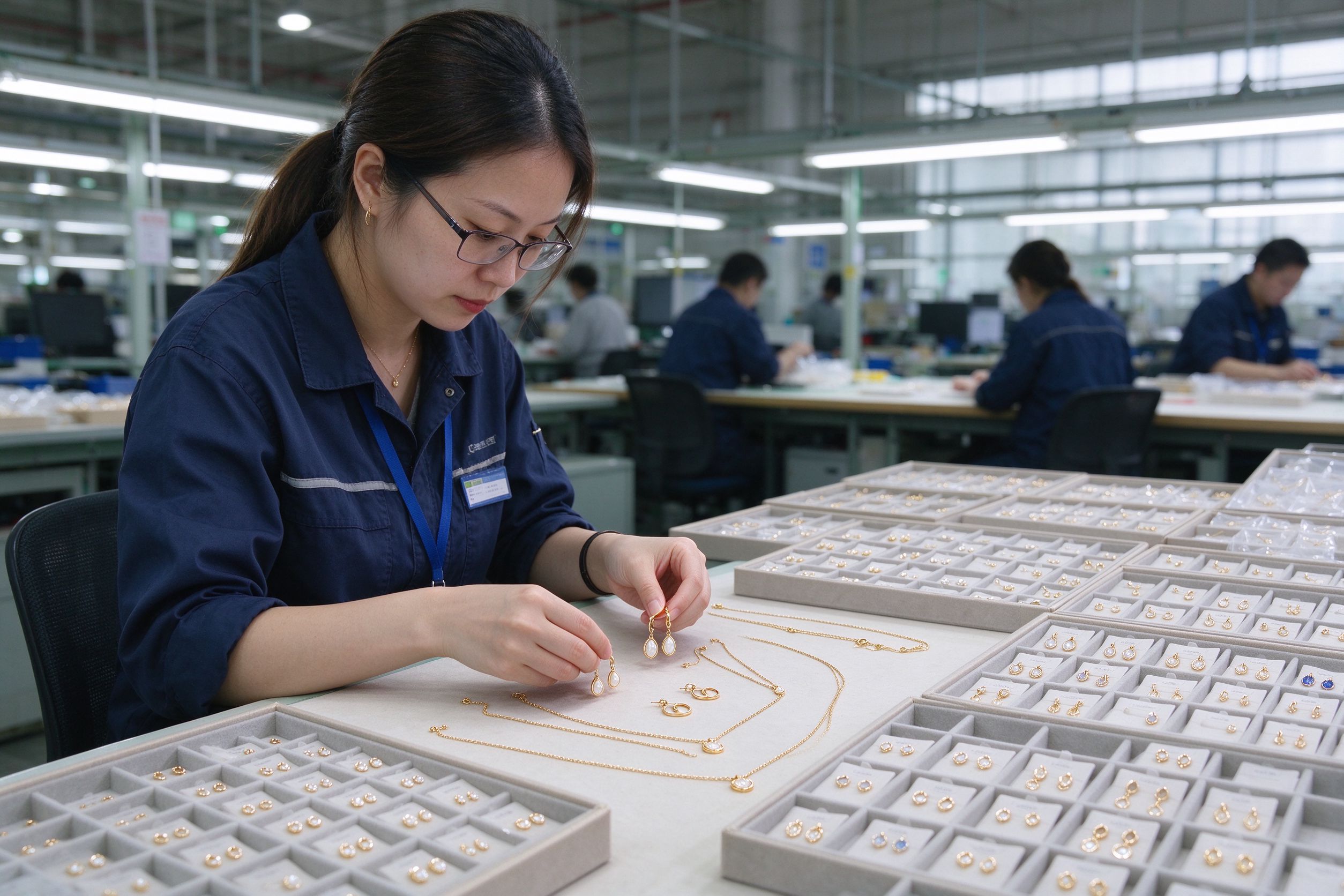
Tailoring brooches have a clear calendar. Orders should ramp in late summer for the September coat season, peak from October through December for gifting, and then lift again in March for wedding and graduation season. Lightweight enamel and floral pieces move in spring; heavy statement and stone pieces move in autumn and winter. Align your factory reorders with this rhythm so you are not stuck holding summer stock in November.
Corporate orders add a second rhythm. Companies buy staff recognition pins in batches around annual kickoffs, often in January and September. If you offer private-label bar pins, those orders can fill the quieter months between consumer gifting peaks. Plan your production calendar to cover both the retail calendar and the corporate calendar.
Do not overlook the menswear side of tailoring pins. Men buy lapel flowers, small geometric bars and enamel flags for weddings, races and corporate events, and they tend to buy decisively without the browsing that women customers do. A small menswear section on the same display costs you nothing extra and opens a customer who rarely shops the jewelry case. Stock neutral tones that read on a suit lapel, and keep pricing straightforward; male buyers respond to clear, no-nonsense tiers more than to editorial styling.
Common styling mistakes that cheapen the look
Even a beautiful pin looks wrong when it is placed badly. The most frequent error is choosing a brooch that competes with the rest of the outfit. A heavily jeweled statement pin on a blouse that already has ruffles, buttons and print is too much; the eye does not know where to land. The fix is simple: on a busy garment, choose a quiet, single-tone pin. On a plain garment, you can afford a bolder piece. Train your customers with this rule and they will trust your picks more.
The second common mistake is mixing too many metal tones at once. A gold brooch, a silver watch and a rose-gold necklace read as a styling error even though each piece is lovely on its own. Advise customers to anchor on one dominant metal and let the brooch match it. The third mistake is placing a large pin too low on the chest, which pulls the eye down and shortens the torso. On a jacket, the lapel is the safe, flattering zone; on a dress, the shoulder or the waist is better than dead center.
- On a busy outfit, choose a quiet single-tone pin.
- Anchor the look around one dominant metal tone.
- Keep large pieces on the lapel, shoulder or waist, not the center chest.
- Do not pin over a pocket flap, where it will catch as hands go in and out.
Why styling knowledge protects your margin
A buyer who knows how a brooch sits on a lapel writes better listings, trains better staff and converts browsers into gift buyers. You do not need to stock every shape. You need the right shapes in the right metal tones, displayed on real tailoring, described with the styling details customers cannot guess. That is how a small brooch tray becomes one of the highest-margin corners of your accessory department. Treat styling as part of the product, and the pins will sell themselves.
