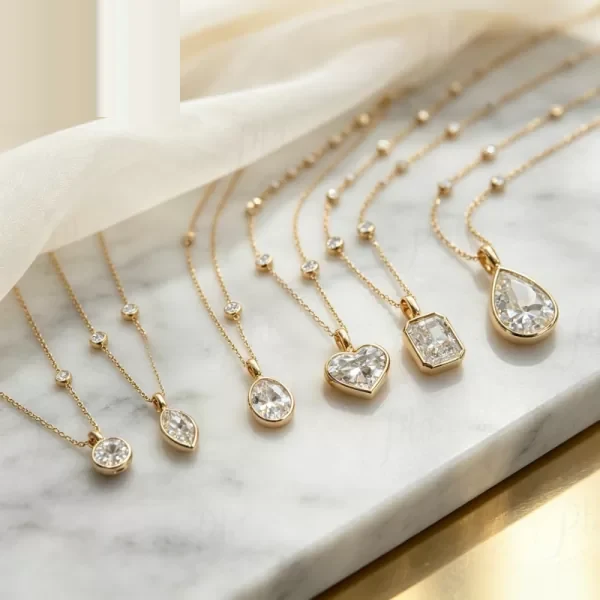
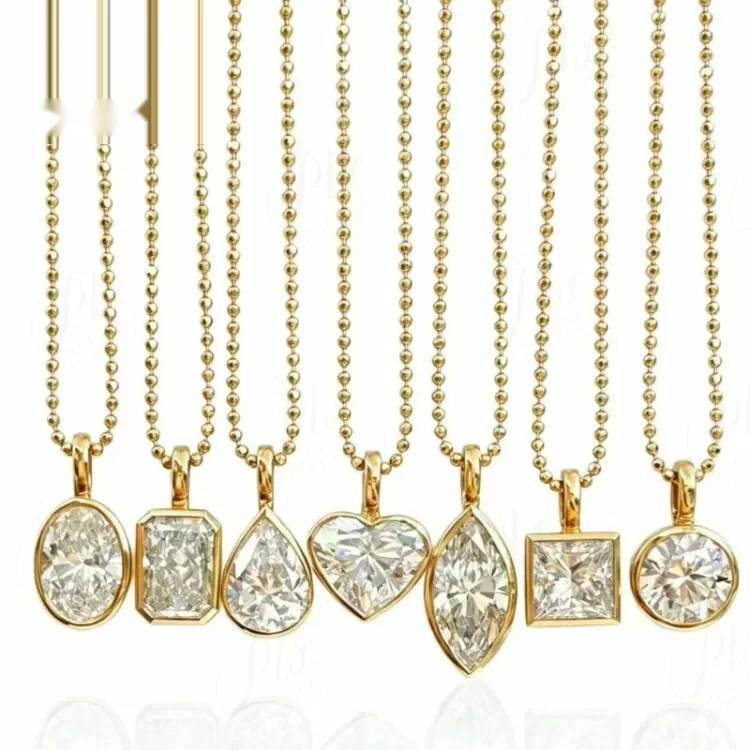
Wholesale Jewelry Sets: Plating Thickness & Tarnish Care

Why Plating Quality Determines the Lifespan of Wholesale Jewelry Sets
Plating tarnish is the leading reason wholesale buyers see returns and complaints on jewelry sets, and the difference between a set that holds up and one that fades within weeks comes down to plating thickness, base metal, and how the set is finished at the factory. When you source jewelry sets for retail, understanding exactly what sits on the surface of each piece helps you set honest expectations with your own customers and reduces after-sales headaches.
This article walks through the practical decisions a US wholesale buyer faces on plating, tarnish, and care.
Know the True Metal Before You Judge the Plating
The base metal under a plated finish matters as much as the plating itself. A gold plated layer applied over an unsuitable alloy will show wear faster than the same plating applied over 925 sterling silver. When evaluating jewelry sets, ask your supplier to name the actual metal in writing: 925 sterling silver, 10K/14K/18K solid gold, gold vermeil, or gold plated.
Gold vermeil, by definition, is a thick gold layer over sterling silver, and it wears differently from standard gold plated brass. Never accept marketing copy that describes plated or vermeil pieces as solid gold; that language creates compliance risk for your store and disappointment for your customers.
Plated, Vermeil, and Solid Gold: Wear Patterns Compared
Gold plated jewelry sets offer the lowest unit cost and the widest design range, but the thin layer will wear at high-contact points such as ring bands and earring posts. Gold vermeil over sterling silver gives a noticeably longer wearing life because the gold layer is thicker and the silver base resists corrosion beneath the surface.
Solid gold sets in 10K, 14K, or 18K do not rely on a coating at all, so tarnish stops being a concern, though the per-piece or per-carat pricing reflects that. Matching the metal choice to your price tier keeps both margins and customer satisfaction aligned.
What Actually Causes Tarnish on a Finished Set
Tarnish on jewelry sets comes from two directions. First, the base metal can react with sulfur and moisture in the air, and if the plating layer has pores or thin spots, discoloration creeps through. Second, the plating itself dulls from skin oils, lotions, perspiration, and friction against clothing. Necklaces inside a matching set tend to tarnish fastest at the clasp and chain links, where plating is thinnest and movement is constant.
A supplier that controls plating thickness and performs pre-ship inspection catches much of this before the goods leave the factory.
How to Evaluate a Supplier's Plating Process
Before committing to a bulk order, ask specific questions rather than general ones. Instead of asking whether the plating is good, request the plating thickness in microns, the number of layers, and whether an anti-tarnish topcoat is applied. Suppliers who can answer these questions in detail are usually the ones who control their plating line tightly. A reliable partner should also show you how quality is verified across production.
- Three-stage QC: incoming material checks, in-process checks during plating and assembly, and pre-ship AQL inspection on finished sets.
- Sampling in 7 to 10 days so you can wear-test a sample set through daily routines before bulk production.
- Bulk production in 15 to 25 days after sample approval, giving you room to plan inventory around launch dates.
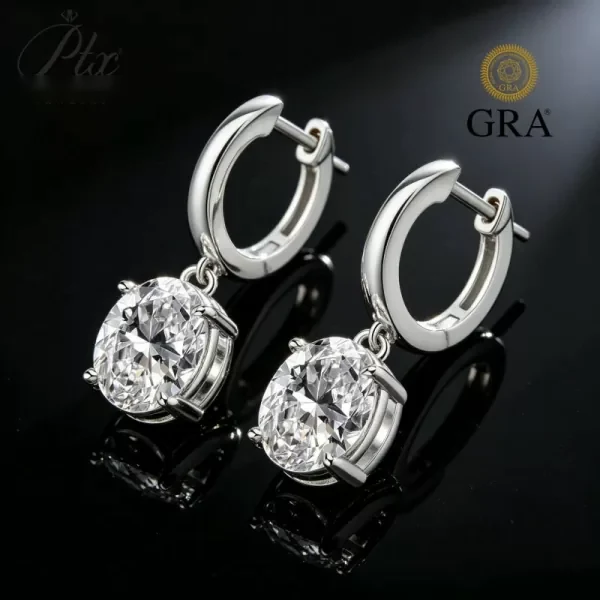
- Graded stones in jewelry sets supported by GRA or IGI papers, which matter when moissanite is paired with plated or vermeil settings.
Use Samples to Simulate Real Wear
Because moissanite is a lab-created diamond alternative, the stones in most sets will hold their optical properties well, so the plating is the variable to test. Wear the sample set for a full week: shower with it once, apply hand sanitizer, store it in a sealed bag overnight, and wipe it with a jewelry cloth. Photograph the high-contact areas before and after.
This simple routine reveals thin plating far faster than any catalog photo, and it costs you only the sample lead time of 7 to 10 days.
Match MOQ to Your Testing Strategy
Stock jewelry sets carry an MOQ of 1 piece, which makes them ideal for testing a plating finish in small quantities before scaling. Custom work requires 30 pieces, which suits buyers who have already validated the design and finish through samples. Loose stones are sold by the carat if you want to assemble sets with specific stone sizes.
Structuring your ordering this way limits exposure: buy one stock piece to test, sample the custom version, then commit to the 30-piece custom run once wear results look good.
Care Instructions That Reduce Tarnish Complaints
Most tarnish complaints trace back to storage and daily habits rather than defective plating. Including a short care card with every jewelry set lowers returns and positions your brand as attentive. The instructions below are practical for plated, vermeil, and even solid gold pieces, and they cost almost nothing to print and include.
The Care Card Every Set Should Include
- Remove jewelry sets before swimming, showering, exercising, or applying lotion and perfume.
- Wipe pieces with a soft, dry cloth after wearing to remove skin oils and residue.
- Store each set in a sealed pouch or airtight bag, away from humidity and direct sunlight.
- Keep pieces separated so chains and stones do not scratch neighboring items.
- Clean gently with lukewarm water and mild soap; avoid abrasive cloths and harsh chemicals.
Train Your Retail Staff or Product Pages to Set Expectations
Plated jewelry sets are not solid gold, and customers who understand this upfront rarely feel misled. On product pages, name the metal accurately, state that the finish is gold plated or gold vermeil, and repeat two or three care tips. For solid gold sets, highlight that tarnish is not a concern, which justifies the higher per-piece pricing. Clear language protects you from disputes and builds repeat business.
Pricing, Payment, and Delivery Terms to Confirm Upfront
Plating quality affects cost, so lock down commercial terms before production begins. Pricing is quoted per piece or per carat depending on the item, with solid gold and larger moissanite stones driving the per-carat side of the quote. Standard payment is T/T with a 30 percent deposit and the 70 percent balance before shipment, while PayPal works for sample orders, which keeps your trial-cost exposure low.
Delivery to the US on DDP terms takes 5 to 8 days after production, so a full cycle from sampling to delivery typically runs roughly three to five weeks depending on approval speed.
The table below summarizes how the main metal options in jewelry sets compare on the factors that drive tarnish and care decisions.
| Option | Base Metal | Tarnish Resistance | Care Intensity | Typical Use |
|---|---|---|---|---|
| Gold plated | Alloy or brass | Lower | Daily habits matter | Fashion sets, trend items |
| Gold vermeil | 925 sterling silver | Moderate to high | Moderate | Premium fashion sets |
| 10K solid gold | 10K gold | High | Light | Everyday retail sets |
| 14K/18K solid gold | 14K or 18K gold | High | Light | Fine jewelry sets |
Use this comparison when planning your assortment. Many retailers carry gold plated sets as entry price points, vermeil sets in the mid tier, and solid gold sets for their fine jewelry customers, giving shoppers a clear step-up path within one category.
Compliance Language to Use and Avoid in Your Listings
How you describe jewelry sets in listings carries legal weight. Moissanite is a lab-created diamond alternative and should be described as exactly that, never as a natural or real diamond. Plated and vermeil pieces must be named as such; describing them as solid gold invites chargebacks and regulatory complaints. Skip absolute claims and unsupported promises in your copy, and avoid vague sourcing language.
Simple, accurate descriptions such as gold vermeil over 925 sterling silver with lab-created moissanite stones, GRA certified, give buyers confidence without overreach.
Words That Signal Accuracy to Wholesale Buyers
Listing language that names the metal, states the plating type, and references certification papers reads as credible. Phrases that promise permanence or use absolute claims read as risky. Train anyone writing your product copy to describe finishes factually, and keep the same discipline across packaging inserts so your care instructions and metal claims match.
Building a Tarnish-Resistant Jewelry Sets Program
A strong jewelry sets program combines the right metal tiers, verified plating quality, and clear customer education. Start by ordering single stock pieces at the 1-piece MOQ to compare finishes side by side. Request samples of custom designs, wear-test them for a week, and confirm that graded stones arrive with GRA or IGI papers. Once a design passes wear testing, move to the 30-piece custom MOQ with T/T terms of 30 percent deposit and 70 percent balance before shipment.
Factor in 7 to 10 days for sampling, 15 to 25 days for bulk production, and 5 to 8 days for DDP delivery to the US when planning your calendar.
If you are ready to compare plating options across a jewelry sets assortment, browse the available styles and metals in the product catalog, read more practical sourcing guidance on the wholesale jewelry blog, or reach out through the contact page to request samples and discuss custom MOQ for your next collection.
Order Terms for Wholesale Buyers
MOQ is 1 piece for stock styles and 30 pieces for custom work, and loose stones are sold by the carat. Sampling takes 7 to 10 days, and bulk production runs 15 to 25 days after the sample is approved. Pricing is quoted per piece or per carat depending on the item. Payment is T/T with a 30% deposit and the 70% balance before shipment, and PayPal is accepted for sample orders.
Frequently Asked Questions
How long does gold plating last on jewelry sets?
Lifespan depends on plating thickness, base metal, and how often the set is worn. Gold plated sets worn daily will show wear at contact points within months, while gold vermeil over sterling silver holds up noticeably longer with basic care. Solid gold sets do not rely on a plating layer, so wear-through is not a factor.
Can tarnished plated jewelry sets be replated?
Yes, a plating shop can strip and replate most pieces, but shipping costs usually make this practical only for higher-value items. For plated fashion sets, replacement is often more economical than replating. This is why care instructions and accurate customer expectations matter so much at the fashion tier.
Do moissanite stones in jewelry sets tarnish?
No, moissanite is a lab-created diamond alternative and the stones themselves do not tarnish. Discoloration around a stone comes from the setting and plating, not the gem. Certification through GRA or IGI papers applies to the graded stones, and cleaning the setting restores the overall appearance.
What is the minimum order for testing different plating finishes?
Stock styles carry an MOQ of 1 piece, so you can order one set in each finish and compare them directly. Custom work requires 30 pieces, which is best reserved for designs already validated through sampling. Sample orders can be paid through PayPal to keep trial costs simple.
How should I store jewelry sets between seasons?
Seal each piece in an individual airtight pouch with the set kept together but pieces separated to prevent scratching. Store pouches in a cool, dry place away from direct sunlight. Adding a short care card to retail packaging helps end customers follow the same habits after purchase.
Sources: Grading references: GIA gem education and GIA laboratory information.