Wholesale Jewelry Sets: Retail-Ready Packaging & Branding

Why Retail-Ready Packaging Decides Whether Jewelry Sets Sell
Jewelry sets sell differently from single pieces, and packaging is a bigger part of that difference than many wholesale buyers expect. A set — necklace, earrings, and bracelet presented together — is bought as a gift or as a coordinated statement, so the first impression happens before anyone touches the metal. If your jewelry sets arrive in generic plastic sleeves, your retail staff spends time repacking, your unboxing photos look weak, and the perceived value drops.
Retail-ready packaging solves that at the factory level: matched boxes, inserts that hold each component in place, labels and barcodes applied, and sets shipped in outer cartons that protect everything through transit. This article walks through the practical packaging and retail-readiness decisions a US wholesale buyer faces, from box selection and QC to delivery timelines and custom minimums.
What Retail-Ready Actually Means for Wholesale Jewelry Sets
Retail-ready means the set leaves the factory in a condition your team can place directly on a shelf, a display case, or an e-commerce fulfillment station without rework. That covers several concrete elements:
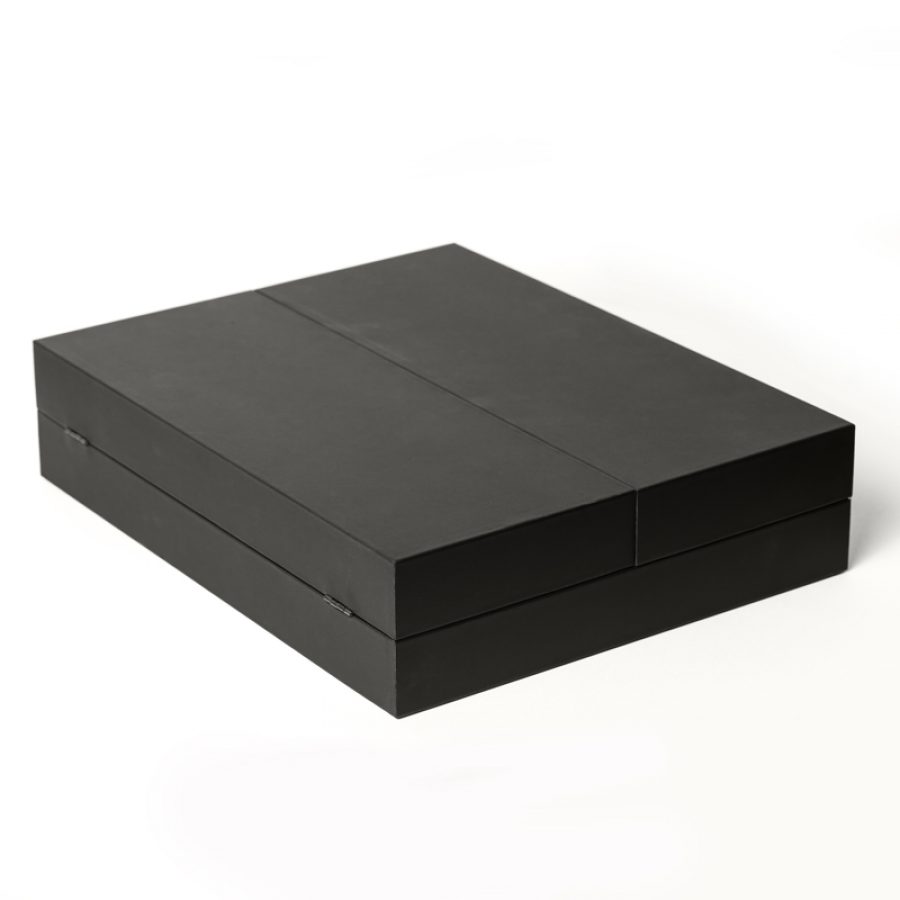
- Individual boxes sized to the full set, with fitted inserts that keep the necklace, earrings, and bracelet from tangling or shifting.
- Brand labeling — your logo foil-stamped or debossed on the box, plus hangtags, barcodes, and care cards if you use them.
- Outer cartons with adequate cushioning so boxes do not arrive dented after ocean or air freight.
- Consistent sizing and color across a production run, so a display of twenty sets looks uniform on the shelf.
Sets add complexity that single pieces do not have. A mismatched insert can let an earring post scratch a pendant during shipping. A box that fits the necklace but crushes the bracelet creates returns before the product is even sold. Discussing these details with your supplier before production starts — not after goods arrive — is what separates a smooth launch from a costly one.
Packaging Options and How to Choose
Most buyers choose from a small set of box formats, each with tradeoffs in cost, presentation, and freight volume. The table below summarizes the common options for jewelry sets.
| Box Type | Best For | Pros | Considerations |
|---|---|---|---|
| Cardboard with foam insert | Volume retail, e-commerce | Low cost, light weight | Less premium feel |
| Leatherette flip box | Boutique and gift sales | Presents well, durable | Higher unit cost |
| Velvet tray box | Sets with multiple pieces | Holds each piece securely | Bulkier in cartons |
| Slide or drawer box | Premium gift positioning | Strong unboxing moment | More freight volume |
Match the box to your channel. If you sell primarily online and ship directly to consumers, prioritize protective inserts and a box that survives courier handling. If you operate boutiques or sell through retail partners, presentation carries more weight and a leatherette or velvet format justifies its cost. Bulkier boxes also raise freight charges, so factor dimensional weight into your decision rather than judging on unit price alone.
Branding, Labels, and Compliance Details
Metal and Stone Disclosures on Packaging
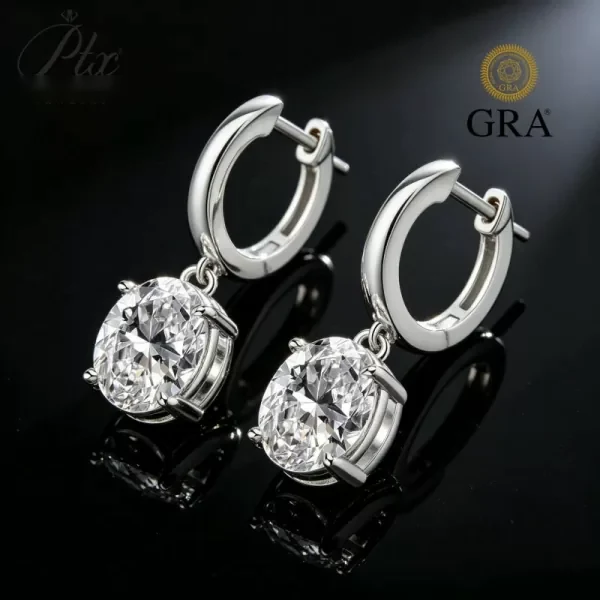
Your packaging copy must state the true materials. If the set is 925 sterling silver, the box and tag should say sterling silver — not "gold" if it carries a gold plated finish. Gold vermeil and gold plated each need accurate naming. Moissanite stones should be described as lab-created diamond alternatives, and graded stones can reference their GRA or IGI paperwork on the accompanying card. Clear, accurate labeling protects you with US retailers and reduces returns driven by confused customers.
Barcodes, SKUs, and Hangtags
Ask whether the factory can apply your UPC barcodes and SKU labels during packing. For sets, each component should map to the parent SKU so inventory systems track the set as one unit while allowing per-piece QC. A care instruction card inside the box is a low-cost addition that reduces after-sale questions.
Outer Carton Engineering
Inner boxes are only half the story. Confirm carton specifications: corrugated grade, internal dividers, and gross weight per carton. For jewelry sets, dividers between finished boxes prevent scuffing. Request photos or a sample carton during sampling so you can verify stacking strength before bulk production.
Sampling: Test the Packaging With the Product
Sampling for jewelry sets takes 7 to 10 days, and this is the stage where packaging decisions get validated. Treat the sample round as a packaging rehearsal, not just a product check:
- Confirm the insert grips each piece — shake the closed box and check for movement.
- Test the full unboxing flow the way a customer would experience it.
- Review label placement, logo finish quality, and card copy for accuracy.
- Drop-test or shake-test the sealed outer carton to gauge transit protection.
For sample orders, PayPal is accepted, which keeps the initial commitment small. Custom work carries a 30 piece minimum, so refining the packaging during sampling matters — changes after bulk approval can add cost and delay. Stock styles have a 1 piece minimum, which makes it easy to order a single set and evaluate the existing packaging before committing to a custom run.
QC and Pre-Shipment Checks for Packaged Sets
Packaging failures are cheaper to catch before shipment than after. A three-stage QC process — incoming material inspection, in-process checks, and pre-ship AQL inspection — should extend to packed goods, not just loose product. At the pre-ship stage, the inspector verifies that boxes are undamaged, inserts hold each component, labels and barcodes match your approved artwork, and carton counts match the packing list. Ask your supplier to include packed-unit inspection photos in the pre-ship report.
For sets, inspectors should also confirm all components are present in every box; a set missing one earring is a full return, not a partial issue.
Shipping and Delivery to the US
Bulk production for jewelry sets runs 15 to 25 days after approval, and DDP delivery to the US takes 5 to 8 days. DDP matters for retail readiness because the goods arrive at your door with duties handled — no customs surprises that delay a launch date. Payment terms follow the standard structure: T/T with a 30 percent deposit and the 70 percent balance before shipment, with PayPal available for sample orders.
When you plan a seasonal launch, build the sampling window, production window, and transit window into one calendar, and confirm packaging artwork approval early since logo tooling can sit on the critical path.
Practical Checklist Before You Order
- Choose a box format matched to your sales channel and freight budget.
- Approve all packaging artwork — logo, labels, barcodes, care cards — during sampling.
- Verify materials naming on all customer-facing packaging.
- Confirm packed-unit inspection is part of the pre-ship AQL check.
- Plan around 7 to 10 day sampling, 15 to 25 day production, and 5 to 8 day DDP transit.
- Clarify pricing per piece or per carat, since sets with graded stones may quote differently.
Buyers who handle packaging at the sourcing stage gain shelf-ready inventory, cleaner fulfillment, and a stronger first impression — without adding work for their own team.
Frequently Asked Questions
Can I order one jewelry set to test the packaging first?
Yes. Stock styles carry a 1 piece minimum, so you can order a single set, examine the box and inserts, and test the unboxing experience. Custom packaging work begins at a 30 piece minimum, so the low-stock MOQ is a practical way to evaluate before committing.
How long does custom packaging add to the timeline?
Sampling runs 7 to 10 days and bulk production 15 to 25 days after approval. Packaging artwork and tooling are usually handled within the sampling window if approved early, which is why late artwork changes create delays.
Will the packaging state the correct materials?
It should, and you should verify it during sampling. Sterling silver, gold vermeil, and gold plated finishes each need accurate naming, and moissanite should be described as a lab-created diamond alternative. Graded stones can reference GRA or IGI papers on the accompanying card.
How is a set inspected before shipment?
Pre-ship AQL inspection covers the packed goods: component completeness per box, insert fit, label accuracy, and carton condition. This sits after incoming and in-process checks in a three-stage QC process.
What are the payment and shipping terms for a bulk order?
Bulk orders use T/T with a 30 percent deposit and the 70 percent balance before shipment. Delivery to the US is DDP and takes 5 to 8 days, with duties handled so goods arrive ready for your shelf.
Ready to Source Retail-Ready Jewelry Sets
Packaging and retail readiness are decisions you make with your supplier, not after delivery. Browse the current range of jewelry sets and coordinating pieces in our product catalog, read more sourcing guidance on the wholesale jewelry blog, or start a conversation about custom packaging and MOQs through our contact page. Bring your channel, your launch window, and your packaging requirements, and we will match them to the right production plan.
Order Terms for Wholesale Buyers
MOQ is 1 piece for stock styles and 30 pieces for custom work, and loose stones are sold by the carat. Sampling takes 7 to 10 days, and bulk production runs 15 to 25 days after the sample is approved. Pricing is quoted per piece or per carat depending on the item. Payment is T/T with a 30% deposit and the 70% balance before shipment, and PayPal is accepted for sample orders.
Sources: Grading references: GIA gem education and GIA laboratory information.